 EN
EN

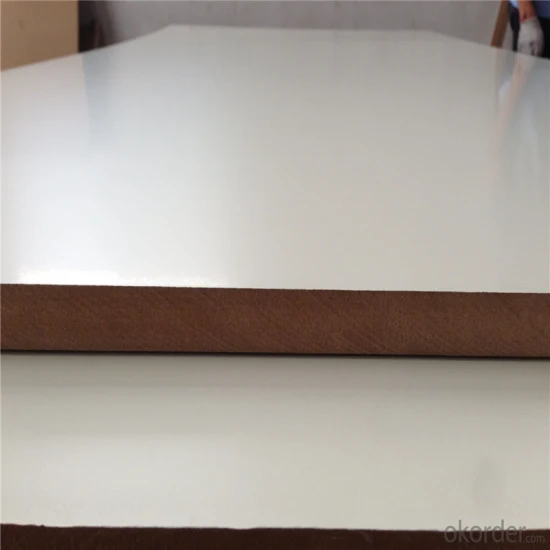
PET MDF represents a modern advancement in engineered wood materials, combining the stability of medium-density fiberboard with a polyethylene terephthalate surface layer. This hybrid material has gained significant traction in furniture manufacturing, kitchen cabinet production, and decorative panel applications. When considering whether PET MDF suits your CNC machining and edge banding operations, understanding its material properties and processing characteristics is essential for making informed production decisions.
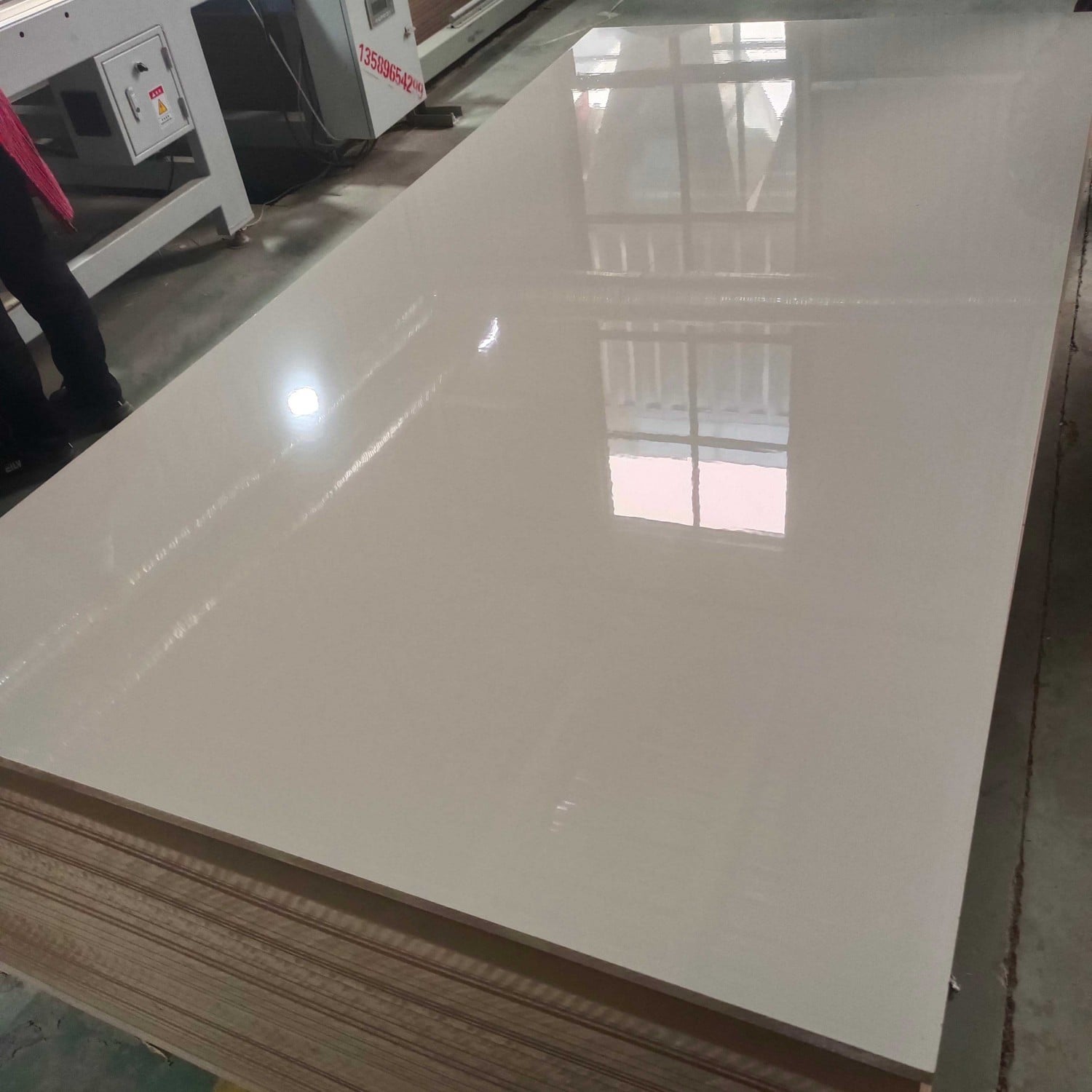
The suitability of PET MDF for CNC operations and edge banding depends on multiple factors including tool selection, spindle speed, feed rates, and the specific edge banding techniques employed. Understanding how PET MDF behaves under cutting conditions, thermal stress, and adhesive application will determine whether this material aligns with your production capabilities and quality expectations.
PET MDF Performance in CNC Machining Operations
Material Stability and Dimensional Accuracy
PET MDF delivers exceptional dimensional stability during CNC machining compared to conventional solid wood or particleboard alternatives. The engineered core of PET MDF resists warping and expansion, which is crucial when maintaining tight tolerances for furniture joinery and decorative edge profiles. The polyethylene terephthalate veneer layer on the surface provides a moisture-resistant barrier that prevents swelling during humid conditions or extended storage before edge banding application.
When processing PET MDF through CNC routers and precision cutting equipment, the material's homogeneous density ensures consistent tool engagement and predictable chip evacuation. This consistency makes PET MDF significantly more reliable than solid hardwoods, which exhibit variable grain direction and density variations that complicate tool path planning. The result is improved part accuracy and reduced tool wear, ultimately lowering production costs per component.
Cutting Surface Quality and Tool Requirements
PET MDF responds exceptionally well to high-speed CNC cutting when proper tooling is employed. The material produces clean, chip-free edges on profiles and through-cuts, minimizing post-processing time and finishing requirements. However, PET MDF demands sharp, carbide-tipped tools with appropriate flute geometry; dull tools or incorrect bit selection will cause edge tearing, delamination of the PET veneer, and rough surface finishes that compromise subsequent edge banding adhesion.
Spindle speeds for PET MDF typically range from 12,000 to 18,000 RPM depending on cutter diameter and profile complexity. Feed rates should be moderate to avoid excessive heat generation at the cutting interface, which can cause thermal degradation of the polyethylene terephthalate surface layer. Strategic use of coolant or compressed air helps evacuate chips and maintain surface temperature, extending tool life while maintaining edge quality critical for professional edge banding application.
Edge Banding Application and Adhesive Compatibility
Surface Preparation and Adhesion Requirements
The polyethylene terephthalate surface of PET MDF presents unique adhesion challenges when applying edge banding materials. Unlike MDF with exposed wood fiber surfaces that absorb adhesive readily, the PET veneer is inherently non-porous, requiring careful surface preparation and suitable adhesive chemistry for reliable edge banding performance. Most industrial edge banding applications on PET MDF employ hot-melt polyurethane or moisture-cured polyurethane adhesives that chemically bond to the PET surface rather than relying on mechanical fiber interlocking.
Pre-processing the CNC-machined edges of PET MDF through light sanding or plasma treatment improves adhesive penetration and wetting characteristics. This preparation step significantly enhances edge banding durability, preventing edge separation during thermal cycling or exposure to moisture. Many manufacturers report that unmodified PET MDF edges show poor adhesive bonding with conventional contact adhesives, making adhesive selection and surface treatment critical success factors in edge banding operations.
Long-Term Performance and Durability
When properly edge-banded using compatible adhesives and correct application techniques, PET MDF demonstrates superior long-term performance compared to particleboard alternatives. The moisture-resistant properties of the PET veneer prevent water infiltration into the core material, extending furniture lifespan significantly. Kitchen cabinets and bathroom vanities constructed from PET MDF with professional edge banding show excellent resistance to humidity fluctuations, steam exposure, and cleaning chemical exposure typical in wet environments.
The combination of dimensionally stable MDF core material and resilient PET surface layer creates an edge banding substrate that maintains integrity through years of use. Edge separation rates remain minimal when heat-applied edge banding is used with appropriate adhesive systems, making PET MDF an excellent choice for high-use applications like kitchen cabinetry and commercial furniture. The material also accommodates various edge banding profiles from simple solid color strips to textured wood-grain or metal-effect designs without compromising structural integrity or aesthetic appearance.
Production Considerations and Material Selection Factors
Cost-Benefit Analysis for Manufacturing Operations
PET MDF presents a compelling value proposition for manufacturers investing in CNC capabilities and edge banding systems. The material's consistent machinability reduces tool wear rates compared to natural wood alternatives, translating to lower overall tooling costs. Edge banding reject rates typically decrease with PET MDF because the homogeneous substrate provides predictable adhesive performance when proper adhesive selection and application parameters are observed.
However, PET MDF typically costs more per board than conventional MDF or particleboard, requiring careful cost-per-part calculations to justify material selection. High-volume production scenarios often favor PET MDF because the reduced CNC tooling wear and improved first-pass edge banding success offset the higher material cost. Low-volume custom production may find alternative materials more economical, particularly if existing equipment is optimized for conventional wood-based substrates rather than specialized PET MDF processing.
Environmental and Aesthetic Advantages
The polyethylene terephthalate surface of PET MDF provides superior scratch resistance, color stability, and stain resistance compared to veneered or painted alternatives. This durability extends product lifespan and reduces replacement cycles in commercial and residential applications. Additionally, PET MDF eliminates the need for protective topcoat finishes or lacquer applications typically required on conventional MDF, reducing volatile organic compound emissions during manufacturing and installation.
Aesthetic flexibility remains exceptional with PET MDF, as the material accommodates various surface finishes including high-gloss, matte, and textured options. When combined with specialized edge banding profiles and professional installation techniques, PET MDF creates sophisticated, durable finished products suitable for premium market segments. The environmental advantages of reduced finishing chemicals and extended product lifespan make PET MDF an increasingly attractive choice for environmentally conscious manufacturers and consumers.
FAQ
Can PET MDF be cut using standard CNC router equipment?
Yes, PET MDF can be cut on standard CNC router equipment, though sharp carbide tools and appropriate spindle speeds between 12,000 and 18,000 RPM are essential. Standard CNC routers designed for MDF processing work effectively with PET MDF, though some manufacturers recommend upgrading to higher-quality spindles for optimal results and reduced vibration. The key difference is tool selection and feed rate adjustment rather than equipment incompatibility.
What type of adhesive works best for edge banding PET MDF?
Hot-melt polyurethane and moisture-cured polyurethane adhesives provide superior bonding to PET MDF surfaces compared to conventional contact adhesives. These specialized adhesive chemistries chemically bond to the polyethylene terephthalate veneer rather than relying on mechanical interlocking with wood fibers. Testing recommended edge banding adhesives with your specific PET MDF supplier ensures optimal compatibility and long-term durability in your application environment.
Is PET MDF worth the additional cost compared to standard MDF for CNC operations?
PET MDF justifies higher material costs through reduced CNC tool wear, improved edge banding success rates, superior moisture resistance, and enhanced aesthetic appeal suitable for premium products. For high-volume production runs or applications requiring exceptional durability like kitchen cabinets, PET MDF delivers return on investment through improved manufacturing efficiency and product longevity. Lower-volume or cost-sensitive applications may find conventional MDF more economical depending on final product specifications and market positioning.