 EN
EN

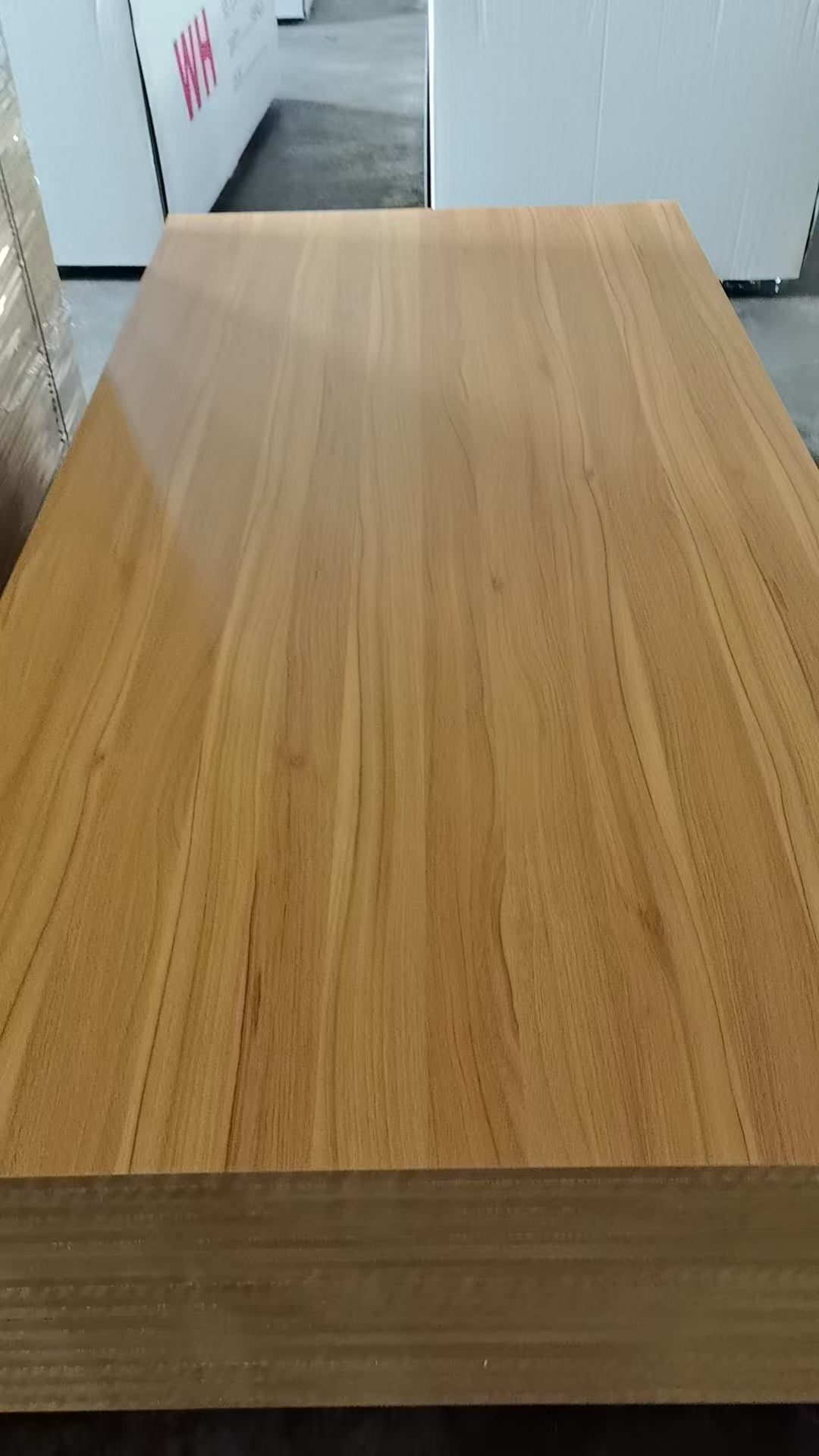
When selecting engineered wood for furniture projects, one of the most common questions buyers and designers ask is how strong mdf material actually is. Understanding its structural capabilities helps professionals and procurement teams make informed decisions rather than relying on assumptions. MDF material has become one of the most widely used substrates in the furniture industry, but its strength profile is nuanced and depends on several key factors that are worth examining in detail.
MDF material, which stands for medium-density fiberboard, is manufactured by breaking down wood residuals into fine fibers, combining them with wax and resin binders, and pressing the mixture under high heat and pressure. The result is a dense, uniform panel that behaves differently from solid wood or plywood in terms of strength, flexibility, and load-bearing capacity. To answer the question of how strong mdf material is for furniture use, it is necessary to look at its mechanical properties, its performance under different stress conditions, and how it compares to the demands placed on typical furniture components.
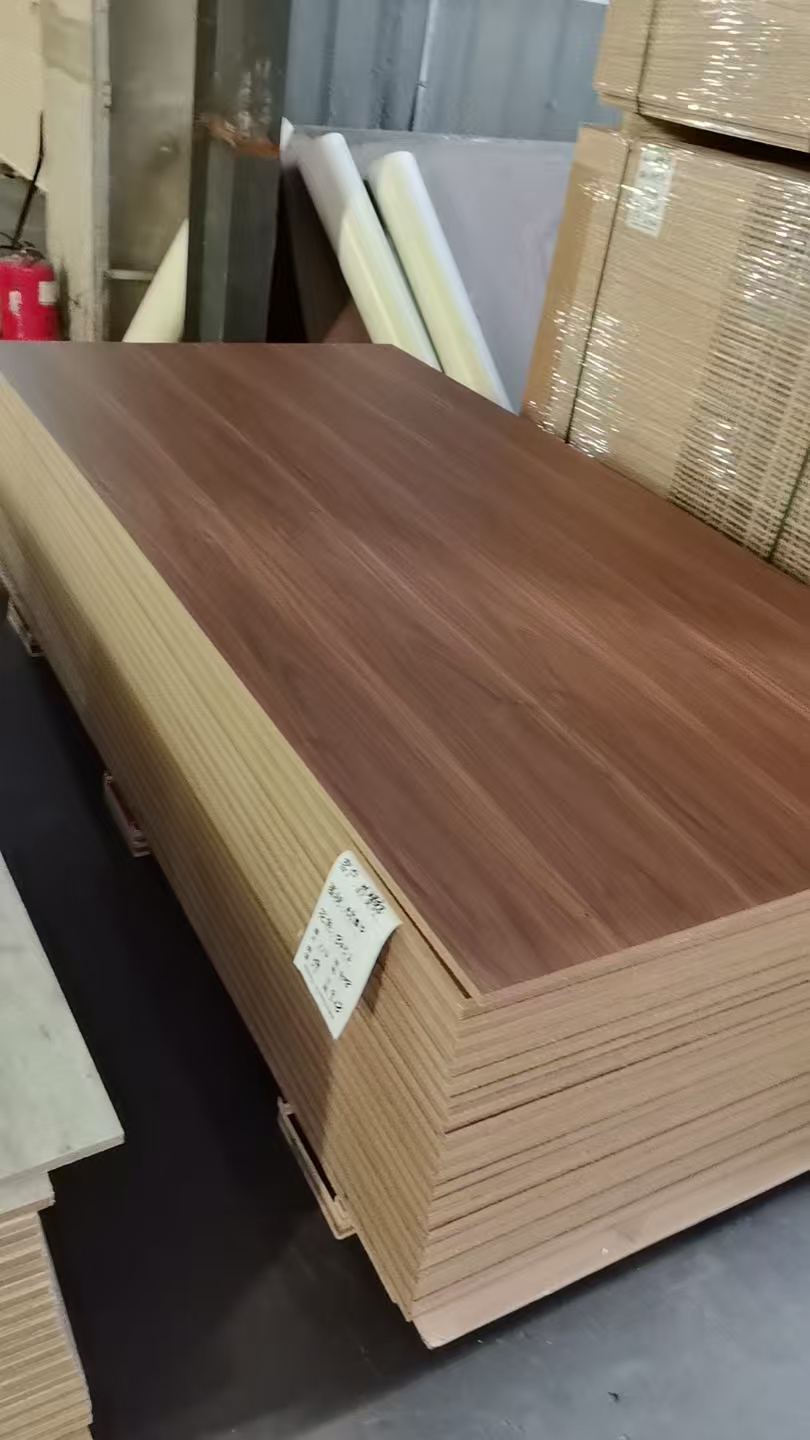
Understanding the Structural Properties of MDF Material
Density and Internal Bond Strength
The strength of mdf material begins with its density. Standard MDF panels typically fall within a density range of 600 to 800 kilograms per cubic meter, which gives the board a consistent internal structure throughout its cross-section. Unlike particleboard, which uses larger wood chips and tends to have weaker internal bonding, mdf material is made from finely processed fibers that bond more uniformly under compression. This uniform density is one of the primary reasons mdf material performs reliably in flat-panel furniture applications.
The internal bond strength of mdf material refers to its resistance to being pulled apart perpendicular to the panel face. This property is critical for furniture components that must hold screws, dowels, or hardware inserts. High-quality mdf material typically achieves internal bond values that meet or exceed industry standards for furniture-grade panels, making it suitable for cabinet carcasses, shelving units, and door panels where consistent fastener holding is required.
It is important to note that the internal bond strength of mdf material can vary depending on the resin content, fiber quality, and pressing conditions used during manufacturing. Panels produced under tighter quality controls tend to exhibit more consistent strength values across the entire board surface, which is a significant advantage in high-volume furniture production environments.
Bending Strength and Modulus of Elasticity
Bending strength, also referred to as modulus of rupture, is a key indicator of how well mdf material resists breaking when a load is applied across its span. For furniture applications such as shelves, tabletops, and cabinet bases, this property directly determines whether a panel will sag or fracture under weight. Standard mdf material typically achieves bending strength values in the range of 25 to 45 megapascals, depending on panel thickness and density grade.
The modulus of elasticity of mdf material describes its stiffness — how much it deflects under load before returning to its original shape. Thicker panels of mdf material naturally exhibit greater stiffness, which is why furniture designers often specify 18mm or 25mm mdf material for horizontal load-bearing surfaces rather than thinner grades. Understanding this relationship between thickness and stiffness is essential when specifying mdf material for shelving that must support books, equipment, or other heavy items.
Compared to solid wood, mdf material tends to have a lower modulus of elasticity, meaning it can deflect more under equivalent loads. However, because mdf material is available in large, consistent panel sizes without the grain variation of solid wood, designers can compensate through thoughtful panel sizing, edge banding reinforcement, and strategic use of support structures within the furniture piece.
How MDF Material Performs Under Real Furniture Conditions
Screw and Fastener Holding Capacity
One of the most practical strength considerations for furniture use is how well mdf material holds screws and other mechanical fasteners. The face surfaces of mdf material generally provide good screw withdrawal resistance because the fiber density near the panel surface is high. This makes mdf material a reliable choice for attaching hinges, drawer slides, and shelf pins when fasteners are driven into the face of the panel.
The edge and end grain of mdf material, however, present a different challenge. Because the edges expose the compressed fiber core, screw holding capacity in these areas is noticeably lower than in the face. Furniture manufacturers working with mdf material typically address this by using confirmat screws designed for engineered wood, applying wood glue in combination with mechanical fasteners, or reinforcing edge joints with dowels and biscuits. These practices significantly improve the structural integrity of mdf material joints in assembled furniture.
Pre-drilling is strongly recommended when fastening into mdf material, particularly near edges, to prevent the panel from splitting. When proper fastening techniques are followed, mdf material can deliver joint strength that is entirely adequate for residential and light commercial furniture applications, including wardrobes, kitchen cabinets, and office furniture systems.
Compression and Surface Hardness
MDF material exhibits good surface hardness relative to its density class. The smooth, flat surface of mdf material is one of its most valued characteristics in furniture manufacturing because it accepts paint, veneer, and laminate finishes with exceptional uniformity. This surface hardness also means that mdf material resists minor dents and surface abrasion reasonably well under normal furniture use conditions.
Under compressive loads applied perpendicular to the panel face, mdf material performs adequately for most furniture applications. Tabletops and countertops made from mdf material with a laminate or veneer overlay can withstand the compressive forces of everyday use, including the weight of objects placed on the surface and the pressure of normal human activity. The key is ensuring that the mdf material substrate is properly supported at its edges and at regular intervals beneath the surface to prevent localized stress concentration.
It is worth noting that mdf material is not recommended for applications where point loads of extreme intensity are expected, such as industrial workbenches or heavy machinery platforms. For standard residential and commercial furniture, however, the compressive strength of mdf material is more than sufficient when the panel is correctly specified and supported.
Limitations of MDF Material Strength in Furniture Applications
Moisture Sensitivity and Its Effect on Strength
One of the most significant limitations of standard mdf material is its sensitivity to moisture. When mdf material absorbs water or is exposed to high humidity over extended periods, the resin bonds between fibers begin to weaken, causing the panel to swell, warp, or lose structural integrity. This moisture-related strength loss is a critical consideration for furniture intended for kitchens, bathrooms, or outdoor environments.
Moisture-resistant grades of mdf material, often identified by a green core color, are manufactured with modified resins and wax treatments that significantly improve their performance in humid conditions. These moisture-resistant variants of mdf material maintain better dimensional stability and retain more of their mechanical strength when exposed to elevated humidity levels. For furniture applications in moisture-prone environments, specifying the appropriate grade of mdf material is essential to long-term performance.
Even moisture-resistant mdf material should not be considered fully waterproof. Prolonged direct water contact will eventually compromise any grade of mdf material. Proper sealing of all edges and surfaces with paint, laminate, or edge banding is a standard practice in furniture manufacturing to protect mdf material from moisture ingress and preserve its structural strength over the product's service life.
Weight and Long-Term Load Bearing
MDF material is denser than many alternative panel products, which means furniture made from mdf material tends to be heavier than equivalent pieces made from plywood or solid wood. This weight is a practical consideration for furniture that must be moved frequently or installed in locations where floor load capacity is a concern. The density that gives mdf material its smooth surface and consistent strength also contributes to its significant mass per unit area.
For long-term load-bearing applications such as fixed shelving, mdf material can experience gradual deflection over time when subjected to sustained heavy loads. This phenomenon, known as creep, is more pronounced in mdf material than in plywood because the fiber-based structure of mdf material is more susceptible to slow deformation under constant stress. Furniture designers mitigate this by limiting shelf spans, increasing panel thickness, or adding a solid wood or metal edge rail to the front of mdf material shelves to improve long-term stiffness.
Understanding the creep behavior of mdf material is particularly important for library shelving, retail display fixtures, and storage furniture where heavy loads are maintained for years at a time. With appropriate design accommodations, mdf material can still serve effectively in these applications, but the structural design must account for its long-term deflection characteristics rather than relying solely on its short-term bending strength values.
Practical Strength Ratings and Furniture Suitability of MDF Material
Thickness Selection for Different Furniture Components
Selecting the correct thickness of mdf material is one of the most direct ways to ensure adequate strength for a given furniture application. For back panels and decorative elements where structural load is minimal, thinner mdf material in the range of 6mm to 9mm is commonly used. For vertical cabinet sides, drawer fronts, and door panels, 15mm to 18mm mdf material provides a good balance of strength, weight, and machinability.
Horizontal surfaces such as shelves, tabletops, and cabinet bases typically require 18mm to 25mm mdf material to achieve adequate bending stiffness and load-bearing capacity. In applications where spans exceed 800mm without intermediate support, 25mm or thicker mdf material is generally recommended to prevent visible deflection under load. These thickness guidelines are widely used in the furniture industry and reflect the practical strength characteristics of mdf material under real-world conditions.
Some furniture manufacturers use a combination of mdf material thicknesses within a single piece, applying thicker panels where structural demands are highest and thinner panels in areas where weight reduction is a priority. This approach allows designers to optimize the overall strength-to-weight ratio of furniture made from mdf material without unnecessarily increasing material costs or finished product weight.
Surface Treatment and Its Contribution to Overall Strength
The surface treatment applied to mdf material plays a meaningful role in its overall performance in furniture applications. Melamine-faced mdf material, for example, benefits from the added rigidity and moisture resistance that the melamine paper laminate provides. The laminate surface not only protects the mdf material substrate from surface damage but also contributes a small but measurable increase in panel stiffness, particularly in thinner panel grades.
Veneer-faced mdf material combines the dimensional stability and smooth substrate of mdf material with the aesthetic and surface hardness properties of natural wood veneer. This combination is widely used in high-end furniture manufacturing where the appearance of solid wood is desired but the consistency and workability of mdf material are preferred for production efficiency. The veneer layer adds surface durability without significantly altering the core structural properties of the mdf material beneath.
Paint-finished mdf material, when properly primed and sealed, achieves a hard, durable surface that resists scratching and minor impacts. The paint system also seals the porous surface of mdf material against moisture, which helps preserve the panel's structural strength over time. For furniture applications where a painted finish is specified, the quality of the surface preparation and coating system directly influences how well the mdf material substrate performs throughout the product's service life.
FAQ
Is mdf material strong enough for heavy furniture like wardrobes and kitchen cabinets?
Yes, mdf material is widely used in wardrobes and kitchen cabinets across the furniture industry. When the correct thickness is specified — typically 18mm for vertical panels and 25mm for heavily loaded horizontal surfaces — mdf material provides sufficient strength for these applications. Proper fastening techniques and edge sealing are important to ensure long-term structural performance in these furniture types.
How does the strength of mdf material compare to plywood for furniture use?
Plywood generally has higher bending strength and better screw holding at edges compared to mdf material, largely because of its cross-laminated grain structure. However, mdf material offers superior surface smoothness, more consistent density, and better machinability, which makes it the preferred choice for painted furniture, routed profiles, and applications where a flat, defect-free surface is critical. The choice between the two depends on the specific structural and aesthetic requirements of the furniture piece.
Can mdf material be used for outdoor furniture?
Standard mdf material is not suitable for outdoor furniture because prolonged exposure to moisture and weather will cause it to swell, delaminate, and lose structural strength rapidly. Moisture-resistant grades of mdf material perform better in humid indoor environments but are still not designed for outdoor exposure. For outdoor furniture applications, materials specifically engineered for exterior use are the appropriate choice.
What thickness of mdf material should be used for shelving that holds heavy items?
For shelving intended to hold heavy items such as books, equipment, or storage boxes, 25mm mdf material is generally recommended for spans up to approximately 800mm. For longer spans, additional support should be added at the midpoint, or a thicker panel should be specified. Adding a solid front edge rail to the shelf can also significantly improve the long-term stiffness of mdf material shelving under sustained heavy loads.