 EN
EN

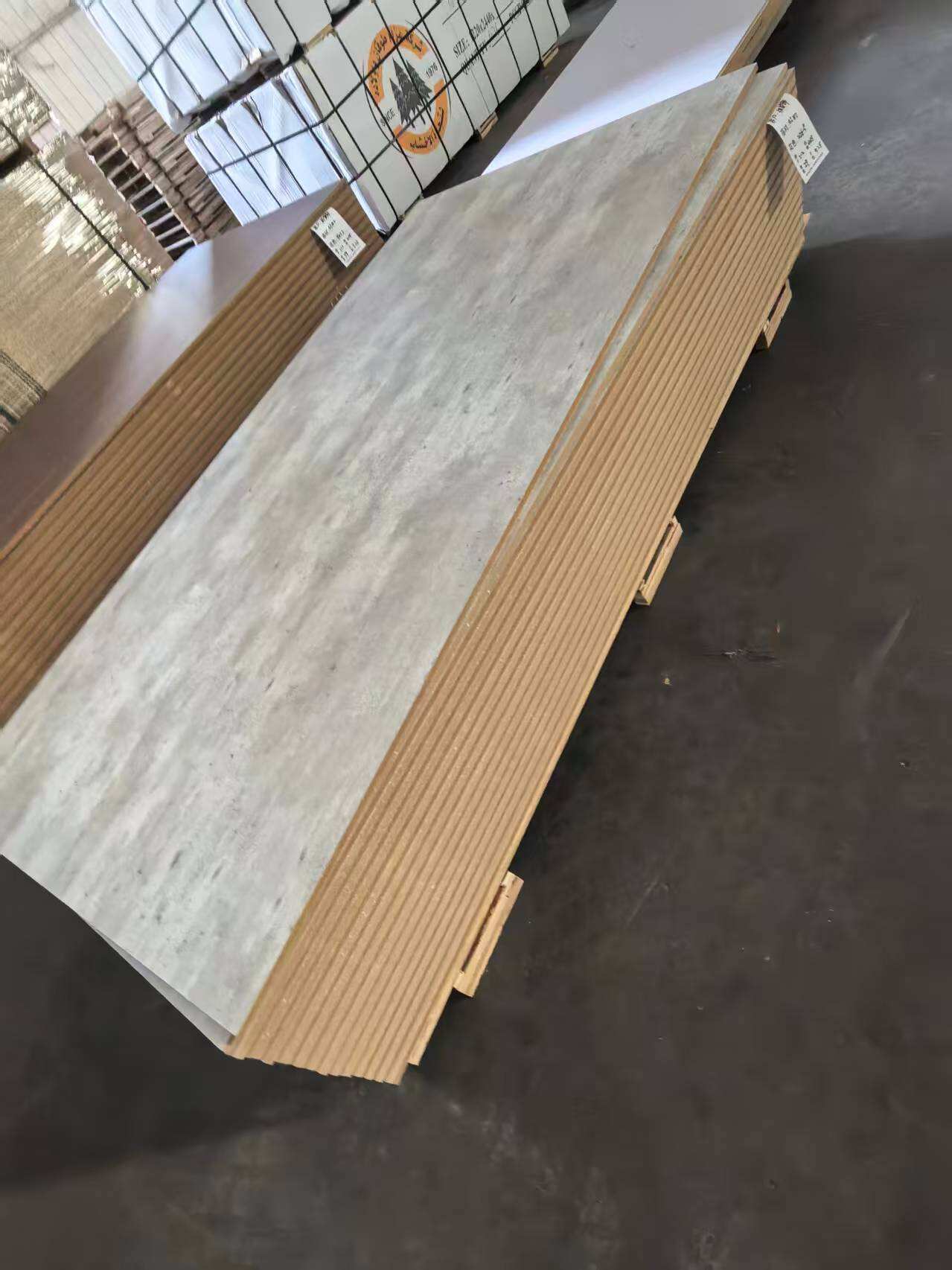
Walk through any modern home, office, or retail space and you will almost certainly encounter mdf material in some form — whether it is a sleek kitchen cabinet door, a built-in wardrobe panel, or a carefully routed decorative wall feature. Its presence in interior design has grown steadily over the past few decades, and today it sits at the center of how designers, contractors, and homeowners approach fitted furniture and interior finishing. Understanding why mdf material has earned this dominant position requires looking at the specific properties that make it so well suited to the demands of modern interior projects.
The popularity of mdf material in interior design is not a trend driven by marketing — it is a practical outcome rooted in performance, consistency, and cost efficiency. Designers choose it because it behaves predictably, accepts finishes beautifully, and can be manufactured to precise dimensions. Contractors value it because it is easy to work with using standard tools. Clients appreciate it because it delivers a high-quality visual result without the premium price tag of solid hardwood. Each of these factors reinforces the others, creating a compelling case for mdf material that spans residential, commercial, and hospitality interiors alike.
The Core Properties That Drive Adoption
Structural Uniformity and Dimensional Stability
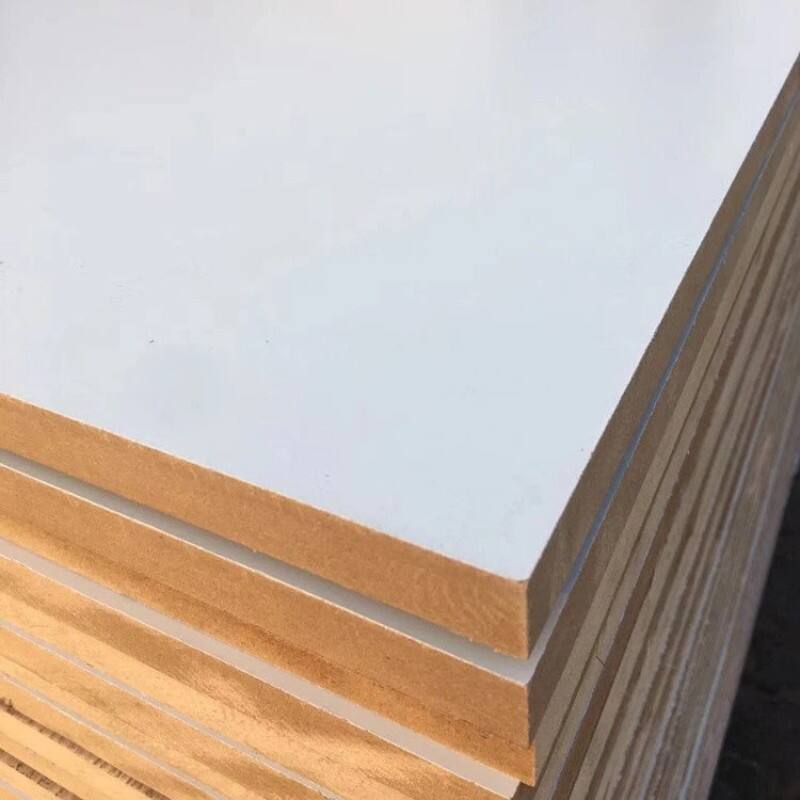
One of the most important reasons mdf material is favored in interior design is its structural uniformity. Unlike natural timber, which contains knots, grain variations, and inconsistencies that can affect how it cuts, paints, or holds fasteners, mdf material is engineered from fine wood fibers bonded under heat and pressure with resin. The result is a panel that is consistent from edge to edge and face to face, with no weak spots or directional grain to work around.
This uniformity translates directly into dimensional stability. When mdf material is used in a controlled interior environment, it resists the warping and cupping that can affect solid wood over time. For fitted furniture, wall paneling, and cabinetry where precise alignment matters, this stability is a significant practical advantage. Designers can specify tight tolerances knowing the material will hold its shape once installed.
The density of mdf material also contributes to its performance. Because the fibers are compressed uniformly throughout the panel, it holds screws and fasteners reliably across its entire surface, not just along the grain as with natural wood. This makes it easier to assemble furniture components and attach hardware without the risk of splitting or tear-out.
Surface Quality and Finish Compatibility
Interior design is as much about appearance as it is about structure, and mdf material excels in this area. Its surface is exceptionally smooth and free of the texture variations that characterize natural wood. This makes it an ideal substrate for paint, veneer, laminate, and melamine paper finishes. When painted, mdf material produces a flat, even result that is difficult to achieve on solid wood without extensive preparation.
The compatibility of mdf material with a wide range of surface treatments gives designers enormous creative flexibility. A single panel type can be finished to look like lacquered gloss, matte chalk paint, wood-grain veneer, or a solid-color laminate depending on the project requirements. This versatility means that mdf material can serve as the structural backbone of a design concept while the surface treatment delivers the aesthetic vision.
Melamine-faced mdf material, in particular, has become a staple in kitchen and wardrobe manufacturing. The melamine layer is bonded directly to the panel surface under pressure, creating a durable, moisture-resistant finish that is easy to clean and resistant to everyday wear. This combination of a stable core and a practical surface finish makes mdf material a logical choice for high-use interior applications.
Cost Efficiency Without Sacrificing Appearance
Accessible Pricing Relative to Solid Wood
Budget is a real constraint in most interior design projects, and mdf material offers a compelling value proposition. It is significantly less expensive than solid hardwood while delivering a comparable visual result when properly finished. For large-scale projects such as full kitchen fits, office fit-outs, or hotel room furniture programs, the cost difference between mdf material and solid wood can be substantial enough to determine whether a project is financially viable.
This cost efficiency does not come at the expense of appearance. Because mdf material accepts surface finishes so well, the end product can look indistinguishable from more expensive alternatives. A painted mdf material cabinet door finished in a high-gloss lacquer can achieve the same visual impact as a solid wood door at a fraction of the material cost. For clients who want a premium look within a realistic budget, mdf material is often the most practical path.
The manufacturing efficiency of mdf material also contributes to its affordability. Panels are produced in standard sizes and thicknesses, which simplifies procurement and reduces waste during fabrication. Workshops and factories that work with mdf material regularly can optimize their cutting plans to minimize offcuts, further reducing the effective cost per finished component.
Reduced Labor and Fabrication Complexity
Beyond raw material cost, mdf material reduces the labor intensity of interior fabrication. It cuts cleanly with standard woodworking tools, routes precisely for decorative profiles and edge details, and does not require the same level of preparation that natural wood demands before finishing. This means that skilled labor time is spent on design and assembly rather than on correcting material inconsistencies.
CNC routing is particularly effective with mdf material. The uniformity of the panel allows CNC machines to produce intricate decorative patterns, cabinet door profiles, and custom shapes with high repeatability and minimal tool wear. This has made mdf material the preferred substrate for routed decorative panels used in feature walls, headboards, and architectural millwork.
For interior designers working with fabricators on tight timelines, the predictability of mdf material is a practical asset. Because the material behaves consistently, fabricators can provide accurate lead times and quality assurances that are harder to guarantee with natural materials that vary from batch to batch.
Design Versatility Across Interior Applications
Cabinetry, Furniture, and Built-In Joinery
The range of interior applications where mdf material performs well is one of the clearest explanations for its popularity. In cabinetry, it is used for door fronts, carcass panels, shelving, and drawer components. Its smooth surface and dimensional stability make it ideal for the precise tolerances required in fitted kitchen and wardrobe systems. Designers can specify mdf material with confidence that the finished installation will align correctly and maintain its appearance over time.
In furniture manufacturing, mdf material is used for table tops, bed frames, side tables, and storage units. Its weight and density give furniture a solid, quality feel that lighter engineered boards cannot match. When wrapped in veneer or finished with a high-quality laminate, mdf material furniture is difficult to distinguish from solid wood construction at a visual level.
Built-in joinery — the custom shelving, alcove units, and fitted storage that define contemporary interior design — relies heavily on mdf material. Its ability to be cut to any dimension and finished on-site makes it the natural choice for bespoke joinery work where standard panel sizes need to be adapted to specific architectural conditions.
Decorative Wall Panels and Architectural Features
Beyond furniture and cabinetry, mdf material has become a key material in decorative interior applications. Routed wall panels featuring geometric patterns, fluted profiles, and textured surfaces are increasingly popular in residential and hospitality interiors, and mdf material is the substrate of choice for these applications. Its consistency allows routers and CNC machines to produce clean, sharp profiles that would be difficult to achieve in natural wood.
Skirting boards, architraves, and decorative moldings are also commonly produced from mdf material. These components benefit from the same surface smoothness that makes mdf material ideal for painted finishes. A painted mdf material molding will hold its finish longer and more evenly than a softwood equivalent, reducing the frequency of repainting and maintenance over the life of the interior.
The adaptability of mdf material to both structural and decorative roles within a single project simplifies procurement and ensures visual consistency. When the same material is used for cabinetry, wall panels, and moldings, the finished interior has a cohesive quality that is difficult to achieve when multiple different substrates are combined.
Practical Considerations for Interior Designers and Specifiers
Thickness Options and Panel Specifications
mdf material is available in a wide range of thicknesses, typically from 3mm up to 30mm or more, giving designers and fabricators the flexibility to select the right specification for each application. Thin mdf material panels are used for backing boards, drawer bottoms, and decorative overlays where weight and material cost need to be minimized. Thicker panels are used for structural components, shelving, and door fronts where rigidity and load-bearing capacity are required.
Standard panel dimensions allow for efficient cutting and minimal waste, but mdf material can also be ordered in custom sizes for large-scale projects where standard sheets would result in excessive offcuts. Understanding the available specifications and selecting the appropriate thickness for each component is an important part of working effectively with mdf material in a professional design context.
Moisture-resistant grades of mdf material are available for applications in kitchens, bathrooms, and other areas where humidity levels are higher than in standard living spaces. These grades use moisture-resistant resins and are typically identified by a green core color. Specifying the correct grade for the application is essential to ensuring long-term performance of mdf material in challenging interior environments.
Finishing and Edge Treatment Best Practices
While the face surfaces of mdf material are smooth and ready to finish, the edges require additional attention. The cut edges of mdf material are more porous than the faces and will absorb paint or primer unevenly if not properly sealed. Applying an edge sealer or a dedicated primer before painting ensures a smooth, consistent finish across both faces and edges.
Edge banding is another common treatment for mdf material in furniture and cabinetry applications. PVC, ABS, or veneer edge banding is applied to exposed edges to protect them from moisture and mechanical damage while also improving the visual finish. For high-quality furniture, matching the edge banding to the face finish of the mdf material panel creates a seamless appearance that elevates the overall quality of the piece.
Understanding these finishing requirements is part of working professionally with mdf material. Designers who specify it correctly and communicate the finishing requirements clearly to their fabricators will consistently achieve results that reflect the material's full potential. When handled with care, mdf material delivers a finish quality that justifies its central role in contemporary interior design.
FAQ
Is mdf material suitable for use in kitchens and bathrooms?
Standard mdf material is not recommended for areas with high moisture exposure, but moisture-resistant grades are specifically engineered for use in kitchens and bathrooms. These grades use resins that resist swelling and degradation in humid conditions. When properly finished with a sealed surface and appropriate edge treatment, moisture-resistant mdf material performs reliably in these environments.
How does mdf material compare to plywood for interior furniture?
mdf material and plywood each have strengths suited to different applications. mdf material offers a smoother surface, better paint adhesion, and more consistent density, making it preferable for painted furniture and decorative applications. Plywood offers greater structural strength and better resistance to moisture in its core, making it more suitable for structural components and applications where weight-bearing capacity is critical. Many professional fabricators use both materials within the same project, selecting each where its properties are most advantageous.
Can mdf material be used for exterior applications?
Standard mdf material is not suitable for exterior use because it is vulnerable to moisture absorption, swelling, and structural degradation when exposed to the elements. Even moisture-resistant grades are designed for interior environments with elevated humidity rather than direct outdoor exposure. For exterior applications, other engineered wood products or treated solid timber are more appropriate choices.
What thickness of mdf material is most commonly used in interior cabinetry?
In interior cabinetry, 18mm mdf material is the most widely used thickness for carcass panels, shelving, and door fronts. This thickness provides a good balance of rigidity, weight, and material cost for standard cabinet dimensions. Thinner panels such as 12mm or 15mm are used for backing boards and lighter-duty components, while 25mm or 30mm panels may be specified for heavy-duty shelving or worktop substrates where additional strength is required.