 EN
EN

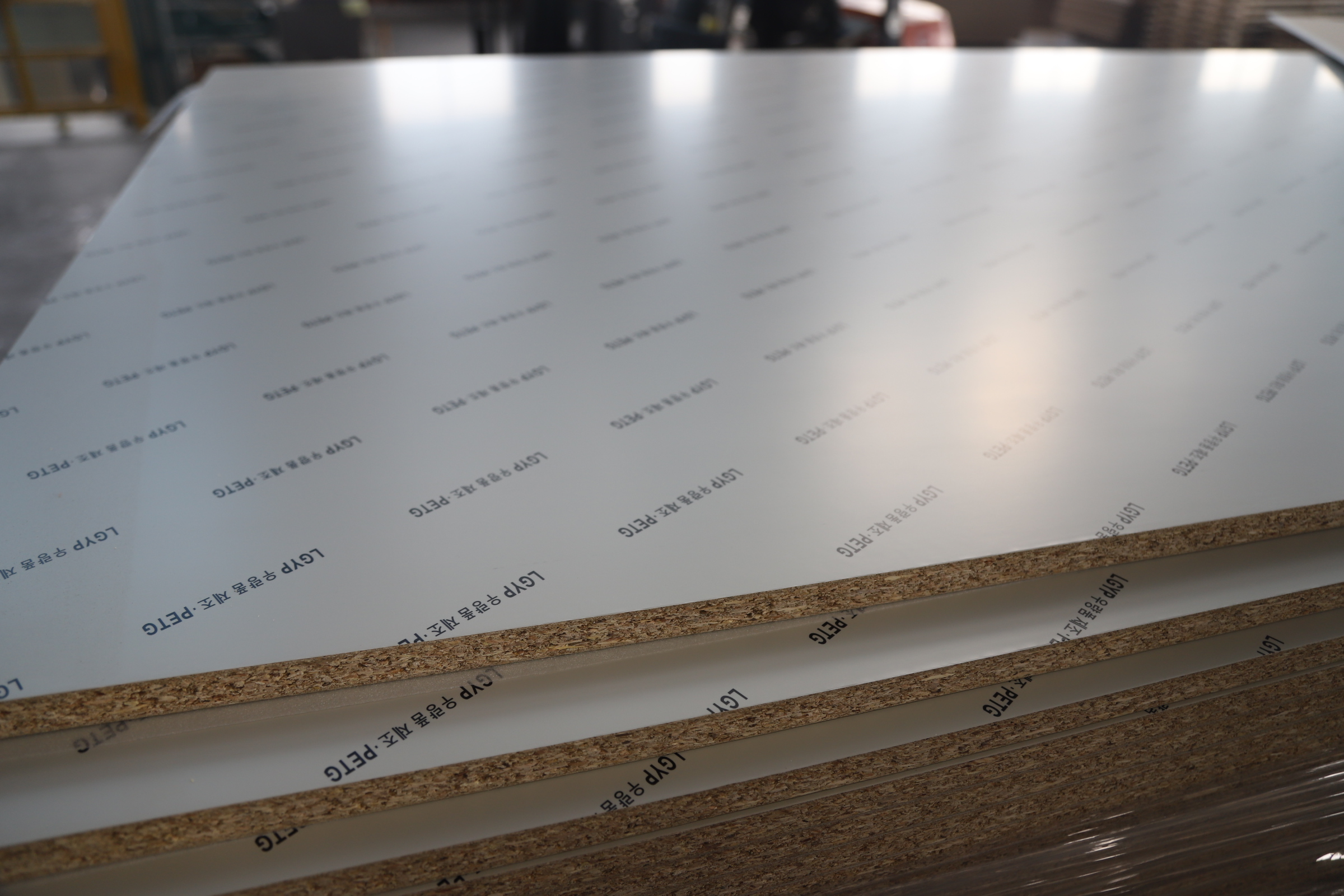
When designing furniture, cabinetry, or packaging solutions for humid environments, material selection becomes a critical factor in ensuring long-term durability and performance. PET chipboard has emerged as a popular choice in industrial applications, but many specifiers and manufacturers question whether it truly maintains structural integrity when exposed to high humidity, moisture, and temperature fluctuations. Understanding how PET chipboard responds to humidity is essential for making informed decisions about material suitability, application scenarios, and cost-benefit analysis in climate-sensitive markets.
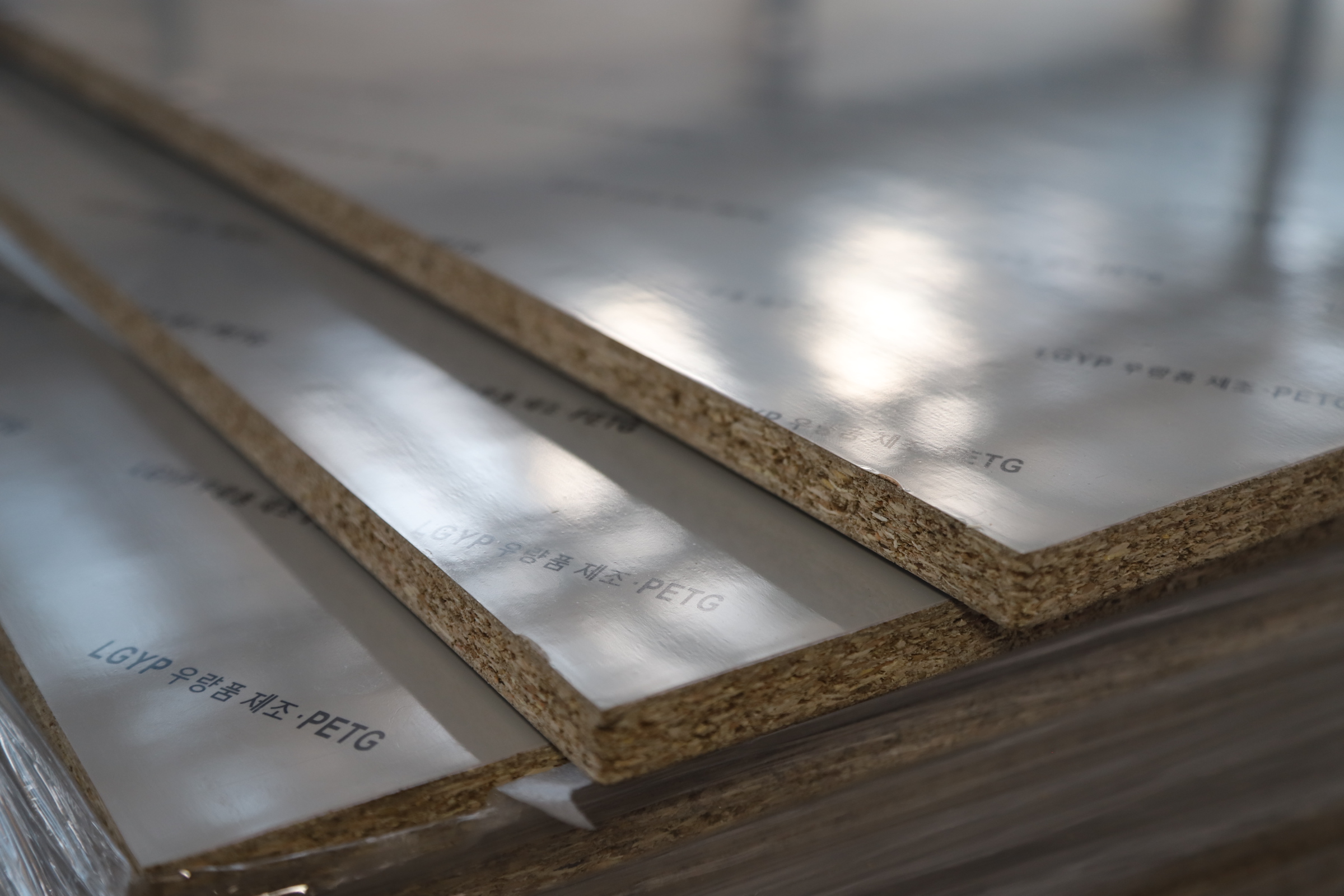
PET chipboard represents a composite material engineered to balance strength, moisture resistance, and cost-effectiveness across diverse industrial sectors. The material's performance in humid conditions depends on its core composition, surface treatments, and the specific humidity levels experienced in deployment environments. This article explores the stability characteristics of PET chipboard in humid climates, examines the mechanisms that influence its durability, and provides practical guidance for selecting and maintaining this material in moisture-prone applications.
Understanding PET Chipboard Composition and Moisture Behavior
Core Structure and Material Properties
PET chipboard combines polyethylene terephthalate film layers with a particulate core to create a rigid, lightweight composite. The PET film exterior provides a protective barrier against moisture penetration, while the internal chipboard structure offers dimensional stability and load-bearing capacity. The effectiveness of PET chipboard in humid conditions hinges on how well the outer PET layers seal the porous interior materials from atmospheric moisture absorption. Traditional chipboard without PET facing tends to swell and delaminate when exposed to sustained humidity, but PET chipboard's engineered construction mitigates these failure modes through material selection and bonding chemistry.
Moisture Absorption Mechanisms
Unlike uncoated chipboard, which readily absorbs moisture through exposed edges and surfaces, PET chipboard resists moisture ingress through its continuous thermoplastic film layer. However, moisture exposure still affects PET chipboard performance at vulnerable points: cut edges, fastener holes, and areas where the PET facing may be damaged or worn. The degree of moisture absorption in PET chipboard depends on relative humidity levels, duration of exposure, and temperature cycling patterns that can cause micro-cracking in the surface coating. In tropical or coastal environments where humidity routinely exceeds 80%, even well-sealed PET chipboard requires protective edge sealing and careful installation practices to maintain long-term stability.
Performance Testing and Stability Data for PET Chipboard
Environmental Stress Testing Results
Independent testing of PET chipboard under accelerated humidity conditions shows that the material maintains dimensional stability superior to standard particleboard when humidity ranges between 45 and 75 percent relative humidity. In these moderate-to-high humidity environments, PET chipboard typically exhibits less than 2% thickness swelling over extended periods, compared to 5 to 8% swelling in uncoated chipboard under identical conditions. However, when exposed to extreme humidity cycles (alternating between 30 and 90 percent relative humidity multiple times daily), even quality PET chipboard can experience edge swelling, warping, and potential delamination if edge protection is inadequate. The stability of PET chipboard improves significantly when combined with proper ventilation, climate control, and protective edge banding treatments that seal vulnerable surfaces.
Long-Term Durability in Real-World Applications
Field performance data from kitchen cabinet manufacturers, hospitality environments, and coastal commercial installations demonstrate that PET chipboard delivers reliable durability in humid conditions when properly specified and installed. Cabinets manufactured with PET chipboard have maintained acceptable dimensional stability in high-humidity commercial kitchens and bathroom installations over 8 to 12 year service periods. The key factor differentiating successful PET chipboard deployments from failures has been edge sealing quality and initial material selection, particularly whether the PET chipboard included formaldehyde-free bonding and premium UV-resistant film technology. In environments where indoor humidity is controlled between 40 and 60 percent relative humidity, PET chipboard performs exceptionally well with minimal maintenance requirements. Facilities that allow humidity to spike above 75 percent relative humidity regularly experience measurable dimensional changes and potential structural compromise in PET chipboard components.
Best Practices for Protecting PET Chipboard in Humid Environments
Edge Sealing and Surface Protection Strategies
Maximizing the stability of PET chipboard in humid conditions requires comprehensive edge protection protocols that prevent moisture from entering through cut surfaces and fastener penetrations. High-quality edge banding materials, including PVC-based or polyurethane sealants, should be applied to all exposed edges of PET chipboard components during manufacturing, with particular attention to drawer sides, shelf edges, and panel cuts. The selection of edge banding material should match the overall humidity resistance profile of the PET chipboard itself; using low-grade edge sealing on premium PET chipboard undermines the material's moisture-resistant properties. Additionally, all fastener holes and pocket holes in PET chipboard should be sealed with wood filler or edge-sealing compounds before assembly, ensuring that moisture cannot migrate inward through mechanical openings. For applications in extreme humidity environments, some manufacturers apply a secondary protective topcoat or edge treatment to further enhance the moisture resistance characteristics of PET chipboard.
Installation and Environmental Control Recommendations
Proper installation and ongoing environmental management dramatically improve the long-term stability of PET chipboard in humid climates. Cabinets and furniture made from PET chipboard should include ventilation gaps that allow air circulation behind and beneath components, reducing localized humidity pockets that accelerate moisture absorption. In facilities with naturally high humidity, installing dehumidification equipment or ensuring adequate air handling system capacity helps maintain relative humidity below 60 percent, which is ideal for optimal PET chipboard performance. During transportation and storage before installation, PET chipboard components should be protected from direct moisture exposure and kept in climate-controlled environments, as pre-installation moisture absorption reduces the material's ability to absorb additional moisture during service. Regular maintenance inspections of PET chipboard installations in humid environments should focus on edge condition assessment, fastener tightness verification, and early detection of any warping or dimensional changes that may indicate moisture ingress. When PET chipboard components begin showing signs of stress in high-humidity settings, intervention with additional edge sealing or localized environmental controls can often prevent escalation to complete failure.
FAQ
Can PET chipboard withstand constant exposure to high humidity above 80 percent relative humidity?
PET chipboard can tolerate occasional exposure to humidity above 80 percent relative humidity, but constant exposure in this range accelerates moisture absorption at edges and vulnerable points, potentially causing swelling, warping, and delamination within 2 to 5 years. If your application requires PET chipboard to function reliably in extremely humid conditions above 80 percent relative humidity, supplementary protective measures such as enhanced edge sealing, periodic dehumidification, or selection of marine-grade composite materials may be more appropriate than standard PET chipboard alone.
How does PET chipboard compare to plywood in humid environments?
PET chipboard typically outperforms standard plywood in humid conditions due to its continuous thermoplastic film barrier and engineered moisture resistance. However, high-grade marine plywood with appropriate sealants may offer superior long-term performance in extreme humidity environments where cost is less of a constraint. The choice between PET chipboard and plywood depends on specific humidity levels, application type, maintenance resources, and budget considerations in your particular project context.
What is the ideal humidity range for PET chipboard furniture and cabinetry?
The optimal humidity range for PET chipboard applications is 40 to 60 percent relative humidity, where the material maintains excellent dimensional stability and longevity with minimal maintenance. While PET chipboard can tolerate humidity fluctuations between 30 and 75 percent relative humidity without significant degradation, maintaining conditions close to this ideal range extends service life and ensures consistent performance throughout the material's useful life in residential and commercial settings.