 EN
EN

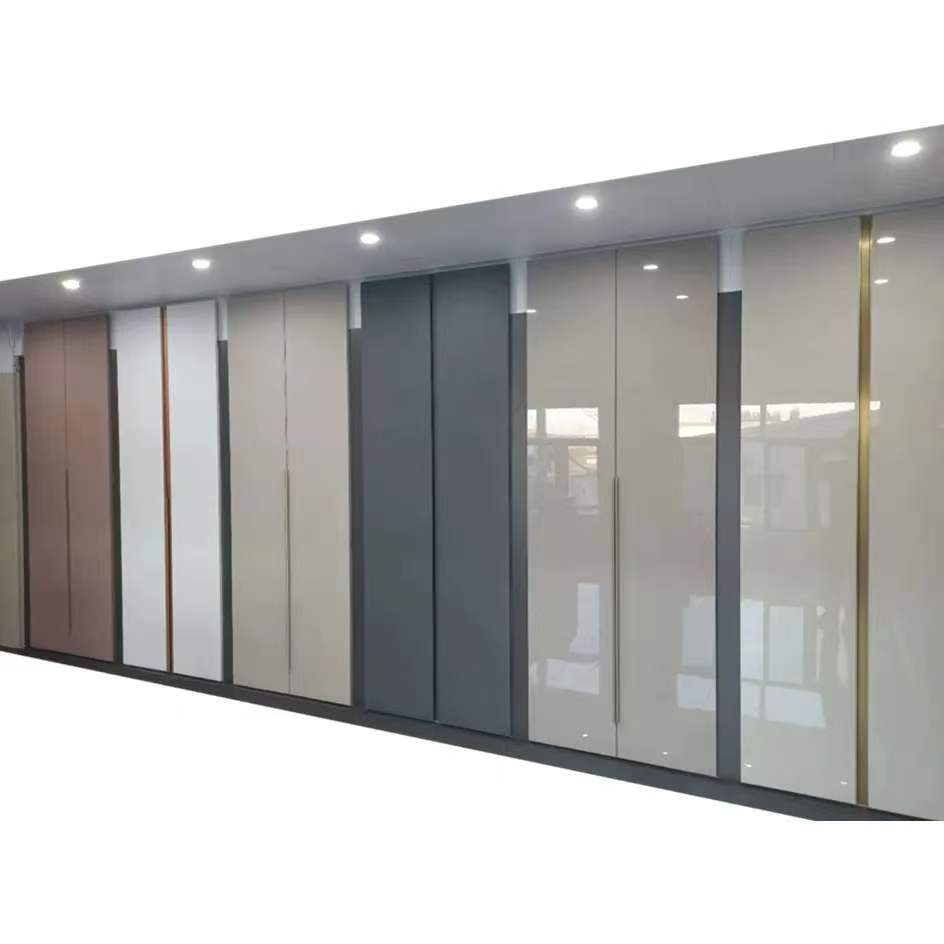
Selecting the right materials is one of the most critical decisions contractors face in cabinet and furniture manufacturing. When evaluating options for your projects, pet chipboard has become a popular choice due to its durability, aesthetic appeal, and cost-effectiveness. However, not all pet chipboard products are created equal, and understanding what to check before purchase can save time, money, and project delays. Contractors must develop a systematic inspection approach to ensure that pet chipboard meets both functional requirements and quality standards for specific applications.
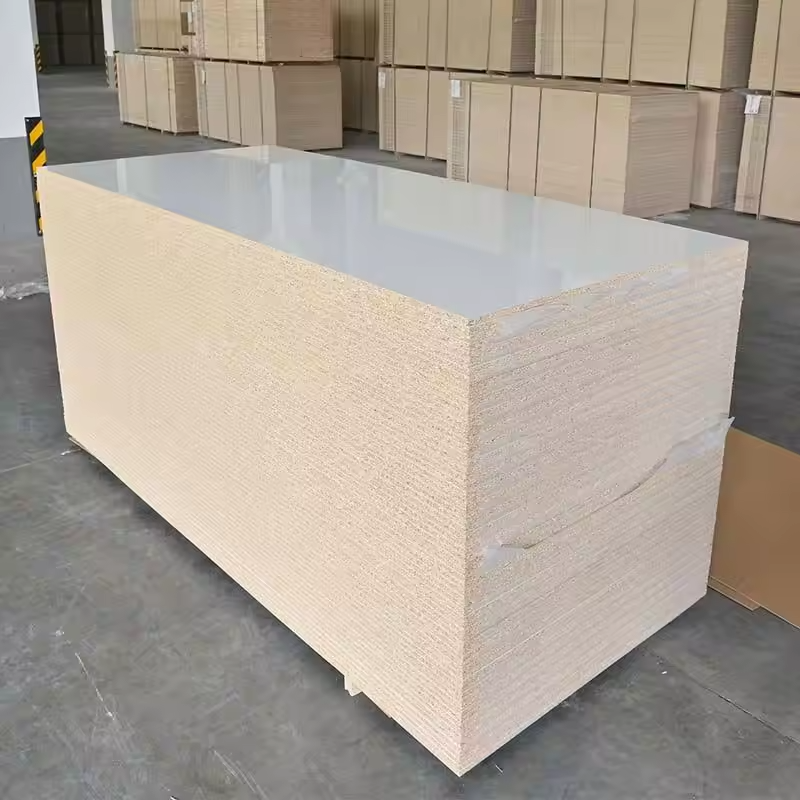
The process of evaluating pet chipboard requires attention to multiple factors that directly impact project outcomes. From surface finish quality to structural integrity, each element contributes to the overall performance of your finished cabinetry. Understanding these checkpoints transforms a generic purchasing decision into an informed, strategic choice that reflects your commitment to quality and client satisfaction.
Surface Finish and Aesthetic Quality
Visual Inspection of PET Chipboard Surface
The surface of pet chipboard is your first point of evaluation. High-gloss and matte finishes present different visual characteristics, and contractors must assess whether the finish matches design specifications. Run your hand across the pet chipboard surface to detect inconsistencies, bubbling, or waviness. Check for scratches, dents, or discoloration under different lighting conditions. Quality pet chipboard should display uniform color distribution with no visible defects. Look closely at edges and corners, where surface damage is common during transport and storage. The finish should feel smooth and consistent, with no rough patches or texture irregularities that could compromise the final appearance of cabinets.
Consistency Across Multiple Sheets
When ordering pet chipboard in bulk, consistency becomes paramount. Compare surface finishes across several sheets from the same batch to verify color matching and finish uniformity. Inconsistent pet chipboard batches create visible mismatches in completed cabinetry that clients will immediately notice. Check that gloss levels, if applicable, remain constant across all sheets. Slight variations in shade or sheen can occur naturally, but extreme variations indicate quality control issues with the supplier's production process. Document any notable differences and communicate them to the supplier before accepting delivery of pet chipboard materials.
Durability and Chemical Resistance
Scratch and Impact Resistance Testing
Durability testing of pet chipboard reveals how well materials withstand daily use and handling. Perform a simple scratch resistance test using a standardized tool or your fingernail to assess the hardness of the surface coating. Properly formulated pet chipboard should resist light scratching without revealing the underlying core material. Ask suppliers for scratch resistance ratings or certifications that validate their pet chipboard performance claims. Kitchen environments subject cabinets to frequent contact, spills, and impact, making scratch resistance a practical concern. Impact resistance testing, though less common in field inspections, can be simulated by carefully striking the pet chipboard surface and observing whether cracks, chips, or permanent indentations result. Materials that fail these tests will likely disappoint clients within months of installation.
Moisture and Chemical Stability
Kitchen cabinets require pet chipboard materials that resist moisture damage and common household chemicals. Exposure to water, cleaning agents, and food-based spills is inevitable in kitchen environments. Check whether the pet chipboard you source includes moisture-resistant treatments or formulations. Some suppliers offer formaldehyde-free pet chipboard options that also provide enhanced chemical stability. Place a small water droplet on the pet chipboard surface and observe how long it takes to absorb or bead up. Quality pet chipboard should bead up and resist immediate absorption, indicating effective surface protection. Ask suppliers for material data sheets that document chemical resistance ratings for common household substances and cleaning products.
Dimensional Stability and Structural Integrity
Thickness Uniformity and Flatness
Dimensional accuracy directly affects how pet chipboard fits into cabinet assemblies and door frames. Measure thickness at multiple points across each sheet using a precise thickness gauge, recording variations to identify problem areas. pet chipboard that warps or exhibits thickness variation will create alignment issues during assembly and cause visible gaps in finished cabinetry. Lay sheets flat on a level surface and observe whether they remain completely flat or show signs of cupping, bowing, or twisting. Proper storage and handling should preserve pet chipboard flatness, but manufacturing defects sometimes cause inherent warping. Check edge quality for chipping, splintering, or irregular cuts that might affect assembly quality or require additional processing time to correct.
Particle Distribution and Core Integrity
The internal structure of pet chipboard determines its strength and longevity. While you cannot inspect the core directly without cutting samples, requesting cross-section samples from suppliers allows visual assessment of particle distribution and density. Uniform, tightly bonded particles indicate quality manufacturing processes. Voids, gaps, or loosely bound areas within pet chipboard cores reduce structural strength and increase water absorption rates. Ask suppliers about their manufacturing standards and whether they conduct internal quality testing for pet chipboard density and particle distribution. When drilling or machining pet chipboard, the cut edges reveal core quality directly; observe whether the core appears dense and well-integrated or shows separation and deterioration at the edges.
Environmental and Safety Certifications
Formaldehyde Emissions and Health Standards
Health considerations increasingly influence material selection for residential projects. Formaldehyde-free pet chipboard options are available and offer significant advantages for indoor air quality. Check certification documents to confirm that pet chipboard meets low-emission standards such as E1, E0, or formaldehyde-free certifications. These standards indicate that pet chipboard releases minimal harmful gases after installation. Request material safety data sheets from suppliers to verify environmental safety claims about their pet chipboard products. Clients increasingly request low-emission materials, so sourcing certified formaldehyde-free pet chipboard enhances your competitive positioning and demonstrates commitment to healthy home environments.
Certifications and Compliance Documentation
Reputable suppliers provide comprehensive documentation proving that their pet chipboard meets relevant industry standards and regulatory requirements. Request copies of third-party testing certificates, environmental compliance documents, and quality assurance reports. Verify that pet chipboard meets standards applicable to your target markets and customer requirements. Certifications demonstrate that suppliers maintain rigorous quality control processes throughout pet chipboard manufacturing. Documentation also protects you legally if client disputes arise regarding material quality or performance. File certification papers with project records for future reference and warranty claims related to pet chipboard material performance issues.
FAQ
How can contractors identify defective pet chipboard before installation?
Contractors should conduct visual inspections for surface defects, measure thickness uniformity, test flatness with level surfaces, and verify finish consistency across multiple sheets. Performing scratch and moisture resistance tests on representative samples reveals potential durability issues before materials are incorporated into assemblies. Requesting cross-section samples from suppliers allows assessment of core particle distribution and density, which correlate directly with structural performance and moisture resistance of pet chipboard materials.
What certifications should pet chipboard suppliers provide?
Suppliers should provide formaldehyde emission certifications such as E1 or E0 standards, along with third-party testing documentation confirming environmental safety and structural compliance. Quality assurance certifications and material safety data sheets demonstrate manufacturing oversight and regulatory adherence. Contractors should request these documents before committing to pet chipboard orders and maintain copies for warranty and liability purposes throughout project lifecycles and beyond.
Why does surface finish consistency matter across pet chipboard sheets?
Inconsistent surface finishes create visible color and sheen mismatches in completed cabinetry that clients immediately notice and may dispute. Comparing multiple sheets from the same batch reveals potential quality control problems and allows contractors to address supplier issues proactively rather than discovering problems after installation. Uniform pet chipboard finishes ensure professional appearance and client satisfaction with final cabinet aesthetics and overall project quality outcomes.