Premium Thin Furniture Grade Plywood - Lightweight, Durable Wood Panels for Professional Woodworking

Get a Free Quote

Our representative will contact you soon.
Email
Mobile/WhatsApp
Name
Company Name
Message
0/1000

thin furniture grade plywood

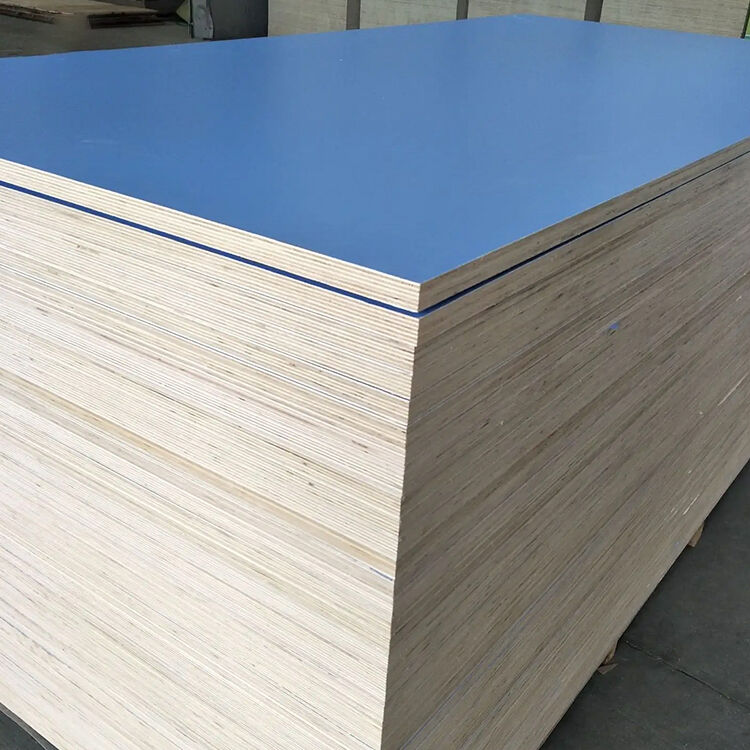
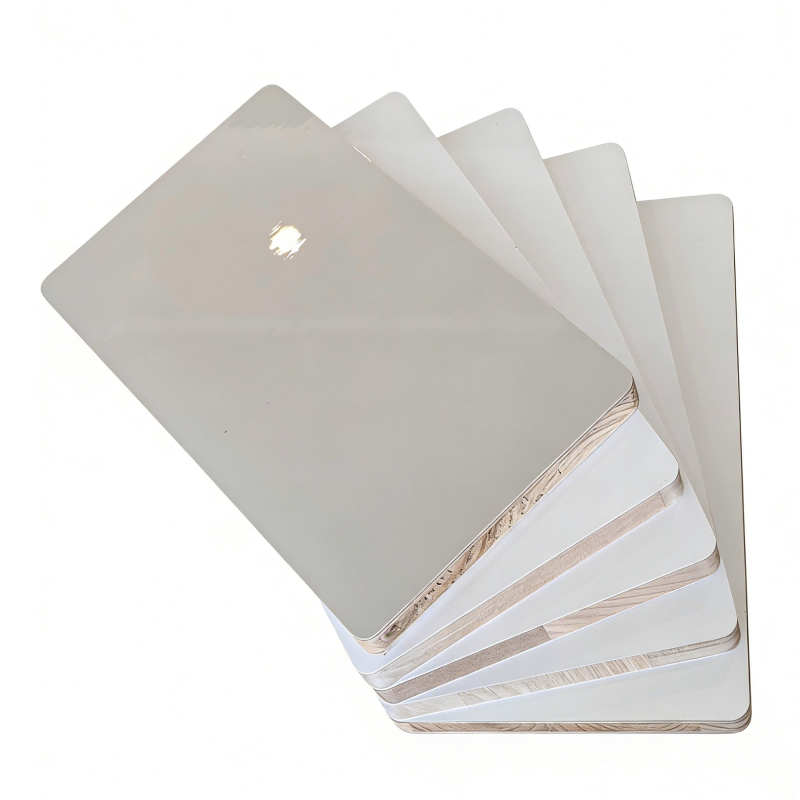
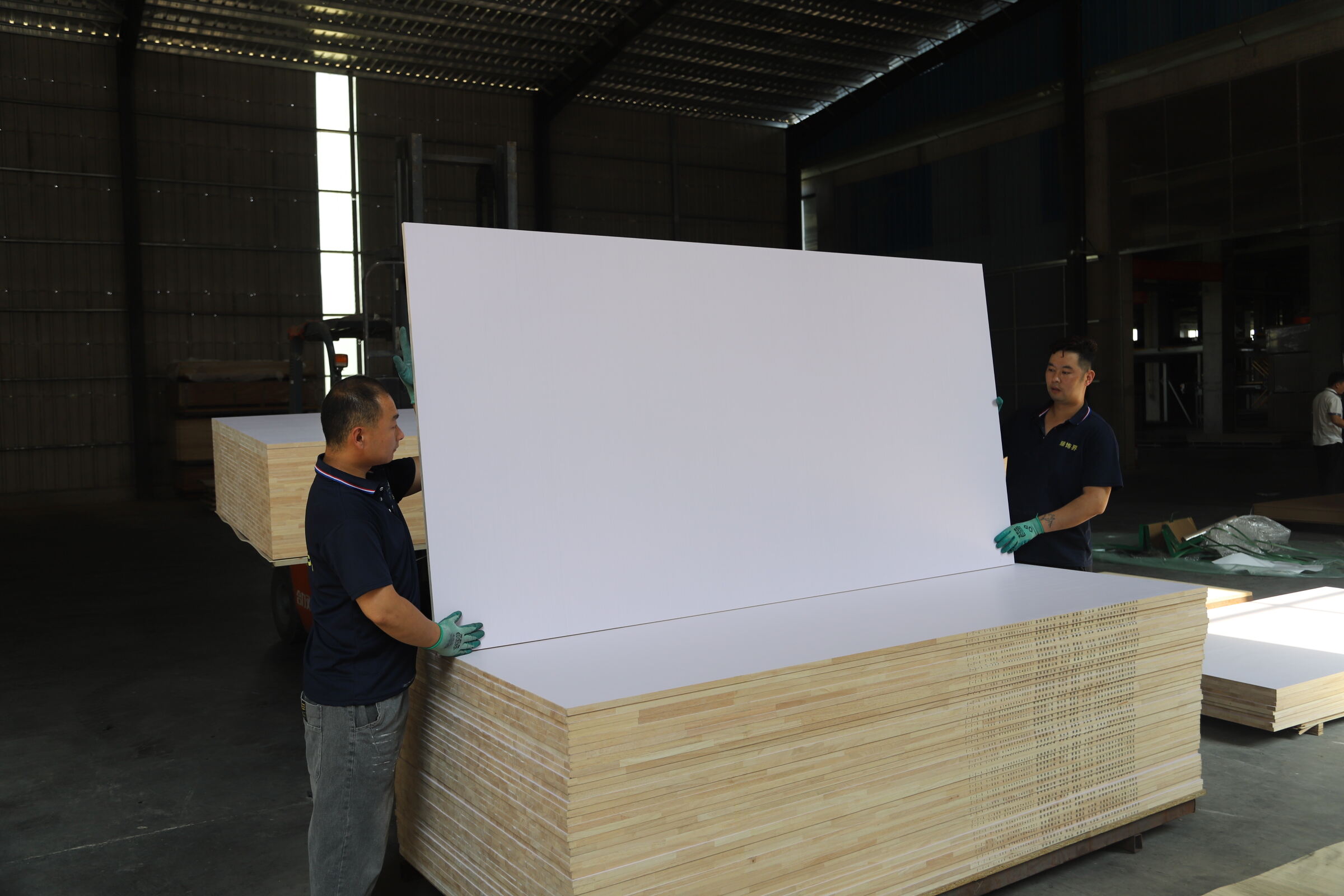
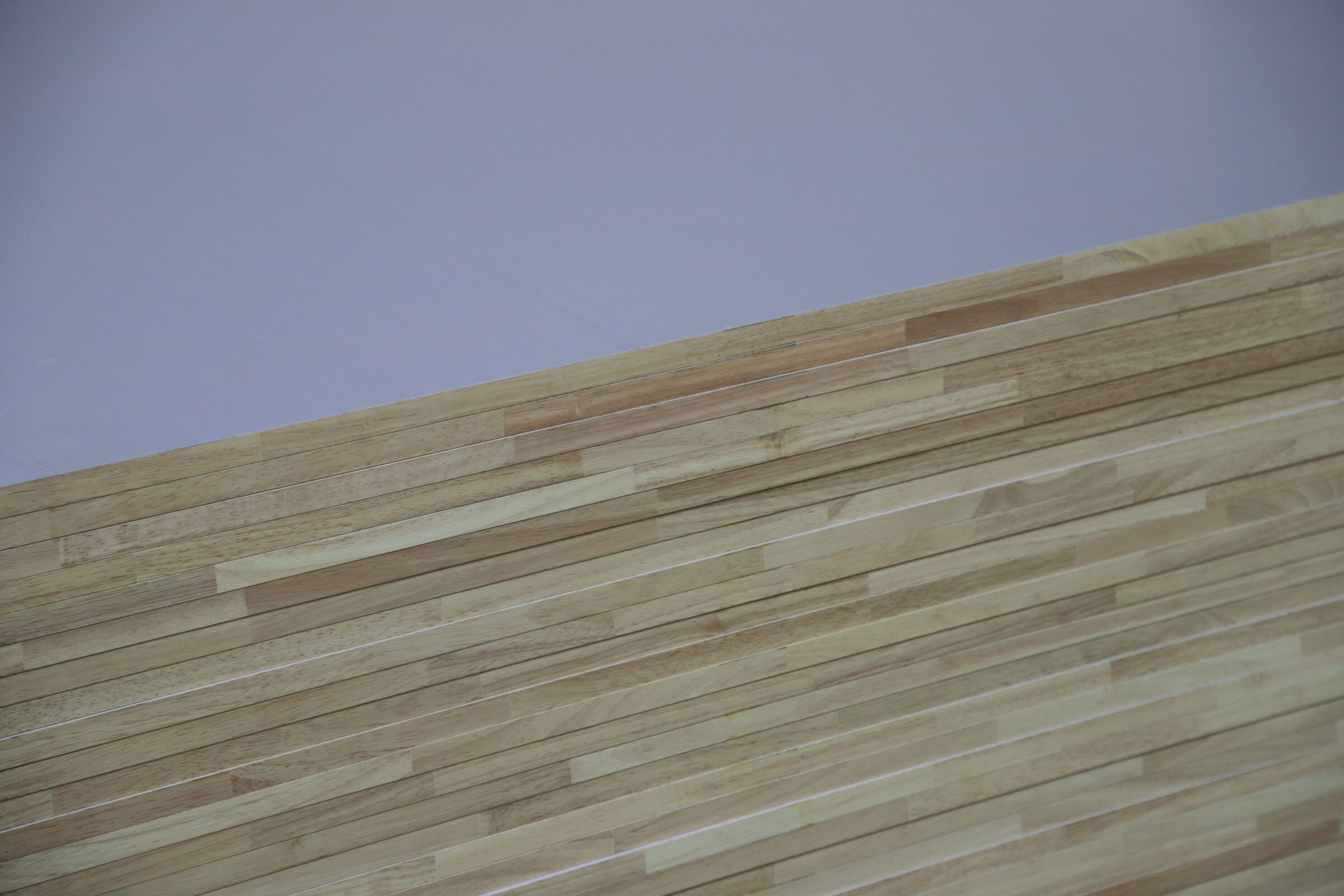
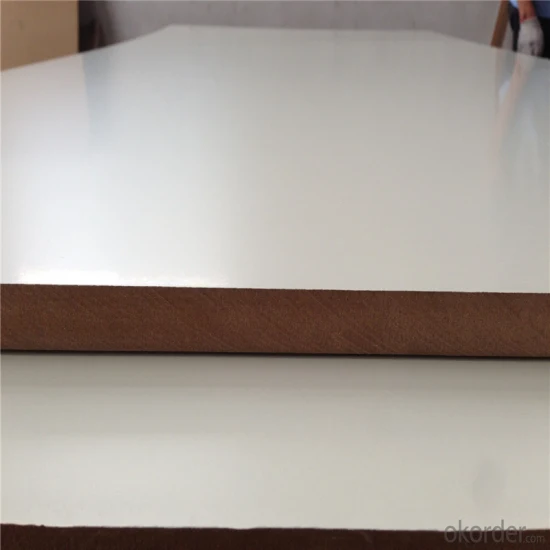
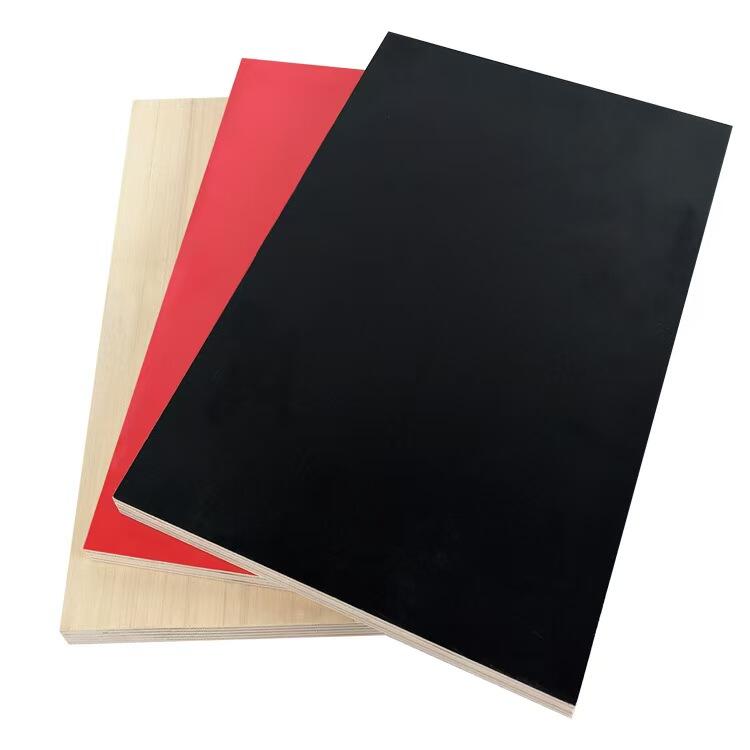
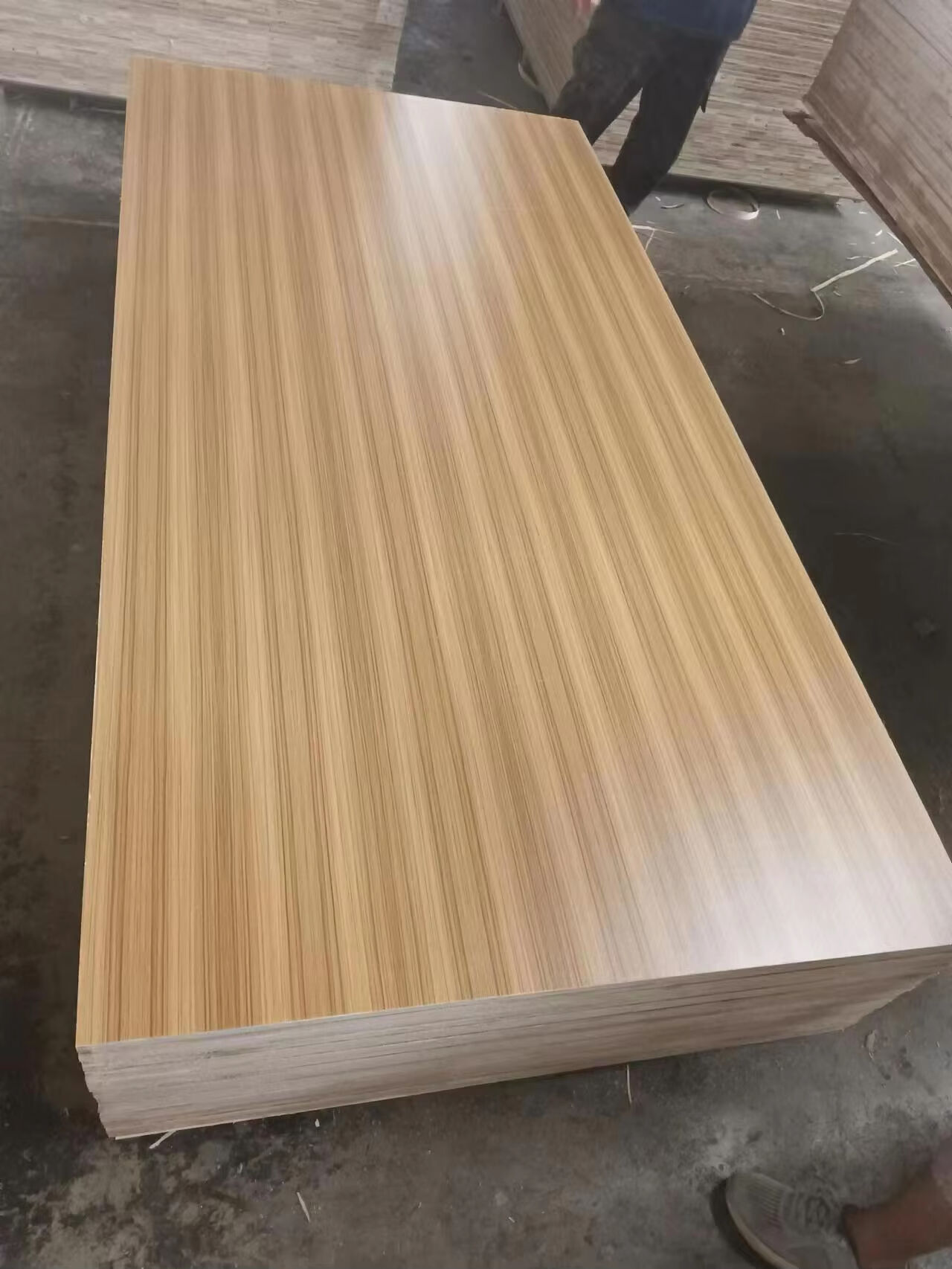
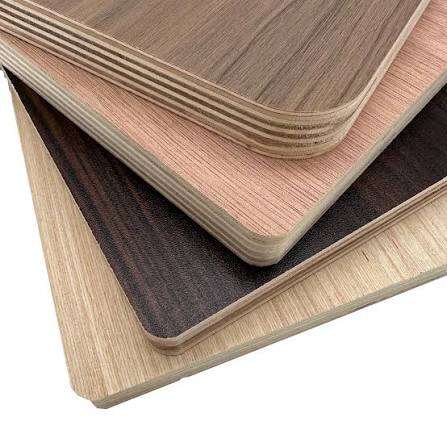
Thin furniture grade plywood represents a revolutionary advancement in wood engineering, delivering exceptional performance while maintaining minimal thickness profiles. This specialized plywood variant combines multiple layers of high-quality wood veneers through advanced bonding processes, creating a material that exceeds traditional lumber capabilities. The manufacturing process involves carefully selected hardwood and softwood species, meticulously arranged with alternating grain directions to maximize strength and dimensional stability. Modern production techniques utilize environmentally conscious adhesives and precision-controlled pressing systems, ensuring consistent quality throughout each panel. The technological features of thin furniture grade plywood include superior screw-holding capacity, reduced warping tendencies, and enhanced surface smoothness that accepts various finishing treatments seamlessly. These panels typically range from 3mm to 12mm in thickness, making them ideal for applications requiring lightweight yet durable materials. The cross-grain construction methodology significantly reduces expansion and contraction rates compared to solid wood alternatives, providing long-term structural integrity in diverse environmental conditions. Advanced moisture resistance treatments incorporated during manufacturing protect against humidity fluctuations and minor water exposure. The surface quality meets stringent furniture industry standards, featuring minimal voids, consistent color matching, and smooth textures that require minimal preparation before finishing. Applications span across furniture manufacturing, cabinetry construction, architectural millwork, decorative paneling, and specialty woodworking projects. Furniture makers particularly value thin furniture grade plywood for drawer bottoms, cabinet backs, shelving systems, and curved components where traditional lumber would prove impractical. The material excels in situations demanding precise tolerances, consistent thickness, and reliable performance characteristics. Modern thin furniture grade plywood often incorporates sustainable forestry practices, utilizing fast-growing species and efficient manufacturing processes that minimize waste generation while maximizing resource utilization throughout the production cycle.

New Products

Thin furniture grade plywood delivers remarkable advantages that transform woodworking projects and manufacturing processes. The lightweight nature of this material significantly reduces shipping costs and handling complexity while maintaining structural integrity that surpasses many heavier alternatives. Professional woodworkers appreciate how thin furniture grade plywood cuts cleanly with standard tools, producing smooth edges that require minimal finishing work. The consistent thickness tolerances eliminate time-consuming material preparation steps, allowing craftsmen to focus on design and assembly rather than material correction. Cost effectiveness represents another major advantage, as thin furniture grade plywood maximizes coverage area per dollar spent while delivering premium performance characteristics. The material works exceptionally well with modern adhesives and mechanical fasteners, creating joints that maintain strength over extended periods. Surface quality advantages include superior paint and stain acceptance, eliminating the blotchy appearance often associated with solid wood species. The engineered construction prevents splitting along grain lines, making it ideal for applications requiring precise drilling or routing operations. Thin furniture grade plywood offers enhanced stability compared to traditional lumber, maintaining dimensional accuracy even in challenging environmental conditions. Manufacturing efficiency improves dramatically when using this material, as standardized dimensions and consistent properties streamline production workflows. The reduced material waste translates directly into cost savings for both professional manufacturers and hobbyist woodworkers. Storage advantages include space efficiency and reduced inventory management complexity, as thin furniture grade plywood stacks compactly and remains stable during long-term storage periods. The material accepts various surface treatments including veneering, laminating, and texturing processes, expanding design possibilities beyond traditional wood limitations. Quality control benefits emerge from the consistent manufacturing standards applied to thin furniture grade plywood, reducing project variability and ensuring predictable outcomes. Environmental advantages include efficient resource utilization and reduced carbon footprint compared to solid wood alternatives of equivalent strength. The versatility of thin furniture grade plywood enables creative solutions for complex design challenges, particularly in modern furniture where sleek profiles and clean lines are essential aesthetic elements.

Practical Tips

What Are The Main Advantages Of Using Particleboard?

01

Mar

What Are The Main Advantages Of Using Particleboard?

Particleboard has emerged as one of the most versatile and cost-effective engineered wood products in modern construction and furniture manufacturing. This composite material, made from wood chips, sawmill shavings, and synthetic resin binders, offer...
View More
How Durable Is Particleboard For Interior Applications?

03

Mar

How Durable Is Particleboard For Interior Applications?

When selecting materials for interior applications, understanding the durability characteristics of particleboard becomes essential for making informed decisions. This engineered wood product has gained significant popularity in residential and comme...
View More
Is Particleboard Suitable For Commercial Fit-Out Works?

13

Mar

Is Particleboard Suitable For Commercial Fit-Out Works?

Commercial fit-out projects demand materials that balance cost-effectiveness, durability, and aesthetic appeal. Particleboard has emerged as a versatile solution for various commercial applications, offering contractors and designers a reliable engin...
View More
What Is Pet Board And Why Is It Eco-Friendly?

03

Apr

What Is Pet Board And Why Is It Eco-Friendly?

Modern furniture manufacturing increasingly demands materials that combine durability, aesthetics, and environmental responsibility. Pet board has emerged as a revolutionary solution that addresses these requirements while offering superior performan...
View More

Get a Free Quote

Our representative will contact you soon.
Email
Mobile/WhatsApp
Name
Company Name
Message
0/1000

thin furniture grade plywood

Superior Strength-to-Weight Ratio Engineering

Superior Strength-to-Weight Ratio Engineering

Thin furniture grade plywood achieves an exceptional strength-to-weight ratio through advanced manufacturing techniques that optimize fiber orientation and adhesive distribution throughout each panel. The cross-grain lamination process creates a composite structure where individual wood layers complement each other, distributing stress loads more effectively than solid wood alternatives. This engineering approach results in panels that resist bending, twisting, and impact forces while maintaining significantly lower weight profiles. The strength characteristics derive from carefully controlled veneer selection processes where each layer undergoes quality assessment to ensure consistent density and fiber orientation. Modern adhesive systems create molecular bonds between layers that often prove stronger than the wood fibers themselves, preventing delamination under normal use conditions. Testing protocols demonstrate that thin furniture grade plywood maintains structural integrity under loads that would cause solid wood of similar thickness to fail catastrophically. The weight reduction benefits extend beyond material handling convenience, enabling furniture designs that would be impractical with traditional lumber due to weight constraints. Shipping and transportation advantages multiply throughout the supply chain, as lighter materials reduce fuel consumption and handling equipment requirements. Professional furniture manufacturers rely on this strength-to-weight advantage to create products that meet safety standards while achieving competitive pricing in weight-sensitive markets. The engineering principles behind thin furniture grade plywood incorporate decades of research into wood composite behavior, utilizing computer modeling to optimize layer configurations for specific applications. Quality assurance procedures verify that each production batch meets established strength parameters through standardized testing methods. The resulting material exhibits predictable performance characteristics that enable precise engineering calculations in furniture design applications.
Exceptional Surface Quality and Workability

Exceptional Surface Quality and Workability

Thin furniture grade plywood features meticulously engineered surface characteristics that eliminate many challenges associated with traditional lumber processing and finishing. The manufacturing process includes surface preparation steps that create uniform texture and density across the entire panel area, reducing the need for extensive sanding or surface conditioning before finishing operations. Quality control measures ensure that surface defects such as knots, voids, or grain irregularities remain within strict tolerances that meet furniture industry standards. The consistent surface properties enable predictable finishing results regardless of the chosen coating system, whether paint, stain, or clear protective finishes. Machine processing advantages become apparent during cutting, routing, and drilling operations where thin furniture grade plywood produces clean, chip-free edges that require minimal secondary finishing work. The surface density uniformity prevents the blotchy appearance often encountered with solid wood species that have varying grain density patterns. Professional woodworkers appreciate how thin furniture grade plywood accepts intricate routing patterns and detailed edge profiles without tear-out or splintering issues common with natural lumber. The smooth surface texture reduces sandpaper consumption during preparation phases while achieving superior final finish quality in less time. Adhesive bonding performance improves significantly due to the consistent surface porosity and texture that promotes uniform glue penetration and curing. The material responds excellently to various texturing techniques including embossing, laser etching, and mechanical texturing processes that would damage traditional wood surfaces. Surface stability characteristics prevent raising grain or surface checking that occurs with solid wood exposure to moisture variations. The engineered surface properties extend the useful life of finishing tools and equipment by reducing wear caused by inconsistent material density. Quality finishing results remain achievable even for novice woodworkers due to the forgiving nature of thin furniture grade plywood surfaces that mask minor technique variations during application processes.
Dimensional Stability and Environmental Resistance

Dimensional Stability and Environmental Resistance

Thin furniture grade plywood demonstrates superior dimensional stability through engineered construction methods that counteract natural wood movement tendencies, making it invaluable for precision furniture applications where tight tolerances are essential. The alternating grain orientation in adjacent layers creates internal stress patterns that effectively cancel out expansion and contraction forces that cause warping, cupping, and twisting in solid wood components. This stability advantage becomes particularly important in wide panels where natural wood movement would create significant dimensional changes with seasonal humidity variations. Manufacturing processes incorporate moisture content controls that pre-condition the material to perform consistently across a wide range of environmental conditions typical in residential and commercial settings. The cross-grain lamination structure distributes moisture absorption more evenly throughout the panel thickness, preventing localized swelling or shrinkage that creates surface distortions. Quality thin furniture grade plywood maintains dimensional accuracy within extremely tight tolerances over extended periods, enabling furniture designs with precise fit requirements that would be impossible with conventional lumber. Temperature resistance characteristics allow the material to perform reliably in environments with moderate temperature fluctuations without compromising structural integrity or surface quality. The engineered construction provides built-in stress relief mechanisms that accommodate minor environmental changes without visible distortion or joint failure in assembled furniture pieces. Professional cabinetmakers rely on this dimensional stability for applications such as door panels, drawer components, and shelving systems where consistent fit remains critical over the furniture's service life. The material's resistance to environmental factors reduces warranty claims and customer service issues related to dimensional movement in finished products. Long-term performance testing demonstrates that properly manufactured thin furniture grade plywood maintains its original dimensions and surface flatness significantly better than solid wood alternatives under identical environmental conditions. The stability characteristics enable innovative furniture designs that incorporate thin panels in structural applications where traditional materials would require much greater thickness to achieve comparable performance levels.

Get a Free Quote

Our representative will contact you soon.
Email
Mobile/WhatsApp
Name
Company Name
Message
0/1000