Premium Plywood Alternative Boards: Advanced Engineered Wood Solutions for Construction and Manufacturing

Get a Free Quote

Our representative will contact you soon.
Email
Mobile/WhatsApp
Name
Company Name
Message
0/1000

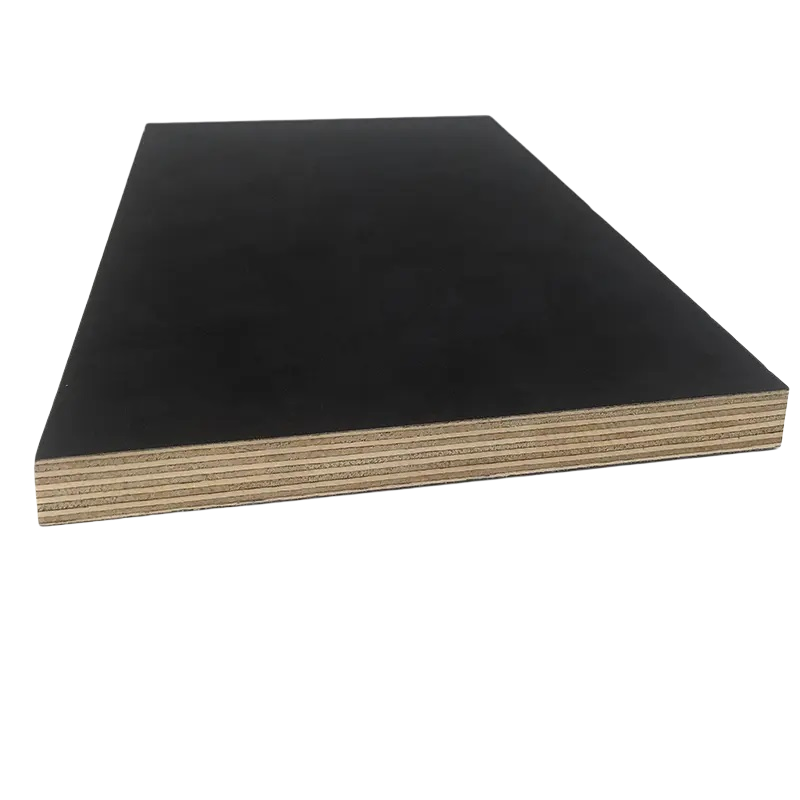
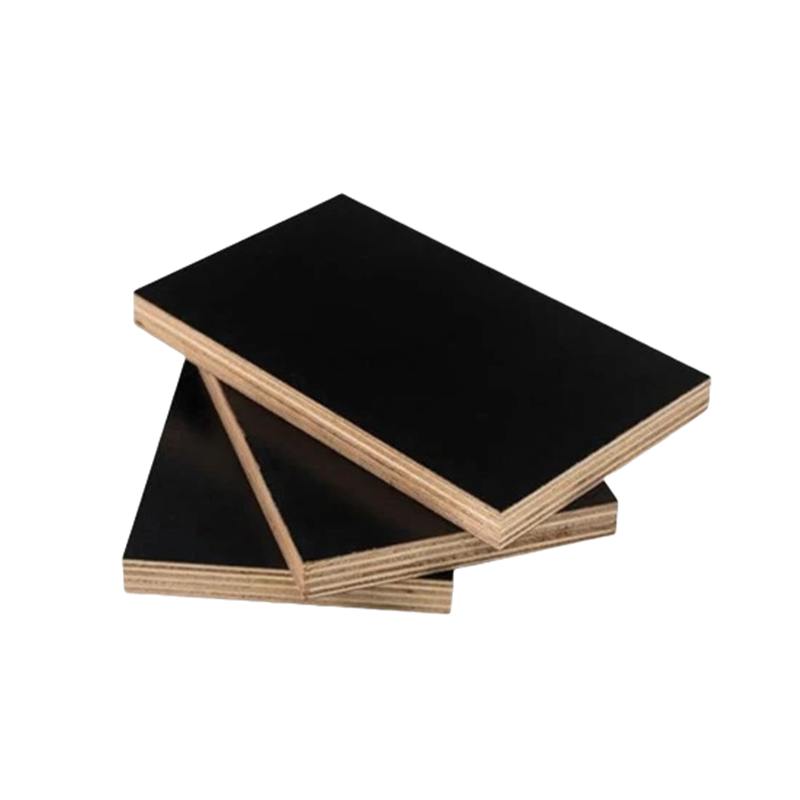
plywood alternative boards

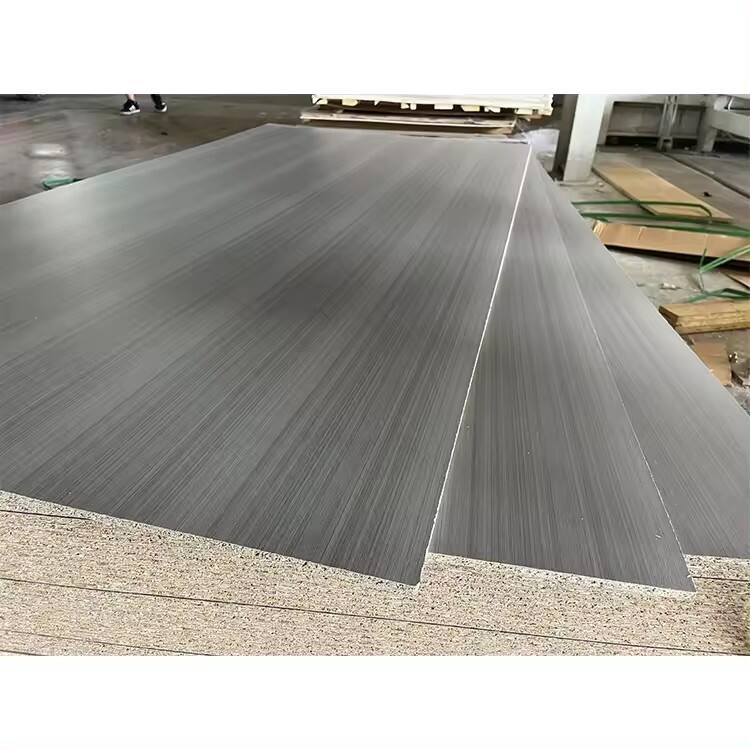
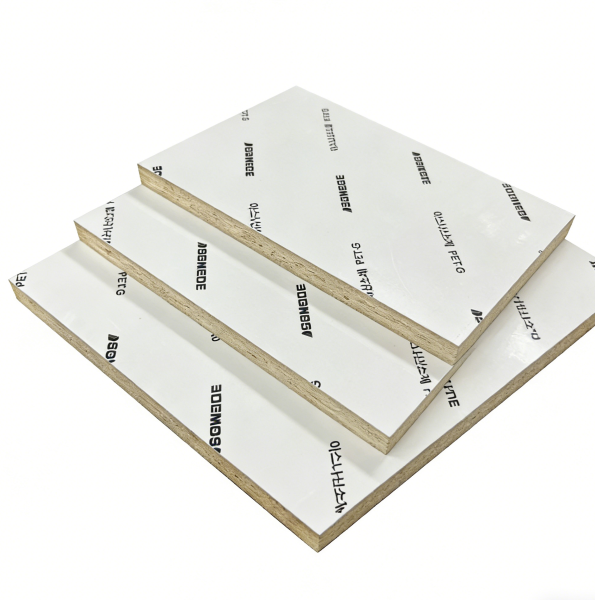
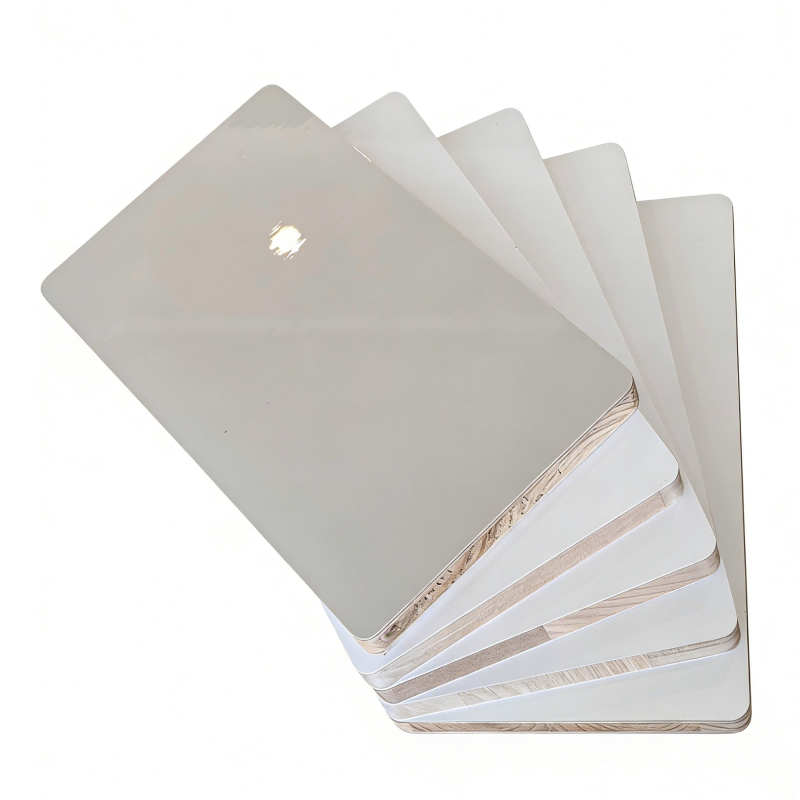
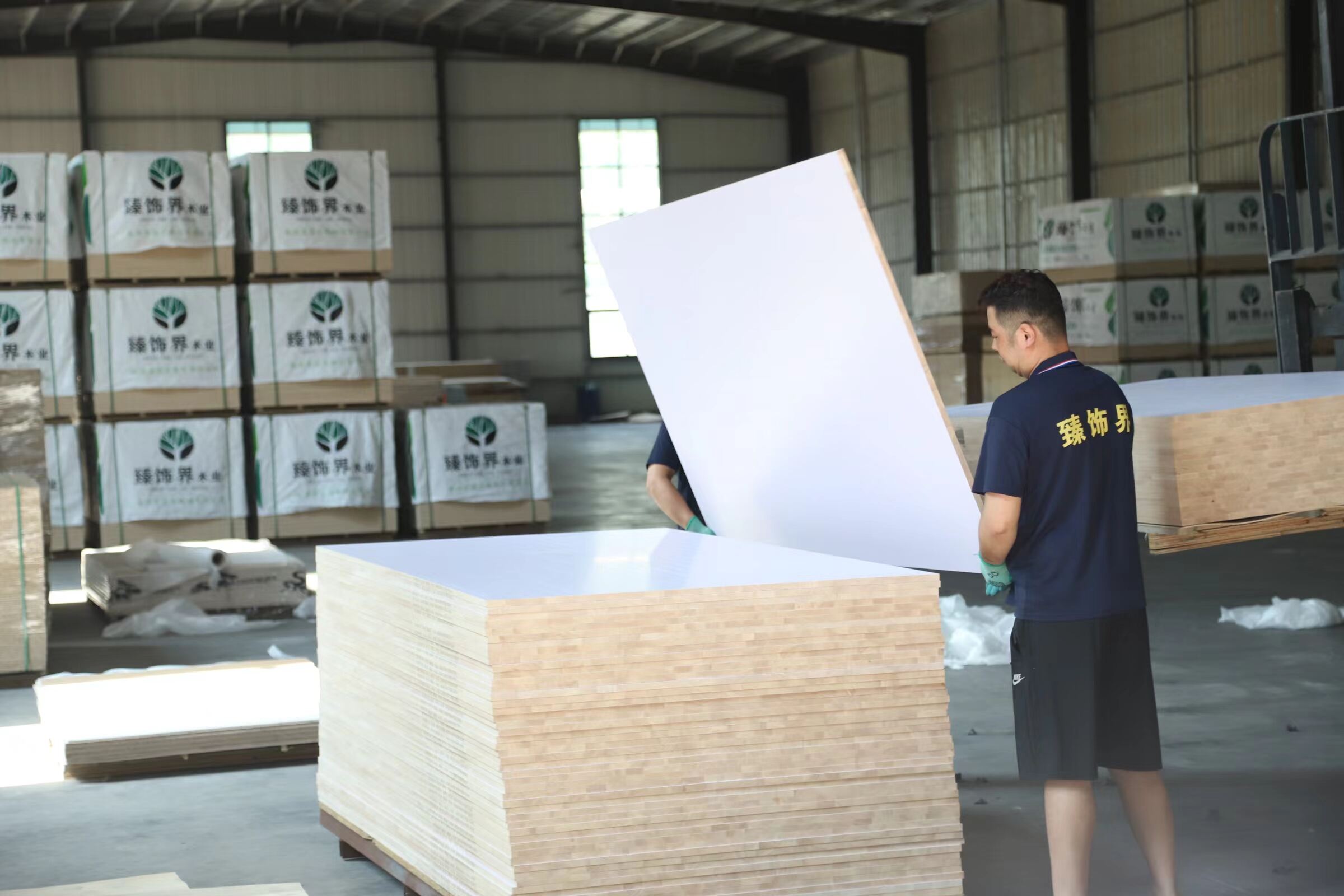
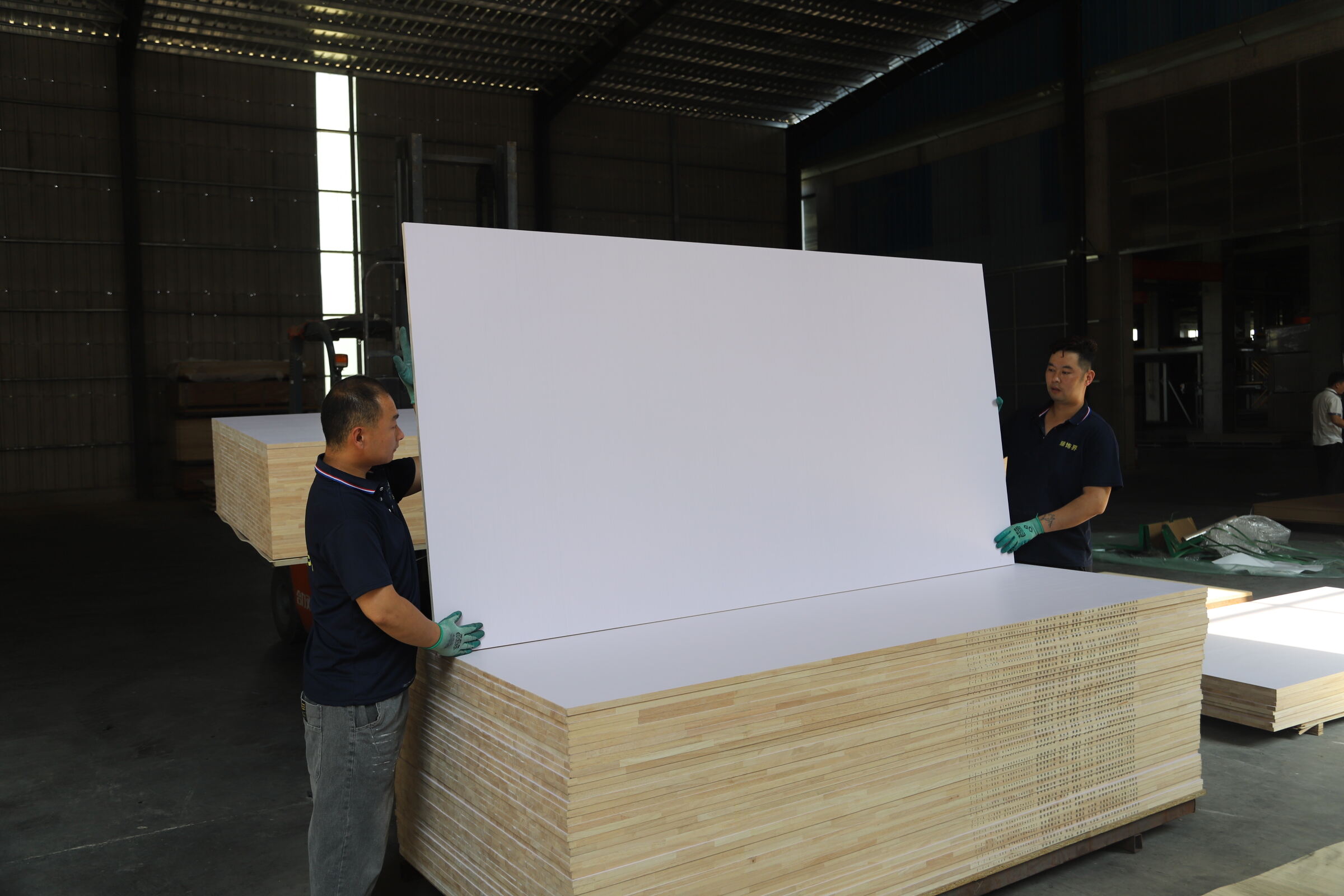
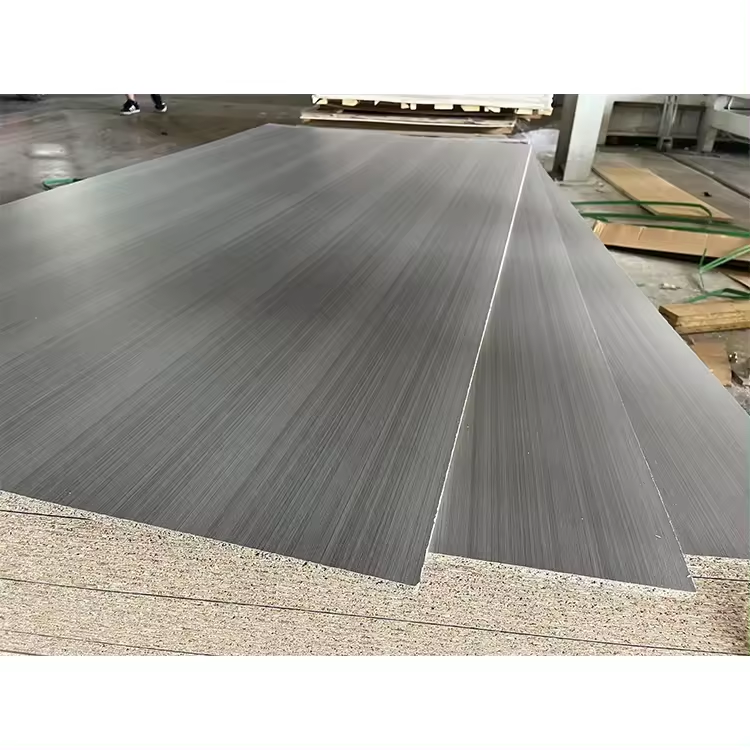
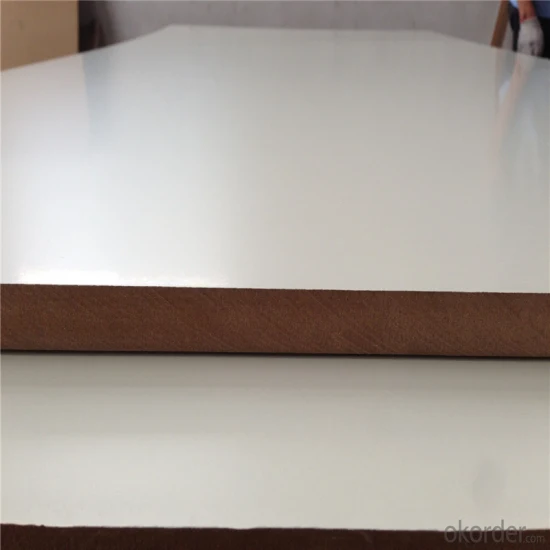
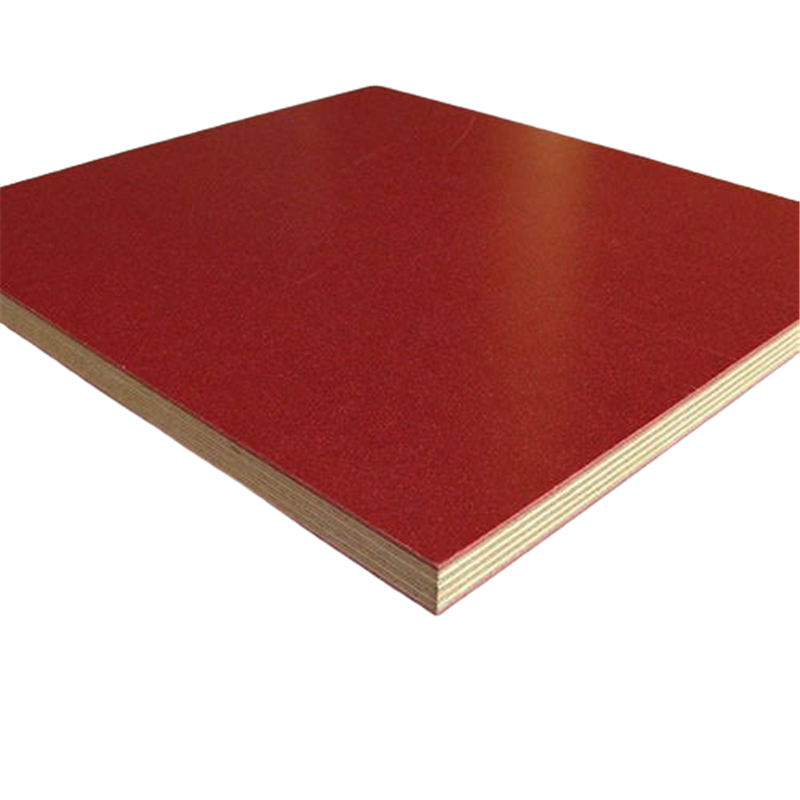
Plywood alternative boards represent a revolutionary advancement in engineered wood products, offering superior performance characteristics that surpass traditional plywood in numerous applications. These innovative building materials utilize advanced manufacturing processes that combine wood fibers, particles, or strands with high-performance adhesives and binding agents to create exceptionally strong, stable, and versatile construction panels. The main functions of plywood alternative boards include structural support, subflooring applications, wall sheathing, roof decking, and furniture manufacturing. Unlike conventional plywood which relies on thin wood veneers glued together, these alternatives employ sophisticated compression techniques and specialized resin systems that eliminate many inherent weaknesses found in traditional layered wood products. The technological features of plywood alternative boards include enhanced moisture resistance through improved sealing methods, uniform density distribution that prevents weak spots and delamination issues, and superior dimensional stability that reduces warping, twisting, and shrinkage over time. Many plywood alternative boards incorporate recycled wood materials and sustainable forestry practices, making them environmentally responsible choices for construction projects. These boards maintain consistent thickness throughout their surface area, eliminating the voids and gaps commonly found in standard plywood construction. Applications for plywood alternative boards span residential construction, commercial building projects, industrial manufacturing, furniture production, cabinetry work, and specialty architectural installations. Their enhanced strength-to-weight ratio makes them particularly valuable in applications requiring reliable structural performance without excessive material weight. The manufacturing process allows for precise control over board characteristics, enabling customization for specific applications and performance requirements while maintaining cost-effectiveness compared to premium plywood grades.

New Products

Plywood alternative boards deliver exceptional value through their superior moisture resistance capabilities, effectively preventing the swelling, delamination, and structural degradation that commonly affects traditional plywood when exposed to humidity or water damage. This enhanced protection stems from advanced manufacturing processes that create more uniform density patterns and improved adhesive penetration throughout the board structure. Customers benefit from reduced maintenance costs and longer product lifespans, particularly in bathroom, kitchen, and basement applications where moisture exposure presents ongoing challenges. The dimensional stability of plywood alternative boards significantly outperforms conventional plywood, maintaining consistent measurements and preventing the warping, cupping, and twisting that can compromise project quality and increase installation difficulties. This stability translates directly into reduced waste, fewer callbacks, and improved customer satisfaction for contractors and builders. The consistent manufacturing standards ensure that each plywood alternative board meets strict quality specifications, eliminating the grade variations and defects frequently encountered with natural wood products. This reliability allows for more accurate project planning, reduced material overages, and improved construction timelines. Installation efficiency improves dramatically due to the uniform characteristics of plywood alternative boards, which cut cleanly without splintering, accept fasteners without splitting, and maintain their structural integrity under standard construction loads. The boards exhibit excellent screw-holding power and edge strength, reducing the risk of fastener failure and edge damage during handling and installation. Cost savings become apparent through multiple factors including reduced material waste, decreased labor time, and minimized repair requirements over the product lifespan. Many plywood alternative boards cost less than premium plywood grades while delivering superior performance characteristics. The manufacturing process allows for consistent availability and sizing, eliminating the supply chain disruptions and price volatility often associated with natural wood products. Environmental benefits include reduced dependence on old-growth forests, incorporation of recycled materials, and improved manufacturing efficiency that minimizes waste generation. These factors appeal to environmentally conscious consumers and help projects achieve green building certification requirements. The versatility of plywood alternative boards enables their use across diverse applications, from structural sheathing to finish carpentry, reducing inventory requirements and simplifying material procurement for construction professionals.

Practical Tips

Can Particleboard Improve Space-Saving Cabinet Projects?

10

Mar

Can Particleboard Improve Space-Saving Cabinet Projects?

Modern homeowners and designers constantly seek innovative materials that combine affordability, versatility, and functionality for their cabinet projects. Particleboard has emerged as a premier choice for space-saving cabinet designs, offering excep...
View More
Is Particleboard Suitable For Commercial Fit-Out Works?

13

Mar

Is Particleboard Suitable For Commercial Fit-Out Works?

Commercial fit-out projects demand materials that balance cost-effectiveness, durability, and aesthetic appeal. Particleboard has emerged as a versatile solution for various commercial applications, offering contractors and designers a reliable engin...
View More
Is Chipboard Particle Board Good For Interior Projects?

31

Mar

Is Chipboard Particle Board Good For Interior Projects?

When considering materials for interior projects, many homeowners and contractors find themselves evaluating the merits of chipboard particle board as a practical solution. This engineered wood product has gained significant traction in the construct...
View More
What Is Pet Board And Why Is It Eco-Friendly?

03

Apr

What Is Pet Board And Why Is It Eco-Friendly?

Modern furniture manufacturing increasingly demands materials that combine durability, aesthetics, and environmental responsibility. Pet board has emerged as a revolutionary solution that addresses these requirements while offering superior performan...
View More

Get a Free Quote

Our representative will contact you soon.
Email
Mobile/WhatsApp
Name
Company Name
Message
0/1000

plywood alternative boards

Superior Moisture Protection Technology

Superior Moisture Protection Technology

The moisture protection technology integrated into plywood alternative boards represents a fundamental breakthrough in engineered wood performance, addressing one of the most critical weaknesses found in traditional plywood construction materials. This advanced protection system utilizes proprietary resin formulations and manufacturing techniques that create a moisture barrier throughout the entire board structure, not just on surface layers. The technology works by encapsulating wood fibers with specialized polymers that repel water while maintaining the natural breathability necessary for proper moisture management in building applications. This comprehensive moisture protection prevents the swelling and dimensional changes that typically occur when traditional plywood encounters high humidity levels or direct water exposure. The result is a building material that maintains its structural integrity and dimensional stability even in challenging environmental conditions such as basements, bathrooms, and exterior applications. Contractors and builders appreciate this technology because it reduces the risk of callbacks due to moisture-related failures, while homeowners benefit from improved durability and reduced maintenance requirements. The moisture protection extends the usable lifespan of plywood alternative boards significantly beyond traditional materials, providing better long-term value despite potentially higher initial costs. This technology also prevents the delamination issues that plague conventional plywood when adhesive bonds weaken due to moisture infiltration. Testing demonstrates that properly manufactured plywood alternative boards with advanced moisture protection can withstand repeated wet-dry cycles without experiencing the structural degradation common in standard plywood products. The protection system works at the molecular level, creating hydrophobic barriers that actively repel moisture while maintaining the mechanical properties essential for structural applications. This innovation has transformed applications in high-moisture environments, making plywood alternative boards the preferred choice for subflooring in bathrooms, kitchen backsplashes, and foundation applications where moisture management is critical for long-term performance and building integrity.
Enhanced Structural Performance and Load Distribution

Enhanced Structural Performance and Load Distribution

The enhanced structural performance characteristics of plywood alternative boards stem from revolutionary manufacturing processes that create superior load distribution properties and eliminate the weakness patterns inherent in traditional layered plywood construction. Unlike conventional plywood which derives its strength from alternating grain directions in thin veneers, plywood alternative boards utilize advanced fiber orientation techniques and high-strength binding systems that distribute loads more evenly across the entire panel surface. This improved load distribution eliminates the stress concentration points that can lead to catastrophic failure in traditional plywood under extreme loading conditions. The manufacturing process creates a homogeneous structure with consistent density throughout, preventing the formation of weak spots or voids that compromise structural integrity. Engineers and architects increasingly specify plywood alternative boards for demanding applications because of their predictable performance characteristics and superior strength-to-weight ratios. The enhanced structural properties enable the use of thinner panels in many applications while maintaining or exceeding the load-bearing capacity of thicker traditional materials, resulting in weight savings and improved construction efficiency. This performance advantage becomes particularly important in applications such as roof decking, where consistent load distribution prevents ponding and structural deflection that can compromise roofing system integrity. The boards demonstrate excellent resistance to impact damage and puncture, maintaining their structural properties even when subjected to construction abuse or accidental damage during installation. Testing reveals that plywood alternative boards exhibit more predictable failure modes compared to traditional plywood, providing better safety margins and more reliable performance under varying load conditions. The enhanced structural performance also translates into improved fastener holding power, reducing the risk of connection failures that can compromise overall structural integrity. This superior performance makes plywood alternative boards particularly valuable in seismic zones and high-wind areas where building materials must withstand dynamic loading conditions. The consistent performance characteristics simplify structural calculations and enable more efficient designs that optimize material usage while maintaining required safety factors.
Sustainable Manufacturing and Environmental Benefits

Sustainable Manufacturing and Environmental Benefits

The sustainable manufacturing processes employed in producing plywood alternative boards represent a significant advancement in environmentally responsible building materials, addressing growing concerns about deforestation, waste reduction, and carbon footprint minimization in construction industries. These innovative manufacturing methods maximize the utilization of available wood resources by incorporating smaller diameter trees, mill residues, and recycled wood materials that would otherwise be considered waste products or unsuitable for traditional plywood production. The process transforms these materials into high-performance building products through advanced engineering techniques that optimize fiber utilization and minimize material waste during production. This approach reduces pressure on old-growth forests and virgin timber resources while creating valuable building materials from previously underutilized wood sources. The manufacturing efficiency of plywood alternative boards typically generates significantly less waste compared to traditional plywood production, where substantial amounts of wood are lost during veneer peeling and grading processes. Energy consumption during manufacturing is often lower due to more efficient production methods and the elimination of energy-intensive drying processes required for veneer preparation in conventional plywood manufacturing. Many plywood alternative boards incorporate bio-based adhesives and binding agents that reduce volatile organic compound emissions and improve indoor air quality compared to products using traditional formaldehyde-based adhesives. The consistent quality and performance characteristics of these boards also contribute to sustainability by reducing construction waste, eliminating the need for grade sorting, and minimizing material overages required to account for quality variations. Life cycle assessments demonstrate that plywood alternative boards often have lower environmental impacts when considering factors such as raw material extraction, manufacturing energy consumption, transportation efficiency, and end-of-life recyclability. The durability and moisture resistance of these products extend their useful lifespan, reducing the frequency of replacement and associated environmental impacts. Additionally, the manufacturing flexibility allows for regional production using locally available wood resources, reducing transportation distances and supporting local economies while minimizing carbon emissions associated with long-distance material shipping.

Get a Free Quote

Our representative will contact you soon.
Email
Mobile/WhatsApp
Name
Company Name
Message
0/1000