 EN
EN

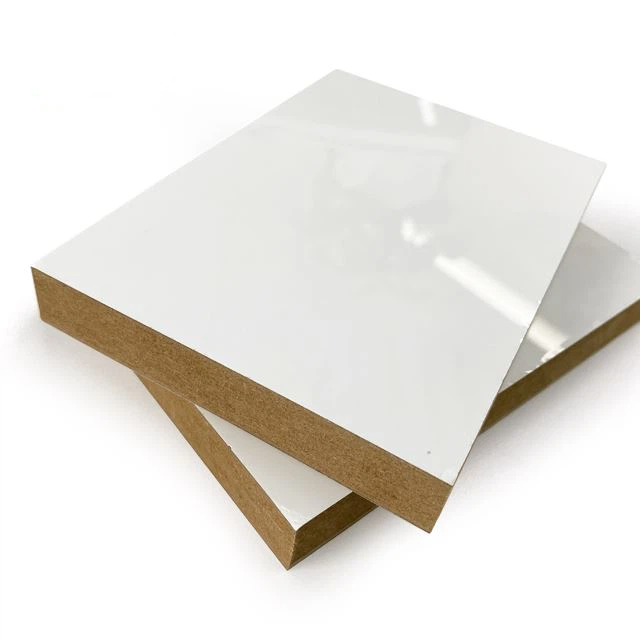
When selecting materials for kitchen cabinets, furniture, or architectural applications, understanding the durability differences between PET MDF and melamine MDF is critical. PET MDF has emerged as a premium alternative to traditional melamine MDF, offering distinct advantages in moisture resistance, chemical durability, and long-term performance. Both materials serve similar functions as engineered wood products, but their surface treatments and core compositions create meaningful differences in how they withstand environmental stress, daily wear, and aging. This guide examines the durability characteristics of PET MDF against melamine MDF, helping manufacturers, designers, and end-users make informed material decisions.
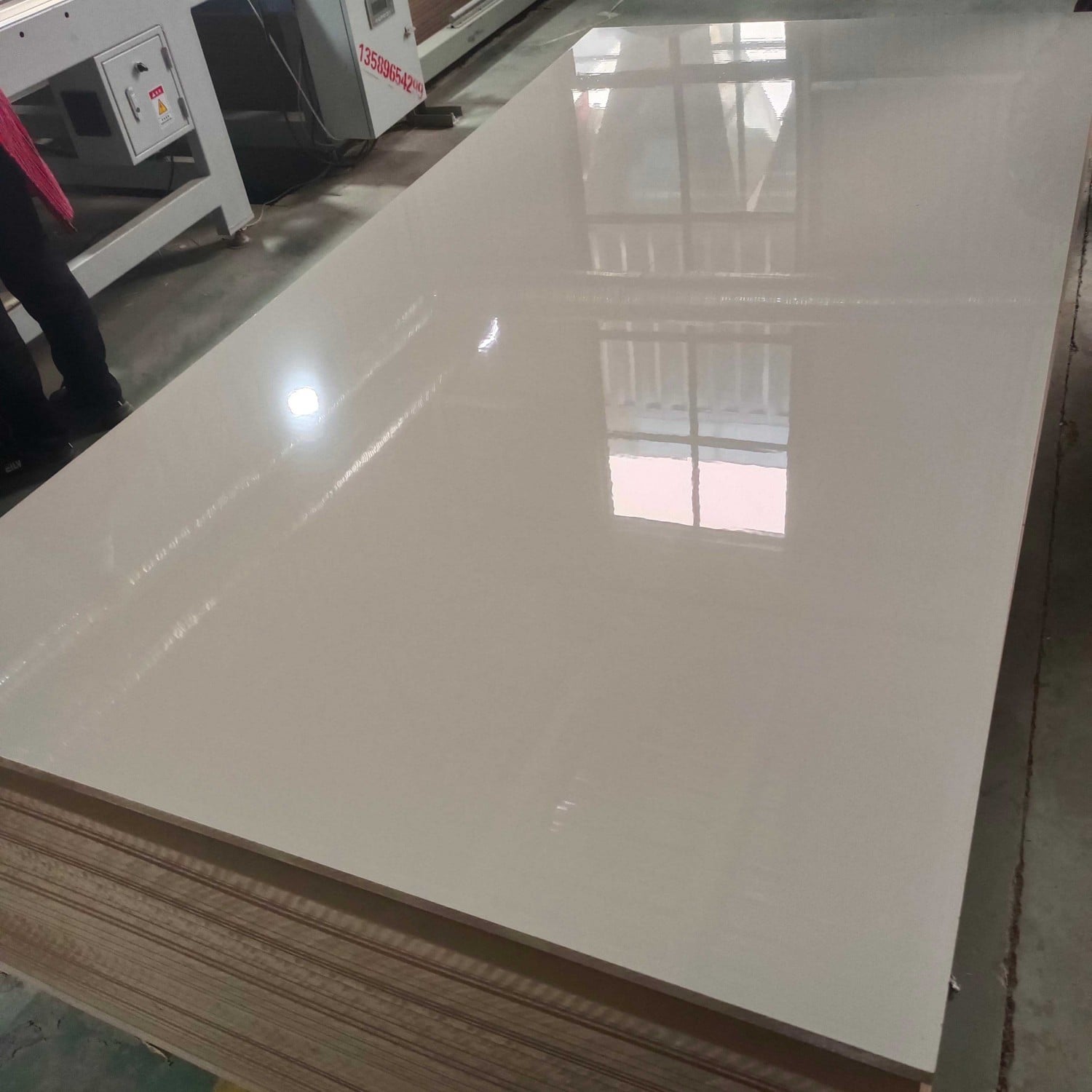
PET MDF represents a significant advancement in engineered wood technology, utilizing polyethylene terephthalate coatings over medium-density fiberboard cores. Melamine MDF, by contrast, relies on melamine-formaldehyde resin laminates applied to similar core materials. The fundamental difference in surface chemistry directly impacts durability metrics across moisture absorption, impact resistance, color retention, and chemical stability. Understanding these performance variations helps clarify why PET MDF has gained traction in demanding applications where longevity and appearance preservation matter significantly.
Moisture Resistance and Water Durability
PET MDF Moisture Performance
PET MDF demonstrates superior moisture resistance compared to melamine MDF due to its thermoplastic polyester surface layer. This PET MDF coating creates a more complete moisture barrier, preventing water vapor penetration into the underlying fiberboard core. In kitchen cabinet environments, high humidity, steam exposure, and occasional water contact are routine challenges. PET MDF withstands these conditions by maintaining dimensional stability and preventing edge swelling that compromises aesthetic and functional integrity. Testing standards confirm that PET MDF exhibits moisture absorption rates significantly lower than melamine alternatives, particularly in edge-banded areas where protection is most critical.
Melamine MDF Water Vulnerability
Melamine MDF, while offering reasonable moisture protection under normal conditions, exhibits vulnerability in high-humidity environments and areas exposed to direct water contact. The melamine surface layer, though protective, contains microscopic imperfections and porous edge transitions where moisture can penetrate. Once water reaches the underlying fiberboard, swelling accelerates and can cause permanent warping, separation of surface layers, or discoloration. Edge banding in melamine MDF applications requires careful specification and installation to prevent moisture ingress, a concern less pronounced with PET MDF's superior chemical bonding and continuous surface protection. In kitchen and bathroom applications, this moisture vulnerability becomes increasingly problematic over extended service periods.
Surface Durability and Scratch Resistance
PET MDF Scratch and Abrasion Tolerance
The polyester composition of PET MDF creates a surface harder and more resistant to scratching than melamine alternatives. This enhanced scratch resistance stems from polyester's superior molecular structure and resistance to physical abrasion. PET MDF cabinets maintain appearance through years of daily handling, utensil placement, cleaning cycles, and environmental exposure without developing visible surface degradation. The scratch resistance of PET MDF becomes particularly valuable in high-traffic kitchen and hospitality settings where visible wear directly impacts perceived quality and maintenance costs. Additionally, PET MDF surfaces resist gouging and fine-line scratching that might compromise the visual appeal of melamine surfaces over extended periods.
Melamine MDF Susceptibility to Surface Wear
Melamine MDF surfaces, while durable under light to moderate use, show visible wear patterns faster than PET MDF when subjected to frequent contact, cleaning abrasion, or minor impacts. The harder but more brittle surface of melamine can chip or crack under direct impact, particularly at exposed edges and corners. Fine scratches accumulate visibly on melamine MDF over time, especially in glossy finishes where light reflection amplifies surface imperfections. Professional cleaning and maintenance become more frequent necessities with melamine MDF to maintain cabinet appearance, offsetting some of the initial cost advantages of this material choice. The surface durability profile of melamine MDF suits lighter-use residential applications better than high-demand commercial or hospitality environments.
Chemical Resistance and Color Stability
PET MDF Chemical Resilience
PET MDF exhibits exceptional resistance to common kitchen and industrial chemicals, including oils, solvents, cleaning agents, and acidic substances. The polyester surface layer creates a chemically inert barrier that prevents discoloration, softening, or surface degradation when exposed to typical workplace chemicals. This chemical resistance makes PET MDF an excellent choice for manufacturing environments, laboratory applications, and kitchens where acidic foods or aggressive cleaning products are routine. Color retention in PET MDF remains superior over extended periods because the polyester resin resists photodegradation and chemical reactions that fade or yellow other materials. Long-term field experience demonstrates that PET MDF cabinets maintain their specified colors and gloss levels far better than melamine MDF alternatives throughout their service life.
Melamine MDF Chemical Vulnerabilities
Melamine MDF surface layers can soften, stain, or lose color when exposed to strong solvents, certain cleaning chemicals, or extended heat contact. Acetone, some paint thinners, and aggressive degreasers may compromise melamine surfaces or cause localized damage. Even routine acidic exposure from citrus-based cleaners or food residues can initiate subtle color shifts or surface etching on melamine MDF over years of use. The melamine-formaldehyde resin, while protecting against water, offers less chemical versatility than polyester formulations. For applications involving chemical exposure or where consistent appearance is non-negotiable, melamine MDF presents greater long-term risk and potential maintenance challenges.
Installation Implications and Edge Stability
PET MDF Edge Performance
The continuous PET MDF coating extends to edges more effectively than melamine applications, reducing the need for extensive edge banding in many scenarios. When PET MDF edge banding is applied, the bond between banding and core remains stable across humidity cycling and temperature fluctuations due to superior adhesive compatibility with polyester surfaces. Field installations report fewer edge separation incidents, delamination events, or edge swelling problems with properly specified PET MDF compared to melamine MDF alternatives. This edge stability advantage translates to lower maintenance frequency, reduced warranty claims, and improved long-term cabinet appearance in residential and commercial deployments.
Melamine MDF Edge Management Requirements
Melamine MDF edges present ongoing management challenges because the surface layer terminates abruptly at material boundaries, creating vulnerability zones. Edge banding on melamine MDF cabinets must be applied meticulously and specifications must account for adhesive compatibility and thermal expansion differences between banding materials and melamine surfaces. Over years, edge banding can separate from melamine MDF, exposing raw board edges to moisture and environmental degradation. The durability performance of melamine MDF cabinets becomes heavily dependent on edge treatment quality, adding complexity to manufacturing specifications and installation procedures compared to PET MDF alternatives.
Cost-Performance and Longevity Value
While PET MDF typically costs more initially than melamine MDF, total cost of ownership over extended service periods often favors PET MDF due to reduced maintenance, fewer repairs, and superior appearance retention. A kitchen cabinet investment using PET MDF typically maintains value and appearance longer than equivalent melamine MDF installations, reducing replacement frequency and associated labor costs. The durability advantage of PET MDF becomes economically significant in commercial applications, high-humidity environments, and situations where downtime for repairs creates operational disruption. For residential applications with normal use patterns and stable environmental conditions, melamine MDF remains a cost-effective choice, but PET MDF durability benefits justify premium pricing in demanding applications.
Performance Under Thermal Cycling
PET MDF demonstrates superior stability through repeated thermal cycling, maintaining dimensional consistency and surface adhesion as temperatures fluctuate between seasons or operating conditions. The polyester polymer in PET MDF exhibits lower thermal expansion coefficients and maintains mechanical properties across wider temperature ranges than melamine formulations. This thermal stability prevents gap formation between components, maintains joint integrity, and preserves cabinet geometry even in environments with significant temperature swings. Melamine MDF surfaces can become brittle at temperature extremes and may experience slight warping or dimensional shift that accumulates over years of thermal cycling, particularly in uninsulated or outdoor-exposed applications.
Conclusion
The durability comparison between PET MDF and melamine MDF reveals clear advantages favoring pet mdf in moisture resistance, scratch tolerance, chemical resilience, and long-term appearance retention. While melamine MDF remains suitable for lower-demand residential applications and cost-sensitive projects, PET MDF's superior performance characteristics justify investment in applications where durability, appearance preservation, and maintenance minimization are priorities. Selecting PET MDF for kitchen cabinets, commercial furniture, and hospitality installations ensures cabinets maintain functionality, aesthetics, and structural integrity across extended service periods, delivering superior value despite higher initial material costs.
FAQ
Can PET MDF withstand commercial kitchen environments better than melamine MDF?
Yes, PET MDF significantly outperforms melamine MDF in commercial kitchen settings. The superior moisture resistance, chemical durability, and scratch tolerance of PET MDF make it better suited for high-humidity, high-contact environments where steam, grease, and aggressive cleaning are routine. Melamine MDF in similar conditions develops surface wear, potential delamination, and color degradation faster than PET MDF, requiring more frequent maintenance and earlier replacement.
How do maintenance requirements differ between PET MDF and melamine MDF cabinets?
PET MDF cabinets require less frequent maintenance than melamine MDF due to superior surface resistance and chemical tolerance. Routine cleaning with standard household products is generally safe for PET MDF, whereas melamine MDF may require more selective cleaning agents to avoid surface damage. PET MDF also resists staining and discoloration more effectively, reducing visible appearance changes over time and extending the interval between deep cleaning or refinishing procedures.
Is the cost difference between PET MDF and melamine MDF justified by durability improvements?
For commercial applications, hospitality installations, and high-use residential kitchens, the cost premium of PET MDF is justified by superior durability and reduced maintenance expenses over the cabinet lifespan. For typical residential use with normal environmental conditions, melamine MDF provides adequate durability at lower initial cost, though PET MDF still offers better appearance retention and longer effective service life. The decision depends on application demands, humidity exposure, and budget priorities for each specific project.