 EN
EN

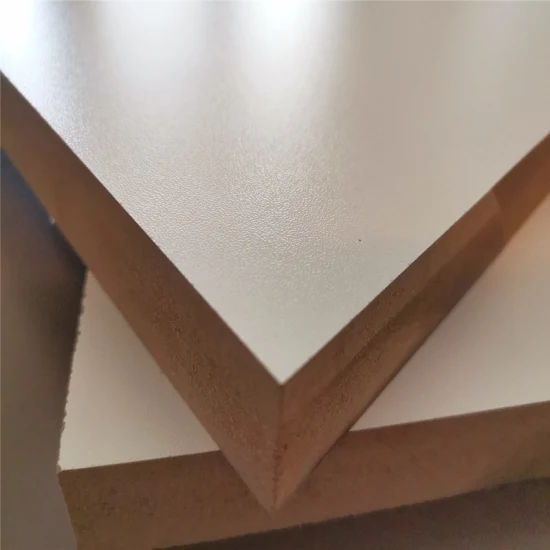
PET MDF has emerged as a transformative material for designers and manufacturers seeking exceptional high-gloss interior finishes. Unlike conventional medium-density fiberboard, PET MDF combines a polyethylene terephthalate coating with engineered wood substrate to deliver surfaces that resist moisture, impact, and wear while maintaining a pristine reflective appearance. Understanding when and how to specify PET MDF can significantly elevate project outcomes across residential, commercial, and hospitality sectors.
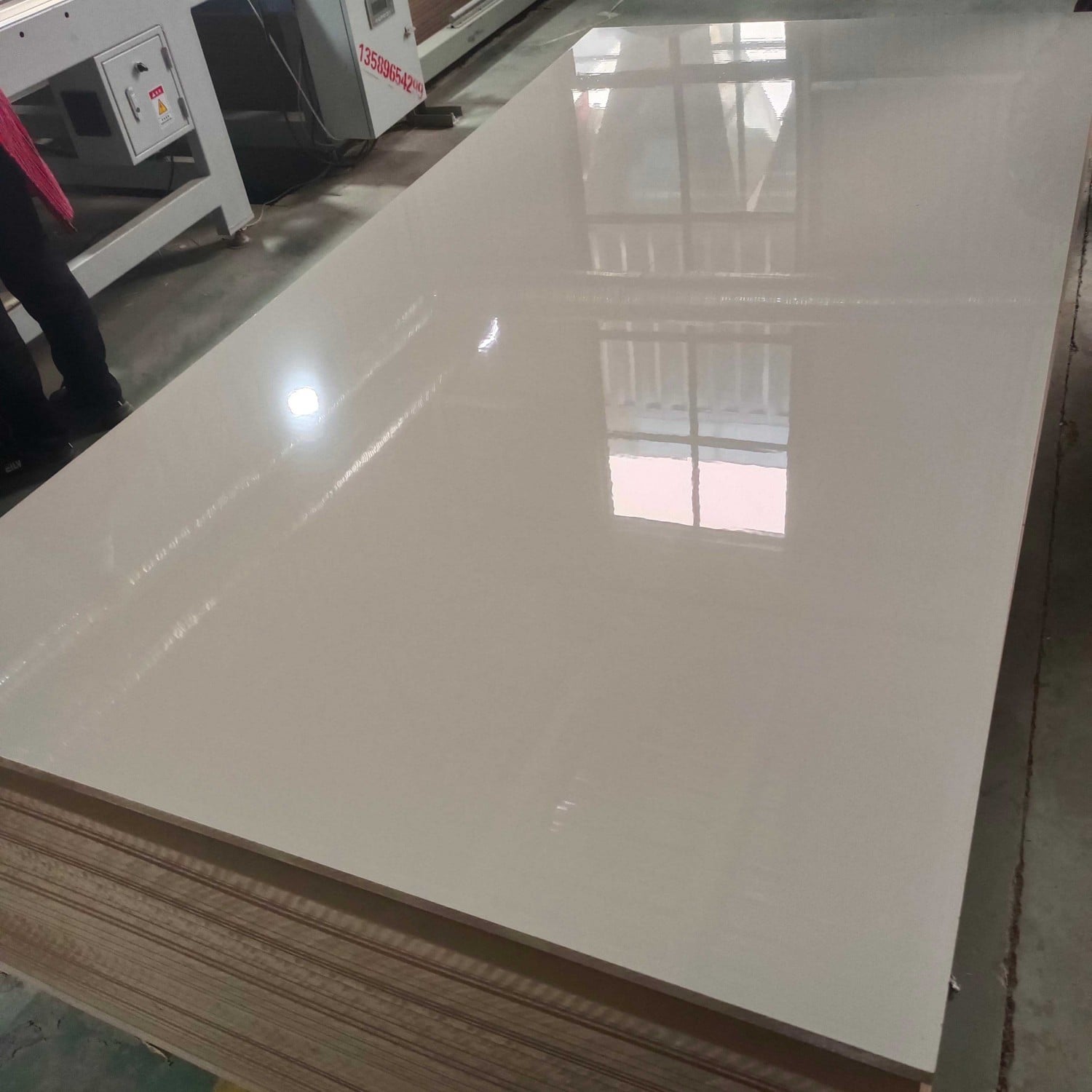
High-gloss interior applications demand materials that balance aesthetic brilliance with practical durability. PET MDF meets these requirements through its specialized surface treatment, which creates a hard, non-porous barrier resistant to scratches, stains, and chemical exposure. This article explores the technical advantages of PET MDF, its ideal application scenarios, and how specifiers can maximize its potential in demanding interior environments.
Why PET MDF Outperforms Standard MDF in High-Gloss Applications
Superior Moisture Resistance and Environmental Stability
Standard MDF absorbs moisture readily, leading to swelling, warping, and surface degradation over time. PET MDF fundamentally addresses this vulnerability through its polyethylene terephthalate surface layer, which creates a hydrophobic barrier that prevents moisture ingress. This characteristic makes PET MDF exceptionally suitable for kitchens, bathrooms, and other humid interior spaces where water exposure is frequent. The dimensional stability of PET MDF under varying humidity conditions ensures that cabinet doors remain perfectly aligned and high-gloss surfaces maintain their reflective quality for decades.
Enhanced Durability and Scratch Resistance
The glossy surface of PET MDF is engineered to withstand daily wear while preserving its mirror-like finish. Unlike conventional veneers or laminates that may crack or peel under stress, the integrated PET MDF coating bonds directly to the substrate, providing exceptional scratch resistance and impact tolerance. Families with children, hospitality establishments with heavy foot traffic, and commercial kitchens benefit from this durability advantage, as the high-gloss appearance resists the cumulative damage that would compromise ordinary materials.
Design Flexibility and Aesthetic Advantages of PET MDF
Achieving Premium Visual Effects
The high-gloss finish of PET MDF creates dramatic visual depth and light reflection that amplifies interior spaciousness and sophistication. Unlike matte or semi-gloss alternatives, the mirror-like surface of PET MDF interacts with ambient lighting to produce dynamic visual interest, making kitchen cabinets appear more upscale and contemporary. Designers leverage the reflective properties of PET MDF to enhance perceived luxury while maintaining the practical functionality required in hardworking interior zones. The glossy surface can be produced in varied tones, from pure whites and neutrals to bold accent colors, supporting diverse aesthetic visions.
Consistency and Customization Potential
Manufacturing excellence ensures that PET MDF maintains uniform color, gloss level, and surface quality across production batches, critical for large projects requiring multiple boards. Unlike natural wood or hand-finished materials susceptible to variation, PET MDF provides architects and interior designers with predictable, repeatable results. Custom edge profiling, specialized thickness options, and diverse finish specifications allow PET MDF to integrate seamlessly into bespoke interior schemes. This combination of consistency and customization makes PET MDF an ideal choice for premium residential renovations, boutique hospitality projects, and high-end commercial installations.
Practical Application Considerations and Installation Best Practices
Ideal Use Cases for PET MDF in Interior Design
Kitchen cabinetry stands as the primary application for PET MDF, where moisture resistance, gloss durability, and aesthetic appeal converge to justify material investment. Built-in shelving, wardrobe systems, bathroom vanities, and accent wall paneling represent secondary opportunities where the high-gloss finish and environmental resilience of PET MDF deliver measurable value. Commercial environments including retail displays, hospitality bar fronts, and office partitions benefit from the scratch-resistant, easy-to-clean properties that PET MDF provides. Luxury residential interiors frequently specify pet mdf for statement pieces where visual impact and long-term performance justify the material premium.
Installation and Maintenance Protocols
Proper handling during fabrication protects the glossy surface of PET MDF from dust contamination and edge damage that would compromise the final aesthetic. Cabinet makers should employ soft-touch cutting practices, maintain sharp tooling, and apply protective edge banding to prevent chipping. Installation in properly ventilated and climate-controlled environments ensures that PET MDF maintains dimensional stability and gloss consistency. Once installed, the high-gloss surface requires only gentle cleaning with soft cloths and pH-neutral cleaners; harsh chemicals or abrasive scouring should be avoided to preserve the protective PET MDF coating. This straightforward maintenance routine contributes to the long-term aesthetic and functional durability that specifiers demand in premium interior applications.
FAQ
Does PET MDF cost significantly more than standard MDF?
Yes, PET MDF commands a material premium compared to conventional MDF due to the specialized polyethylene terephthalate coating and quality control required. However, the extended lifespan, superior moisture resistance, and reduced maintenance frequency often justify the higher initial investment. For kitchen cabinetry and visible interior applications where durability directly impacts perceived value, the cost differential is generally accepted by designers and homeowners seeking premium outcomes.
Can PET MDF be used in outdoor or semi-exposed interior conditions?
While PET MDF excels in climate-controlled interior environments, it is not recommended for exposed outdoor applications or areas subject to direct sunlight and temperature extremes. The polyethylene terephthalate surface can degrade under prolonged UV exposure, causing color fading and potential finish breakdown. PET MDF is specifically engineered for protected interior spaces where humidity and indoor environmental conditions remain relatively stable. Designers should reserve PET MDF for kitchens, bathrooms, and enclosed residential or commercial interiors rather than exposed exterior surfaces.
How does the high-gloss finish of PET MDF affect maintenance and fingerprint visibility?
The reflective nature of high-gloss PET MDF does tend to reveal fingerprints and dust more visibly than matte finishes, particularly on darker colors. However, the non-porous surface allows quick and easy cleaning with microfiber cloths and appropriate cleaners, and the glossy finish resists permanent marking or staining. Strategic placement of PET MDF surfaces above eye level or in low-traffic zones can minimize fingerprint concerns while preserving the aesthetic advantages. Many homeowners and designers view the minimal maintenance requirement as an acceptable trade-off for the sophisticated visual impact that high-gloss PET MDF delivers.