 EN
EN

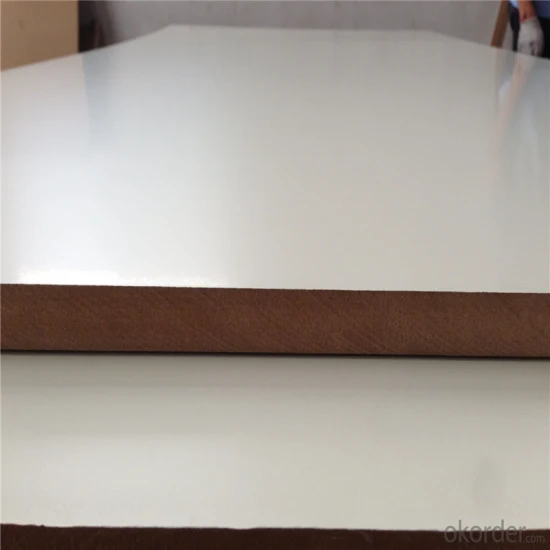
PET MDF has revolutionized modern furniture manufacturing by combining engineered wood technology with polyester film overlays to create surfaces that resist moisture, scratches, and discoloration. This innovative material represents a significant advancement in how designers and manufacturers approach durability, aesthetics, and cost-effectiveness in contemporary furniture production. Understanding PET MDF applications helps furniture makers, interior designers, and retailers make informed decisions about material selection for projects that demand both performance and visual appeal.
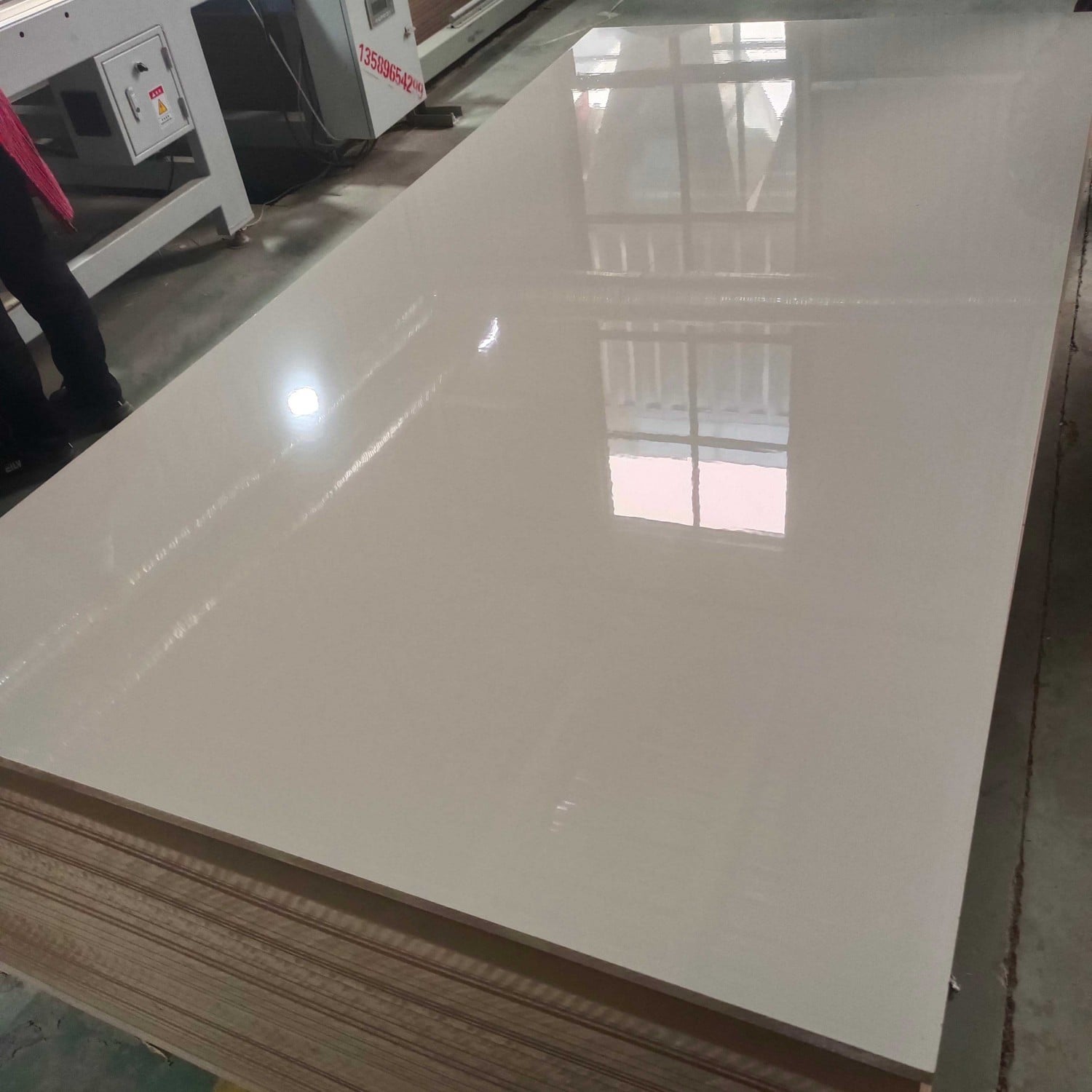
The rise of PET MDF in furniture design reflects broader industry trends toward sustainable, low-maintenance, and visually versatile solutions. PET MDF combines medium-density fiberboard with polyethylene terephthalate surfacing, creating a composite material that outperforms traditional veneered or laminated boards in residential and commercial applications. This material has become essential for manufacturers seeking to balance quality, longevity, and environmental responsibility in their product portfolios.
Kitchen and Cabinetry Applications
High-Traffic Cabinet Solutions
Kitchen environments demand materials that withstand daily moisture exposure, heat fluctuations, and frequent cleaning cycles. PET MDF excels in these conditions because its polyester film surface creates a barrier against water infiltration, preventing the swelling and warping common in standard MDF boards. Cabinet doors, drawer fronts, and shelving made from PET MDF maintain their structural integrity and finish quality for years, reducing replacement costs and maintenance requirements compared to particleboard or conventional wood veneers.
The practical advantage of PET MDF in kitchens extends to design flexibility and durability consistency. Manufacturers can produce PET MDF boards in virtually any color, finish, or texture, from high-gloss surfaces that reflect light to matte finishes that conceal fingerprints. This material's resistance to fading, staining, and chemical damage makes it ideal for modern kitchens where aesthetics and functionality must coexist without compromise.
Decorative and Aesthetic Finishing
PET MDF boards support premium visual finishes that enhance kitchen appeal while maintaining durability. The material's smooth surface accepts uniform coloring and decorative printing techniques that create sophisticated, contemporary designs. Whether manufacturers apply solid colors, wood grain patterns, or custom graphics to PET MDF, the substrate ensures consistent surface quality and color retention, distinguishing it from materials prone to finish deterioration in humid kitchen spaces.
Residential Storage and Living Space Furniture
Bedroom and Living Room Furniture
Residential furniture manufacturers increasingly specify PET MDF for wardrobes, dressers, shelving units, and media cabinets because it combines practical durability with design sophistication. PET MDF boards resist surface damage from daily handling, protecting furniture investments over extended ownership periods. Homeowners appreciate how PET MDF-constructed pieces maintain their appearance despite routine use, eliminating the visible wear marks and color fading associated with lower-grade materials.
The material's performance advantage becomes especially apparent in multi-functional furniture pieces designed for contemporary living. Modular storage systems, desk components, and entertainment units benefit from PET MDF's dimensional stability and impact resistance. Furniture designers leverage these properties to create innovative, space-saving solutions that withstand the pressures of modern household life while maintaining a polished, high-end appearance.
Eco-Conscious Design Benefits
Modern consumers increasingly prioritize sustainable furniture choices, and PET MDF supports this demand through responsible manufacturing practices. The material utilizes recycled wood fibers bonded with environmentally optimized resins, reducing reliance on virgin timber resources. Additionally, the polyester film overlay minimizes the need for chemical-intensive surface treatments like varnishing or lacquering, aligning PET MDF with green building and interior design principles that prioritize reduced environmental impact.
Commercial and Retail Applications
Hospitality and Office Environments
Hotels, restaurants, offices, and retail establishments demand furniture materials that endure intensive public use while maintaining premium aesthetics over extended service cycles. PET MDF addresses these requirements through superior surface hardness and cleanability, making it the preferred choice for hospitality furniture, reception desk components, and retail display fixtures. The material's ability to withstand frequent contact, cleaning chemicals, and environmental stress without degradation protects commercial investments and preserves brand image through consistently well-maintained interior spaces.
Commercial kitchens and food service areas particularly benefit from PET MDF's hygienic properties. The sealed, non-porous surface resists bacterial growth and staining from food preparation activities, meeting health and safety standards while simplifying maintenance protocols. Facility managers appreciate how PET MDF-constructed work surfaces and storage components reduce downtime and replacement expenses compared to traditional materials that require frequent restoration or replacement.
Retail Display and Custom Solutions
Retailers utilize PET MDF for custom display fixtures, shelving systems, and brand experience installations because the material supports creative design while delivering exceptional durability. The PET MDF substrate accepts precise customization through cutting, routing, and edge profiling, enabling manufacturers to create branded retail environments that differentiate product presentations. High-gloss and specialty finishes available with PET MDF enhance visual impact in competitive retail spaces, while the material's durability ensures that installations maintain their appearance throughout extended retail campaigns.
FAQ
What makes PET MDF superior to standard MDF for furniture manufacturing?
PET MDF outperforms standard MDF through its polyester film overlay, which provides moisture resistance, scratch protection, and superior color retention. Standard MDF lacks this protective surface layer, making it vulnerable to water damage, surface scratches, and finish degradation in demanding environments. PET MDF maintains its appearance and structural integrity far longer than uncoated MDF, justifying its use in applications where durability and aesthetics are critical business priorities.
Can PET MDF be used in outdoor furniture applications?
While PET MDF offers excellent moisture resistance compared to standard MDF, it is not recommended for permanent outdoor exposure. PET MDF performs best in protected interior environments or covered outdoor spaces where it remains shielded from direct sunlight, rain, and extreme temperature fluctuations. For permanent outdoor furniture, marine-grade plywood or pressure-treated lumber with specialized waterproof finishes provide superior protection against prolonged weather exposure.
How does PET MDF compare to solid wood in terms of cost and performance?
PET MDF provides significant cost advantages over solid wood while delivering comparable performance in furniture applications. Solid wood requires extensive finishing, is susceptible to warping and moisture damage, and commands premium pricing. PET MDF arrives ready for assembly with factory-applied finishes, resists environmental stresses more effectively, and allows consistent quality control across production batches, making it the economically rational choice for manufacturers balancing quality, durability, and profitability.