 EN
EN

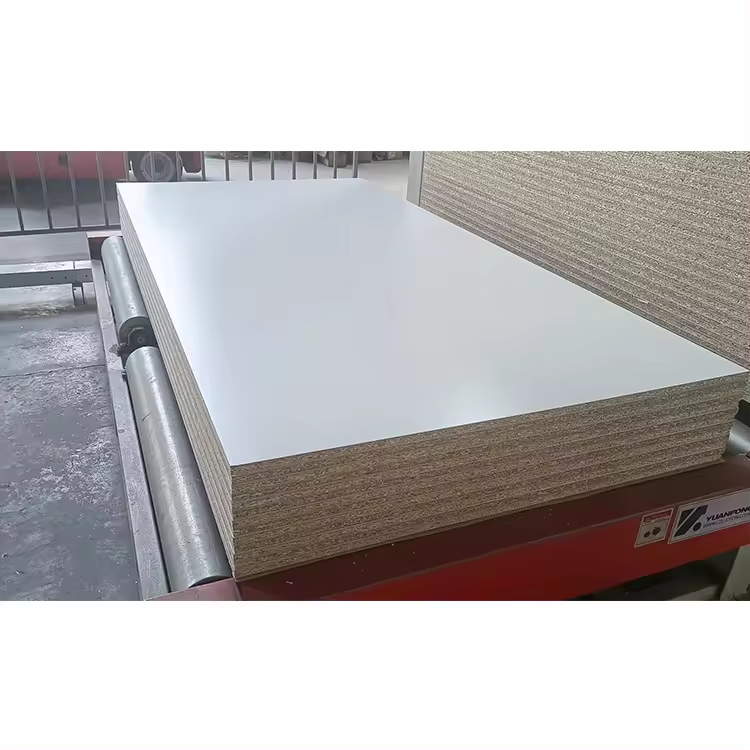
Manufacturing stable melamine chipboard requires precision, expertise, and rigorous quality control throughout every stage of production. Factories that produce melamine chipboard must balance raw material selection, moisture management, pressing techniques, and adhesive chemistry to deliver consistent performance and durability. Understanding how professionals ensure melamine chipboard stability reveals the sophisticated engineering behind materials that support modern furniture, cabinetry, and interior design applications worldwide.
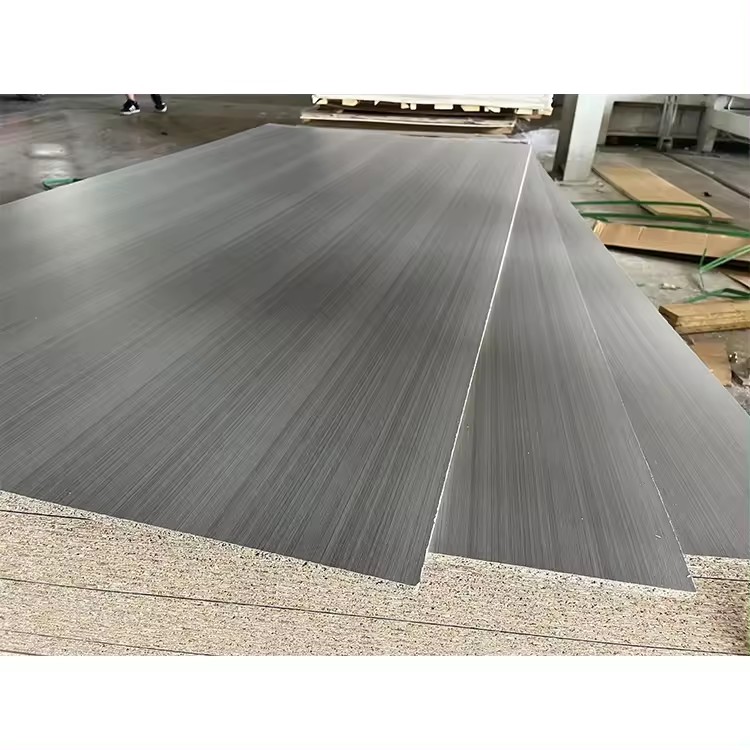
The stability of melamine chipboard depends on multiple interconnected factors that manufacturers carefully control. When factories produce melamine chipboard with unstable properties, the material warps, swells, or degrades prematurely, compromising furniture integrity and customer satisfaction. Professional manufacturers have developed systematic approaches to guarantee that every sheet of melamine chipboard meets strict dimensional and performance standards from production through final delivery.
Raw Material Selection and Preparation
Sourcing Quality Wood Fibers
The foundation of stable melamine chipboard begins with selecting premium wood fiber sources. Factories evaluate wood chips based on species, moisture content, size uniformity, and freedom from contamination. High-quality melamine chipboard manufacturers source wood fibers that have consistent density and minimal structural defects, because these properties directly influence how the fibers bond during pressing. The wood species selected for melamine chipboard production must offer balanced characteristics such as adequate strength without excessive brittleness that could cause splitting or edge damage.
Moisture Content Standardization
Before production begins, factories dry wood fibers to precise moisture specifications before incorporating melamine overlays. Moisture content in raw wood fibers is critical because excess humidity causes expansion during melamine chipboard manufacturing, while insufficient moisture weakens fiber-to-fiber adhesion. Professional factories maintain wood fiber moisture between 8 and 14 percent to ensure optimal conditions for stable melamine chipboard formation. This standardization prevents dimensional instability and reduces the likelihood of delamination or face veneer separation after melamine chipboard reaches end users.
Adhesive Formulation and Application
Precision Resin Chemistry
The adhesive system used in melamine chipboard production must bond wood fibers reliably while resisting moisture penetration. Factories employ urea-formaldehyde, melamine-urea-formaldehyde, or phenol-formaldehyde resins, each selected based on desired performance characteristics of the final melamine chipboard. The resin formulation controls how well the melamine chipboard resists humidity fluctuations, maintains dimensional stability, and withstands mechanical stress. Manufacturers analyze adhesive viscosity, curing temperature requirements, and pot life to optimize how efficiently the resin penetrates wood fibers and creates durable bonds within melamine chipboard.
Uniform Adhesive Distribution
Factories use precision spray equipment and drum mixers to ensure adhesive coats every wood fiber uniformly across the production run. Inconsistent adhesive distribution weakens certain zones within melamine chipboard, creating stress points where warping or delamination originates. Advanced melamine chipboard manufacturers monitor adhesive weight per unit area and optimize spray patterns to achieve target solid content. This level of control ensures that each batch of stable melamine chipboard meets established quality parameters without variation between sheets produced hours or days apart.
Hot Pressing and Dimensional Control
Temperature and Pressure Management
The hot pressing stage fundamentally determines whether melamine chipboard achieves stable performance. Factories control press temperature, pressure duration, and release timing with precision to cure adhesives fully while compressing the wood fiber mat to target density. Temperature profiles for melamine chipboard production typically range from 180 to 220 degrees Celsius, with residence times calibrated to the board thickness and adhesive system. Pressure applied during pressing consolidates the fiber structure and initiates cross-linking reactions that bind resin to cellulose, creating the dense, cohesive matrix that makes stable melamine chipboard resistant to warping and dimensional change.
Dimensional Verification and Cooling
After hot pressing, factories cool melamine chipboard gradually in staged cooling zones to prevent thermal shock and uneven stress distribution. Rapid cooling would lock internal stresses into the board structure, causing future warping as temperatures and humidity fluctuate. Manufacturers measure board thickness, width, and length continuously during production to verify that melamine chipboard meets specification tolerances. Quality control technicians sample boards at intervals to confirm that stable melamine chipboard maintains consistent density profiles and shows no visible defects such as face checking, edge cracking, or fiber protrusion that could compromise durability or appearance.
Surface Treatment and Moisture Barrier Application
Melamine Overlay Performance
The melamine-formaldehyde overlay applied to melamine chipboard serves both aesthetic and protective functions essential to stability. This decorative layer provides resistance to moisture penetration, UV fading, and mechanical damage, all factors that would otherwise destabilize the underlying wood fiber core. Factories ensure melamine chipboard overlays are bonded uniformly and completely adhered to prevent edge lift or delamination during use. The overlay thickness and resin content are precisely controlled so that stable melamine chipboard develops consistent surface hardness and maintains dimensional integrity across temperature and humidity cycles typical of residential and commercial environments.
Edge Sealing and Protective Treatments
The exposed edges of melamine chipboard represent vulnerable zones where moisture can penetrate rapidly and cause swelling or delamination. Factories apply edge sealants, paint, or specialized edge banding materials to melamine chipboard to minimize moisture absorption at perimeter zones. Some manufacturers inject water-resistant additives into the core layers of melamine chipboard during production to provide secondary moisture protection. This multi-layered approach ensures that stable melamine chipboard resists moisture ingress from all directions, maintaining dimensional stability even in kitchens, bathrooms, and other high-humidity environments where chipboard products frequently operate.
Quality Testing and Standards Compliance
Mechanical and Dimensional Testing
Factories conduct rigorous testing on representative samples from each production batch to verify that melamine chipboard meets established performance standards. Bending strength, internal bond strength, and screw-holding capacity are measured to confirm that stable melamine chipboard offers adequate structural performance for intended applications. Dimensional stability tests expose melamine chipboard samples to controlled humidity and temperature cycles to predict how the material will perform in real-world conditions. Factories compare test results against benchmarks such as EN 312 or similar international standards, ensuring that all melamine chipboard shipped meets specified performance thresholds without variation.
Visual and Aesthetic Inspection
Professional inspectors examine melamine chipboard for surface defects, face checking, edge quality, and uniformity of color and pattern. Any sheet of melamine chipboard showing delamination, soft spots, or structural irregularities is rejected or reworked. Factories establish clear acceptance criteria that define what constitutes stable melamine chipboard acceptable for delivery. This systematic inspection process, often enhanced by automated optical systems and trained personnel, ensures that customers receive melamine chipboard that performs predictably and maintains its properties throughout its useful life in furniture, cabinetry, and construction applications.
FAQ
What causes instability in melamine chipboard?
Instability in melamine chipboard typically results from excessive moisture exposure, inadequate adhesive curing, inconsistent pressing conditions, or poor raw material selection. When factories fail to control wood fiber moisture content or apply adhesive unevenly, the resulting melamine chipboard warps or delamination occurs. Temperature fluctuations and humidity cycling can also expose defects in melamine chipboard if the core fibers were not sufficiently bonded during manufacturing. Improper cooling or excessive internal stress locked into the board structure during production may cause melamine chipboard to develop warping long after manufacturing completes.
How do manufacturers test for melamine chipboard stability?
Manufacturers employ dimensional stability tests that expose melamine chipboard samples to extreme humidity conditions over extended periods to predict real-world performance. These tests measure thickness swell, linear expansion, and any permanent deformation that indicates whether melamine chipboard will remain dimensionally stable. Mechanical property tests assess internal bond strength and bending performance, confirming that melamine chipboard maintains structural integrity under stress. Moisture absorption tests measure how much water melamine chipboard absorbs under standardized conditions, revealing whether surface treatments and core additives effectively protect the material from moisture penetration that could cause swelling or degradation.
Which standards ensure melamine chipboard quality?
International standards such as EN 312 specify performance requirements for melamine chipboard including internal bond strength, bending strength, and dimensional stability properties. Regional standards like JIS A 5908 for Japan and GB/T 13725 for China establish similar benchmarks that manufacturers must meet to produce acceptable melamine chipboard for their markets. These standards define testing methods and acceptance criteria that verify stable melamine chipboard performance across manufacturing facilities worldwide. Factories producing melamine chipboard typically certify compliance with relevant standards and conduct independent testing to demonstrate that their products meet or exceed these established performance thresholds, assuring customers that melamine chipboard will deliver consistent, reliable performance in end applications.