 EN
EN

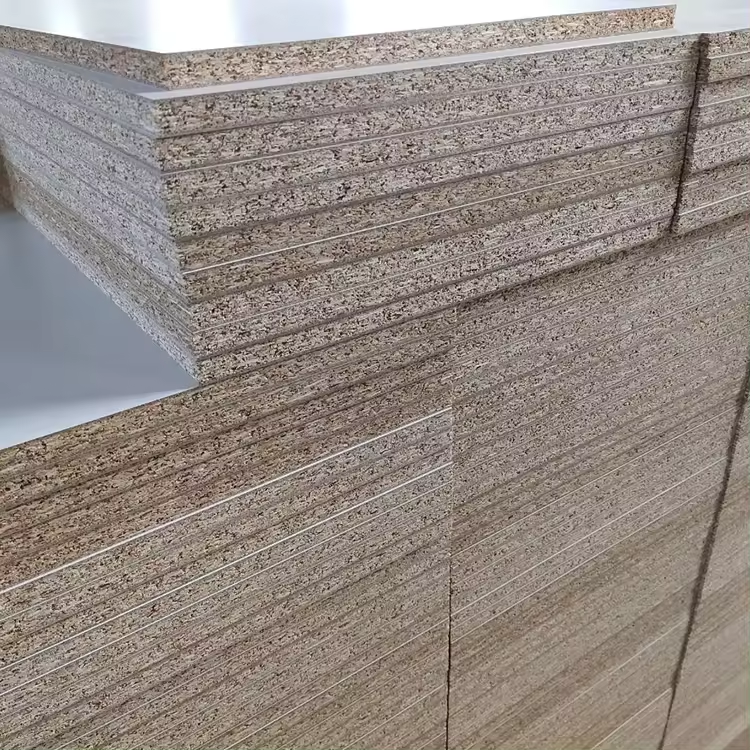
Ordering melamine chipboard is a significant purchasing decision for manufacturers, retailers, and contractors working on kitchen cabinets, furniture projects, and interior solutions. The quality of melamine chipboard directly affects the durability, appearance, and cost-effectiveness of your finished product. Before committing to a large order, conducting thorough pre-purchase inspections of melamine chipboard samples is essential to avoid costly mistakes and ensure your materials meet specification standards.
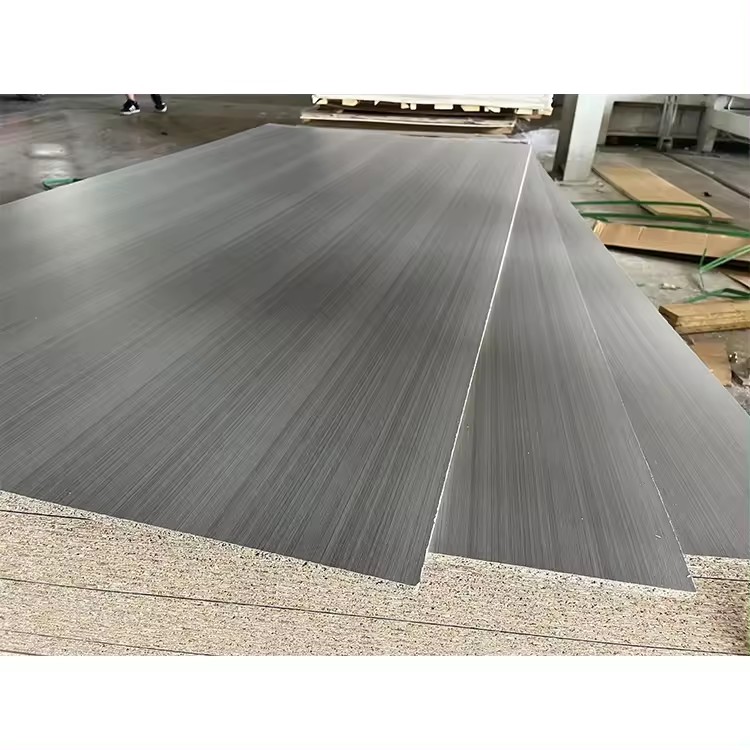
Inspecting melamine chipboard before ordering protects your investment and ensures consistent quality across production runs. Many buyers overlook critical inspection steps, leading to delayed projects, customer complaints, and financial losses. Understanding what to look for in melamine chipboard samples and documentation helps you make confident purchasing decisions and establish reliable supplier relationships.
Surface Finish and Appearance Assessment
Visual Inspection of Melamine Coating
The melamine chipboard surface finish is your first quality indicator. Examine the coating carefully under proper lighting to identify any defects that would compromise appearance or function. Look for inconsistent color patterns, uneven gloss levels, or dull spots on the melamine chipboard surface. These variations suggest poor lamination or substrate quality issues that will become visible in your finished products.
Run your hand gently across the melamine chipboard surface to feel for roughness, splinters, or irregularities. High-quality melamine chipboard should have a smooth, uniform finish that resists fingerprints and minor scratches. Test the hardness by gently pressing your fingernail against the surface; the melamine chipboard should resist indentation without showing permanent marks. Any soft spots or areas where the coating separates from the substrate indicate poor manufacturing and should prompt you to reject that batch.
Edge Quality and Delamination Checks
Edges are vulnerable areas where melamine chipboard quality defects most commonly appear. Inspect all edges of your sample melamine chipboard for delamination, where the melamine veneer separates from the particle board core. Press gently on edges to confirm the coating adheres firmly. Attempt to lift or peel the edge; quality melamine chipboard will have no visible gaps between the coating and substrate.
Check for chips, cracks, or uneven coating coverage along the edges of your melamine chipboard samples. These defects indicate improper edge banding application or brittle material that will worsen during fabrication and transportation. Look for consistent edge coloring; discoloration suggests adhesive bleeding or incompatible materials used in the melamine chipboard production process.
Dimensional Accuracy and Structural Integrity
Thickness and Flatness Verification
Accurate thickness is crucial for melamine chipboard used in cabinetry and modular furniture applications. Measure multiple points across your melamine chipboard sample using a digital caliper to confirm consistency with your specification. Measure thickness at corners, center, and mid-points; thickness variation exceeding 0.5mm indicates poor manufacturing precision that will cause fitting issues during assembly.
Place your melamine chipboard sample on a flat surface and check for warping, bowing, or twisting. Even slight curvature in melamine chipboard will compound during storage and cause assembly problems. Use a straight edge or level across the full length and width of the sample to measure deviation. Quality melamine chipboard should remain flat within 2-3mm across standard sheet sizes, ensuring proper cabinet door alignment and drawer operation.
Density and Core Material Quality
The particle board core that supports the melamine chipboard coating must have consistent density and structural strength. Request density information from your supplier; typical melamine chipboard ranges from 650-750 kg/m³ for standard applications. Higher density melamine chipboard offers better screw holding capacity and resistance to impact damage, important factors for quality cabinet construction.
Inspect the cross-section of your melamine chipboard sample where edges are cut. The particle size should be uniform without visible gaps, voids, or compressed layers that suggest uneven distribution during manufacturing. Look for consistent color throughout the core; dark spots or streaking in melamine chipboard may indicate resin distribution problems or recycled content inconsistencies that affect structural reliability.
Moisture Content and Environmental Stability
Moisture Testing and Stability Assessment
Excessive moisture in melamine chipboard causes swelling, warping, and coating failure. Request moisture content test reports from your supplier; standard melamine chipboard should measure between 9-13% moisture by weight. If test data is unavailable, use a wood moisture meter on your sample melanie chipboard to verify compliance. High moisture levels in melamine chipboard indicate poor storage conditions or manufacturing defects that will cause dimensional instability after installation.
Store your melamine chipboard sample in your facility's typical climate conditions for one week, then measure thickness and flatness again. Quality melamine chipboard should show minimal dimensional change; significant swelling or shrinkage indicates incompatible moisture levels with your production environment. This simple test predicts how melamine chipboard will perform during fabrication, storage, and end-use conditions specific to your location.
Resistance to Humidity and Temperature Fluctuations
The melamine coating protects the particle board core from moisture absorption, but coating quality varies significantly between suppliers. Expose a small section of your melamine chipboard sample to elevated humidity for 24 hours, then inspect for swelling at edges or coating bubbling. Quality melamine chipboard resists moisture penetration, while inferior material shows visible distress within this period.
Document how melamine chipboard performs during temperature cycling from warm to cold environments. Inferior melamine chipboard exhibits coating cracking or separation when exposed to rapid temperature changes. This field test mimics real-world conditions in kitchens and bathrooms, helping you identify materials that will maintain appearance and function throughout product lifespan.
Documentation and Compliance Verification
Certifications and Technical Specifications
Request complete documentation for melamine chipboard before finalizing your order. Suppliers should provide test reports verifying formaldehyde emissions compliance (E1 or E0 standards), melamine chipboard composition details, and manufacturing batch numbers. Low-cost melamine chipboard from unknown sources often lacks proper certifications, creating liability risks for your business when products reach end customers.
Review the technical specification sheet for melamine chipboard to confirm coating type, resin formulation, and quality standards. Leading manufacturers publish detailed melamine chipboard specifications covering surface hardness (pencil hardness rating), scratch resistance, and stain resistance properties. Compare these specifications against your project requirements; economy melamine chipboard may have lower scratch resistance unsuitable for high-traffic kitchen environments.
Batch Consistency and Sample Approval
Request multiple melamine chipboard samples representing different production batches if possible. Compare appearance, thickness, and surface characteristics across samples to assess manufacturing consistency. Suppliers who cannot provide batch samples or who show significant variation between samples indicate quality control problems in their melamine chipboard production process.
Document all inspection results and maintain records of approved melamine chipboard samples. Use these samples as references during incoming inspection of full orders, ensuring batch-to-batch consistency from your supplier. Create a written approval process requiring pre-production sample inspection before committing to large melamine chipboard orders, protecting your quality standards and budget.
FAQ
What is the ideal moisture content for melamine chipboard?
Standard melamine chipboard should have moisture content between 9-13% by weight. This range ensures dimensional stability and prevents warping or swelling in typical indoor environments. If your facility has extreme climate conditions, discuss moisture specifications with your melamine chipboard supplier to confirm the material will remain stable in your production and storage environment.
How can I detect delamination in melamine chipboard samples?
Inspect edges carefully for visible separation between the melamine coating and particle board core. Press gently along all edges of the melamine chipboard sample to feel for gaps or softness. Attempt to lift the edge coating; quality melamine chipboard will have no movement. Store samples in humidity for 24 hours and recheck; poor-quality melamine chipboard will show edge separation or bubbling under moisture exposure.
What thickness variation is acceptable for melamine chipboard?
Quality melamine chipboard should have thickness variation not exceeding 0.5mm across the sheet. Measure multiple points on your melamine chipboard sample using a digital caliper to verify consistency. Excessive thickness variation in melamine chipboard causes fitting problems during cabinet assembly and indicates manufacturing quality issues that will compound across multiple sheets in your order.