 EN
EN

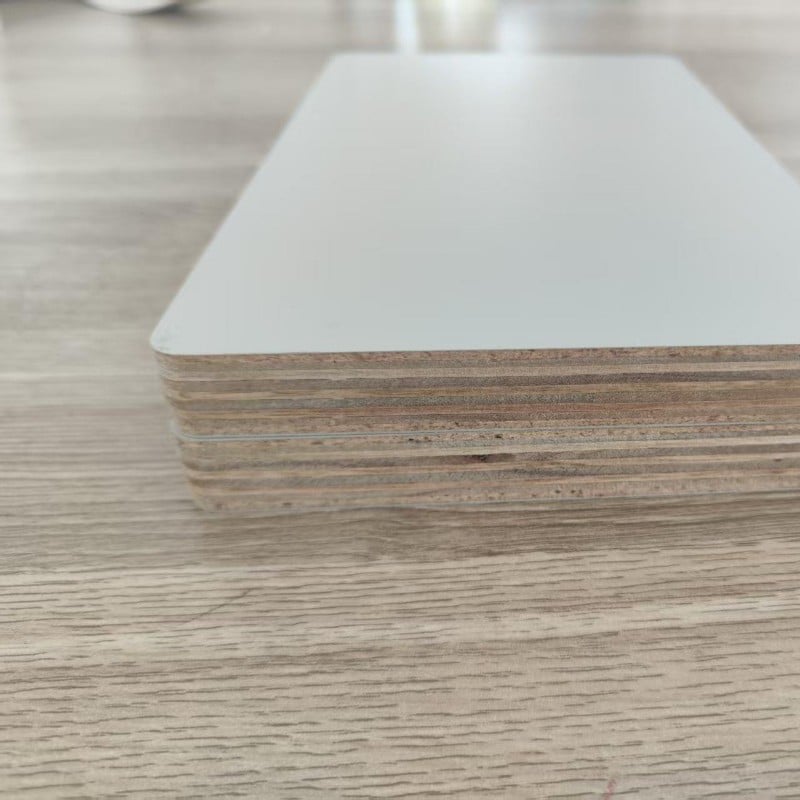
Selecting the right plywood thickness for flooring is one of the most critical decisions in any construction or renovation project. The plywood thickness you choose directly affects structural integrity, sound performance, comfort underfoot, and long-term durability. Many builders and homeowners overlook this fundamental specification, leading to premature wear, deflection, and costly repairs. Understanding which plywood thickness best suits your flooring application ensures your investment performs as intended for decades to come.
The ideal plywood thickness varies based on joist spacing, load requirements, subfloor conditions, and intended use. Residential flooring typically requires different plywood thickness specifications than commercial installations. By understanding these variables and application-specific guidelines, you can make an informed choice that balances structural performance, cost efficiency, and reliability across your entire flooring system.
Understanding Plywood Thickness Standards for Flooring
Common Plywood Thickness Options
Standard plywood thickness options for flooring include 15/32 inch, 19/32 inch, and 23/32 inch, each engineered for specific structural demands. The plywood thickness of 15/32 inch serves lighter residential applications with 16-inch joist spacing, providing adequate support for single-story homes with moderate foot traffic. The plywood thickness of 19/32 inch accommodates 20-inch joist spacing and offers improved rigidity, making it suitable for most residential projects and some commercial spaces. The plywood thickness of 23/32 inch supports 24-inch joist spacing and delivers superior deflection resistance, ideal for high-traffic commercial environments and multi-story residential buildings. Choosing the correct plywood thickness ensures that your subfloor can handle both static loads and dynamic impact without excessive movement or noise.
How Plywood Thickness Affects Performance
The plywood thickness directly influences floor deflection, which is the amount a floor bends under load. Thinner plywood thickness materials flex more easily, potentially causing squeaking, cracking in finish floors, and uneven surfaces over time. Thicker plywood thickness materials provide greater stiffness and distribute loads more evenly across support structures, resulting in quieter, more stable floors. Additionally, plywood thickness affects sound transmission through floors, with thicker materials naturally damping vibrations better than thin alternatives. The relationship between plywood thickness and performance is not linear—doubling thickness does not double performance, but it does create measurable improvements in stiffness and noise reduction.
Selecting Plywood Thickness By Application and Joist Spacing
Residential Flooring Specifications
Residential applications typically employ plywood thickness standards established by building codes and industry practice guidelines. For 16-inch on-center joist spacing, a plywood thickness of 15/32 inch meets minimum requirements for single-story homes with standard residential loads. For 20-inch on-center spacing, upgrade to plywood thickness of 19/32 inch to prevent excessive deflection and noise transmission between floors. For 24-inch on-center spacing, use plywood thickness of 23/32 inch to ensure adequate stiffness and comfort during normal walking activity. Building inspectors verify that the specified plywood thickness matches local codes, so confirm requirements before ordering materials. Most residential builders find that investing in slightly thicker plywood thickness than the absolute minimum delivers better long-term performance and fewer callbacks.
Commercial and Heavy-Traffic Applications
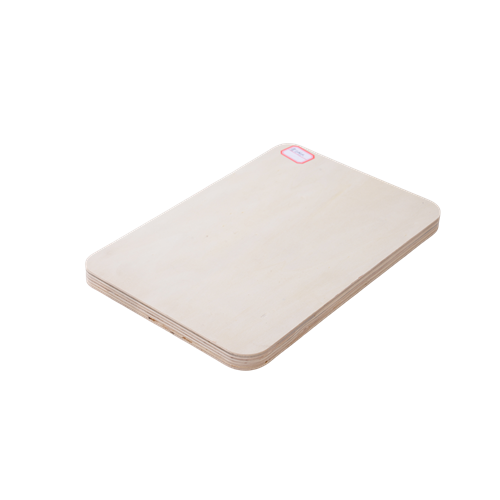
Commercial flooring demands significantly more robust plywood thickness specifications than residential use. Warehouses, retail environments, and industrial facilities require plywood thickness of at least 23/32 inch, even with closer joist spacing, to withstand concentrated loads from equipment, furniture, and high-traffic patterns. In some cases, commercial specifications call for plywood thickness of 1 1/8 inch or thicker to provide extra margin against deflection under rolling loads and point impacts. The plywood thickness choice also influences attachment of floor coverings, partition walls, and mechanical systems mounted to the subfloor. Commercial architects and engineers typically specify plywood thickness with explicit engineering calculations to ensure floors meet deflection limits, typically set at L/240 or stricter for sensitive environments. Using proper commercial-grade plywood thickness reduces maintenance costs and extends the life of finish floors in demanding settings.
Installation Considerations and Long-Term Performance Factors
Moisture and Environmental Impact on Plywood Thickness
Moisture exposure significantly affects performance of plywood thickness materials, as water absorption causes dimensional instability and can compromise structural properties over time. Proper site storage protects plywood thickness materials from rain, humidity, and ground contact before installation, maintaining dimensional accuracy and strength. During installation, maintain spacing guidelines—the recommended plywood thickness should include slight expansion gaps around the perimeter and between sheets to accommodate seasonal wood movement. In damp environments like bathrooms or basements, specify marine-grade or moisture-resistant plywood thickness formulations with better water resistance than standard interior grades. After installation, ensure proper ventilation beneath the subfloor to maintain moisture balance, which directly supports the long-term integrity of your plywood thickness investment. Ignoring these moisture considerations can degrade performance of even premium plywood thickness materials within just a few years.
Installation Best Practices for Optimal Results
Correct fastening methodology maximizes the structural benefit of your specified plywood thickness and prevents separation failures. Fasteners should be spaced at maximum 12 inches on joists and 8 inches on perimeter edges to fully activate the plywood thickness material's stiffness properties. Use construction adhesive in conjunction with fasteners to bond the plywood thickness to joists, creating a composite system stronger than fasteners alone. Stagger joints between sheets of plywood thickness material rather than allowing four corners to meet, which distributes loads more evenly. After installation, allow the plywood thickness subfloor to acclimate for at least 48 hours before installing finish flooring, ensuring dimensional stability. Substandard installation practices can neutralize the structural advantages you gained by selecting appropriate plywood thickness specifications.
FAQ
What plywood thickness do I need for 16-inch joist spacing?
For 16-inch on-center joist spacing in residential applications, plywood thickness of 15/32 inch is the minimum standard that meets building code requirements. However, many builders prefer plywood thickness of 19/32 inch for improved comfort and reduced floor noise, even with this closer joist spacing. The slightly thicker plywood thickness option provides better long-term performance at a modest cost premium.
Can I use thinner plywood thickness to save cost on my flooring project?
While thinner plywood thickness reduces initial material costs, it often leads to expensive problems like squeaking floors, cracked finish materials, and voided warranties. Using plywood thickness below code minimums may not pass inspection and creates liability issues if floor failures occur. Investing in proper plywood thickness from the start typically costs less than addressing structural failures and refinishing work later.
How does plywood thickness differ between residential and commercial applications?
Commercial flooring typically requires plywood thickness specifications one or two grades thicker than residential minimums due to higher traffic loads and stricter deflection requirements. Commercial plywood thickness must handle concentrated loads from equipment and furniture without excessive movement, necessitating materials like 23/32 inch or 1 1/8 inch. Residential plywood thickness can often meet performance targets with 15/32 or 19/32 inch materials, as loads are distributed more uniformly and traffic patterns less demanding.