 EN
EN

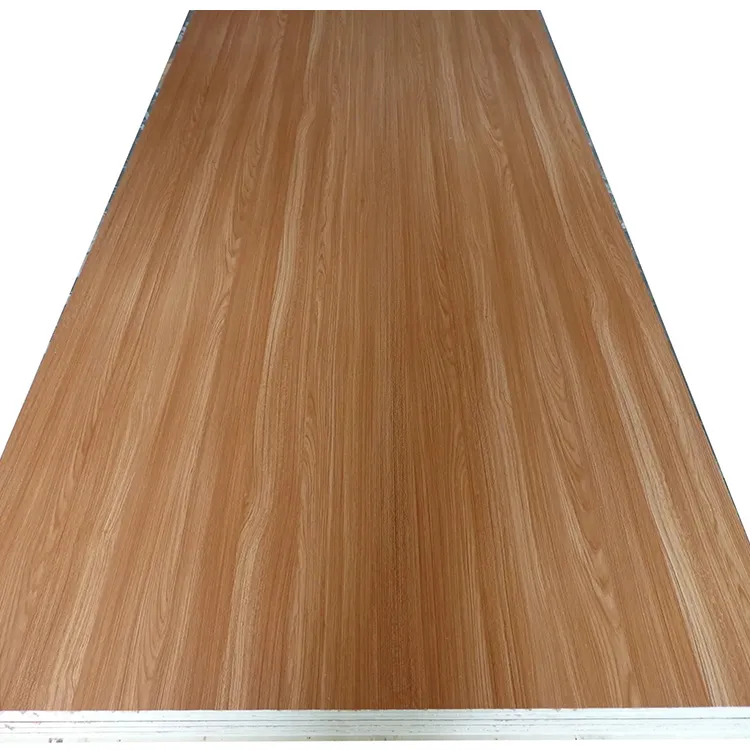
Selecting the optimal plywood sizes for cabinet making is one of the most critical decisions in any woodworking project, directly impacting material efficiency, construction quality, and overall project costs. Professional cabinet makers understand that choosing the wrong plywood sizes can lead to excessive waste, structural weaknesses, and significant budget overruns that compromise the entire build.
The cabinet making industry has established specific standards for plywood dimensions that maximize both structural integrity and material utilization. These standards vary depending on the cabinet type, installation requirements, and manufacturing approach, making it essential to understand which plywood sizes align best with your specific cabinet construction goals and workspace limitations.
Standard Plywood Dimensions for Cabinet Construction
Common Sheet Sizes in Cabinet Manufacturing
The most widely used plywood sizes in cabinet making are the 4x8 foot sheets, measuring 1220mm x 2440mm in metric dimensions. These standard plywood sizes provide optimal coverage for most cabinet applications while maintaining manageable handling characteristics in workshop environments. Professional cabinet shops rely heavily on these dimensions because they align perfectly with standard cabinet height requirements and door proportions.
European cabinet makers often prefer the 1220mm x 2440mm format, which corresponds to the international standard for plywood sizes. This dimension allows for efficient cutting patterns when creating cabinet boxes, shelving systems, and door panels. The width of 1220mm is particularly beneficial for creating cabinet sides without requiring additional joints or seams that could compromise structural integrity.
Smaller plywood sizes, such as 2x4 foot sheets, are increasingly popular for custom cabinet projects and smaller workshop spaces. These compact dimensions offer greater maneuverability during construction while still providing adequate material for standard cabinet components. Many cabinet makers find these smaller plywood sizes ideal for prototype development and specialized cabinet installations.
Thickness Variations and Their Applications
Cabinet construction typically requires multiple thickness options within the standard plywood sizes range. The 18mm thickness is considered the industry standard for cabinet sides and shelving, providing excellent load-bearing capacity while maintaining reasonable material costs. This thickness works exceptionally well with standard hardware systems and ensures long-term structural stability.
For cabinet backs and drawer bottoms, 9mm plywood sizes offer the perfect balance between material economy and functional strength. These thinner panels reduce overall cabinet weight while providing adequate support for typical storage loads. Professional cabinet makers often combine multiple thickness options within a single project to optimize both performance and material efficiency.
Heavy-duty applications may require 25mm plywood sizes, particularly for work surfaces, thick shelving, or structural elements that must support significant weight loads. Understanding when to specify these thicker dimensions is crucial for creating cabinets that meet both aesthetic and functional requirements throughout their service life.
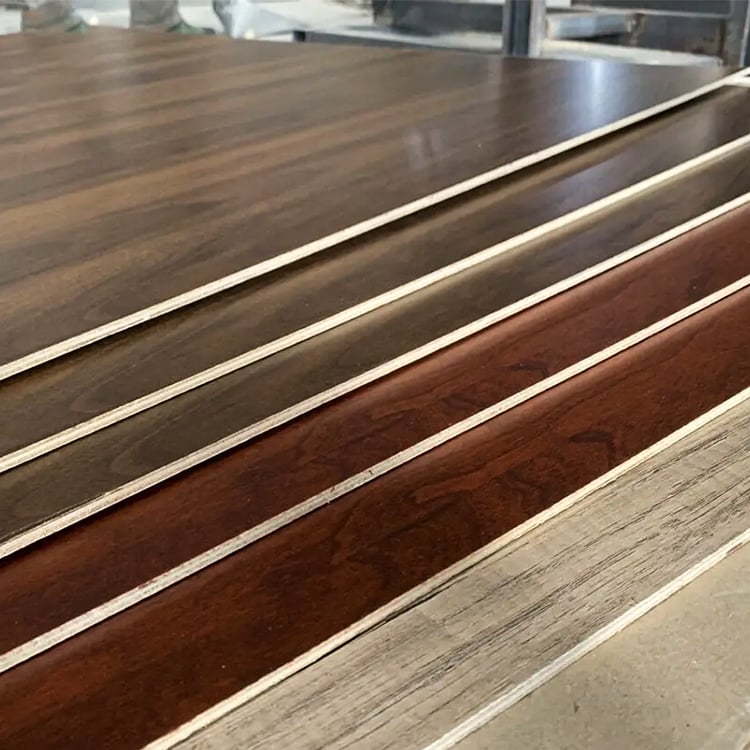
Optimizing Material Efficiency with Strategic Size Selection
Cutting Pattern Analysis for Maximum Yield
Efficient cabinet making begins with analyzing how standard plywood sizes can be optimized through strategic cutting patterns. The 4x8 foot format allows cabinet makers to extract multiple components from a single sheet while minimizing waste material. Professional shops often develop cutting diagrams that maximize the number of cabinet parts extracted from each sheet.
When working with plywood sizes of 1220x2440mm, cabinet makers can typically extract two full cabinet sides, multiple shelves, and door components from a single sheet. This approach significantly reduces material costs while ensuring consistent grain patterns across related cabinet components.
Advanced cutting optimization software helps cabinet shops determine the most efficient plywood sizes for specific project requirements. These tools analyze cabinet dimensions, component quantities, and material specifications to recommend optimal sheet sizes that minimize waste while meeting project timelines and quality standards.
Project Scale Considerations
Large-scale cabinet installations benefit from standardizing on specific plywood sizes that streamline inventory management and production workflows. Commercial cabinet shops often focus on the 4x8 foot format because it provides consistency across multiple projects while simplifying material ordering and storage requirements.
Smaller custom projects may benefit from mixed plywood sizes that allow for more precise material utilization. Cabinet makers working on specialized installations often combine standard 4x8 sheets with smaller dimensions to accommodate unique design requirements while maintaining cost efficiency throughout the construction process.
Understanding project scale helps determine whether to invest in larger plywood sizes that provide maximum flexibility or smaller dimensions that offer better handling characteristics and reduced waste for specific applications. This decision significantly impacts both project economics and workshop efficiency.
Cabinet Type-Specific Size Requirements
Kitchen Cabinet Specifications
Kitchen cabinets typically require plywood sizes that accommodate standard appliance dimensions and countertop installations. Base cabinets generally use 24-inch deep components that align perfectly with standard plywood sizes when properly planned. The 4x8 foot format provides adequate material for creating multiple base cabinet sides while maintaining consistent grain orientation.
Upper kitchen cabinets benefit from plywood sizes that allow for efficient extraction of 12-inch and 15-inch deep components. Professional kitchen cabinet makers often specify 18mm thickness for structural components while using 9mm plywood sizes for backs and adjustable shelving systems that reduce overall cabinet weight.
Custom kitchen installations may require specialized plywood sizes to accommodate unique ceiling heights, appliance configurations, or architectural features. Understanding these requirements early in the design process ensures optimal material selection and minimizes field modifications during installation.
Built-in Storage Solutions
Built-in storage cabinets often require plywood sizes that accommodate non-standard dimensions and custom fitting requirements. These applications frequently benefit from the flexibility offered by standard 4x8 foot sheets that can be efficiently cut to match specific architectural constraints while maintaining structural integrity.
Closet systems and pantry cabinets typically utilize plywood sizes that maximize vertical storage capacity while providing adequate clearance for doors and hardware. The standard 1220x2440mm format works exceptionally well for these applications because it provides sufficient height for full-length hanging spaces while accommodating standard door widths.
Entertainment centers and media cabinets require plywood sizes that can accommodate large electronic equipment while providing adequate ventilation and cable management. These specialized applications often combine multiple thickness options within the standard plywood sizes range to create both structural and aesthetic elements.
Quality Considerations in Plywood Size Selection
Material Stability and Dimensional Accuracy
Professional cabinet makers understand that plywood sizes must maintain dimensional stability throughout the construction process and service life. Standard 4x8 foot sheets from reputable manufacturers typically provide superior flatness and dimensional consistency compared to non-standard sizes that may exhibit warping or measurement variations.
The manufacturing process for standard plywood sizes benefits from established quality control procedures that ensure consistent thickness, moisture content, and surface quality. These factors directly impact cabinet construction quality and long-term performance, making size selection an important quality consideration beyond simple dimensional requirements.
Dimensional accuracy becomes particularly important when working with multiple sheets of the same plywood sizes specification. Variations between sheets can create assembly challenges and compromise the precision required for professional cabinet construction, making supplier selection as important as size specification.
Edge Quality and Finishing Considerations
Standard plywood sizes typically feature factory-cut edges that provide superior straightness and surface quality compared to field-cut dimensions. These edges are essential for creating tight joints and professional-appearing cabinet assemblies that meet commercial quality standards.
The edge quality of different plywood sizes varies depending on manufacturing processes and handling procedures. Cabinet makers often specify standard dimensions specifically to ensure optimal edge condition that minimizes sanding and preparation time during the construction process.
Finishing requirements may influence plywood sizes selection when edge banding or solid wood edge treatments are planned. Standard dimensions often provide more predictable edge characteristics that facilitate consistent finishing results across multiple cabinet components.
FAQ
What is the most common plywood size for cabinet making?
The most common plywood size for cabinet making is the 4x8 foot sheet (1220mm x 2440mm), which provides optimal material utilization and aligns with standard cabinet dimensions. This size allows cabinet makers to extract multiple components from a single sheet while maintaining manageable handling characteristics in most workshop environments.
How do I calculate the right plywood thickness for cabinet shelves?
Cabinet shelf thickness should be determined based on span length and expected load requirements. For spans up to 24 inches, 18mm plywood provides adequate support for typical storage loads, while longer spans or heavy-duty applications may require 25mm thickness. Always consider the specific load requirements and adjust thickness accordingly.
Can I mix different plywood sizes in one cabinet project?
Yes, mixing different plywood sizes within a single cabinet project can optimize material efficiency and reduce waste. Many cabinet makers combine 4x8 foot sheets for major components with smaller sizes for specialized parts, ensuring both cost efficiency and design flexibility while maintaining consistent quality throughout the project.
What plywood size works best for small workshop spaces?
For small workshop spaces, 2x4 foot plywood sheets or half-sheets (4x4 feet) provide better maneuverability and storage efficiency while still accommodating most cabinet components. These smaller plywood sizes are easier to handle, require less storage space, and can still meet the dimensional requirements for typical cabinet construction projects.