 EN
EN

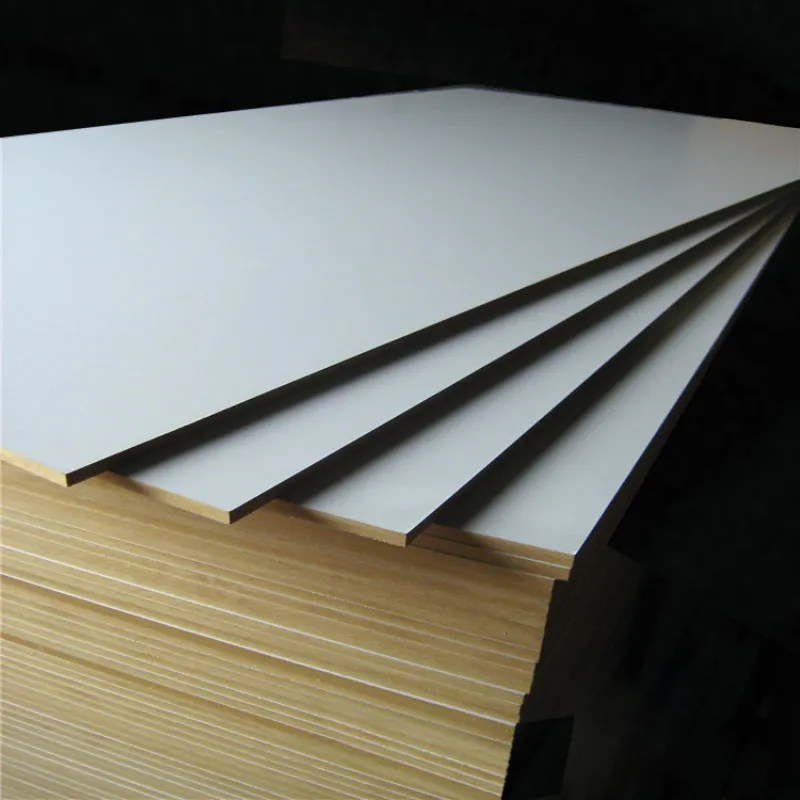
Medium-density fiberboard, commonly known as MDF material, represents one of the most versatile and widely utilized engineered wood products in modern construction and furniture manufacturing. This composite material has revolutionized the way builders, carpenters, and furniture makers approach their projects by offering consistent quality, affordability, and remarkable workability that natural wood cannot always provide.
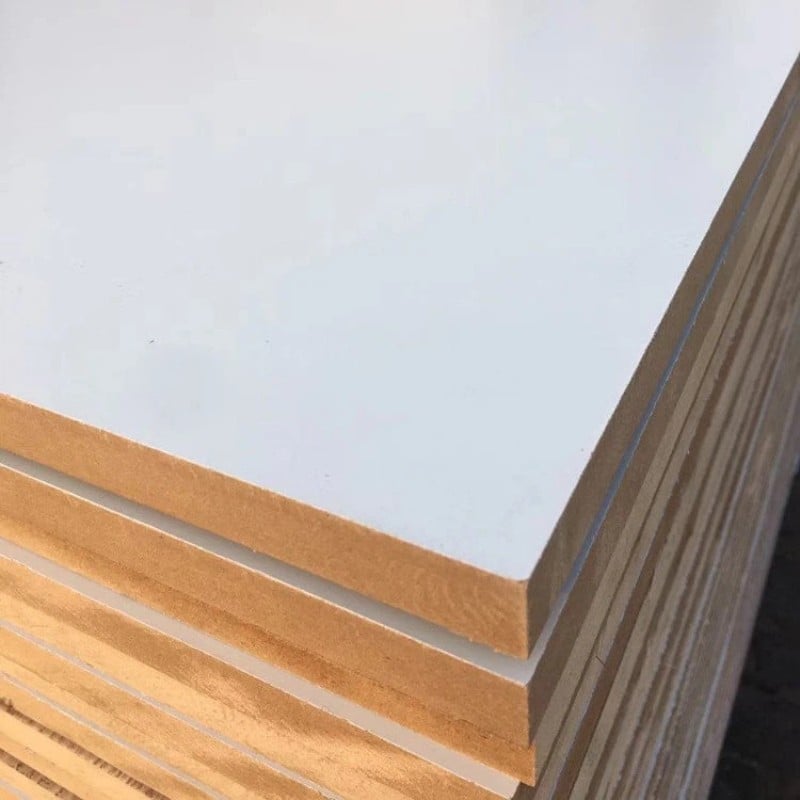
Understanding what MDF material truly is and recognizing its key advantages becomes essential for anyone involved in woodworking, construction, or furniture production. This engineered wood product has gained tremendous popularity across industries due to its unique manufacturing process and resulting characteristics that address many limitations found in traditional solid wood materials.
Understanding the Composition and Manufacturing of MDF Material
Raw Material Components
MDF material begins its journey as wood fibers derived primarily from hardwood and softwood residuals, recycled wood waste, and dedicated wood chips. These raw materials undergo extensive processing where they are broken down into individual fibers through a combination of mechanical and thermal treatments. The quality of MDF material depends heavily on the consistency and purity of these wood fibers, which must meet specific size and moisture content requirements.
The fiber preparation process involves removing bark, foreign materials, and oversized wood pieces before the actual breakdown begins. Modern MDF material production facilities utilize advanced screening systems to ensure only suitable wood materials enter the fiberizing process, resulting in more uniform and predictable final products.
The Manufacturing Process
The creation of MDF material involves a sophisticated multi-stage process that begins with steam cooking the prepared wood fibers at high temperatures. This thermal treatment softens the lignin within the wood fibers, making them more pliable and easier to form into the desired density. Following the cooking process, the fibers are mechanically refined using rotating disc refiners that break them down to the precise size needed for optimal bonding.
After fiber preparation, synthetic resin binders, typically urea-formaldehyde or phenol-formaldehyde, are applied to the fibers in a controlled blending process. The resin-coated fibers are then formed into a mat using specialized equipment that ensures even distribution and consistent thickness. This mat undergoes hot pressing at temperatures reaching 200°C and pressures exceeding 3.5 MPa, which activates the resin binders and creates the dense, uniform structure characteristic of quality mdf material.
Quality Control and Finishing
Once the hot pressing cycle completes, the newly formed MDF material undergoes careful cooling and conditioning to stabilize its moisture content and internal stresses. Quality control measures include density testing, thickness verification, and surface smoothness evaluation to ensure each panel meets industry standards. The finished MDF material may receive additional surface treatments such as sanding or coating applications depending on its intended use.
Modern MDF material production includes sophisticated monitoring systems that track temperature, pressure, and timing throughout the manufacturing process. This technological approach ensures consistent quality and allows manufacturers to produce MDF material with specific properties tailored to different applications and performance requirements.
Key Advantages of MDF Material in Construction Applications
Superior Surface Smoothness and Workability
One of the most significant advantages of MDF material lies in its exceptionally smooth and uniform surface texture. Unlike natural wood, MDF material contains no grain patterns, knots, or density variations that can interfere with finishing operations. This characteristic makes MDF material ideal for applications requiring flawless paint finishes, veneer application, or laminate bonding where surface imperfections would show through the final coating.
The uniform density throughout MDF material ensures consistent machining behavior when cutting, drilling, or shaping. Woodworkers appreciate how MDF material responds predictably to various tools and techniques, eliminating the surprises often encountered when working with natural wood species that contain varying grain densities and directions.
Dimensional Stability and Consistency
MDF material exhibits remarkable dimensional stability compared to solid wood products, showing minimal expansion and contraction in response to humidity and temperature changes. This stability results from the manufacturing process that eliminates the directional grain structure found in natural wood, creating an isotropic material that behaves uniformly in all directions.
The consistent thickness and density of MDF material panels ensure predictable structural performance across large installations. Builders and fabricators can rely on MDF material to maintain its dimensions and flatness over time, reducing callbacks and warranty issues associated with warping, twisting, or dimensional changes that commonly affect natural wood products.
Cost-Effectiveness and Availability
MDF material offers significant cost advantages compared to solid hardwood alternatives while delivering comparable or superior performance in many applications. The manufacturing process allows producers to utilize wood waste and lower-grade raw materials that would otherwise have limited value, creating an economical product that makes high-quality results accessible to budget-conscious projects.
The widespread availability of MDF material in various thicknesses and grades ensures consistent supply for both large-scale commercial projects and small residential applications. Unlike natural wood species that may face availability constraints due to harvesting cycles or environmental restrictions, MDF material production can adapt quickly to market demands while maintaining consistent pricing and quality standards.
MDF Material Applications Across Different Industries
Furniture Manufacturing Excellence
The furniture industry has embraced MDF material as a primary substrate for countless applications, from cabinet doors and shelving to decorative panels and structural components. MDF material accepts virtually any finish treatment, including paint, stain, veneer, and laminate application, allowing furniture designers to achieve their aesthetic vision without the constraints imposed by natural wood grain patterns.
Kitchen and bathroom cabinetry particularly benefit from MDF material due to its moisture resistance when properly sealed and its ability to maintain precise tolerances required for modern hardware systems. The smooth surface of MDF material ensures that hinges, drawer slides, and other mechanical components function properly throughout the furniture's service life.
Architectural Millwork and Trim Applications
MDF material has revolutionized architectural millwork by providing a stable, machinable substrate for complex molding profiles and decorative elements. The material's uniform density allows for crisp, detailed cuts that maintain their sharpness through installation and finishing processes. Crown moldings, baseboards, and window casings made from MDF material resist the splitting and grain tear-out common with natural wood products.
Interior designers appreciate how MDF material accepts paint and other coatings uniformly, eliminating the grain raise and surface texture variations that can detract from high-end architectural installations. The material's dimensional stability ensures that joints remain tight and uniform appearance is maintained even in challenging environmental conditions.
Industrial and Packaging Applications
Beyond traditional construction uses, MDF material serves important roles in industrial applications where consistent properties and reliable performance are essential. The material's uniform density makes it suitable for templates, jigs, and fixtures used in manufacturing operations where precision and repeatability are critical requirements.
Packaging industries utilize specialized MDF material formulations for creating display stands, shipping containers, and protective packaging solutions. The material's ability to be precisely machined and its resistance to damage during handling make it an excellent choice for applications requiring both structural integrity and cost efficiency.
Environmental Considerations and Sustainability Benefits
Resource Efficiency and Waste Reduction
MDF material production contributes to environmental sustainability by utilizing wood waste materials that would otherwise require disposal or incineration. Sawmill residues, recycled wood products, and forest thinnings provide the raw materials for MDF material manufacturing, effectively extending the useful life of wood resources and reducing pressure on virgin timber stands.
The efficiency of MDF material utilization means that virtually all of the input wood fiber becomes part of the finished product, contrasting favorably with solid wood processing where significant portions become waste. This resource efficiency translates into reduced environmental impact per unit of usable building material produced.
Emissions and Indoor Air Quality
Modern MDF material production has evolved to address formaldehyde emission concerns through improved resin formulations and manufacturing processes. Low-emission and ultra-low-emission MDF material grades now meet stringent indoor air quality standards, making them suitable for sensitive applications including schools, healthcare facilities, and residential environments.
Third-party certification programs help specifiers identify MDF material products that meet specific environmental and health standards. These certifications provide assurance that the MDF material contributes to green building goals while maintaining the performance characteristics required for successful project outcomes.
Lifecycle Assessment Benefits
Comprehensive lifecycle assessment studies demonstrate that MDF material often provides environmental advantages when compared to alternative materials over the complete product lifespan. The durability and longevity of properly specified MDF material reduce replacement frequency, while the material's recyclability at end-of-life supports circular economy principles.
Energy efficiency in MDF material production continues to improve through technological advances and waste heat recovery systems. Many manufacturers now operate carbon-neutral or carbon-negative facilities, further enhancing the environmental profile of MDF material products for sustainability-focused construction projects.
FAQ
How does MDF material compare to plywood in terms of strength and durability?
MDF material offers superior surface smoothness and uniform density compared to plywood, making it ideal for applications requiring flawless finishes. However, plywood typically provides greater structural strength and moisture resistance due to its laminated construction with alternating grain directions. MDF material excels in applications where surface quality and machinability are priorities, while plywood performs better in structural applications requiring high load-bearing capacity.
Can MDF material be used in moisture-prone environments like bathrooms?
Standard MDF material requires proper sealing and finishing when used in moisture-prone environments. However, moisture-resistant MDF material formulations are specifically designed for bathroom and kitchen applications. These specialized products incorporate water-resistant adhesives and may include moisture barriers that significantly improve their performance in humid conditions. Proper edge sealing and surface finishing remain critical for long-term durability in any moisture-prone application.
What safety precautions should be taken when working with MDF material?
Working with MDF material requires standard woodworking safety equipment including dust masks or respirators, eye protection, and proper ventilation. The fine dust produced during cutting and sanding MDF material can be particularly irritating to respiratory systems. Additionally, some MDF material products may contain formaldehyde-based adhesives, making adequate ventilation important during installation and finishing. Following manufacturer safety data sheets and using appropriate personal protective equipment ensures safe handling and installation.
How should MDF material be stored and handled on construction sites?
Proper storage of MDF material requires keeping panels flat, well-supported, and protected from moisture. Panels should be stored in covered areas with adequate air circulation and kept elevated off the ground using appropriate blocking. MDF material can absorb moisture rapidly if exposed to rain or high humidity, potentially causing swelling and surface damage. Handle panels with care to avoid edge damage, and acclimate the material to job site conditions before installation to minimize dimensional changes after installation.