 EN
EN

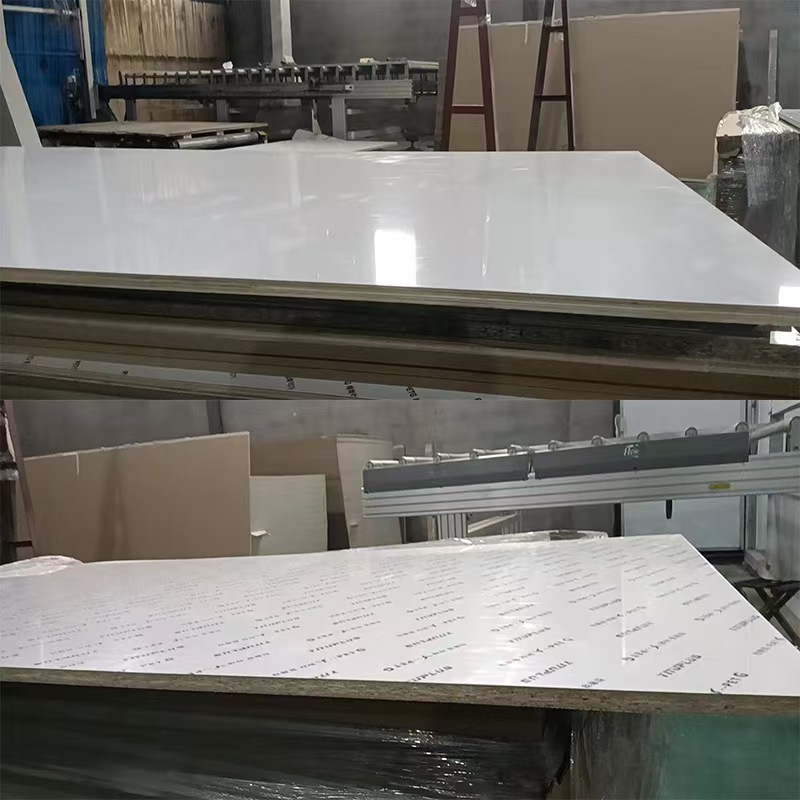
Evaluating the surface performance of pet chipboard is essential for manufacturers, designers, and procurement professionals who need durable, high-quality materials for kitchen cabinets, furniture, and interior applications. Pet chipboard has become a preferred choice in modern manufacturing because of its superior finish options, moisture resistance, and aesthetic versatility. However, not all pet chipboard products perform equally, and understanding how to assess surface quality directly impacts long-term product satisfaction, warranty claims, and customer retention. This guide explains the critical evaluation criteria and practical methods for testing pet chipboard performance in real-world conditions.
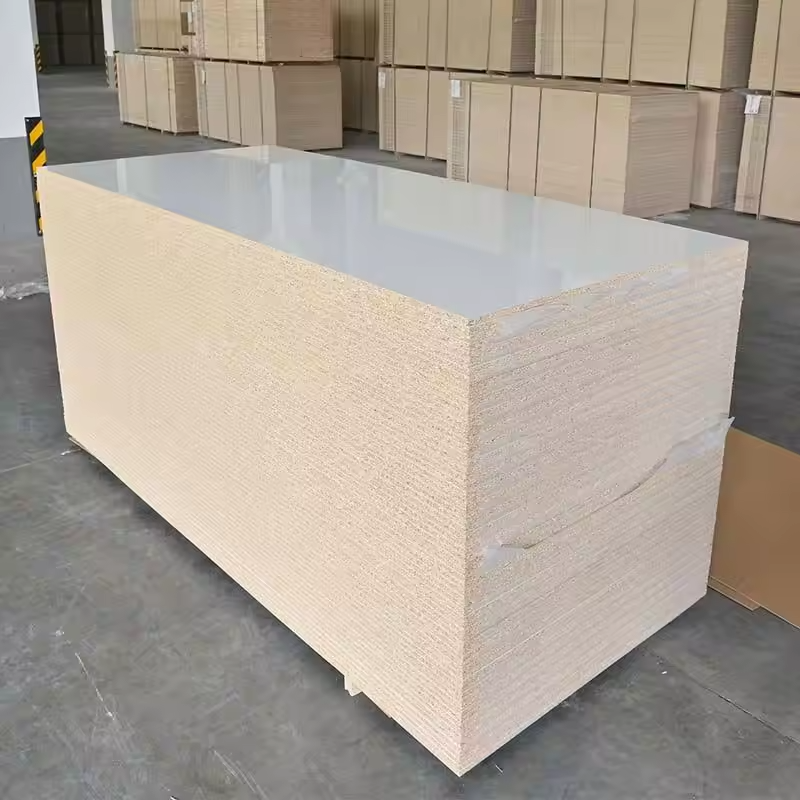
The assessment of pet chipboard surface performance requires both laboratory testing and practical observation methods. Manufacturers must evaluate scratch resistance, gloss retention, color stability, dimensional stability, and edge banding durability. These factors determine whether pet chipboard will maintain its appearance and functionality throughout its service life. A comprehensive evaluation strategy helps you select the right pet chipboard material for your specific application requirements and manufacturing environment.
Understanding Surface Durability Standards for Pet Chipboard
Scratch Resistance Testing Methods
Scratch resistance is one of the most critical performance indicators for pet chipboard used in high-traffic kitchen cabinets and furniture. The Taber Abraser test, ISO 5470 standard, and cross-hatch adhesion tests provide quantifiable measurements of how well the surface resists mechanical damage. When evaluating pet chipboard samples, conduct a minimum of 500 cycles using standard test wheels and measure the haze development across the surface. A quality pet chipboard product should show minimal haze accumulation and retain its gloss level even after aggressive testing. Additionally, perform manual scratch tests using common household items like keys, utensils, and sharp objects to simulate real-world contact scenarios that pet chipboard surfaces encounter in kitchen environments.
Impact and Dent Resistance Assessment
Impact resistance testing determines how pet chipboard performs when subjected to drops, impacts, or accidental strikes during manufacturing, shipping, and end-use. The Gardner Impact Test and ASTM D2794 standard provide standardized protocols for measuring dent resistance. When assessing pet chipboard, test samples at various impact energy levels and document the depth and visibility of resulting damage. High-performance pet chipboard should exhibit minimal cracking, splintering, or permanent deformation at impact levels typical in kitchen and furniture applications. Environmental factors such as temperature and humidity can affect the pet chipboard's resilience, so conduct impact testing under controlled conditions that reflect actual storage and installation environments.
Evaluating Chemical and Moisture Resistance in Pet Chipboard
Chemical Exposure and Stain Resistance
Pet chipboard surfaces in kitchen cabinets face regular exposure to cooking oils, cleaning agents, acidic foods, and household chemicals. Testing chemical resistance involves applying standard test liquids directly to pet chipboard samples and measuring surface changes after specific exposure periods. Common test substances include water, alcohol, acetone, coffee, wine, and kitchen cleaners. Place test liquids on pet chipboard samples for 24 hours or as specified in ISO 2409 protocols, then evaluate the surface for discoloration, swelling, or coating degradation. Premium pet chipboard products should show no significant color change or surface deterioration when exposed to these common household substances. Document all observations and compare results across different pet chipboard manufacturers to make informed material selections.
Moisture and Humidity Performance
Moisture resistance is fundamental to pet chipboard performance in humid kitchen environments, bathrooms, and areas near water sources. Evaluate pet chipboard by subjecting samples to humidity chambers set at 85% relative humidity and elevated temperatures for extended periods. Measure dimensional changes, surface swelling, and coating stability before and after moisture exposure. The pet chipboard should demonstrate minimal thickness increase, typically less than 0.5 mm over 72 hours, indicating effective moisture barrier properties. Additionally, inspect the adhesion between the pet film layer and the chipboard substrate after moisture testing. Delamination or edge swelling indicates poor performance and potential durability issues in real-world applications. Formaldehyde-free pet chipboard formulations often provide superior moisture stability compared to traditional products.
Color Stability and Finish Quality Assessment for Pet Chipboard
Gloss Retention and Color Fastness
The visual appeal of pet chipboard depends on maintaining consistent gloss levels and color integrity throughout the product lifecycle. Conduct accelerated UV aging tests according to ASTM G154 standards using UV-A lamps that simulate sunlight exposure over months or years. Measure gloss values using a gloss meter before and after UV exposure to quantify gloss retention in pet chipboard samples. High-quality pet chipboard products should retain at least 80% of original gloss after 1000 hours of accelerated aging. Monitor color changes using spectrophotometry to detect any yellowing, fading, or hue shifts in the pet chipboard surface. Document the Delta E values, which numerically express color differences, and ensure they remain within acceptable tolerances for your specific application requirements.
Surface Uniformity and Finish Consistency
Visual inspection of surface uniformity is an essential but often overlooked aspect of pet chipboard assessment. Examine the pet chipboard samples under standardized lighting conditions to identify any color banding, gloss inconsistency, texture irregularities, or visible defects. High-gloss pet chipboard should display mirror-like uniformity without wave patterns or stress marks, while matte or textured pet chipboard should show consistent surface feel and appearance across the entire sheet. Run your hand across the pet chipboard surface to detect unexpected texture changes or rough spots that could become problematic during furniture assembly or end-use. Check edge banding and corner areas where the pet film transitions to substrate edges, as these regions often reveal manufacturing inconsistencies that signal lower-quality pet chipboard products.
FAQ
What are the main differences between high-gloss and matte PET chipboard finishes?
High-gloss pet chipboard delivers a mirror-like appearance that reflects light uniformly and creates a premium aesthetic suitable for contemporary kitchen designs. Matte pet chipboard provides a softer, less reflective surface that resists fingerprints and hides minor scratches, making it ideal for busy family kitchens and commercial applications. Both finishes can offer excellent durability, but their performance characteristics differ in terms of light reflection, fingerprint visibility, and surface feel. Choose based on your design preferences and practical maintenance requirements.
How often should PET chipboard surfaces be tested during production?
Quality control protocols should include testing pet chipboard samples from every production batch or at minimum daily intervals. Implement incoming material inspection where pet chipboard suppliers' test certificates are verified independently. Conduct in-process testing during manufacturing to catch any defects early, and perform final inspection testing on finished pet chipboard sheets before delivery. This multi-stage approach ensures consistent pet chipboard quality and reduces the risk of performance failures in customer applications.
What makes formaldehyde-free PET chipboard superior in surface performance?
Formaldehyde-free pet chipboard uses alternative binding resins that often provide better moisture stability, improved dimensional consistency, and enhanced chemical resistance compared to traditional formulations. The elimination of formaldehyde contributes to a more stable substrate that supports better adhesion with the pet film layer, resulting in improved scratch resistance and reduced delamination risks. Additionally, formaldehyde-free pet chipboard meets stricter environmental standards and appeals to environmentally conscious manufacturers and consumers seeking healthier material options.