 EN
EN

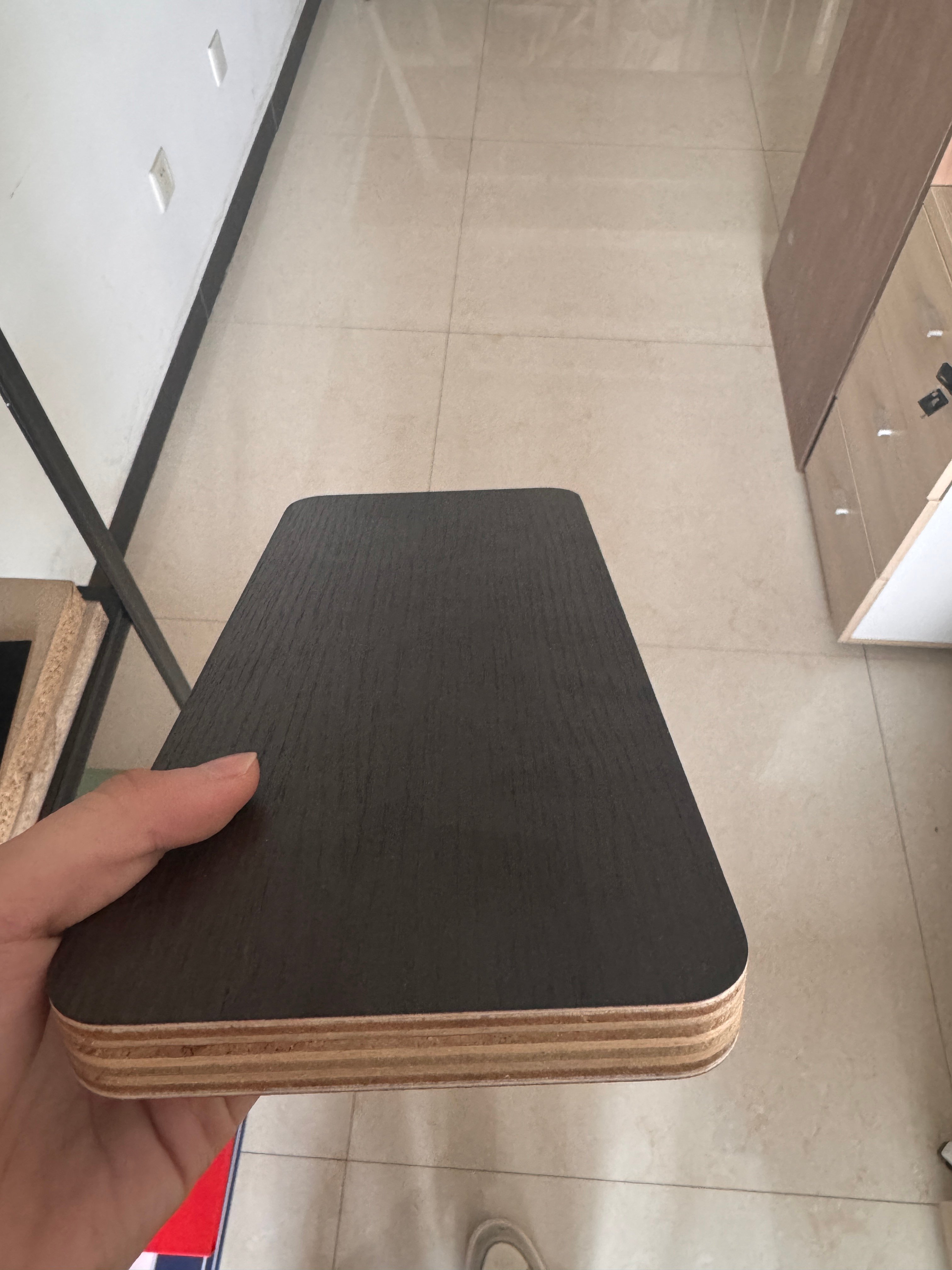
Plywood thickness is one of the most critical factors determining how long your plywood will last and how well it performs under stress. Understanding the relationship between plywood thickness and durability helps you select the right material for your project, whether you're building furniture, constructing subfloors, or creating structural components. The thickness of plywood directly influences its ability to resist bending, warping, moisture damage, and impact, making it a fundamental consideration in material planning and cost optimization.
The durability of plywood depends on multiple interconnected factors, with plywood thickness serving as a primary variable that affects strength, stability, and resistance to environmental stress. Thicker plywood panels offer greater load-bearing capacity, better dimensional stability, and improved resistance to deflection and warping. When you invest in appropriate plywood thickness for your application, you reduce the risk of premature failure, extend the service life of your structure or product, and ultimately achieve better return on investment across residential, commercial, and industrial projects.
Understanding Plywood Thickness and Structural Performance
How Plywood Thickness Impacts Load-Bearing Capacity
The relationship between plywood thickness and load-bearing capacity follows an exponential rather than linear pattern. Doubling the plywood thickness does not simply double the load capacity; instead, it increases strength significantly more due to how structural mechanics work. A 3/4-inch plywood panel can support substantially more weight than a 1/2-inch panel of the same type and grade, making plywood thickness a crucial variable in floor systems, roof decking, and wall sheathing applications. Engineers calculate structural performance based on moment of inertia, a property that increases with the cube of thickness, meaning small increases in plywood thickness yield disproportionately large improvements in load-bearing capability.
Deflection and Sagging Prevention
Deflection represents one of the most visible signs of inadequate plywood thickness, particularly in flooring and ceiling applications. When plywood thickness is insufficient for the span and load requirements, the panels sag or flex excessively, creating structural problems and compromising the durability of finished surfaces. Thicker plywood panels exhibit far greater resistance to deflection, maintaining their original shape and elevation even under sustained loads. Projects that fail to use adequate plywood thickness often experience squeaking floors, cracked drywall, and accelerated wear on finishes, demonstrating how plywood thickness directly correlates with long-term performance and user satisfaction.
Plywood Thickness Standards and Selection Criteria
Common Plywood Thickness Specifications
Industry standards establish specific plywood thickness ratings for different applications, ensuring consistent performance and safety across projects. Typical plywood thickness options in North American markets include 1/4-inch, 3/8-inch, 1/2-inch, 5/8-inch, and 3/4-inch, with each plywood thickness category serving distinct purposes based on load requirements and structural needs. Exterior-grade plywood often requires greater thickness than interior-only applications due to moisture exposure and weather-related stresses. Understanding which plywood thickness category your project requires prevents both under-specification that compromises durability and over-specification that wastes material costs.
Environmental and Climate Considerations
Environmental conditions significantly affect how plywood thickness contributes to overall durability. In high-humidity environments, moisture penetration accelerates wood degradation and delamination, requiring thicker plywood to maintain structural integrity over extended periods. Plywood thickness becomes even more critical in outdoor or marine applications where moisture, temperature cycling, and UV exposure create compounded stresses. Thicker plywood panels experience slower moisture penetration rates relative to their total thickness, providing better long-term protection in challenging climates. Selecting adequate plywood thickness for your specific environmental conditions represents one of the most practical investments in extending the service life of your structure or product.
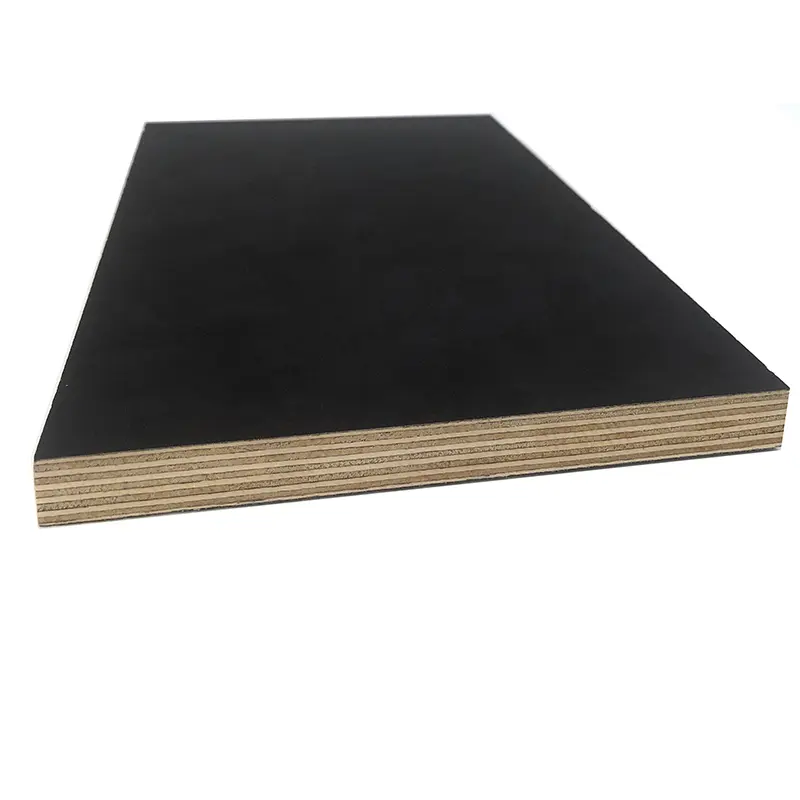
Durability Impact Across Different Applications
Furniture and Interior Products
Furniture durability directly depends on appropriate plywood thickness selection, particularly for components bearing weight or supporting repeated stress. Shelving systems constructed from thin plywood sag and fail prematurely, while thicker plywood maintains flatness and structural integrity through decades of use. Cabinetry and built-in storage benefit from plywood thickness that provides both rigidity and resistance to wood movement caused by humidity changes. Products manufactured from inadequate plywood thickness often require reinforcement through additional framing or bracketing, increasing production costs and complexity while still failing to achieve the durability of properly specified thicker plywood panels.
Structural Applications and Construction
Construction and structural applications demand precise plywood thickness specifications because failure consequences are severe and costly. Building codes establish minimum plywood thickness requirements for floor systems, roof decking, and wall sheathing, with these standards based on decades of structural engineering research and failure analysis. Contractors who select plywood thickness below code minimums risk structural failure, liability exposure, and project rejection. Adequate plywood thickness in subfloors prevents squeaking, floor bounce, and accelerated wear on finish flooring materials. Roof applications benefit enormously from proper plywood thickness, which resists uplift forces during wind events and prevents water infiltration through inadequate fastening zones.
Manufacturing and Product Longevity
Manufacturers of plywood-based products recognize that investing in appropriate plywood thickness delivers significant competitive advantages through superior product durability and reduced warranty claims. Products constructed from thicker plywood experience fewer failures during transportation, installation, and service life. Industrial applications including packaging, pallets, and protective structures rely on plywood thickness specifications that ensure products arrive intact and survive handling stresses. Market reputation and customer satisfaction improve measurably when manufacturers prioritize plywood thickness adequate for intended use rather than pursuing maximum cost reduction through thin-panel specifications.
FAQ
Does thicker plywood always mean better durability?
Thicker plywood generally provides better durability for load-bearing and structural applications, but durability also depends on plywood grade, veneer quality, adhesive type, and environmental protection. Ultra-thin plywood may be appropriate for non-structural applications with minimal stress, while structural applications absolutely require adequate plywood thickness. The optimal plywood thickness balances structural requirements, environmental conditions, budget constraints, and intended service life rather than assuming maximum thickness automatically ensures best results.
How do I determine the correct plywood thickness for my project?
Project-specific plywood thickness selection requires understanding the intended use, load conditions, span distances, and environmental exposure. Building codes provide minimum plywood thickness requirements for common construction applications. Manufacturers and suppliers can recommend appropriate plywood thickness based on your specific application parameters. Consulting structural engineers ensures that selected plywood thickness meets safety requirements and delivers appropriate durability for critical applications where failure creates safety or financial risks.
Can thin plywood be reinforced to improve durability?
Thin plywood can be reinforced with additional framing, blocking, or bracing, but this approach increases costs and complexity while still potentially falling short of using properly specified plywood thickness from the beginning. Reinforcement strategies work best as supplementary measures rather than primary solutions for inadequate plywood thickness. Strategic use of adequate plywood thickness typically proves more cost-effective and delivers superior performance compared to reinforcing thin panels after installation or fabrication.