 EN
EN

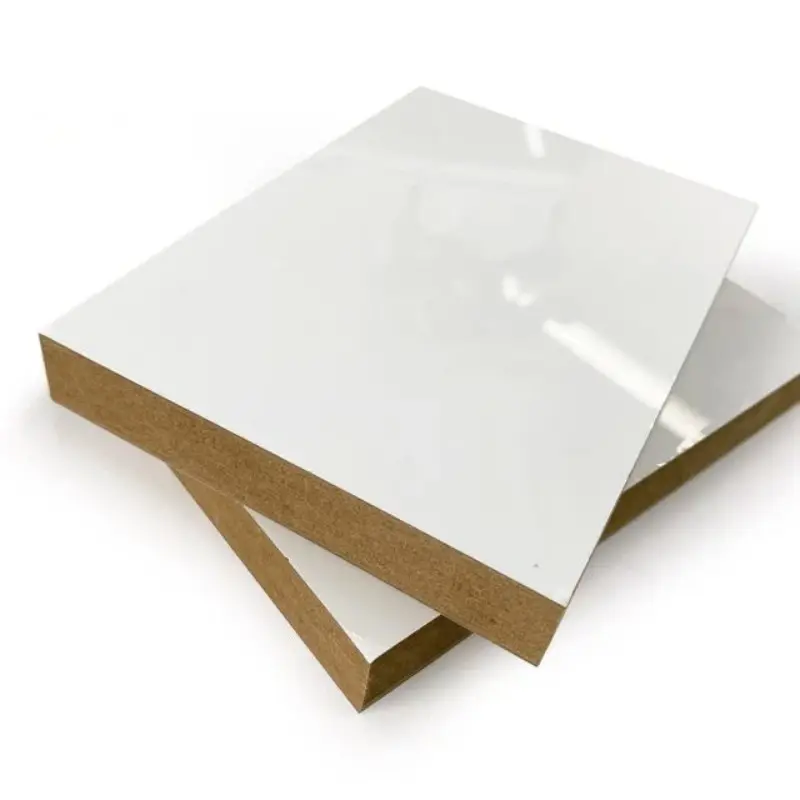
Pet board enhances surface performance through its advanced polyethylene terephthalate (PET) film lamination that transforms ordinary particle board into a high-performance building material. This innovative surface treatment creates a protective barrier that dramatically improves durability, moisture resistance, and aesthetic appeal compared to traditional wood-based panels. The PET film application process bonds permanently to the substrate, resulting in surfaces that withstand heavy use while maintaining their original appearance over extended periods.
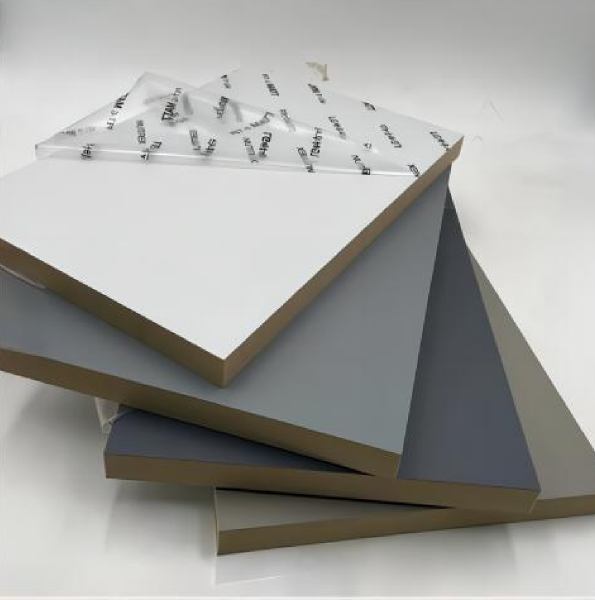
The surface enhancement mechanism of pet board operates through multiple performance layers that work synergistically to deliver superior results in demanding applications. The PET film creates a non-porous surface that prevents moisture penetration, reduces maintenance requirements, and provides consistent performance across various environmental conditions. Understanding how pet board achieves these performance improvements helps architects, contractors, and manufacturers make informed decisions about material selection for projects requiring long-term surface integrity.
PET Film Lamination Technology
Thermal Bonding Process
The thermal bonding process used in pet board manufacturing creates molecular-level adhesion between the PET film and particle board substrate. During production, controlled heat and pressure activate adhesive compounds that form permanent chemical bonds, ensuring the surface treatment cannot delaminate under normal use conditions. This bonding method eliminates the weak points commonly found in mechanically attached surface treatments.
Temperature control during the lamination process determines the final surface characteristics of pet board products. Optimal thermal parameters ensure complete adhesive activation while preventing thermal degradation of either the PET film or underlying substrate. The result is a uniform surface that maintains consistent performance properties across the entire panel area.
Quality control measures during thermal bonding include continuous monitoring of temperature, pressure, and line speed to maintain precise processing conditions. These parameters directly influence how effectively the pet board surface performs in subsequent applications, making process control critical for achieving enhanced surface characteristics.
Multi-Layer Construction Benefits
Pet board construction incorporates multiple functional layers that each contribute specific performance enhancements to the finished surface. The base particle board provides structural stability and dimensional consistency, while intermediate adhesive layers ensure permanent bonding between components. The outer PET film delivers the primary surface performance improvements that distinguish pet board from conventional alternatives.
Each layer in the pet board construction serves a specific purpose in enhancing overall surface performance. The particle board core maintains structural integrity under load, intermediate bonding agents prevent delamination, and the PET surface layer provides moisture resistance, chemical resistance, and aesthetic durability. This layered approach creates synergistic performance benefits that exceed what individual components could achieve independently.
Layer thickness optimization in pet board manufacturing balances performance requirements with cost considerations. Thicker PET films provide enhanced durability but increase material costs, while thinner films may compromise long-term performance in demanding applications. Manufacturers calibrate layer specifications to match intended use requirements and performance expectations.
Surface Durability Enhancement
Scratch and Impact Resistance
The PET surface layer in pet board provides exceptional scratch resistance through its molecular structure and hardness characteristics. Unlike painted or laminated surfaces that can be easily damaged by normal use, pet board maintains its appearance even under heavy traffic conditions. This scratch resistance significantly extends surface life and reduces maintenance requirements in commercial and residential applications.
Impact resistance of pet board surfaces results from the flexible yet tough nature of PET film combined with the shock-absorbing properties of the particle board substrate. When subjected to impact forces, the surface distributes stress across a wider area, preventing localized damage that commonly occurs with brittle surface treatments. This impact distribution mechanism helps maintain surface integrity in high-use environments.
Testing protocols for pet board durability include standardized scratch resistance measurements and impact testing that simulate real-world use conditions. These tests demonstrate how pet board surfaces outperform traditional alternatives in maintaining their original appearance and functionality over extended service periods. The superior performance characteristics make pet board particularly suitable for applications where surface durability is critical.
Chemical and Stain Resistance
Pet board surfaces exhibit excellent chemical resistance due to the inert nature of PET film, which does not react with common household chemicals, cleaning agents, or industrial solvents. This chemical stability prevents surface degradation, discoloration, and structural damage that can occur when aggressive chemicals contact less resistant surface materials. The non-reactive surface maintains its appearance and performance even after repeated exposure to cleaning chemicals.
Stain resistance in pet board results from the non-porous nature of the PET surface layer, which prevents liquids from penetrating into the substrate where they could cause permanent discoloration or damage. Common staining agents like coffee, wine, grease, and ink remain on the surface where they can be easily cleaned without leaving permanent marks. This stain resistance reduces maintenance costs and extends the useful life of pet board installations.
The smooth surface texture of pet board prevents dirt and contaminants from adhering strongly, making routine cleaning more effective and less labor-intensive. Unlike textured surfaces that can trap particles and stains, the smooth PET surface releases contaminants easily with standard cleaning methods. This self-cleaning characteristic contributes to the enhanced surface performance that makes pet board attractive for high-maintenance environments.
Moisture and Environmental Protection
Waterproof Barrier Properties
The waterproof barrier created by PET film lamination fundamentally changes how pet board interacts with moisture compared to untreated particle board products. The continuous, non-porous surface prevents water penetration that could cause swelling, delamination, or structural degradation of the underlying substrate. This moisture protection extends the useful life of pet board installations in humid environments where conventional materials might fail.
Vapor transmission rates through pet board surfaces are dramatically lower than those of painted or unsealed particle board, providing superior protection against moisture-related damage. The PET barrier maintains its integrity even under prolonged exposure to high humidity conditions, preventing the gradual moisture accumulation that can compromise structural stability in traditional wood-based products.
Edge sealing compatibility with pet board ensures complete moisture protection when proper installation techniques are employed. The PET surface works synergistically with appropriate edge treatments to create a comprehensive moisture barrier system that protects the entire panel from environmental moisture intrusion. This integrated approach to moisture protection maximizes the performance benefits of pet board in challenging environments.
Thermal Stability and Expansion Control
Thermal stability of pet board surfaces results from the low thermal expansion coefficient of PET film combined with the dimensional stability of the particle board substrate. This thermal stability prevents surface cracking, buckling, or delamination that can occur when materials experience significant dimensional changes due to temperature fluctuations. The stable surface maintains its appearance and performance across normal temperature ranges encountered in building applications.
Temperature cycling resistance in pet board prevents the fatigue damage that can accumulate in materials subjected to repeated expansion and contraction cycles. The flexible nature of the PET surface layer accommodates minor dimensional changes in the substrate without developing stress concentrations that could lead to surface failure. This thermal cycling resistance contributes to the long-term durability of pet board installations.
Heat resistance properties of pet board surfaces allow them to maintain their performance characteristics even when exposed to elevated temperatures from heating systems, direct sunlight, or industrial processes. The PET film retains its protective properties and appearance at temperatures well above those encountered in normal building applications, ensuring consistent surface performance regardless of environmental conditions.
Aesthetic and Functional Advantages
Surface Finish Options and Consistency
Pet board surface finishes are available in both high-gloss and matte options, each offering distinct aesthetic and functional advantages for different applications. High-gloss pet board surfaces provide a mirror-like finish that enhances light reflection and creates an impression of spaciousness in interior applications. Matte finishes offer reduced glare and hide minor surface imperfections while maintaining the protective benefits of PET lamination.
Surface consistency across pet board panels is superior to painted or natural wood surfaces due to the controlled manufacturing process used in PET film application. Each panel exhibits uniform color, texture, and reflectivity characteristics that ensure consistent appearance in large installations. This consistency eliminates the color matching and texture variation issues that can complicate projects using traditional surface materials.
Color stability in pet board surfaces prevents the fading and discoloration that commonly affect painted surfaces exposed to ultraviolet light. The PET film provides inherent UV protection that maintains original color intensity over extended periods, reducing the need for refinishing or replacement due to aesthetic deterioration. This color stability contributes to lower lifetime costs and sustained visual appeal.
Maintenance Efficiency and Longevity
Maintenance requirements for pet board surfaces are minimal compared to traditional alternatives due to the non-porous, chemically resistant nature of the PET surface layer. Routine cleaning requires only mild detergents and water, with no need for specialized cleaning products or aggressive scrubbing techniques. This simplified maintenance reduces labor costs and eliminates the potential for damage from harsh cleaning methods.
The longevity of pet board surfaces significantly exceeds that of painted or laminated alternatives due to the inherent durability of PET film and the quality of the bonding process. While painted surfaces may require refinishing every few years, pet board maintains its appearance and performance for decades under normal use conditions. This extended service life reduces replacement costs and minimizes disruption to building operations.
Repair procedures for pet board surfaces are straightforward when minor damage does occur, as localized repairs can often be made without affecting adjacent areas. The uniform surface characteristics allow for seamless patch repairs that maintain the aesthetic and functional integrity of the installation. This repairability adds to the practical advantages of pet board in applications where surface damage might occasionally occur.
FAQ
How does pet board compare to melamine-faced board in terms of surface performance?
Pet board offers superior moisture resistance, scratch resistance, and chemical resistance compared to melamine-faced board. The PET film creates a more durable surface that maintains its appearance longer under heavy use conditions. While melamine surfaces can chip or delaminate, pet board surfaces remain intact due to the superior bonding characteristics of the thermal lamination process.
What thickness of PET film provides optimal surface enhancement for pet board?
PET film thickness of 0.2mm provides excellent surface enhancement for most applications, offering optimal balance between durability and cost-effectiveness. This thickness delivers superior scratch resistance, moisture protection, and chemical resistance while maintaining flexibility for thermal expansion. Thicker films may be specified for extreme-duty applications, but 0.2mm thickness satisfies performance requirements for typical commercial and residential uses.
Can pet board surfaces be refinished if they become damaged over time?
Pet board surfaces cannot be refinished in the traditional sense because the PET film is permanently bonded during manufacturing. However, the exceptional durability of pet board means refinishing is rarely necessary over the product's normal service life. If significant damage occurs, localized repair or panel replacement is more practical than attempting to refinish the entire surface.
Does pet board surface performance vary between high-gloss and matte finishes?
Both high-gloss and matte pet board finishes provide equivalent moisture resistance, chemical resistance, and durability characteristics. The primary differences are aesthetic, with high-gloss surfaces offering enhanced light reflection and easier cleaning, while matte surfaces provide reduced glare and better hiding of minor surface imperfections. Both finish types maintain their performance advantages equally well over time.
Table of Contents
- PET Film Lamination Technology
- Surface Durability Enhancement
- Moisture and Environmental Protection
- Aesthetic and Functional Advantages
-
FAQ
- How does pet board compare to melamine-faced board in terms of surface performance?
- What thickness of PET film provides optimal surface enhancement for pet board?
- Can pet board surfaces be refinished if they become damaged over time?
- Does pet board surface performance vary between high-gloss and matte finishes?