 EN
EN

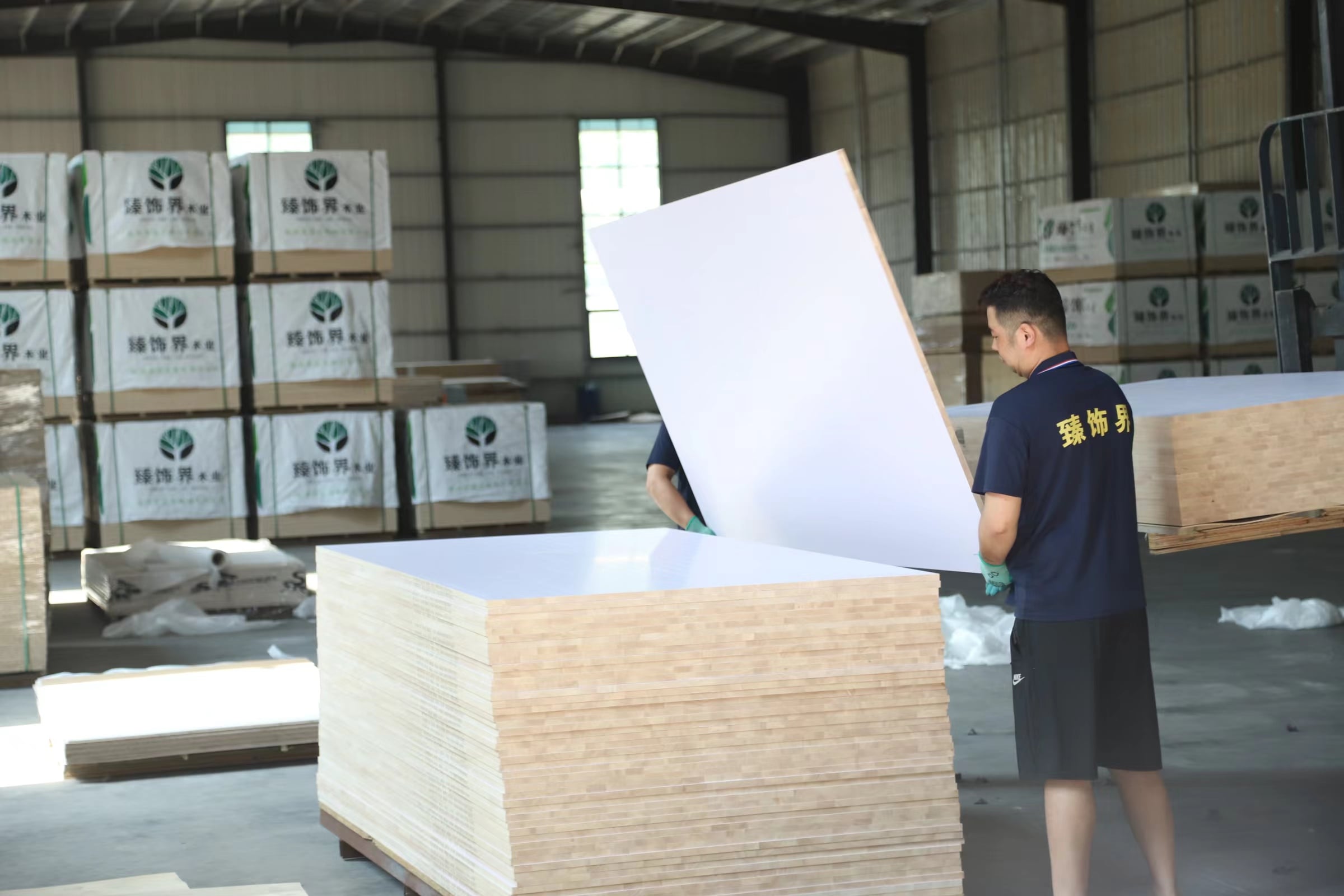
Ubora wa bei nafuu wa ubao wa chembe ukilinganisha na chaguzi zingine za paneli za mbao huifanya kuwa mojawapo ya chaguo zinazovutia zaidi kwa wazalishaji, wakandarasi, na wapenzi wa DIY vile vile. Bidhaa hii ya mbao iliyobuniwa hutoa thamani ya kipekee kwa kubadilisha taka za mbao kuwa paneli zinazofanya kazi ambazo hutumikia matumizi mengi katika uzalishaji wa fanicha, ujenzi, na muundo wa ndani. Kuelewa faida maalum za gharama za ubao wa chembe husaidia kuelezea ni kwa nini nyenzo hii imekuwa nguvu kubwa katika tasnia ya paneli za mbao.
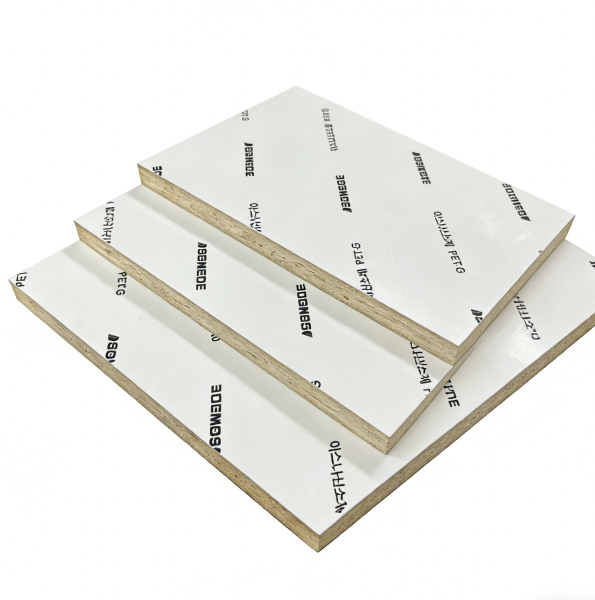
Ufanisi wa gharama ya kipande cha mchanga kinatokana na sababu nyingi zinazofanya kazi pamoja ili kuzalisha faida za kiuchumi kubwa. Kutoka kwa matumizi ya vya kwanza hadi ufanisi wa uzalishaji, kila sehemu ya uzalishaji wa kipande cha mchanga inachangia kupunguza gharama zote wakati inavyoendelea kuhakikisha utendaji unaofaa kwa matumizi yoyote ya ndani. Faida hizi za kiuchumi zinapanua zaidi ya bei ya mwisho ya kununua ili kujumuisha kupungua kwa uvilivu, kufanya kazi rahisi zaidi, na uwezekano wa matumizi mengi ambayo hufanya faida ya malipo ya awali iwe kubwa zaidi.
Mifumo ya Kiuchumi ya Vya Kwanza Inasimamia Urahisi wa Bei ya Kipande cha Mchanga
Matumizi ya Mchanga wa uvilivu Hupunguza Gharama za Vya Kwanza
Watoa kipande cha mchanga hufanya uchunguzi mkubwa wa gharama kwa kutumia mchanga wa uvilivu ambao kwa kawaida unahitaji kuondolewa au unakuwa na thamani ndogo tu. Vyanzo vya mbao, vichips vya mbao, vinyozi, na hata mbao iliyotumika tena bidhaa hutumika kama vya msingi vya kwanza kwa uzalishaji wa mbao ya kipande. Mbinu hii huweka mizigo ya matumizi ya kisasa kuwa vya thamani ya kuingia, ikikwisha hitaji la mbao ya kisasa ya kisasa wakati inaendelea kuhakikisha sifa za kuvimba kwa matumizi yoyote.
Ukubwa wa matumizi ya mbao katika uchunguzi wa misitu na shughuli za kufanya mbao unahakikisha usambazaji wa kudumu na wa bei nafuu ya vya kuanzisha kwa uzalishaji wa mbao ya kipande. Kinyume na mbao ya kisasa ambayo inahitaji aina maalum za miti na daraja la ubora, mbao ya kipande inaweza kujumuisha aina mbalimbali za miti na ukubwa tofauti wa vipande. Uwezo huu wa kubadilisha vya kuanzisha unazalisha ustahili wa bei na kupunguza kutegemea soko la mbao ya kisasa ambalo linapitia mabadiliko makubwa ya bei.
Uwasilishaji wa Rasilimali Kwa Ufanisi Unapunguza Gharama za Uzalishaji
Uzalishaji wa mbao ya kipande cha mchanga huchukua nishati na muda wa uzalishaji chini kuliko aina nyingine za mbao za kipande, ikichangia kikubwa katika uwezo wa kutoa bei bora. Mchakato wa uzalishaji unahusisha kupulizia taka za mbao kuwa vipande, kuchanganya na resini za dawa ya kushirikiana, na kubonyeza kuwa kipande chini ya joto na shinikizo lililoyasimamia. Mchakato huu ulioshindwa hauondoa hatua nyingi za uzalishaji zinazolipwa ghali ambazo zinahitajika kwa mbao ya kipande cha ply au mbao ya kipande cha msingi, kama vile kuvutia kipande cha mbao, kufafanua, na mzunguko wa kusukuma kwa muda mrefu.
Kisasa ubao wa vichipu vifaa vya uzalishaji vinavyotumika vinavyofanya kazi kwa ufanisi mkubwa, yanazalisha kiasi kikubwa cha kipande cha kawaida kwa kutumia wafanyakazi chini ya kiasi. Mifumo ya kiotomatiki inasimamia usambazaji wa vipande, utumizi wa dawa ya kushirikiana, na shughuli za kubonyeza, ikupunguza gharama za uzalishaji wakati wa kudumisha viwango vya ubora. Uwezo wa kuzalisha kipande cha kawaida kwa muda mrefu unaruhusu wazalishaji kufikia ufanisi wa ukubwa ambao unapunguza zaidi gharama kwa kila kitu.
Ufanisi wa Uzalishaji Unaunda Bei Iliyo ya Kish competition
Mchakato wa Uzalishaji Unaofuata Standardi Unapunguza Gharama za Miongozo
Uzalishaji wa kioo cha mchakato unafaida kutokana na mchakato wa uzalishaji unaofuata standardi sana ambao unapunguza ughuvu na gharama za miongozo. Tokea na kufanya kazi ya mti mzima ambayo inahitaji kujumuisha tofauti za asili katika muundo wa vifurushi, wiani, na upepo wa maji, uzalishaji wa kioo cha mchakato hufanya bidhaa zenye usawa kupitia shughuli za kuchanganya na kushawisha kwa urahisi. Uwiano huu unapoteza changamoto za udhibiti wa ubora na unapunguza asilimia ya bidhaa zisizokidhi mahitaji, ikichangia uwezekano wa kutoa bei rahisi.
Asili ya kufuata standardi ya uzalishaji wa kioo cha mchakato inaruhusu wazalishaji kuboresha matumizi ya vifaa na kudumisha mpango wa uzalishaji wenye ustawi. Vipengele vya vitu vya kawaida na mahitaji ya kufanya kazi vinavyotarajwa vinaruhusu mpango wa uzalishaji wenye ufanisi na ugawaji wa rasilimali kwa ufanisi. Ufanisi huu wa uendeshaji unatanshwa moja kwa moja kuwa na gharama ndogo za uzalishaji ambazo wazalishaji wanaweza kuzipa wateja bila kuharibu afya ya faida.
Uzalishaji wa Kiasi Kikubwa Unasaidia Ukuwepo wa Ukubwa wa Kiuchumi
Vituo vya uzalishaji vya kioo cha mchanga kwa ukubwa mkubwa hufikia faida kubwa za gharama kupitia uzalishaji wa kiasi kikubwa na uwekewa kwa usahihi wa vifaa. Mipaka ya uzalishaji ya uwezo mkubwa hupanganya gharama za mara moja kwenye uoto mkubwa zaidi, kuhakikisha kuwa athari ya gharama za vituo, upungufu wa thamani ya vifaa, na gharama za ushirika ni ndogo kwa kila kitu. Faeda hizi za ukubwa unafanya kioo cha mchanga kuwa bora zaidi kwa kiasi cha gharama kuliko vikio vya miti ya speshali vilivyotengenezwa kwa kiasi kidogo.
Ununuzi wa kiasi kikubwa wa vya mwanzo na mfumo wa mafuta unatoa faida za gharama zaidi kwa wazalishaji wa kioo cha mchanga. Oda kubwa za taka za miti na vifungo vya kushirikiana huwa na bei bora kuliko ununuzi mdogo unaothibitishwa kwa uzalishaji wa vikio vya speshali. Uunganisho wa ununuzi wa kiasi kikubwa na uzalishaji wa uwezo mkubwa unaunda muundo wa gharama unaosaidia bei zenye ushawishi wa soko wakati wa kudumisha ubora unaofaa kwa matumizi yote yasiyo ya kipekee.
Uboreshaji wa Uhusiano wa Utendaji-kwa-Gharama
Mali ya Uwezo wa Kutosha kwa Matumizi Yote Yanayotarajiwa
Bordi ya vichipu inatoa mali za muundo unaofaa kwa mifumo ya viti, vifungo vya kujifunza, vifurushi, na matumizi mengi ya ujenzi kwa gharama ndogo sana kuliko bordi za miti ya juu. Ingawa bordi ya vichipu haiwezi kufanana na mali ya uwezo wa bordi ya miti au miti iliyowekwa moja kwa moja, inatoa utendaji unaofaa kwa matumizi ambapo mzigo mkubwa sana au uwepo wa maji siyo sababu kuu. Ulinganisho huu wa utendaji na mahitaji ya matumizi unahakikisha ufanisi wa gharama.
Tekniki za kuzalisha kioo cha mchanga kwa njia ya kisasa zinaweza kubadilisha unyama na kiasi cha dawa ya kushirikiana ili kukidhi mahitaji maalum ya utendaji bila kuongeza gharama kwa kiasi kikubwa. Kioo cha mchanga cha daraja la kawaida kinatumika kwa matumizi ya jumla ya vifurnishi na ujenzi, wakati aina zenye unyama wa juu zinatoa mali ya nguvu zaidi pale inahitajika. Uwezo huu wa kubadilisha mali ya utendaji unaruhusu watumiaji kuepuka kulipa kwa mali ya nguvu ambazo hazihitajiki, wakati huo huo hakikisho kwamba utendaji una faida ya kutosha.
Uwezekano wa Kufanya Matumizi ya Mabaki ya Uso Unazidi Thamani
Uso wa kioo cha mchanga una usawa na umbo wa moja kwa moja unakubali matumizi ya mabaki mbalimbali kwa ufanisi, ikijenga thamani zaidi bila gharama ya juu ya vitu vya msingi. Matumizi ya lamineti, kushirikiana na kioo cha mchanga, kushikana kwa rangi, na kufunga mipaka yote inafanya kazi vizuri na uso ulioprepard kwa usahihi wa kioo cha mchanga. Uwezekano huu unalinda hitaji la kufanya mapungufu ya kina ya uso au vitu vya msingi vya gharama ya juu katika matumizi mengi.
Uthabiti wa ukubwa na unyama wa kawaida wa ubao la vichipu hutoa msingi mzuri kwa matumizi ya uso ambayo yanasaidia kuongeza umbo na uwezo wa kudumu. Uwezo wa kutengeneza bidhaa za mwisho zenye ubora wa juu kwa kutumia ubao la vichipu la bei nafuu hupanua ufanisi wa gharama katika miradi kutoka kwa vifurushi vya mchakato hadi vifurushi vya ofisi. Ufunguo huu wa uwezekano wa kufanya mtindo wa uso unaruhusu wataalamu wa kujenga na watazamaji kufikia umbo unaotaka bila kuharibu pesa kubwa kwenye vitu vya msingi vilivyokostishwa.
Faida za Gharama za Usafirishaji na Ushughulikiaji
Vipimo vya Kimsingi Vinafanisisha Ufanisi wa Kusafirisha
Uzalishaji wa mbao ya kipande (particleboard) katika vikomo vya kawaida vya ukubwa unaosaidia kupunguza gharama za usafirishaji na kufanya usimamizi wa stok kwa wauzaji na watumiaji wa mwisho kuwa rahisi. Vikomo vya kawaida kama vile 4x8 futa vinafanya kujaza meli kwa ufanisi na kufanya mpangilio wa vitabu katika ghala kwa ufanisi, hivyo kupunguza gharama za usafirishaji kwa kila futa mraba kuliko mbao ya mifupa ya miti yenye ukubwa au umbo tofauti. Ufunguo wa ukubwa huu unazalisha ufanisi wa mafuta ya usafirishaji ambao unachangia uchumi wa jumla.
Ukubwa wa kawaida wa upana na unene wa vikombo vya mbao ya kipande (particleboard) vinafanya kuhesabu kwa ufanisi kwa ajili ya usafirishaji na mbinu za kushughulikia kwa ufanisi. Tokea na bidhaa za miti ya asili ambazo zinaweza kutofautiana kwa uzito na ukubwa, ubora wa kuzalishwa wa particleboard unafanya mpango wa mafuta ya usafirishaji kuwa rahisi na kupunguza gharama za kushughulikia. Ufanisi huu wa usafirishaji na kushughulikia unarejeleza gharama zinazopungua zinazofanya particleboard kuwa ya bei nafuu zaidi kwa miradi mikubwa na ununuzi kwa wingi.
Kupungua kwa matumizi yasiyotumika wakati wa uwasilishaji na usanidi
Uundaji wa kawaida na sifa zinazotarajiwa za ubao la vichipu hupunguza uchafuzi wakati wa kupasua, kufanya umbo, na kufanya uwekaji. Tofauti na mti asili ambao unaweza kugawanyika, kuvunjika, au kujitokeza na makosa wakati wa uwasilishaji, ubao la vichipu mara nyingi linapasuli kwa usafi na kudumisha utandawazi wa mpaka wakati wa kufanywa kwa njia ya kisasa. Uchafuzi mdogo huu unaboresha viwango vya kutumia nyenzo na kupunguza gharama za kutoa kwa watajiri na wafanyikazi.
Vipasuo na vipande vya ubao la vichipu vinavyobaki mara nyingi vinatumika kwa matumizi madogo au vinaweza kurudishwa tena katika uzalishaji mpya wa ubao la vichipu. Mbinu hii ya mzunguko wa kutumia nyenzo inapunguza gharama za jumla za mradi kwa kuboresha thamani inayopatikana kutoka kwa kila ubao uliununuliwa. Uwezo wa kutumia karibu na yote ya ubao uliununuliwa, pamoja na tabia ya kupasua kwa urahisi, unafanya ubao la vichipu kuwa bora kwa gharama katika uuzaji mkubwa wa viwanda.
Nafasi ya Soko na Athari ya Kiuchumi
Miongozo ya Bei ya Kishirika Katika Soko la Ubao la Mti
Board ya kipande cha mchanga huchukua bei chini kuliko bidhaa nyingine za paneli za mti, ikawa chaguo bora kwa wateja na watajiri wanaotaka kupunguza gharama. Tofauti kubwa ya bei kati ya board ya kipande cha mchanga na plywood, oriented strand board, au paneli za mti mzima inaruhusu watumiaji kupata uchafu mkubwa wa gharama za vitu kwenye miradi mikubwa. Ufunguo wa bei huu unakuwa muhimu sana katika masoko yanayoshindana ambapo gharama za vitu huathiri moja kwa moja bei ya mwisho ya bidhaa.
Ujenzi wa bei ya kawaida wa uzalishaji wa kioo cha mchanga unasaidia kuweka bei zenye ubunifu ambazo zinasaidia mpango wa miaka mingi wa miradi na ubadilisho wa bajeti. Tokea na bidhaa za miti ya asili ambazo zinabadilika sana kwa sababu ya soko la miti na upatikanaji wao, bei ya kioo cha mchanga inabaki ya kawaida kwa sababu ya usambazaji wa vifaa vya msingi vyenye ubunifu na taratibu za uzalishaji. Ubunifu wa bei huu unatoa thamani ya kiuchumi kizidisha kwa biashara zinazopanga miradi mikubwa au zinazounda mahusiano ya ubunifu ya usambazaji.
Faida za Kupunguza Jumla ya Gharama ya Mradi
Ufanisi wa gharama wa ubao wa chembe huenea zaidi ya gharama za vifaa ili kujumuisha gharama za kazi na usindikaji zilizopunguzwa wakati wa utengenezaji na usanikishaji. Vipengele vya kutabiri machining na utungaji sawa wa grating simplify kukata shughuli na kupunguza chombo kuvaa ikilinganishwa na bidhaa asili mbao. Ufanisi huu wa usindikaji unamaanisha gharama za kazi za chini na uzalishaji bora kwa wazalishaji na makandarasi.
Upatanifu wa mbao za mbao na vifaa vya kawaida vya kutengeneza mbao huondoa uhitaji wa vifaa maalumu au mafunzo, na kupunguza gharama za mradi. Uwezo wa kutumia vifaa na ujuzi zilizopo wakati wa kufikia akiba ya gharama juu ya vifaa hufanya partitionboard kuvutia hasa kwa biashara kutafuta kuboresha faida bila kuathiri ubora. Mchanganyiko huu wa akiba ya vifaa na ufanisi wa uendeshaji inajenga faida ya gharama ya kina ambayo kuenea katika mlolongo wa ugavi.
Maswali Yanayoulizwa Mara kwa Mara
Ni kiasi gani chini ya bei ya kipande cha mchanga kuliko vikapu vingine vya mti?
Kipande cha mchanga kawaida kina bei ya chini ya 40–60% kuliko vikapu vya kifundo vya mti vya sawa na ya chini ya 60–80% kuliko vikapu vya mti mzima vya u thickness sawa. Tofauti ya bei halisi inategemea hali za soko la kijiografia, u thick wa kipande, na daraja la ubora, lakini kipande cha mchanga kila wakati hutoa uchumi mkubwa wa kupunguza bei kuliko vikapu vya mti vingine.
Je, bei ya chini ya kipande cha mchanga inamaanisha kuondoka kwa ubora mwingi sana?
Kipande cha mchanga hutoa ubora unaofaa kwa matumizi yote ya kawaida ya vifurniture na ujenzi ambapo nguvu ya juu sana au upungufu wa unyevu si mahitaji muhimu. Ingawa huwezi kufanana na utendaji wa vikapu vya juu, kipande cha mchanga hutoa ubora na utendaji unaofaa kwa matumizi ya ndani kwa bei ya chini sana, ikawa ni mpangilio mzuri wa thamani kwa matumizi yanayofaa.
Je, kipande cha mchanga kinaweza kutumika katika miradi ya biashara ambapo udhibiti wa bei ni muhimu?
Ndiyo, ubao wa mchanga unatumika kwa upana katika uzalishaji wa vifaa vya ofisi, vifaa vya duka la kuuza, na miradi ya ujenzi wa ndani ambapo uchumi wa gharama ni muhimu sana. Tabia zake za kudumu, upatikanaji wake wa kuhakikishwa, na faida kubwa za gharama zinamfanya kuwa chaguo bora kwa matumizi ya kibiashara kwa ukubwa mkubwa ambayo inahitaji vitu vya kiuchumi bila kushindwa kwa mahitaji ya utendaji wa msingi.
Vyanzo gani vinapaswa kuzingatiwa wakati wa kuchagua ubao wa mchanga kwa miradi inayotaka uchumi wa gharama?
Fikiria mahitaji maalum ya utendaji ya mradi wako, ikiwemo mahitaji ya kusimama kwa mzigo, uwepo wa unyevu, na mahitaji ya kufinisha. Tathmini gharama jumla ya mradi ikiwemo gharama ya vitu, kazi ya watu, na gharama za kufinisha badala ya kuzingatia tu gharama ya awali ya ubao. Hakikisha kwamba tabia za ubao wa mchanga zinakidhani mahitaji ya mradi wako ili kupata uchumi bora wa gharama pamoja na kufikia utendaji na uvimbe unaofaa.
Orodha ya Maudhui
- Mifumo ya Kiuchumi ya Vya Kwanza Inasimamia Urahisi wa Bei ya Kipande cha Mchanga
- Ufanisi wa Uzalishaji Unaunda Bei Iliyo ya Kish competition
- Uboreshaji wa Uhusiano wa Utendaji-kwa-Gharama
- Faida za Gharama za Usafirishaji na Ushughulikiaji
- Nafasi ya Soko na Athari ya Kiuchumi
-
Maswali Yanayoulizwa Mara kwa Mara
- Ni kiasi gani chini ya bei ya kipande cha mchanga kuliko vikapu vingine vya mti?
- Je, bei ya chini ya kipande cha mchanga inamaanisha kuondoka kwa ubora mwingi sana?
- Je, kipande cha mchanga kinaweza kutumika katika miradi ya biashara ambapo udhibiti wa bei ni muhimu?
- Vyanzo gani vinapaswa kuzingatiwa wakati wa kuchagua ubao wa mchanga kwa miradi inayotaka uchumi wa gharama?