 EN

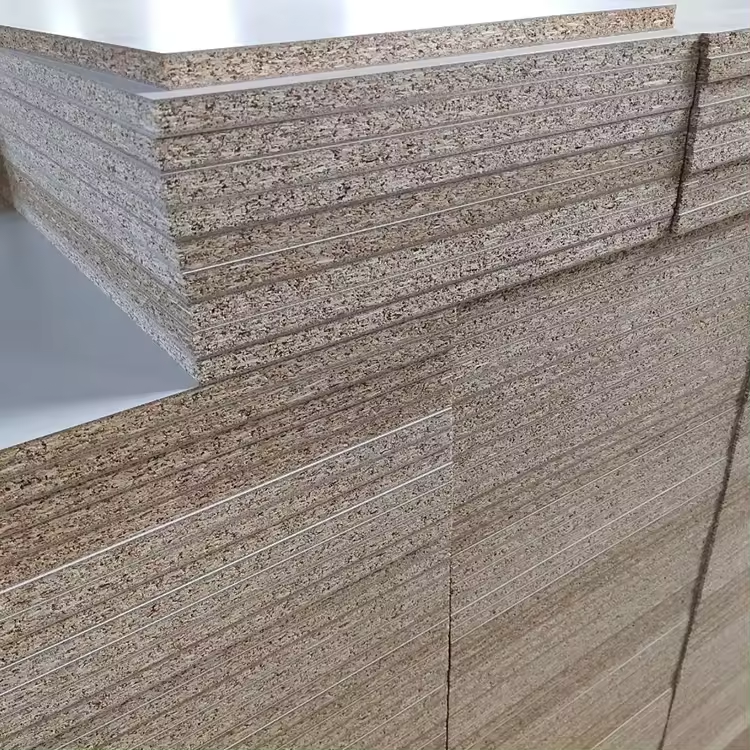
For cabinetry and interior fit-outs, controlling cost means looking beyond the board price. Melamine chipboard and MDF differ in their core, finish requirements, machining needs, and suitability for specific parts. Melamine chipboard can reduce finishing work, while MDF may be useful where profiles or a painted surface are priorities.
The practical comparison is therefore not simply melamine chipboard versus MDF at the point of purchase. Assess the complete cost of each component, including edging, machining, labor, waste, and expected use. This approach helps buyers choose a board specification that fits both the design and the project budget.
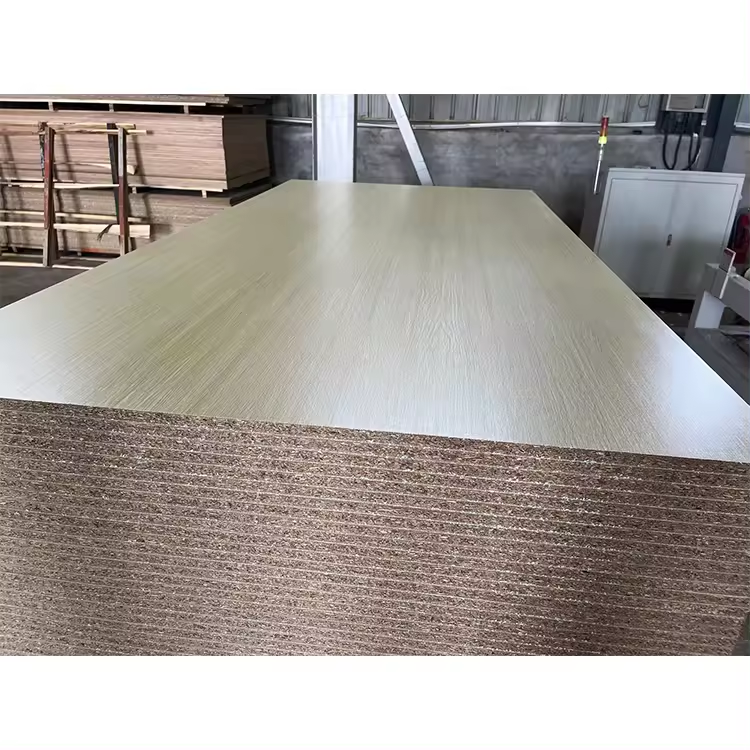
Compare the complete material cost
Purchase price and included finish
A melamine chipboard panel has a particleboard core with a decorative surface already applied. That finished face can remove the need to buy paint, primer, or a separate laminate for many cabinet interiors and straightforward panels. When comparing quotations, confirm that thickness, finish, panel size, and grade are equivalent, because those details affect the usable cost of melamine chipboard.
MDF is a uniform fiber-based panel that is often selected for painted work or shaped details. Its raw-panel price may look attractive, but the finished part can require sanding, sealing, priming, and painting. Those added materials and labor can make MDF more expensive overall than melamine chipboard when the design calls for a standard prefinished surface.
Finishing, edging, and labor
Cost control depends on how many edges and faces remain visible. Melamine chipboard usually needs compatible edge banding where the core is exposed, so include edging material, application time, and trimming in the estimate. A project using melamine chipboard can benefit when panel dimensions and cut plans limit exposed edges or use finished surfaces efficiently.
MDF also needs edge treatment, especially when it will be painted, since its edges may absorb coating differently from its faces. The finishing sequence adds handling and drying stages that require space and labor. For a high-volume run of simple cabinet boxes, melamine chipboard may offer a more predictable finishing budget; for a custom profile, MDF can avoid extra steps needed to create a smooth shaped edge in another material.
Account for fabrication and installation
Machining, detailing, and waste
The best cost comparison follows the part through cutting and assembly. Melamine chipboard is commonly practical for flat shelves, cabinet sides, and interior panels, but cutting quality and tool condition matter to limit surface chipping. Specify suitable processing and inspect sample edges before production, because damaged melamine chipboard can create rework or replacement costs.
MDF supports routing and decorative profiling, which can make it cost-effective when the design includes shaped doors, grooves, or smooth contours. However, routing creates dust and may increase finishing effort. If a project uses mostly flat components, paying for MDF's shaping flexibility may not deliver value; melamine chipboard can meet the functional brief with fewer finishing operations.
Sheet yield also changes the apparent price advantage. Compare nesting plans using the actual component dimensions, grain or decor direction requirements, and defect allowances. A melamine chipboard layout that reduces offcuts may lower material consumption, while a complex layout can erase savings through waste. Apply the same yield assumptions to MDF rather than comparing one board's list price with the other's optimized cut cost.
Assembly demands and site conditions
Fasteners, joints, and installation conditions influence long-term expenditure. Select the right hardware and follow the board specification for drilling and fixing; do not assume melamine chipboard and MDF behave identically at screw locations. Where repeated assembly, heavy loads, or moisture exposure is expected, check the required performance class and construction details before choosing either board.
Transport and installation planning belong in the same calculation. Panel weight, handling limits, protection of finished faces, and the risk of damage on site can affect labor and replacement costs. Melamine chipboard provides a ready-finished face, but that surface still needs protection during handling. MDF may need additional care after finishing, particularly before coatings have fully cured.
Choose by application and lifecycle budget
Match board choice to the component
For cabinet carcasses, shelving, and other flat interior parts, melamine chipboard is often a direct fit when the specified surface, thickness, and load capacity meet the brief. It can simplify procurement by combining core and decorative face in one panel. Review edge visibility and expected use so that melamine chipboard is assigned to parts where its finished surface delivers a real labor benefit.
For painted doors, routed details, or components needing a smooth profile, MDF may justify its preparation cost. The decision should include the finish standard, coating system, and quantity of shaped parts. In a mixed-material project, using melamine chipboard for boxes and MDF for selected fronts can control cost without forcing one board to serve every purpose.
Build a decision-ready cost model
Prepare estimates around finished, installed components rather than raw sheets. Include board cost, yield, edging, machining, coating, labor, handling, and expected rework. For melamine chipboard, record the chosen decor and edge treatment; for MDF, include all finishing stages. This makes the comparison transparent and highlights which assumptions drive the difference.
Also test the specification against service conditions and maintenance expectations. Neither lower initial cost nor a prefinished face alone guarantees lower lifecycle cost. Melamine chipboard can be economical when its surface and construction suit the application, while MDF can be sensible when its shaping or painting advantages reduce design compromises. Confirm samples, tolerances, and use requirements before approving production.
FAQ
Is melamine chipboard usually cheaper than MDF?
It can be less costly for flat, prefinished cabinet parts because it may avoid separate face finishing. Compare the complete specification, including edging, cutting yield, labor, and finish requirements. Melamine chipboard is not automatically cheaper when unusual machining, premium decor, or demanding service conditions change the scope.
When is MDF the better cost choice?
MDF may make financial sense for painted or profiled parts when its uniform structure supports the required detail. Include preparation and coating costs, then compare them with the work needed to achieve the same design in melamine chipboard. The right choice depends on the finished component, not a general rule.
How can buyers compare quotations fairly?
Use matching dimensions, thicknesses, grades, surface expectations, and quantities. Ask for costs that account for cutting, edge treatment, finishing, packing, and relevant handling. A complete comparison shows whether melamine chipboard's ready surface offsets any difference in panel price and whether MDF's finishing work is justified by the design.