 EN

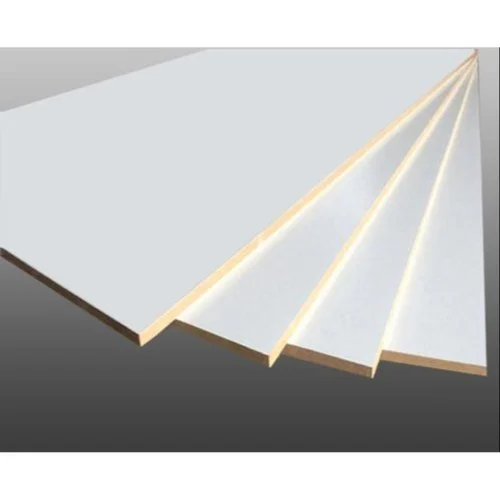
Purchasing melamine mdf panels involves more than choosing a color or surface sheen. The right specification depends on where panels will be used, how they will be fabricated, and what performance the finished installation requires. Assessing these factors together helps buyers compare options on a consistent basis and avoid surprises after delivery. A clear brief for melamine mdf also makes quotation review more practical.
Start by matching the panel construction to the job rather than relying on a general product label. Melamine mdf can suit furniture, cabinetry, shelving, and interior fit-outs when the core, finish, and dimensions meet the application requirements. Confirm how the panels will be cut, edged, installed, and cleaned. Those details shape the purchasing criteria and help establish which product information needs to be verified before ordering.
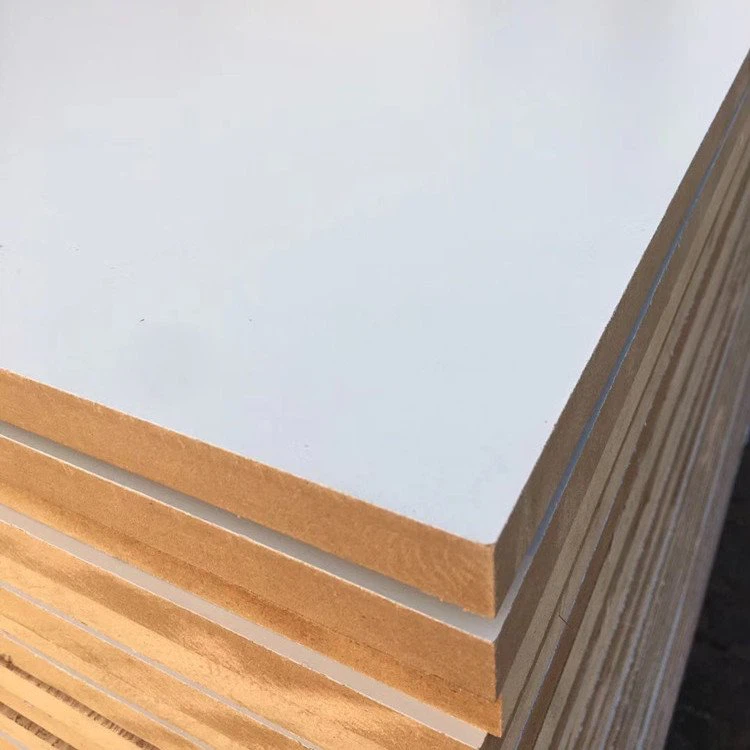
Define the application and panel requirements
Match the core and thickness to the use
The core is central to melamine mdf performance because it supports the laminated faces and provides the material for machining and fastening. Consider panel thickness alongside the span, load, fixing method, and design of the finished component. A cabinet side, a long shelf, and a decorative wall panel may call for different specifications. For melamine mdf, request the stated thickness and applicable tolerances, then check them against drawings and hardware requirements.
Also consider whether standard interior-grade melamine mdf is suitable for the environment. Typical indoor furniture use is different from areas exposed to persistent moisture, heat, or demanding cleaning routines. Do not assume a decorative surface makes the whole panel waterproof or suitable for every condition. Describe the actual exposure to the seller and confirm the product’s stated scope of use before approving the specification.
Set dimensions and fabrication details early
Before ordering melamine mdf, establish sheet dimensions, cutting plans, and the finished part sizes. Standard sheet formats may reduce waste, but only if they align with equipment capacity, transport, and the project’s layout. Include any required thickness, face orientation, and surface finish in the purchase specification. Clear details allow melamine mdf quotations to be compared fairly and reduce the risk of ordering panels that require unplanned processing.
Fabrication requirements deserve equal attention. Ask whether edges will be exposed, concealed, or covered with edge banding, and verify that the chosen melamine mdf can be processed using the intended tools and settings. Plan for cut quality, machining sequence, and protection of finished faces during handling. If multiple parts must show consistent color or grain direction, communicate that expectation before production rather than relying on assumptions at assembly.
Evaluate surface finish and appearance
Choose finish for the visual and functional brief
Surface selection for melamine mdf should reflect both appearance and use. Matte finishes can create a subdued look, while higher-gloss faces make reflections more noticeable; texture can also affect the visual character and everyday feel. Review samples under lighting similar to the installation environment. When assessing melamine mdf, inspect the face for uniformity, visible defects, and whether its appearance fits adjacent materials and design intent.
A finish should also match how the surface will be used and maintained. Determine the expected contact, cleaning method, and likelihood of abrasion, then request product guidance relevant to those conditions. A melamine mdf face is not automatically resistant to every chemical, impact, or cleaning practice. Use written care information to guide operations and make sure the maintenance plan does not exceed the stated limits of the selected surface.
Confirm color, texture, and batch expectations
Color approval is more reliable when buyers review a physical sample rather than depending only on a screen image. Digital displays and lighting can change perceived tone, while texture and gloss influence how a color reads across a large area. For melamine mdf used in a visible installation, record the approved reference and ask how sample approval relates to production. This gives project teams a practical basis for receiving checks.
If a project needs multiple panels or repeat orders, ask about shade consistency and batch identification. Even when melamine mdf is specified under one design name, production batches may have natural visual variation within the applicable product tolerances. Plan the installation sequence so adjacent visible pieces can be reviewed together. Keep labels and order records, which help trace panels if questions arise during fabrication or site acceptance.
Verify documentation, handling, and purchasing terms
Review technical and compliance information
Useful documentation turns a melamine mdf description into a verifiable specification. Request technical information covering dimensions, thickness tolerance, core construction, surface options, and intended use. Where emissions or other regulatory requirements apply, identify the relevant standard for the project and request supporting documentation for the exact product. Do not infer compliance from a broad category name; confirm that records correspond to the panel being purchased.
Clarify what quality checks apply before dispatch and how nonconforming melamine mdf should be reported. Agree on inspection timing, acceptable condition on arrival, and the documents accompanying the shipment. For a large fit-out or repeat production, retain approved samples and purchase specifications with the project file. This creates a shared reference for the buyer, fabricator, and installation team without relying on informal descriptions.
Plan delivery, storage, and total project fit
Purchase decisions should account for delivery protection and storage, not just the panel price. Confirm packaging, unloading needs, order quantities, lead time, and the condition expected at receipt. Store melamine mdf flat, dry, and protected from damage in line with product guidance. Good handling reduces avoidable face and edge damage before machining, while a realistic schedule leaves time for inspection and preparation.
Compare the complete project fit rather than selecting melamine mdf on a single cost figure. Include cutting waste, edging, labor, transport, and any finish or thickness requirements in the evaluation. A panel that matches the design and production process may simplify downstream work, while a mismatch can create extra handling or rework. Document assumptions in the purchase order so quantity, specification, and delivery expectations remain clear.
FAQ
What information should a melamine mdf specification include?
State the intended application, core, thickness, sheet dimensions, surface finish, color reference, and relevant tolerance requirements. Add any emissions or compliance criteria, fabrication details, and delivery expectations that matter to the project. A complete melamine mdf specification gives the seller a clear basis for quotation and helps the receiving team verify the order against agreed requirements.
How should buyers compare melamine mdf samples?
Review samples in representative lighting and compare color, texture, gloss, and visible surface quality. Check the sample against adjacent materials and the project’s cleaning and use conditions. For melamine mdf going into prominent areas, keep an approved reference and confirm how production will be matched to it. This makes visual acceptance more consistent than judging from an online image alone.
Is melamine mdf suitable for every interior environment?
No. Suitability depends on the panel specification and the actual exposure to moisture, heat, wear, and cleaning agents. Standard melamine mdf intended for ordinary indoor use should not be assumed appropriate for persistently damp or otherwise demanding conditions. Confirm the application with product documentation and select a construction designed for the environment where the panel will be installed.