 EN

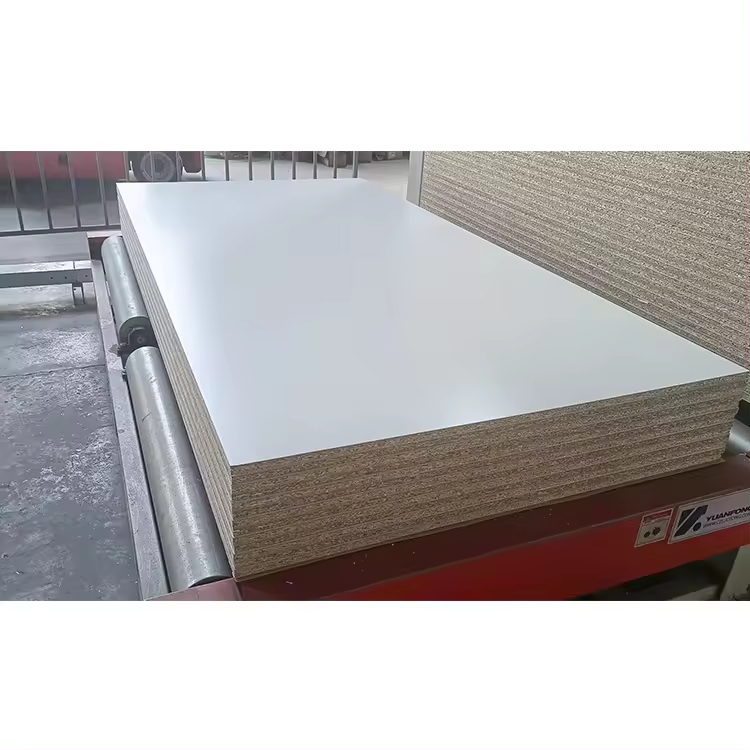
Choosing materials for storage units means balancing appearance, everyday durability, maintenance, and project cost. Melamine chipboard is a practical option when the design calls for a consistent finished surface without a separate decorative coating. For offices, retail interiors, utility rooms, and fitted storage, melamine chipboard can simplify specification while keeping the unit visually coordinated. Its suitability still depends on the setting, panel details, and expected use.
The choice is most compelling when a storage project needs cleanable surfaces, repeatable visual quality, and efficient fabrication. Melamine chipboard combines a particleboard core with a bonded decorative melamine surface, so the visible finish is supplied as part of the panel. That construction makes melamine chipboard relevant for cabinet sides, shelves, doors, and partitions, provided the design accounts for edge treatment, loading, and moisture exposure.
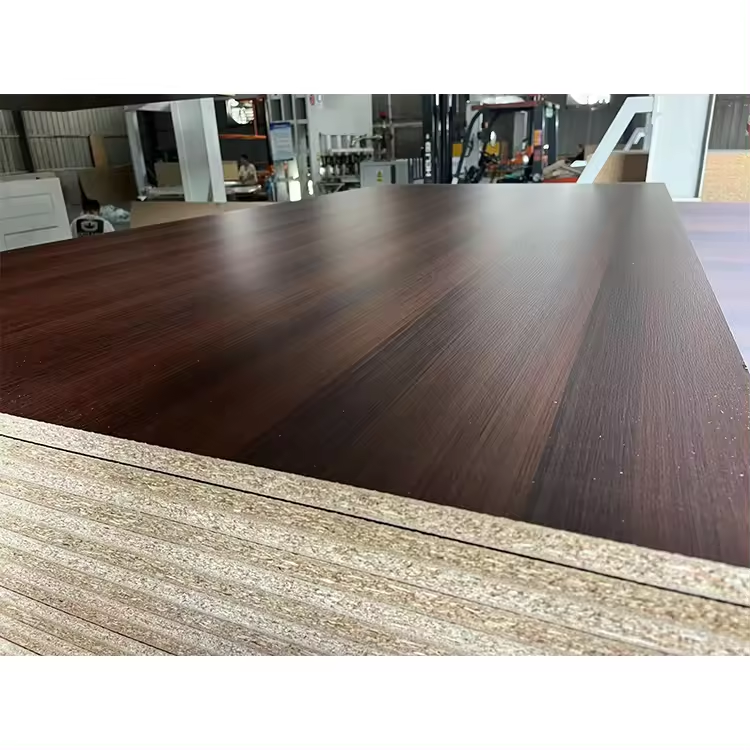
Practical reasons to choose it for storage
Finished appearance with fewer coating steps
A key reason to specify melamine chipboard is that the face arrives finished, rather than requiring a separate paint or laminate application after cutting. This can help storage units achieve a uniform color and texture across repeated components. Melamine chipboard is available in varied surface designs, making it easier to coordinate cabinet fronts, shelving, and interior panels within one project specification.
For commercial fit-outs, visual consistency matters across multiple units and installation phases. A defined melamine chipboard finish gives designers and fabricators a clear reference for matching exposed faces, while reducing dependence on site-applied coatings. The selected decor should be reviewed under the project’s actual lighting, because a sample viewed in a showroom may appear different in a large room or beside other materials.
Routine cleaning and everyday use
Storage surfaces often collect fingerprints, dust, and light marks from daily handling. A smooth melamine chipboard face can usually be wiped with a soft cloth and mild cleaning solution, which suits many offices, staff areas, and household storage spaces. Melamine chipboard is not maintenance-free, however; abrasive pads, harsh chemicals, standing water, and impact can damage the finish or exposed core.
The expected use should guide the specification. In a low-contact cupboard, melamine chipboard may provide an appropriate balance of finish and upkeep, while a busy service area can need stronger edge protection and careful detailing. Clear cleaning guidance also helps preserve the surface: remove spills promptly, avoid soaking seams, and use cleaners approved for the selected panel finish rather than assuming every product is compatible.
How panel construction affects performance
Core, thickness, and load planning
The particleboard core provides the panel body, while the melamine facing supplies its decorative surface. A melamine chipboard panel should be selected with thickness, support spacing, and intended load considered together. Long shelves carrying dense files or stock need more attention to deflection than short shelves holding light items. Melamine chipboard does not remove the need to engineer the cabinet structure for its actual contents.
Designers should confirm panel dimensions and mechanical requirements with the fabricator or technical documentation before finalizing a layout. Shelf spans, fixing locations, door size, and hardware all influence the demands placed on melamine chipboard. Where loads may change over time, allow for a realistic use case rather than specifying only for the first installation day. This keeps material selection connected to the unit’s working conditions.
Edges, joints, and moisture exposure
The exposed edges of melamine chipboard need suitable edging because the particleboard core is less protected where it has been cut. Well-planned edge banding can improve the finished appearance and help shield edges from routine knocks and incidental moisture. Melamine chipboard is generally better suited to dry interior applications than locations with persistent dampness, direct water contact, or frequent wet cleaning.
Attention to joints is equally important in kitchens, wash areas, and utility rooms. Specify suitable edging and hardware, seal vulnerable connections where the design requires it, and prevent water from pooling around seams. Even a well-finished melamine chipboard panel should not be treated as waterproof. Where exposure is unavoidable, assess whether another material or a more protective construction is appropriate for that particular part of the unit.
Project fit and specification decisions
Applications that suit the material
Melamine chipboard is often considered for wardrobes, office storage, shelving, cabinets, and retail fixtures in controlled indoor environments. It can support a coordinated scheme where the same finish appears on multiple faces and components. When deciding whether melamine chipboard fits, consider how visible the unit will be, how often people will handle it, and whether the room’s moisture and cleaning conditions match the panel’s intended use.
For repetitive projects, standardized panel finishes can make procurement and production planning more straightforward. A project team can define the decor, thickness, edge treatment, and component dimensions early, then communicate those choices consistently to the fabricator. Melamine chipboard can be a sensible choice when these details align with the design brief, but it should not be selected solely because the face looks suitable in a small sample.
Checks before ordering or fabrication
Before approving melamine chipboard, verify the panel specification, finish, dimensions, and acceptable tolerances with the relevant technical information. Check that the selected decor is available for the required panel thickness, and confirm how visible edges will be treated. For storage units, review shelf spans, fixing methods, hinge positions, and expected loads together so the design reflects the complete assembly rather than a panel in isolation.
Also consider installation and maintenance conditions. Confirm that panels can be stored dry before fabrication, that cut edges will receive the planned protection, and that installers understand how to avoid damaging finished faces. A clear specification for melamine chipboard reduces ambiguity between design, production, and installation teams. These checks help ensure that the material choice supports the intended appearance and practical service requirements.
FAQ
Is melamine chipboard suitable for heavy storage?
It can be suitable when panel thickness, shelf span, support, and fixings are designed for the expected load. Melamine chipboard alone does not determine shelf capacity, so use the project’s load requirements and technical guidance to confirm the assembly.
Can melamine chipboard be used in damp rooms?
It is generally intended for interior use in controlled conditions, not ongoing water exposure. If considering melamine chipboard in a room with humidity or splashes, protect cut edges and joints, avoid standing water, and confirm suitability with the panel documentation.
What maintenance does melamine chipboard need?
Routine care usually involves wiping the surface with a soft cloth and a mild, compatible cleaner. Keep melamine chipboard dry at seams, avoid abrasive tools and harsh chemicals, and address spills promptly to help protect the decorative face and exposed edges.