 EN

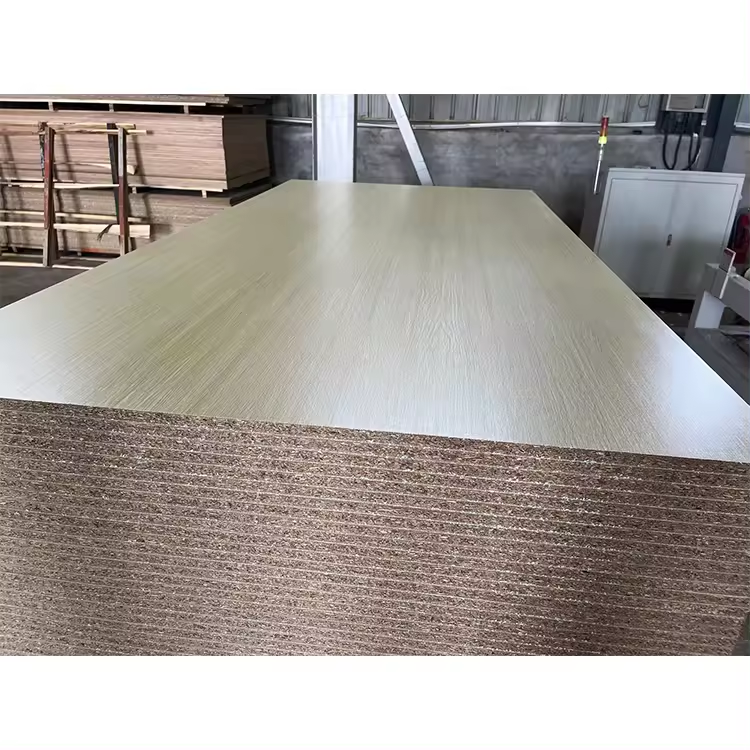
Yes, melamine chipboard can suit large projects when the specification, production plan, and installation conditions are controlled. Its factory-applied decorative surface and consistent board format can support repeatable cabinetry, furniture, and interior fit-outs. For a large order, however, melamine chipboard is not automatically the right choice: project teams need to assess panel dimensions, edge treatment, moisture exposure, loading, and replacement needs before committing.
The practical answer depends on what large means for the project: many units, extensive wall coverage, or panels carrying substantial loads. Melamine chipboard can help standardize visible finishes across multiple rooms, but scale magnifies small planning errors. Teams should validate samples, confirm the board construction and finish, and coordinate cutting and delivery so that the selected material performs as expected from the first installation to the last.
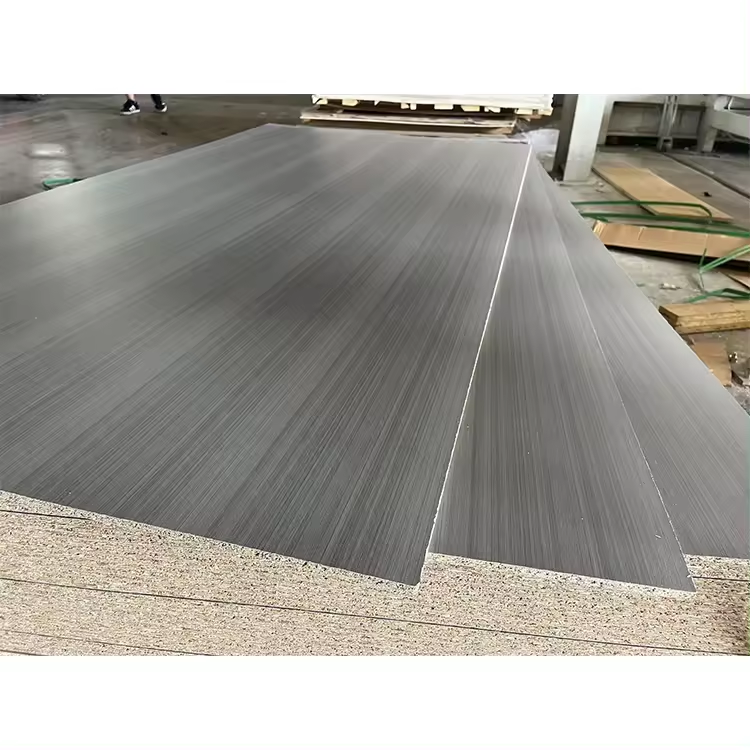
Project scale and finish consistency
Repeatable appearance across many units
A large fit-out often requires the same color and texture across cabinets, shelving, and panels produced in separate batches. Melamine chipboard is useful where a prefinished face can reduce variation from site-applied coatings. For melamine chipboard orders, approve a physical sample under the project lighting and record the finish reference. This gives purchasing, fabrication, and installation teams a shared standard, rather than relying only on a screen image or a broad color description.
Consistency still depends on controlled ordering and handling. Melamine chipboard from different production runs may show slight visual differences, so confirm how the project will manage replenishment and phase deliveries. Store panels flat, dry, and protected from abrasion, and avoid mixing unverified batches on one continuous visible elevation. In a high-volume installation, a simple batch identification and room allocation process can prevent avoidable mismatches and reduce the chance of removing completed work.
Design coordination before volume production
Before approving melamine chipboard for a full project, translate the design into a panel schedule. The schedule should identify thickness, dimensions, finish, grain direction where relevant, exposed edges, and the intended use of each component. This is especially important when melamine chipboard will appear on both doors and fixed panels, because adjacent pieces need coordinated orientation and edge details. Resolving those decisions early reduces late changes that can disrupt cutting plans and material yields.
Mock-ups help expose issues that drawings may not reveal. A representative cabinet or wall section can show how melamine chipboard looks beside hardware, lighting, flooring, and other finishes. Review joints, corners, and edge bands as well as the broad face. Once the assembly is accepted, keep the approved sample and specification accessible to the people responsible for ordering and inspection; a clear reference makes melamine chipboard acceptance more objective across a large delivery.
Performance and fabrication limits
Match board properties to the application
Suitability is determined by the job each panel must do, not by project size alone. Melamine chipboard commonly works for interior cabinet sides, shelves, and furniture components when the specified board grade and thickness fit the expected load and span. Ask for product documentation and check the intended service conditions. For melamine chipboard used near sinks, utility areas, or exterior openings, examine moisture exposure carefully and specify a suitable alternative if regular wetting is likely.
The decorative surface does not make the particleboard core waterproof or suitable for every structural duty. Melamine chipboard may be a poor match for prolonged dampness, unsupported long spans, or demanding fixing points unless the design addresses those conditions. Engineers and fabricators should confirm load paths, shelf supports, fasteners, and clearances rather than assuming the panel will behave like solid timber or a structural sheet. A well-defined application boundary helps prevent misuse throughout a multi-area project.
Plan machining, edges, and installation
Large-scale fabrication rewards repeatable cutting and accurate component labeling. Melamine chipboard can be machined efficiently with appropriate tooling and shop procedures, but exposed edges need deliberate finishing to protect the core and achieve a complete appearance. Specify edge material, thickness, and locations on drawings. For melamine chipboard doors and shelves, verify that drilling patterns and hardware positions suit the actual panel thickness and design before releasing a production run.
On-site conditions matter too. Keep melamine chipboard protected during transport and installation, and avoid dragging finished faces across rough surfaces. Installers should follow the approved assembly details and use suitable supports, especially where panels meet walls or carry repeated loads. Check that cuts made on site are minimized and that any necessary exposed edges receive a planned finish. These controls help preserve appearance and reduce defects that can become costly when repeated across many units.
Procurement and project control
Coordinate quantities, lead times, and waste
The material decision should be linked to a realistic quantity takeoff and production sequence. Melamine chipboard panel formats influence nesting, offcuts, and the number of joints, so fabricators should review the cutting layout before final quantities are placed. Include allowance for defects, samples, and future replacements, without treating a generic waste percentage as a substitute for a layout review. Consolidating specifications across repeated rooms can make melamine chipboard procurement easier to track.
Confirm lead times, packaging, delivery access, and storage capacity before scheduling a large order. A staged project may need deliveries aligned with floor or building phases, while a single bulk shipment requires a secure, dry holding area. Clarify what happens if a panel arrives damaged or a shortfall is discovered. When melamine chipboard is specified consistently, controlled receiving checks can identify finish, thickness, and damage issues before material moves into production or onto the installation floor.
Set acceptance criteria and a decision rule
A useful specification defines measurable acceptance points: board dimensions and thickness, surface appearance, edge requirements, documentation, and permitted tolerances. Agree on how melamine chipboard samples will be compared with delivered panels and who can approve deviations. For a large project, keep inspection records tied to batch or delivery identifiers. This gives the project team a traceable basis for resolving concerns and helps ensure that follow-on orders align with installed work.
In practical terms, choose melamine chipboard when the project is primarily interior, finish consistency matters, and loads and moisture exposure remain within the product's documented limits. Consider another material or redesign when persistent moisture, heavy structural duty, or demanding edge exposure cannot be managed. The decision is strongest when designers, fabricators, and procurement staff review the same use conditions before release. With that discipline, melamine chipboard can be a rational large-project specification rather than a default choice.
FAQ
Can melamine chipboard be used throughout a large cabinet project?
It can be used for many interior cabinet components when the board grade, thickness, loading, and exposure are appropriate. Melamine chipboard should be specified by component, with edges and fixing details included. Confirm samples and production batches so the finish remains coordinated across the project.
What is the main risk when ordering melamine chipboard at scale?
The main risk is allowing an unclear specification or inconsistent handling to multiply across many panels. Melamine chipboard orders need documented finish references, dimensions, delivery checks, and storage controls. Planning replacement quantities and batch tracking also helps manage phased work.
Is melamine chipboard suitable for damp rooms?
Suitability depends on the product documentation and the level and duration of moisture exposure. Standard melamine chipboard should not be assumed waterproof, particularly where edges may be exposed to regular wetting. Specify a material designed for the conditions or revise the detail when moisture cannot be controlled.