 EN
EN

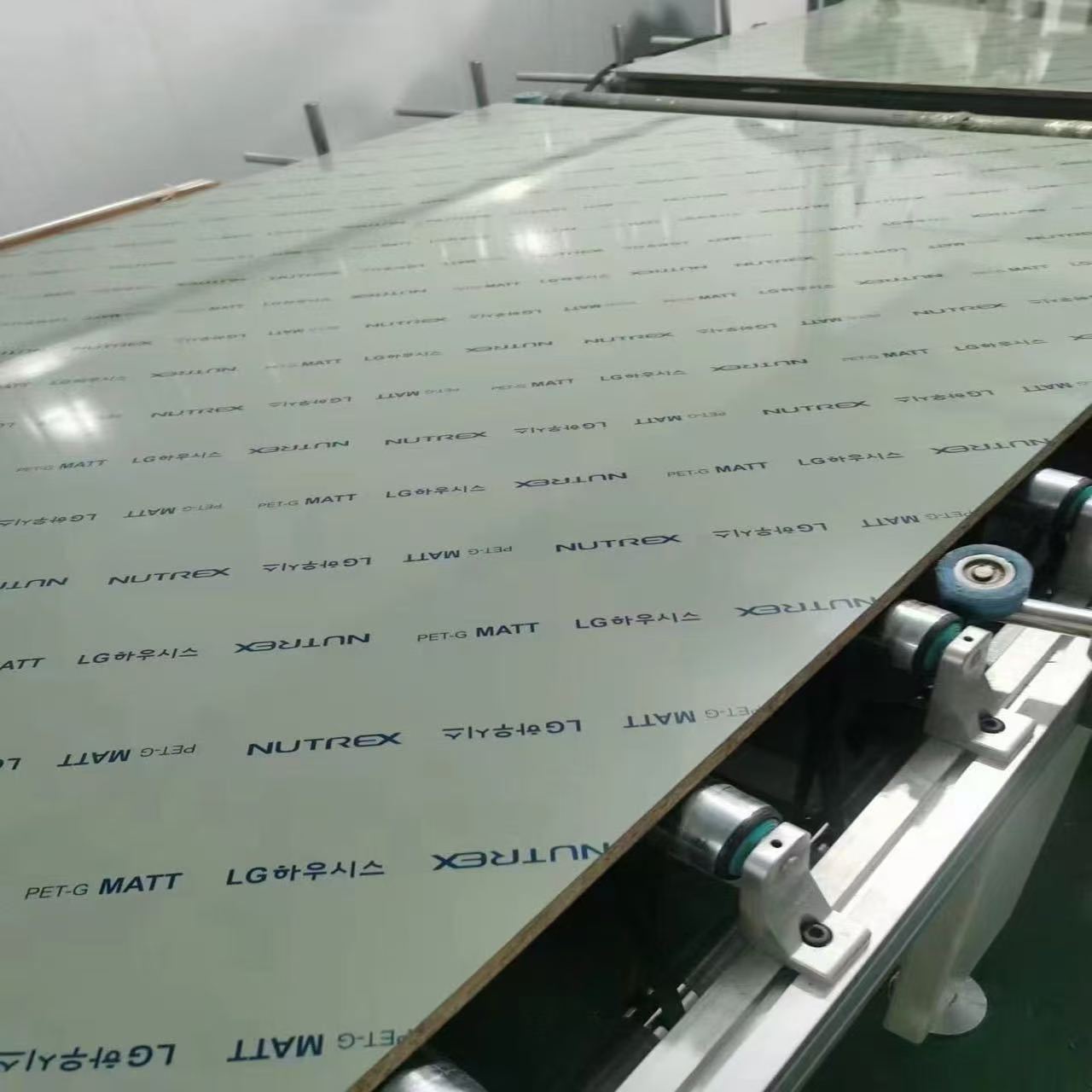
Pet board represents a sophisticated engineered material specifically designed to meet the demanding requirements of modern decorative applications, combining substrate stability with high-performance surface films. Understanding the durability characteristics of pet board becomes crucial for architects, interior designers, and furniture manufacturers who need reliable performance data to make informed material selection decisions. The durability profile of pet board encompasses multiple performance dimensions including mechanical strength, surface resistance, environmental stability, and long-term aesthetic retention under various operational conditions.
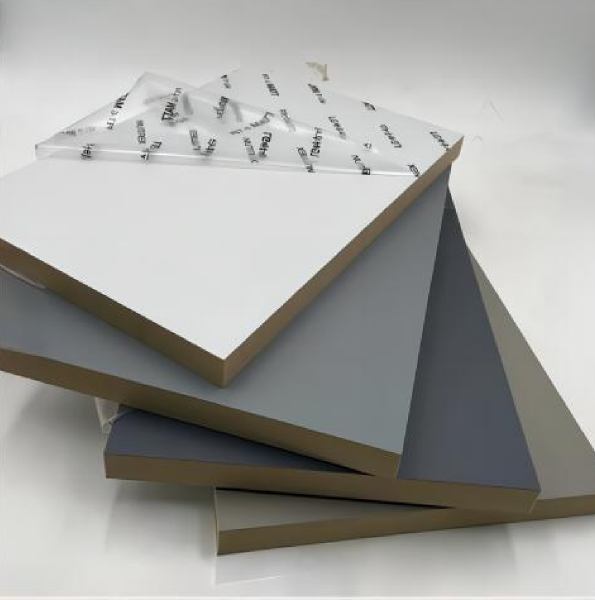
The durability assessment of pet board for decorative panels requires comprehensive analysis of both the substrate performance and the protective film characteristics that define its service life expectations. Pet board achieves exceptional durability through its multi-layer construction where polyethylene terephthalate films provide superior protection against moisture, chemicals, and physical damage while maintaining dimensional stability over extended periods. This engineered approach delivers measurable performance advantages that make pet board particularly suitable for high-traffic commercial environments and residential applications where consistent appearance and structural integrity are essential requirements.
Structural Durability Performance Of Pet Board
Substrate Strength And Load Bearing Capacity
The foundational durability of pet board stems from its engineered substrate construction, typically utilizing medium density fiberboard or particleboard cores that provide consistent structural performance under various loading conditions. These substrates undergo specific manufacturing processes that enhance their density uniformity and mechanical properties, resulting in improved screw holding capacity, edge strength, and resistance to deformation under normal service loads. The substrate composition directly influences the overall durability profile, with higher density cores generally providing enhanced structural integrity for demanding decorative applications.
Pet board demonstrates excellent dimensional stability characteristics that contribute significantly to its long-term durability performance in decorative installations. The substrate engineering minimizes expansion and contraction responses to environmental changes, reducing the likelihood of joint separation, surface cracking, or warping that commonly affects other panel materials. This stability becomes particularly important in large-format installations where dimensional movement can create visible alignment issues or structural stress concentrations that compromise both appearance and functional performance over time.
Mechanical Impact Resistance
The impact resistance of pet board results from the combined performance of its substrate and surface film layers, creating a composite system that effectively distributes and absorbs mechanical energy from impacts during installation and service life. Standard impact testing demonstrates that pet board can withstand typical furniture handling forces, door closures, and accidental contact events without exhibiting surface damage or structural failure. This mechanical resilience makes pet board particularly suitable for cabinet applications, wall panels, and furniture components where routine physical contact is expected.
The energy absorption characteristics of pet board enable it to resist edge chipping and corner damage that frequently occurs with brittle surface materials, maintaining clean appearance and structural integrity even after repeated mechanical stress cycles. The film layer provides additional protection against sharp object contact while the substrate core prevents crack propagation through the panel thickness. This combination delivers superior impact durability compared to traditional laminated panels or painted surfaces that may show immediate damage from similar impact events.
Surface Film Durability And Protection Systems
Chemical Resistance Properties
Pet board exhibits exceptional chemical resistance due to the inherent properties of polyethylene terephthalate films that form the protective surface layer, providing long-term protection against household cleaners, solvents, and environmental chemicals commonly encountered in residential and commercial environments. The PET film structure resists penetration by most cleaning agents, preventing substrate damage and maintaining surface integrity even with regular exposure to harsh cleaning protocols. This chemical resistance extends the service life of decorative installations by preventing degradation that would otherwise require premature replacement or refinishing.
The molecular structure of PET films used in pet board construction provides inherent resistance to acids, bases, and organic solvents within the pH ranges typically encountered in building environments, ensuring consistent performance in kitchen applications, bathroom installations, and commercial facilities where chemical exposure is routine. Testing protocols demonstrate that pet board maintains its appearance and structural properties after extended exposure to standard cleaning chemicals, making it particularly suitable for applications where hygiene maintenance requires regular chemical cleaning. This chemical durability eliminates concerns about surface degradation or discoloration that might compromise the aesthetic value of decorative installations.
Moisture And Humidity Resistance
The moisture resistance of pet board represents one of its most significant durability advantages, achieved through the barrier properties of PET films that prevent water penetration into the substrate core while maintaining vapor transmission characteristics that prevent moisture accumulation within the panel structure. This moisture management system protects against swelling, delamination, and fungal growth that commonly affect wood-based panels in humid environments. The engineered moisture resistance makes pet board particularly suitable for bathroom applications, kitchen installations, and basement environments where humidity control may be challenging.
Pet board demonstrates excellent performance in high humidity environments through its ability to resist moisture-induced dimensional changes that would otherwise create installation problems or appearance issues over time. The PET film barrier prevents direct water contact with the substrate while allowing controlled moisture exchange that maintains equilibrium without causing structural damage. This moisture durability ensures that pet board installations maintain their original dimensions and appearance even in environments with significant humidity fluctuations or occasional direct water contact during cleaning operations.
Long-Term Performance And Service Life Expectations
UV Stability And Color Retention
The ultraviolet stability of pet board depends significantly on the specific formulation of PET films used in its construction, with properly formulated systems demonstrating excellent color retention and surface integrity even under extended exposure to natural and artificial lighting sources. UV stabilizers incorporated into the film structure prevent photodegradation that would otherwise cause color fading, surface chalking, or mechanical property loss over time. This UV resistance ensures that pet board installations maintain their original appearance characteristics throughout their expected service life, eliminating concerns about premature replacement due to sun damage or artificial lighting effects.
Pet board maintains its aesthetic properties under normal interior lighting conditions for periods exceeding typical renovation cycles, providing consistent appearance that justifies its selection for permanent decorative installations. The UV protection characteristics become particularly important in applications near windows or under intense artificial lighting where other materials might show rapid color changes or surface degradation. Advanced PET formulations used in premium pet board products can maintain color stability for decades under controlled interior conditions, making them suitable for architectural applications where long-term appearance consistency is critical.
Thermal Cycling Performance
Pet board demonstrates robust performance under thermal cycling conditions commonly encountered in building environments, maintaining structural integrity and appearance characteristics through repeated heating and cooling cycles that might cause other materials to develop stress cracks or delamination problems. The thermal expansion characteristics of pet board components are engineered to provide compatible movement between film and substrate layers, preventing interface failure even under significant temperature variations. This thermal durability makes pet board suitable for applications in buildings without climate control or in areas subject to seasonal temperature variations.
The thermal stability of pet board extends to its resistance to heat-induced warping or bowing that might compromise installation tolerances or create appearance problems in large-format applications. Testing demonstrates that pet board maintains its flatness and dimensional accuracy through thermal cycles that would cause significant distortion in other panel products, ensuring consistent installation results and long-term performance reliability. This thermal durability becomes particularly important in commercial applications where HVAC systems may create significant temperature variations throughout daily operating cycles.
Application-Specific Durability Considerations
High-Traffic Commercial Environments
Pet board performance in high-traffic commercial environments demonstrates its suitability for demanding applications where durability requirements exceed typical residential standards, providing consistent appearance and structural integrity under conditions that would rapidly degrade other decorative materials. The surface hardness and wear resistance of pet board enable it to withstand routine contact, cleaning, and maintenance activities without showing premature wear patterns or surface damage. This commercial-grade durability makes pet board an economical choice for retail environments, office installations, and hospitality applications where maintenance costs and replacement frequency directly impact operational budgets.
The soil resistance characteristics of pet board contribute significantly to its commercial durability by preventing dirt accumulation and staining that would otherwise require intensive cleaning or eventual replacement to maintain acceptable appearance standards. The smooth, non-porous surface of PET films prevents soil penetration while enabling effective cleaning with standard commercial cleaning equipment and procedures. This soil resistance maintains the aesthetic value of pet board installations throughout their service life, reducing maintenance requirements and ensuring consistent appearance even in environments with high dirt loading or challenging cleaning schedules.
Residential Kitchen And Bathroom Applications
Pet board durability in kitchen applications encompasses resistance to cooking-related stresses including heat exposure from appliances, grease deposition, and frequent cleaning with various household chemicals that might damage other surface materials. The thermal resistance of pet board prevents damage from routine heat exposure while its chemical resistance maintains appearance and hygiene standards even with aggressive cleaning protocols. The moisture resistance prevents swelling or delamination that commonly affects wood-based products in kitchen environments, ensuring long-term installation integrity and appearance consistency.
Bathroom applications of pet board benefit from its comprehensive moisture resistance and easy cleaning characteristics that prevent the hygiene and structural problems commonly associated with other materials in high-humidity environments. The non-absorbent surface prevents bacterial growth and odor retention while maintaining structural stability despite routine exposure to steam, cleaning chemicals, and direct water contact. This environmental durability makes pet board particularly suitable for bathroom cabinetry, wall panels, and vanity applications where traditional materials might require frequent replacement or refinishing to maintain acceptable performance standards.
FAQ
How long does pet board typically last in decorative applications?
Pet board typically provides 15 to 20 years of reliable service life in interior decorative applications under normal use conditions, with premium formulations potentially exceeding these timeframes in controlled environments. The actual service life depends on specific application conditions, maintenance practices, and environmental factors, but the engineered durability of pet board generally exceeds that of traditional laminated or painted surfaces by significant margins.
Can pet board withstand heavy daily use in commercial settings?
Yes, pet board is specifically engineered to withstand heavy daily use in commercial environments, demonstrating excellent resistance to impact, abrasion, and chemical cleaning that characterizes high-traffic applications. The surface hardness and structural integrity of pet board enable it to maintain appearance and functionality even under intensive use conditions that would rapidly degrade other decorative materials.
What factors most significantly affect pet board durability?
The most significant factors affecting pet board durability include exposure to extreme temperatures, direct UV radiation, mechanical impact intensity, and chemical contact frequency and concentration. Proper installation practices and appropriate application selection based on environmental conditions significantly influence long-term durability performance, with interior applications generally providing optimal service life expectations.
Does pet board maintain its appearance over time without refinishing?
Pet board maintains its original appearance throughout its service life without requiring refinishing, as the PET film surface provides permanent protection against wear, staining, and environmental degradation that would otherwise necessitate surface restoration. The factory-applied finish system eliminates the maintenance requirements associated with painted or stained surfaces while providing consistent aesthetic performance over extended periods.