 EN
EN

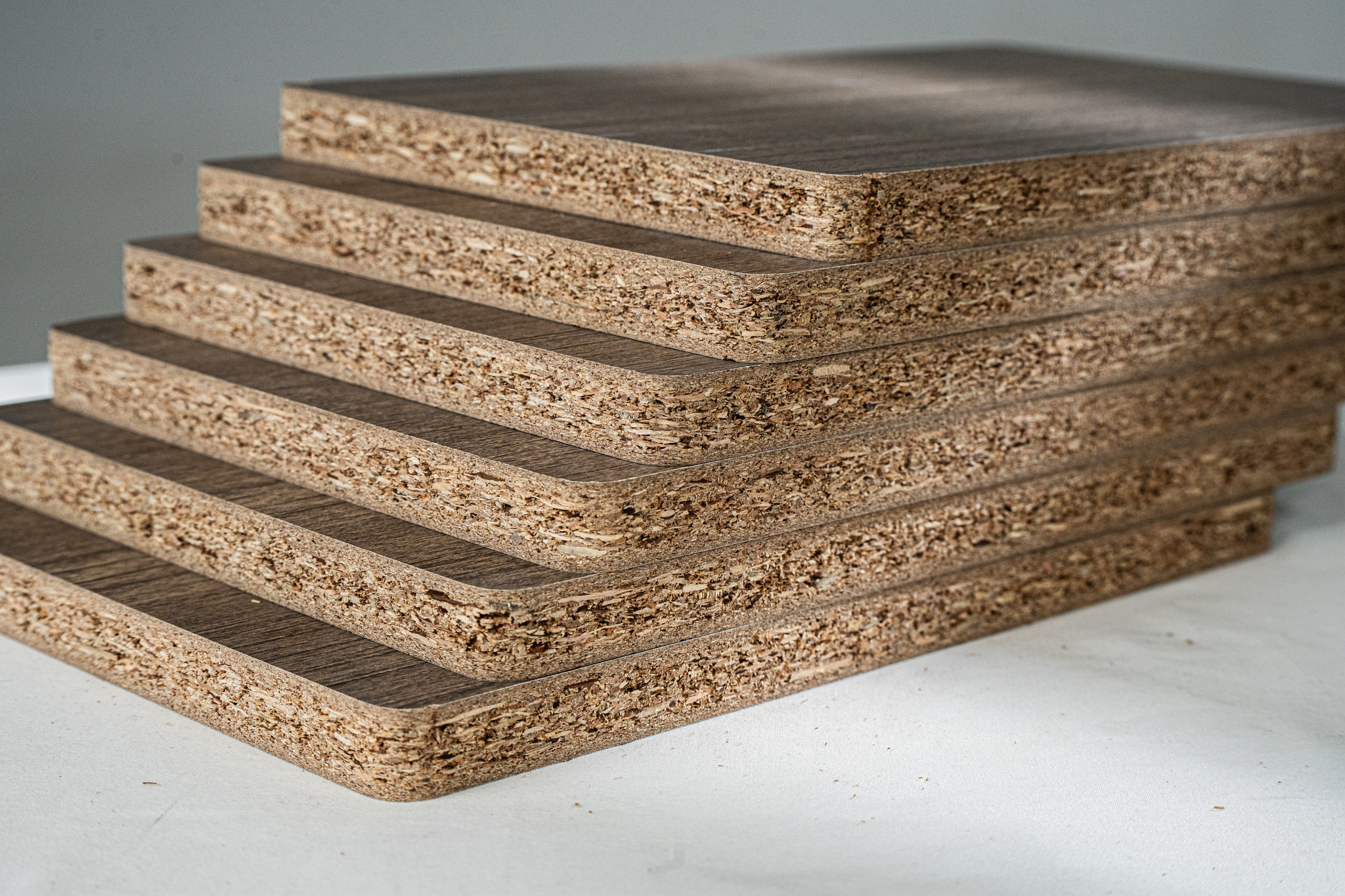
In modern furniture manufacturing, operational efficiency is not just a competitive advantage — it is a survival requirement. Factories that reduce material waste, shorten production cycles, and minimize post-processing steps consistently outperform those that do not. One material that has quietly transformed how furniture factories operate is melamine MDF. By combining the structural reliability of medium-density fiberboard with a factory-applied decorative surface, this engineered panel eliminates entire stages of the traditional production workflow, delivering measurable gains in throughput and cost control.
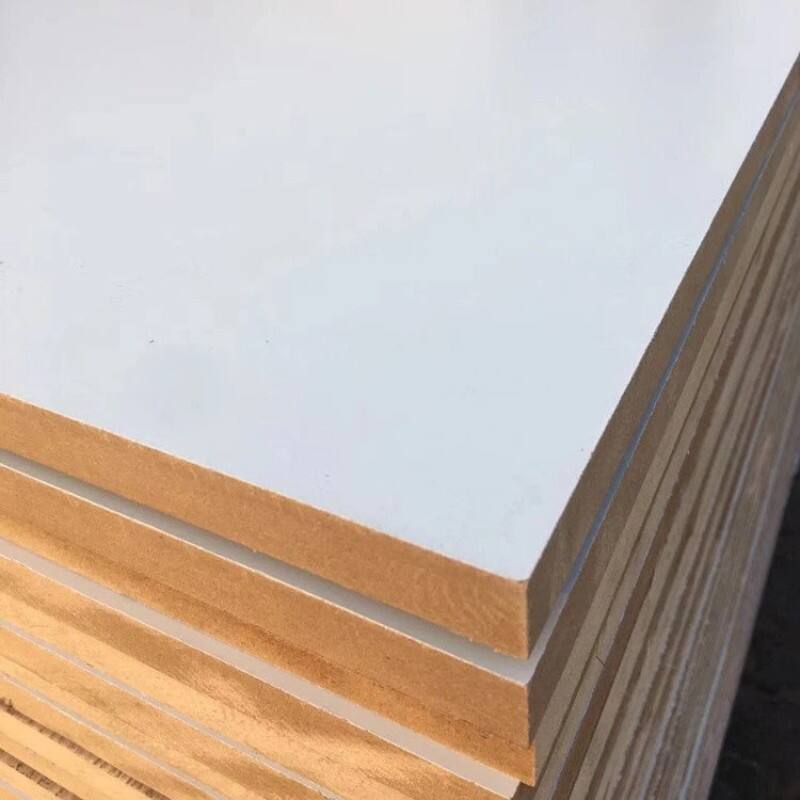
Understanding how melamine MDF contributes to production efficiency requires looking beyond surface appearances. The real impact is felt on the factory floor — in the cutting room, the finishing department, and the assembly line. From standardized panel dimensions to pre-finished surfaces that require no additional coating, melamine MDF has redefined what an efficient furniture production process looks like. This article explores the specific mechanisms through which this material drives efficiency improvements across the entire manufacturing operation.
Eliminating the Finishing Stage Through Pre-Laminated Surfaces
The Hidden Cost of Traditional Finishing
In a conventional furniture factory, raw MDF panels arrive without a decorative finish. This means that after cutting and shaping, every component must pass through a separate finishing workflow — which typically involves sanding, priming, applying paint or veneer, curing, and quality inspection. Each of these steps consumes time, labor, energy, and floor space. For high-volume operations, the finishing department is often the primary bottleneck that limits daily output capacity.
The cumulative cost of this workflow is substantial. Painting and lacquering require specialized equipment, ventilation systems, and trained operators. Veneer application demands precision and introduces a measurable defect rate. When production volume scales up, these inefficiencies compound rapidly. Furniture manufacturers working with unfinished board materials often find that the finishing stage accounts for a disproportionate share of their total production time.
This is precisely where melamine MDF changes the equation. Because the decorative melamine paper is bonded to the board surface during manufacturing under high heat and pressure, the panel arrives at the factory already finished. The surface is smooth, uniform, and ready for immediate use after cutting. There is no priming, no painting, no veneer work, and no curing time required.
Streamlining Workflow with Ready-to-Use Panels
When a furniture factory adopts melamine MDF as its primary board material, the entire production flow becomes leaner. Cut panels can move directly from the saw to the edge-banding machine, and from there to assembly. The intermediate finishing stage simply disappears from the process map. This compression of the workflow reduces the number of handling steps, lowers the risk of inter-stage damage, and allows factories to respond faster to customer orders.
For kitchen cabinet manufacturers and flat-pack furniture producers in particular, the ability to process melamine MDF panels through a single streamlined cutting-and-assembly workflow is a significant operational advantage. Factories report that eliminating the finishing stage alone can reduce production cycle times by a considerable margin, depending on the product mix and order volume.
The quality consistency of melamine MDF surfaces also reduces inspection time at the finishing stage. Because the surface uniformity is controlled during panel manufacturing rather than applied in-house, defect rates from inconsistent finishing are largely eliminated. This translates into fewer reworks, lower material waste, and more predictable quality output across production runs.
Improving Cutting Precision and Material Utilization
Dimensional Consistency Across Panel Batches
One of the less-discussed advantages of melamine MDF in a production context is its dimensional consistency. Medium-density fiberboard is engineered from wood fibers bonded under controlled conditions, which results in uniform density, thickness tolerance, and flatness across the panel. When the melamine layer is applied, it adds surface stability without introducing the warping or thickness variation that can occur with natural wood or lower-grade composite boards.
For CNC cutting operations and panel saws, consistent board thickness is critical to maintaining cut precision across large production batches. When board thickness varies, machine settings must be recalibrated between batches, and cut tolerances can drift beyond acceptable limits. Melamine MDF panels minimize this variability, allowing CNC programs to run with fewer interruptions and maintaining dimensional accuracy across thousands of cut parts.
This predictability also simplifies the work of production planners. Because melamine MDF behaves consistently, cutting optimization software can generate accurate nesting layouts with high confidence that the output will match the planned dimensions. The result is better material utilization, less offcut waste, and more efficient use of machine time.
Reducing Setup Time and Machine Downtime
In a high-volume furniture factory, machine setup time and unplanned downtime are two of the most significant drains on productivity. Materials that require frequent blade changes, special tooling, or custom machine settings add invisible costs to every production run. Melamine MDF is designed to be processed with standard industrial tooling, and its homogeneous composition means that cutting behavior remains consistent throughout the panel — from the core to the edges.
The melamine surface itself is hard and resistant to minor surface damage during cutting and handling, which reduces the need for protective measures and intermediate packaging between production steps. Factory operators working with melamine MDF can move panels through the production line with greater confidence that surfaces will arrive at the assembly stage in acceptable condition without requiring additional protection film or inter-stage inspection.
Additionally, the stable surface of melamine MDF bonds effectively with standard edge-banding adhesives, reducing edge-banding defect rates and rework frequency. This reliability at the edge-banding stage is particularly important for kitchen board and cabinet production, where edge quality is a visible quality indicator for end customers.
Accelerating Assembly and Reducing Labor Dependency
Flat-Pack Compatibility and Assembly Simplification
The furniture industry's shift toward flat-pack and ready-to-assemble product formats has created strong demand for panel materials that perform reliably in high-precision joinery applications. Melamine MDF supports this production model exceptionally well. Its uniform density allows dowel holes, cam-lock fittings, and other hardware to be installed with consistent torque resistance, reducing the risk of loose joints or assembly failures in the field.
Because melamine MDF panels arrive pre-finished, the cut components can be packaged and shipped immediately after assembly hardware installation. There is no waiting period for surface treatments to cure, no risk of surface contamination from in-factory finishing processes, and no need for post-packaging inspection of surface quality. This acceleration of the final production stages enables factories to respond to orders more quickly and maintain higher inventory turnover.
Labor efficiency also improves when factories work with melamine MDF. Tasks that previously required skilled finishing technicians — such as paint mixing, spray application, and surface defect correction — are no longer part of the production process. The skill requirements shift toward precision cutting and assembly, which can be more readily supported by CNC automation and structured assembly workflows. This redistribution of labor requirements can help factories manage workforce costs while maintaining or improving output quality.
Supporting Automation Integration in Modern Factories
Automation is a central priority for furniture factories seeking to scale output without proportionally scaling headcount. Melamine MDF is well-suited to automated production environments because its surface uniformity and dimensional consistency allow robotic handling, automated sorting, and vision-based quality inspection systems to operate reliably. Irregular surfaces or inconsistent dimensions — common in lower-grade materials — can cause errors in automated handling systems that disrupt the entire production line.
The smooth, uniform surface of melamine MDF also performs predictably under vacuum cup handling systems, which are standard in modern panel processing centers. Consistent surface adhesion to vacuum cups reduces misfeeds and panel drops, improving both safety and throughput in automated cutting and sorting operations. As factories invest in increasingly sophisticated automation infrastructure, the material properties of melamine MDF support rather than limit the performance of these systems.
Automated edge-banding lines, CNC machining centers, and robotic assembly stations all function more efficiently when the input material is consistent and predictable. Melamine MDF provides that foundation, making it not just a surface-finishing solution but a core enabler of factory-wide automation strategies in the furniture industry.
Inventory Management and Supply Chain Simplification
Reducing SKU Complexity Through Versatile Panel Options
Furniture factories that rely on unfinished board plus separate finishing materials must manage a complex inventory of primers, paints, lacquers, veneers, and associated consumables. Each of these materials has its own storage requirements, shelf life considerations, and supplier relationships. Managing this inventory adds administrative overhead and introduces supply chain risk whenever any one component is delayed or out of stock.
By centralizing their board procurement around melamine MDF, factories can significantly simplify their materials inventory. The panel arrives with the finish already applied, meaning a single SKU category covers what previously required multiple separate material inputs. This consolidation reduces warehouse complexity, lowers the risk of production stoppages due to consumable stockouts, and makes procurement planning more straightforward.
Melamine MDF is available in a wide range of surface colors, textures, and thickness specifications, allowing factories to maintain product variety while still benefiting from simplified inventory structures. A factory producing kitchen boards, furniture boards, and packaging boards can source melamine MDF in the specific specifications required for each product line, maintaining design flexibility without the operational complexity of managing multiple finishing processes.
Enabling Just-In-Time Production Models
Just-in-time production requires that materials arrive ready for immediate processing with minimal lead time between receipt and production. Melamine MDF aligns naturally with this model because panels can move directly from the receiving dock to the cutting floor without any preparation or conditioning steps. There is no need to allow time for surface coatings to acclimatize, no mixing of finishing materials, and no preheating or pretreatment required before processing.
For furniture factories serving fast-fashion retail channels or responding to project-based contract furniture orders, the ability to process melamine MDF quickly and predictably supports tighter delivery commitments. Reduced lead times at the production stage translate directly into improved customer service performance and greater flexibility to accept short-notice orders without disrupting planned production schedules.
The combination of pre-finished surfaces, dimensional consistency, and automation compatibility makes melamine MDF one of the most operationally efficient board materials available to furniture manufacturers today. Its contribution to production efficiency is not limited to any single stage of the manufacturing process — it is felt across the entire value chain from material receipt to finished goods dispatch.
FAQ
Does melamine MDF require any surface preparation before use in furniture production?
No. One of the primary efficiency advantages of melamine MDF is that the decorative surface is factory-applied during panel manufacturing. Furniture factories can cut, machine, and assemble panels without applying any additional surface treatments, primers, or coatings. This eliminates entire preparation steps from the production workflow.
Is melamine MDF suitable for automated CNC cutting and processing?
Yes. The dimensional consistency and uniform density of melamine MDF make it highly compatible with CNC panel processing centers. Its predictable cutting behavior allows CNC programs to maintain consistent tolerances across large production batches with minimal setup adjustments, making it an ideal material for high-volume automated furniture manufacturing environments.
How does melamine MDF affect edge-banding quality in furniture production?
Melamine MDF provides a stable, uniform substrate that bonds reliably with standard edge-banding adhesives. The consistent density along the panel edges reduces the variation in adhesion quality that can occur with less uniform materials, resulting in lower defect rates and less rework at the edge-banding stage — a key contributor to overall production efficiency.
Can melamine MDF be used for kitchen boards, furniture boards, and packaging boards simultaneously?
Yes. Melamine MDF is available in a range of thickness specifications and surface finishes, making it suitable for multiple product applications within the same factory. This versatility allows manufacturers to simplify their material procurement while still meeting the different performance and aesthetic requirements of kitchen board, furniture board, and packaging board production lines.
Table of Contents
- Eliminating the Finishing Stage Through Pre-Laminated Surfaces
- Improving Cutting Precision and Material Utilization
- Accelerating Assembly and Reducing Labor Dependency
- Inventory Management and Supply Chain Simplification
-
FAQ
- Does melamine MDF require any surface preparation before use in furniture production?
- Is melamine MDF suitable for automated CNC cutting and processing?
- How does melamine MDF affect edge-banding quality in furniture production?
- Can melamine MDF be used for kitchen boards, furniture boards, and packaging boards simultaneously?