 EN
EN

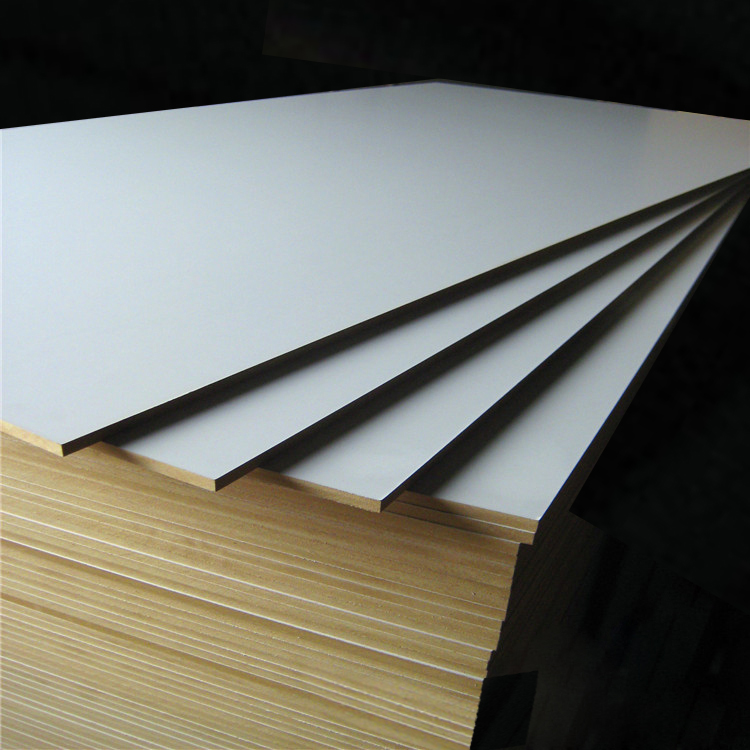
When designers and manufacturers seek a material that combines dimensional stability, smooth surface finish, and versatility of application, MDF wood consistently rises to the top of the list. Medium density fiberboard has evolved far beyond its origins as a cost-effective substrate, earning a respected position in premium furniture workshops and sophisticated architectural interiors worldwide. Its uniform density, absence of grain irregularities, and ability to accept virtually any finish make it an indispensable element in projects where aesthetics and precision are non-negotiable.
Understanding exactly how MDF wood functions within high-end furniture production and decorative wall systems requires looking at both its physical properties and the engineering logic behind modern interior design. This article walks through the application workflow, the specific roles MDF wood plays at different stages of manufacturing, and the reasons why premium segment designers continue to specify it over solid wood and plywood alternatives in particular contexts. Whether you are a procurement professional, a furniture manufacturer, or an interior architect, the following insights will sharpen your material selection decisions.
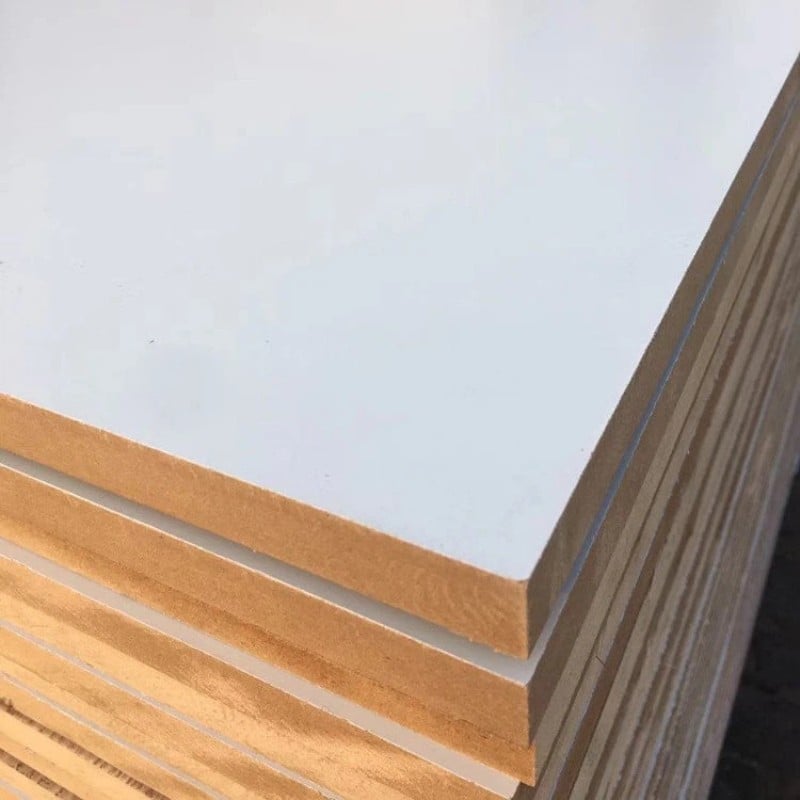
The Core Properties That Make MDF Wood Suitable for Premium Applications
Uniformity and Surface Consistency
One of the defining advantages of MDF wood is its absolute surface uniformity. Unlike solid timber, which carries natural grain patterns, knots, and density variations, MDF wood is engineered from compressed wood fibers bonded under high heat and pressure with synthetic resin binders. The result is a panel with consistent density throughout its entire cross-section, which translates directly into predictable machining performance on the factory floor.
For high-end furniture production, this uniformity is critical. When a CNC router profiles a cabinet door edge or a moulding detail, the cutting tool meets the same resistance at every point across the panel. This predictability eliminates the surface tearout and splintering that can occur when routing across wood grain, allowing craftsmen to achieve crisp, fine detail work that commands premium pricing in the marketplace. MDF wood essentially removes one of the primary variables that has historically made ornate woodworking unpredictable and labor-intensive.
The smooth face of MDF wood also creates an ideal base for lacquer, veneer, foil lamination, and paint finishes. In luxury furniture, the visible surface finish is the product's visual identity. A base material that contributes zero telegraphing of underlying texture or structural irregularity gives finishing teams a blank canvas, significantly reducing the number of filling and sanding cycles needed before the final finish coat is applied.
Dimensional Stability in Controlled Interior Environments
MDF wood exhibits relatively low movement in response to changes in temperature and humidity when compared to solid timber, provided it is used in conditioned interior environments. High-end residential and commercial interiors typically maintain climate control, which plays to MDF wood's strengths. The panels hold their dimensions reliably, which is essential for fitted furniture where gaps, warping, or joint failures would be immediately visible and commercially damaging.
This dimensional stability is especially valued in large-format applications such as full-height wardrobe carcasses, fitted library units, and modular kitchen systems. Designers can specify tight tolerances knowing that the material will behave consistently after installation. The reduced risk of seasonal movement also means that veneered or lacquered panels maintain their surface integrity over longer periods, protecting the investment value of the furniture.
MDF Wood in High-End Furniture Manufacturing
Cabinet and Carcass Construction
In modern premium cabinet manufacturing, MDF wood serves multiple structural and aesthetic roles simultaneously. The carcass — the internal box structure of a cabinet or wardrobe — is frequently constructed from melamine-faced MDF wood because the factory-applied surface requires no additional finishing work. The interior surfaces are durable, easy to clean, and resistant to the abrasion caused by repeated drawer and door operation.
For visible exterior surfaces, manufacturers often apply wood veneer over MDF wood substrates. The flat, stable surface of the board allows veneer to be glued down evenly without the risk of telegraphing from an uneven substrate. This approach delivers the visual warmth and natural character of real wood while achieving the manufacturing consistency that high-volume production demands. Veneered MDF wood panels can be produced to exacting color and grain-match specifications, enabling coherent visual runs across large kitchen or wardrobe installations.
Door panels represent one of the highest-value applications of MDF wood in furniture. Routed and profiled MDF wood doors can be painted to a high-gloss lacquer finish that rivals the appearance of bespoke painted solid wood at a fraction of the production time and material cost. The lack of grain means the finished surface reads as perfectly smooth under raking light, which is precisely the standard expected in luxury residential projects.
Decorative Mouldings and Detail Components
MDF wood is widely used to produce decorative mouldings, corbels, pilasters, and applied ornamental details that elevate furniture from functional to statement pieces. The material machines with exceptional cleanness under router profiles, allowing intricate classical and contemporary moulding geometries to be produced at repeatable quality. A single CNC routing program can generate hundreds of identical moulding lengths with tolerances measured in fractions of a millimeter.
These moulding components are then applied to door fronts, cabinet plinths, cornices, and side panels to create visual depth and three-dimensional interest. In high-end fitted kitchens and bespoke bedroom furniture, this applied detailing is a key differentiator between premium and commodity products. Designers specify MDF wood for these applications because it can be painted seamlessly with the surrounding panels, creating a unified appearance that reads as a single crafted piece rather than a composite assembly.
MDF Wood in Decorative Wall Systems
Panelling and Wainscoting Applications
Decorative wall systems represent one of the fastest-growing application segments for MDF wood in the interior design industry. Feature walls in hospitality lobbies, residential living rooms, corporate offices, and retail environments increasingly rely on MDF wood panels to deliver architectural character that plaster and paint alone cannot achieve. The material's machinability allows wall panel systems to incorporate grooves, reveals, bevels, and shadow-line details that add depth and shadow play to interior surfaces.
Traditional wainscoting and wall panelling, which historically required skilled carpentry using solid timber or plywood, can now be achieved more efficiently using profiled and painted MDF wood components. Panel frames, raised centres, and chair rails can all be manufactured from MDF wood cut to precise dimensions and finished to match the broader interior palette. The ability to paint to any RAL or NCS color code makes MDF wood panelling systems highly flexible in responding to bespoke design briefs.
For large commercial interiors where installation speed is critical, pre-finished MDF wood wall panels can be factory-produced and site-installed with minimal wet trade work. This approach reduces construction program time, which is a meaningful cost saving in commercial projects where delayed openings carry financial penalties. The smooth, factory-applied paint finish also performs more consistently than site-applied paint, which is subject to environmental variables during application.
3D Textured and Grooved Wall Panels
Advanced CNC routing technology has expanded what is achievable with MDF wood in wall applications. Three-dimensional textured panels featuring geometric patterns, ripple profiles, wave forms, and custom sculptural reliefs are now produced in large volumes for premium hospitality and residential projects. The uniformity of MDF wood is essential here — only a material with consistent density and surface hardness can produce the sharp-edged geometric forms that define contemporary high-design interiors.
Grooved MDF wood panels, sometimes referred to as slatted or louvered wall systems, have achieved particular mainstream popularity in recent years. These panels feature evenly spaced parallel channels routed into the face of the board, creating a linear rhythm that adds visual texture without the complexity of three-dimensional relief carving. The panels can be finished in paint, real wood veneer, or decorative foil, giving designers a wide palette of visual outcomes from the same underlying MDF wood substrate.
Acoustic performance is another dimension of MDF wood wall systems that is valued in premium settings. When grooved or perforated panels are backed with acoustic absorption material, the assembly delivers both visual design and sound management function. Restaurants, auditoriums, conference rooms, and high-end home cinemas all benefit from wall systems that address acoustic comfort without sacrificing interior aesthetics.
Finishing and Specification Considerations for Premium Projects
Selecting the Right Grade and Thickness
Not all MDF wood performs equally in premium applications, and understanding grade and thickness selection is important for achieving the expected quality outcome. Standard-grade boards are appropriate for painted applications in controlled interior environments. Moisture-resistant grades, typically identified by a green core, are specified for kitchens, bathrooms, and utility spaces where periodic humidity exposure is anticipated. Ultra-light grades are available for applications where panel weight is a constraint, such as large overhead ceiling features or mobile display systems.
Thickness selection for furniture components follows functional logic. Thicker panels, typically 18mm to 25mm, are used for structural carcass elements, shelving under load, and door panels that require substrate rigidity to prevent flexing under the weight of hinges and applied ironmongery. Thinner panels, in the 6mm to 12mm range, are used for back panels, drawer bottoms, applied moulding faces, and wall panelling where weight and material cost need to be managed without compromising visual performance.
Surface Treatment and Finishing Protocols
Achieving a premium finish on MDF wood requires an understanding of the material's porosity characteristics. The cut edge of MDF wood absorbs primers and sealers at a significantly higher rate than the face, which means edge treatment requires additional sealing steps to prevent an uneven finish absorbing into the substrate. Professional finishing workshops apply edge primer as a separate operation before the full primer-sealer cycle, ensuring that edges read at the same sheen level as faces after the final topcoat.
High-gloss lacquer finishes, which are a hallmark of contemporary luxury kitchen and furniture design, depend on a flawlessly smooth substrate. Finishing teams typically apply multiple coats of high-build primer to MDF wood components, sanding progressively between coats to build a perfectly level foundation. This substrate preparation phase represents a significant proportion of the total finishing time but is non-negotiable for achieving the mirror-quality surfaces that premium buyers expect. The inherent smoothness of MDF wood compared to solid timber means fewer preparation cycles are needed, even though the process remains labor-intensive.
FAQ
Is MDF wood strong enough for structural furniture components?
MDF wood has adequate compressive and flexural strength for most interior furniture applications when used in appropriate thicknesses. It performs well in carcass construction, shelving, and door panels. However, it is not recommended for applications subject to significant impact, outdoor exposure, or fastener withdrawal forces without reinforcement. Designers typically combine MDF wood with solid timber edging or metal reinforcements at high-stress connection points to maximize structural reliability in demanding applications.
How does MDF wood compare to plywood in decorative wall panel applications?
For applications requiring a smooth, painted finish with CNC-routed detail, MDF wood is generally preferred over plywood because its face is completely free of grain that could telegraph through paint. Plywood offers superior screw-holding and moisture resistance at the edges and is often preferred in structural or outdoor-adjacent applications. In premium decorative wall systems designed for conditioned interiors, MDF wood delivers the surface quality and machinability that most designers require, while plywood's core voids and surface grain make achieving a flawless paint finish significantly more difficult and labor-intensive.
Can MDF wood be used in moisture-prone interior spaces?
Standard MDF wood is not suitable for areas of prolonged moisture exposure, as the wood fiber core will swell and delaminate when wet. However, moisture-resistant grades of MDF wood are specifically engineered for use in kitchen, bathroom, and utility environments where intermittent humidity exposure occurs. These grades use moisture-resistant binders and are typically identifiable by their green-tinted core. Even with moisture-resistant MDF wood, proper sealing of all cut edges and surfaces with appropriate primer is essential to achieving long-term performance.
What thicknesses of MDF wood are most commonly specified in furniture and wall panel design?
The most commonly specified thicknesses of MDF wood in premium furniture production are 12mm, 18mm, and 25mm, with 18mm being the industry workhorse for carcass and door panel applications. In decorative wall systems, 9mm and 12mm panels are popular for their manageable weight and sufficient routing depth for grooved and textured profile work. Thinner 6mm boards are used for back panels and applied veneered face work. The specific thickness selected for any application should be determined by the structural loading requirements, the routing depth needed for decorative profiling, and the weight constraints of the installation context.