 EN
EN

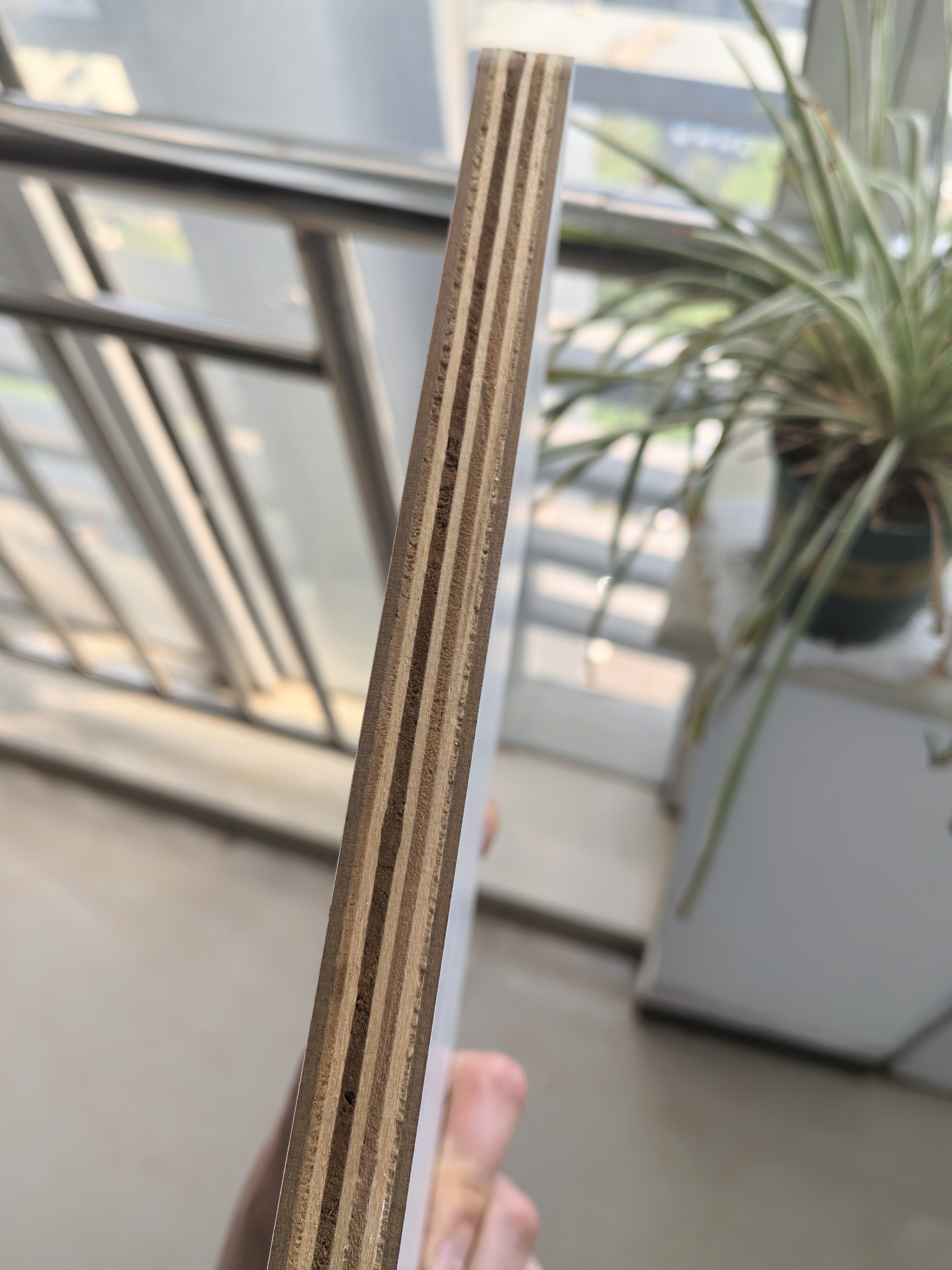
Dizaynerlər və müqaviləçilər kommersiya daxili sahələri üçün materialları qiymətləndirdikdə, melaminli taxta daimi olaraq qısa siyahının ən yuxarısına çıxır. Perakendə vitrinlərindən, korporativ ofislərə, mehmanxana mühitlərinə və təhsil obyektlərinə qədər bu mühəndislik lövhəsi materialı demək olar ki, bütün kommersiya tikinti və daxili bəzək sahələrində dominant seçim halına gəlib. Onun geniş yayılması heç bir təsadüf deyil — bu, performans xüsusiyyətlərinin, dəyər effektivliyinin və estetik çoxtərəfliliyin diqqətlə tarazlaşdırılmış birləşməsinin nəticəsidir və bunlara bənzər alternativ materiallar nadir hallarda uyğun gələ bilir.
Niyə belə olduğunu başa düşmək melaminli taxta ticari daxili dizaynda belə görkəmli mövqe qazanması, onun struktur tərkibinə, tələbkar şəraitdə praktik performansına və miqyaslı istifadəsi üçün iqtisadi məntiqinə baxmağı tələb edir. Bu məqalə memarlar, daxili dizaynerlər və satınalma komandaları tərəfindən ticari layihələrdə təkrar-təkrar göstərilən melaminli taxta nın əsas səbəblərini və həm davamlılıq, həm də dizayn keyfiyyəti şərti olan yüksək keçidli, yüksək görünən mühitlərə uyğunluğunu müzakirə edir.
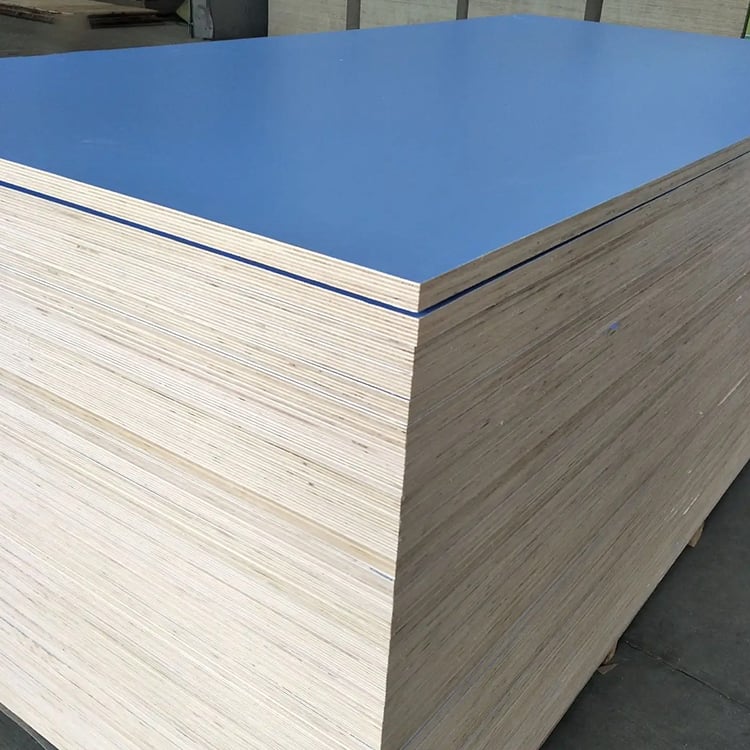
Melamin ağacın nə olduğunu və necə istehsal olunduğunu
Materialın tərkibi
Melaminli taxta melamin rezinlə impregnasiya olunmuş dekorativ kağızın yüksək təzyiq və yüksək temperaturda əsas material — adətən fanera, MDF və ya hissəciyli taxta — üzərinə yapışdırılması ilə yaradılan mühəndislik lövhə məhsuludur. Nəticədə səthi sərt və hamar olan, sadəcə yapışdırılmış və ya laminatlanmış deyil, əksinə əsas materiala kimyəvi olaraq birləşdirilmiş lövhə alınır. Bu birləşdirmə prosesi ona melaminli taxta onun imza dayanıqlılığı və müqavimət xüsusiyyətləri — bu xüsusiyyətlər təbii ağac və bir çox başqa səth örtükləri tərəfindən sadəcə təkrar edilə bilməz.
Melamin rezini özü melamin və formaldehid arasında baş verən reaksiyadan alınan termoset plastikdir. Qurudulduqda bu rezin son dərəcə sərt və kimyəvi cəhətdən sabit olur. İstilik təsirində yenidən ərimir, nəm udma qabiliyyəti aşağıdır və müxtəlif kimyəvi maddələrə və həlledicilərə qarşı müqavimət göstərir. Bu xüsusiyyətlər panelin səthinə birbaşa daxil edilmişdir; yəni onlar materialın daxili xüsusiyyətləridir və heç bir yuxarı örtük və ya ikincil emaldan asılı deyillər. Günlük təmas, təmizlik və aşınmaya məruz qalan səthlərin istifadə edildiyi kommersiya mühitlərində bu xüsusiyyətlər melaminli taxta təbii ağacın səth örtüyü ilə müqayisədə fundamental olaraq daha praktik seçim təmin edir.
Əsas Alt Qat Seçimləri və Onların Rolu
Performansı melaminli taxta yalnızca səth qatının funksiyası deyil. Panelin strukturlu möhkəmliyi, vidaları tutma qabiliyyəti, çəkisi və nəmə davamlılığı üçün əsas alt qat eyni dərəcədə vacib rol oynayır. Məsələn, faniq qatları parçalanmış taxta qatlara nisbətən üstün möhkəmlik və ölçüsünü saxlama qabiliyyəti təmin edir; buna görə də fanıq əsaslı melaminli taxta kommerciya məqsədləri üçün kabinetlər, raf sistemləri və strukturlu mebellərin elementləri üçün üstünlük verilən seçimdir.
MDF qatları melamin örtüyünün vizual keyfiyyətini artırmaq üçün fövqəladə dərəcədə hamar səth təmin edir; bu da onları səth mükəmməlliyinin vacib olduğu vitrinlər, bəzədici divarlar və dekorativ carpentry işləri üçün yaxşı uyğunlaşdırır. Parçalanmış taxta qatları isə bölücülərin doldurulması və yüklənməsi az olan raf sistemləri kimi qeyri-strukturlu tətbiqlər üçün qiymətcə sərfəli həll imkanı yaradır. Fərqli əsas materialların eyni melamin səth emalı ilə birləşdirilməsi mümkündür; bu da melaminli taxta çox geniş ticari tətbiqlər spektrində xüsusi performans tələblərini ödəmək üçün mühəndislik üsulları ilə yaradıla bilər, bu zaman eyni zamanda daimi vizual görünüş saxlanılır.
Ticari mühitlərdə davamlılıq və performans
Səth sərtliyi və xərçəngə qarşı müqavimət
Əsas səbəblərdən biri melaminli taxta ticari interyerlər üçün göstərilən əsas xüsusiyyət onun istisna səth sərtliyidir. Bərkidilmiş melamin rezin səthi rənglənmiş ağac səthlərindən və əksər laminat örtüklərdən çox daha yüksək Taber aşınma müqaviməti qiyməti əldə edir. Perakende satış saytları, qəbul şöbələri, ofis iş stansiyaları və iqtisadiyyat sektoruna aid mebellər kimi mühitlərdə səthlər davamlı fiziki təmasa, sürüşən obyektlərə və təkrarlanan təmizləməyə məruz qalır. " melaminli taxta panelinin sərtliyi onu daha yumşaq örtük alternativlərinə nisbətən xərçənglərə və səth zədələnməsinə qarşı daha yaxşı müqavimət göstərməyə imkan verir; beləliklə, onların vizual keyfiyyəti daha uzun müddət saxlanılır və yenidən boyama və ya əvəzetmə tələb olunmur.
Bu xəttə davamlılıq eyni zamanda kommersiya layihələrində texniki xidmət büdcələri üçün praktik nəticələrə də səbəb olur. Böyük ofis binalarının və ya ticarət zəncirlərinin təchizatını idarə edən təsisi idarə edənlər çoxillik icarə müddətləri ərzində daxili səthlərin saxlanılması xərclərini nəzərdə tutmalıdırlar. Çünki melaminli taxta rutin istifadə zamanı səthin bütövlüyünü qoruyur, bu səthlərin saxlanılması üzrə yaşam dövrü xərcləri boyalı, furnitur və ya açıq ağacla bitirilmiş ekvivalent sahələrə nisbətən əhəmiyyətli dərəcədə aşağıdır. Böyük miqyaslı kommersiya layihələri üçün bu davamlı saxlanma xərclərində azalma, melaminli taxta .
Nəmə Davamlılıq və Nəm Toleransı
Kommersiya interyerləri tez-tez yüksək nəmlik təsirinə məruz qalan zonaları özündə birləşdirir — mətbəx bölmələri, tualetlərdəki ayna stendləri, binanın girişlərinə yaxın qəbul zallarının saytaları və iqtisadiyyat sahəsində arxa sahə mühitləri. Bu zonalarda materiallar şişmədən, qat-qat ayrılmasından və səthdə ləkələrin əmələ gəlməsindən qorunmaq üçün etibarlı nəmə davamlılığı göstərməlidir. Melaminli taxta nəmə davamlı nüvə formulasiyaları ilə təchiz edilmiş panel-lar bu şəraitlər üçün xüsusi olaraq hazırlanmışdır və onlar təmiz ağac və ya standart MDF-nin təhlükəsiz şəkildə təmin edə bilmədiyi performans səviyyəsi təklif edir.
Nəmə davamlılığı melaminli taxta iki mənbədən qaynaqlanır: səthi melamin təbəqəsi, hansı ki, suyu itələyir və onun daxil olmasını maneə törədir, və nüvə alt-qatının nəmə davamlı emalı. Bu xüsusiyyətlər birlikdə melaminli taxta -ın rütubət dövrləri və müvəqqəti nəm təsirinə məruz qaldığı mühitlərdə etibarlı işləməsinə imkan verir. Bu, mutfak alt blokları, otaq vanitilərinin gövdələri və illərləcə rütubətli şəraitdə deqradasiya olmadan istismar edilməli olan digər iqtisadi obyektlər üçün kommersiya mebeli elementlərində ən çox tercih edilən materialdır. xidmət istismar
Kimyəvi və Ləkəyə Qarşı Davamlılıq
Səhiyyə müəssisələrində, laboratoriyalarda, qida xidməti mühitlərində və təhsil müəssisələrində səthlər tez-tez təmizləyici vasitələr, dezinfeksiyaedici maddələr, qida məhsullar və müxtəlif kimyəvi maddələrlə təmasda qalmağa davamlı olmalıdır. Quruyan melamin rezini kimyəvi cəhətdən inert təbiəti melaminli taxta bir çox ev və kommersiya təmizləyici kimyəvi maddələrə qarşı möhkəm müqavimət profilinə malikdir. Səthlər sonluqlarını və rənglərini itirmədən dezinfeksiyaedici maddələrlə təkrar-təkrar silinə bilər; bu xüsusiyyət onu melaminli taxta sağlamlıq təmin edən müəssisələrdə və institusional interyerlərdə standart spesifikasiya kimi qəbul etmişdir.
Ləkəyə davamlılıq, tökülmələrin tez-tez baş verdiyi və görünən ləkələrin sahənin peşəkar görünüşünü zədələyə biləcəyi kommersiya mühitlərində eyni dərəcədə vacib nəzərə alınan amildir. Qəhvə, mürekəb, yüngül turşular və əksər qida məhsulları əsaslı maddələr bir melaminli taxta səthindən daimi iz buraxmadan təmizlənə bilər, əgər təmizlik ən qısa müddətdə aparılırsa. Bu xüsusiyyət yüksək istifadə olunan kommersiya mühitlərində estetik deqradasiyanın erkən baş vermə riskini əhəmiyyətli dərəcədə azaldır və buna görə də melaminli taxta kommersiya interyer dizaynerləri və onların müştəriləri üçün etibarlı uzunmüddətli investisiya hesab olunur.
Əsl versatillik və dizayn esnekliyi
Mövcud sonluqlar və teksturların çeşidi
Kommersiya interyer dizaynerlərinin spesifikasiya verməsinin ən cəlbedici səbəblərindən biri melaminli taxta bu, təqdim olunan estetik seçimlərin qeyri-adi genişliyidir. Müasir istehsal prosesləri melamin örtüklü lövhələrin yüksək dəqiqliklə ağac naxışlarının, daş səthlərinin, birmənalı rənglərin və soyut dekorativ effektlərin geniş çeşidini bərpa etməsinə imkan verir. Dizaynerlər çöl ağacı, cəvahir ağacı, maple, teak və bir çox başqa təbii ağac növlərinin görünüşünü inandırıcı şəkildə təkrarlayan lövhələri seçə bilərlər, lakin bu, birmənalı ağacın və ya təbii furniturun istifadəsi ilə əlaqədar olan xərclər, dəyişkənlik və ya ekoloji nəzərdə tutulan problemlər yaranmır.
Bu vizual çoxtərəflilik o deməkdir ki, melaminli taxta bir layihədə həm premium görünüşlü dekorativ material, həm də praktik, qiymət nəzarətində olan altlıq kimi istifadə edilə bilər. Xüsusi birləşdirici elementlər, qəbul divarları və vitrin mebelləri premium ağac naxışlı melaminli taxta lövhələrdən istifadə edərək yüksək səviyyəli estetik əldə edə bilər, halbuki arxa sahədəki anbarlar, xidmət stendleri və texniki sahələr eyni materialdan sadə bitişmələrlə istifadə edilir — beləliklə, görünməyən zonalarda material xərclərini artırmaqdan çəkinmədən layihə üzrə dizayn uyğunluğu saxlanılır.
Böyük layihələr üzrə tutarlılıq və təkrarlanma
Təbii ağac və faniyer örtükləri əsasən dəyişkəndir — taxta dənəsi nümunələri, rəng tonları və səth xüsusiyyətləri lövhədən lövhəyə və partiyadan partiyaya fərqlənir. Yüz və ya minlərlə kvadrat metr tutan, eyni səth örtüyü tələb edən böyük kommersiya interyerləri üçün bu dəyişkənlik ciddi praktik çətinlik yaradır. Melaminli taxta , əksinə, bütün istehsal seriyaları üzrə dəqiq və təkrarlanan vizual tutarlılıq təmin edir. Xüsusi bir ağac dənəsi nümunəsi və ya rəng seçərkən dizaynerlər eyni partiyadan istehsal olunan lövhələrin heç bir əhəmiyyətli fərq göstərmədən bir-birinə uyğun olacağını əminliklə bilirlər.
Bu tutarlılıq zəncir şəklində fəaliyyət göstərən mağazalar, korporativ kampuslar və bir neçə yerə standartlaşdırılmış interyer dizaynları tətbiq edən iqtisadiyyat və mehmanxana qrupları üçün son dərəcə vacibdir. Eyni daxili estetikanı bir yerden digərinə təkrarlaya biləmək imkanı melaminli taxta panellər satınalma prosesini sadələşdirir, keyfiyyət nəzarəti çətinliklərini azaldır və brend təlimatlarının bütün əmlak portfelində saxlanılmasını təmin edir. Bu, materialın performansının bir ölçüsüdür və fiziki davamlılığı aşaraq birbaşa böyük miqyaslı kommersiya dizayn proqramlarının operativ tələblərini ödəyir.
Kommersiya miqyasında iqtisadi üstünlüklər
Bütöv ağac və furnitur qatı ilə müqayisədə xərclərin effektivliyi
İqtisadi əsaslar üçün melaminli taxta kommersiya daxili layihələrdə istifadəsi açıqdır: bu, bütöv ağac və ya təbii ağac furnituru ilə müqayisədə çox daha aşağı qiymətə yüksək keyfiyyətli dekorativ səth örtüyü təmin edir. Kommersiya interyerlərində daxili kəsilmə işləri, mebel sistemləri, divar paneli və mebellər layihə büdcəsinin əhəmiyyətli hissəsini təşkil etdiyi halda, "" və yüksək keyfiyyətli ağac alternativləri arasındakı qiymət fərqi olduqca əhəmiyyətli qənaətlərə səbəb ola bilər — bu da dizaynerlərə büdcəni digər dəyər əlavə edən dizayn elementlərinə yönəltməyə imkan verir. melaminli taxta ""
Sadəcə ilk material xərclərindən başqa, melaminli taxta həmçinin dekorativ səth panelə artıq daxil edildiyi üçün bitirilmə xərclərini azaldır. Hamar ağacdan fərqli olaraq, onun üzərində qumlamak, primer çəkmək, boyamaq və örtük tətbiq etmək kimi ayrı-ayrı əməliyyatlar tələb olunur, melaminli taxta panellər əlavə səth bitirilməsi tələb etmədən quraşdırmağa hazır şəkildə fabrikdirən gəlir. Beləliklə, istehsal və quraşdırma prosesləri sadələşdirilir, bu da əmək haqqı xərclərini azaldır və layihə cədvəlini təsir edə biləcək bərabərsiz bitirilmə, tamamlama tələbləri və sərtləşmə müddəti gecikmələri kimi bir sıra post-quraşdırma keyfiyyət risklərini aradan qaldırır.
İstehsalatın Effektivliyi və Tullantıların Azaldılması
Melaminli taxta panellər kommersiya istehsalat axınlarına uyğun standart vərəq ölçülərində istehsal olunur ki, bu da effektiv kəsilmə planları və minimal material itkiyə imkan verir. CNC emalı, panel testərələri və kənar bandlama avadanlıqları hamısı standart mühəndislik panelləri ilə işləmək üçün optimallaşdırılıb və melaminli taxta bütün bu proseslər ərzində proqnozlaşdırıla bilən və sabit nəticələr verir. Kəsilmiş kənarlar, təbii ağacdan istifadə edərək əldə etmək çətin və bahalı olacaq, pürüzsüz və peşəkar nəticələr yaratmaq üçün uyğun kənar bant lentləri ilə bitirilə bilər.
Ticari daxili təchizat müştərilərinə qapı-qapanca məhsulları təmin edən istehsalçılar üçün melaminli taxta bu xüsusiyyət birbaşa istehsata səmərəlilik və tutum artımına çevrilir. Mürəkkəb şkafların korpusları, raf sistemləri və modulyar mebellərin komponentləri yüksək həcmdə və sabit keyfiyyətlə istehsal edilə bilər ki, bu da istehsalçıların böyük ticari sifarişləri müqayisəli qısa müddətdə yerinə yetirməsinə imkan verir. Bu istehsal səmərəliliyi nəticə etibarilə bütün ticari daxili layihələrə fayda gətirir, çünki emal xərcləri proqnozlaşdırıla bilər və vaxt cədvəlləri idarə oluna bilər; bu isə ticari miqyasda möhkəm operativ üstünlükdür.
Sürdürülebilənlik və Məsuliyyətli Təchizat Məsələləri
Köhnəlmiş ağac ehtiyatlarına olan təzyiqin azaldılması
Sürdürülebilənlik meyarları ticari daxili dizaynda material spesifikasiyalarını artan dərəcədə təsir edərkən, melaminli taxta böyük miqyaslı tətbiqlər üçün bərk ağacın məsuliyyətli alternativini təqdim edir. Mühəndislik olunmuş ağac nüvələrindən — sürətli böyüyən plantasiya növlərindən, bərpa edilmiş ağac liflərindən və ya təkrar emal edilmiş materiallardan istehsal oluna bilən — istifadə edərək, melaminli taxta köhnə və ya yavaş böyüyən ağac ehtiyaclarına olan tələbatı azaldır. Dekorativ melamin səthi, yüksək keyfiyyətli ağac növlərinin vizual xüsusiyyətlərini təmin edir, lakin bu növlərin kommersiya miqyasında toplanmasına ehtiyac yaratmır.
Bu cəhət melaminli taxta ticari tikinti layihələrinin məsuliyyətli materialların mənbəyini və aşağı qatılmış karbonu qiymətləndirən yaşıl tikinti sertifikatlaşdırma çərçivələri ilə uyğunluğunu təmin etməyə çalışdığı müddətdə artan dərəcədə aktual olur. Spesifikasiya melaminli taxta sertifikatlı, davamlı idarə olunan ağac liflərindən istehsal olunan panel sistemləri, ticari müştərilərin tələb etdiyi performans və estetik keyfiyyətləri təmin edərkən, layihənin davamlılıq sertifikatlarına töhfə verə bilər. Davamlılıq, performans və dəyər effektivliyinin birləşməsi melaminli taxta ticari dizayn sənayesinin inkişaf edən tələblərinə cavab verən xüsusi olaraq yaxşı mövqe tutan bir materialdır.
Uzun xidmət müddəti və əvəzlənmə dövrü
Ticari mühitdə melaminli taxta səthi aşınmaya, ləkələnməyə və nəm zərərlərinə qarşı effektiv şəkildə müqavimət göstərdiyi üçün düzgün seçilmiş və düzgün qorunan melaminli taxta qabartma işləri və panel sistemləri bir çox il ərzində əvəz edilmədən xidmət göstərə bilər. Daha uzun əvəzlənmə dövrləri, ticari icarə müddəti ərzində istehlak olunan materialların azalmasına səbəb olur və beləliklə, interyerin yenilənməsi və materialların təxliyə edilməsi ilə əlaqədar ekoloji izin azaldılmasına kömək edir.
Zaman melaminli taxta panellər nəhayət xidmət müddətlərinin sonuna çatır, lakin mühəndislik üsulu ilə hazırlanmış ağac əsaslı nüvə çox hallarda ağac tullantılarının emalı axınları ilə emal edilə bilər. hallar ümumi şəkil — davamlı, uzunömürlü, səmərəli istehsal olunan və bərpa olunan ağac liflərindən hazırlanmış — bu materialı kommersiya sahəsində yaşıl tikinti standartlarına daxil edilmiş həyat dövrü düşüncəsi ilə uyğunlaşdırır və onun kommersiya interyer dizaynı spesifikasiyalarında davamlı yayılmasına əlavə bir əsas verir. melaminli taxta melamin ağacın rənglənmiş MDF-ə nisbətən kommersiya kabinetləri üçün daha uyğun olmasının səbəbi nədir?
Tez-tez verilən suallar
Rənglənmiş MDF-dən fərqli olaraq,
Melamin ağac melaminli taxta dekorativ səthi istehsal zamanı panelə daimi olaraq birləşdirilir və nəticədə səthi, hər hansı bir yuxarı təbəqəyə çəkilmiş boya örtüyü ilə müqayisədə daha sərt, xərdək, çatma və nəmə qarşı daha davamlı olur. Boyalı MDF materialı təsir altında kənar və bucaqlarda xərdəklənə bilər, dövri olaraq tamamlanma tələb edir və zədələnmiş sahələrdən nəm udura bilər. Çoxsaylı istifadə olunan kommersiya mebellərində melaminli taxta quraşdırmanın tam xidmət müddəti ərzində daha etibarlı və az saxlanılan iş performansı təmin edir.
Melamin ağac xarici və ya açıq havada kommersiya tətbiqlərində istifadə edilə bilərmi?
Standart melaminli taxta panellər daxili istifadə üçün nəzərdə tutulmuşdur və səthi təbəqəsi ilə birlikdə nüvə alt materialının zamanla parçalanmasına səbəb olan davamlı UV şüalanması, yağış və temperatur dövrü kimi uzun müddətli birbaşa xarici təsirlərə qarşı uyğun deyil. Örtülü keçidlər, qorunmuş teraslar və ya yüksək təbii işıq intensivliyinə məruz qalan daxili sahələr kimi yarı-açıq kommersiya sahələri üçün rütubətə davamlı dərəcələrində melaminli taxta kifayət qədər yaxşı performans göstərə bilər, lakin birbaşa xarici tətbiqlər standart daxili melaminli taxta məhsullar.
Melamin ağac kommersiya binalarında yanğın təhlükəsizliyi baxımından necə davranır?
Melaminli taxta panellər bir çox hüquqi ərazidə kommersiya binalarının yanğın təhlükəsizliyi standartlarına uyğun yanğın geciktirici dərəcələrdə mövcuddur. Melamin rezin səthi özü qorunmamış ağac səthlərinə nisbətən müəyyən dərəcədə kömürleşməyə davamlılıq təmin edir və yanğın geciktirici ilə emal olunmuş nüvə alt materialları panelin yanğın dərəcəsi tələblərinə uyğunluğunu artırmağa kömək edir. Spesifikasiya verərkən melaminli taxta ticari interyerlər üçün dizaynerlər seçilmiş panelin müvafiq yanğın təsnifatı sertifikatlarına malik olduğunu və bu sertifikatların tətbiq olunan tikinti qaydaları ilə yanaşı, bərpa olunacaq sahənin xüsusi istifadə təsnifatı tələblərinə uyğun olduğunu təsdiqləməlidirlər.
Ticari mebelçilik tətbiqləri üçün melamin ağacın hansı qalınlığı tövsiyə olunur?
Uyğun qalınlıq melaminli taxta ticari mebelçilik üçün tətbiqin struktur tələblərindən asılıdır. Şkaf korpusları, raf sistemləri və bölücülər üçün 16 mm–18 mm panel qalınlıqları struktur sərtliyi və idarə ediləbilən çəki arasında yaxşı balans təmin edir və bu qalınlıqlar ticari bərpa işləri üçün ən çox təyin olunanlar arasındadır. Sərtlik kritik əhəmiyyət daşıyan qapılar və dekorativ panel üçün ümumiyyətlə 18 mm qalınlığı üstünlük təşkil edir. Yük daşıma qabiliyyəti tələb olunmayan arxa panel, çəkmə dibləri və yüngül doldurucu elementlər üçün 9 mm kimi daha incə panel qalınlıqları istifadə edilə bilər.