 EN
EN

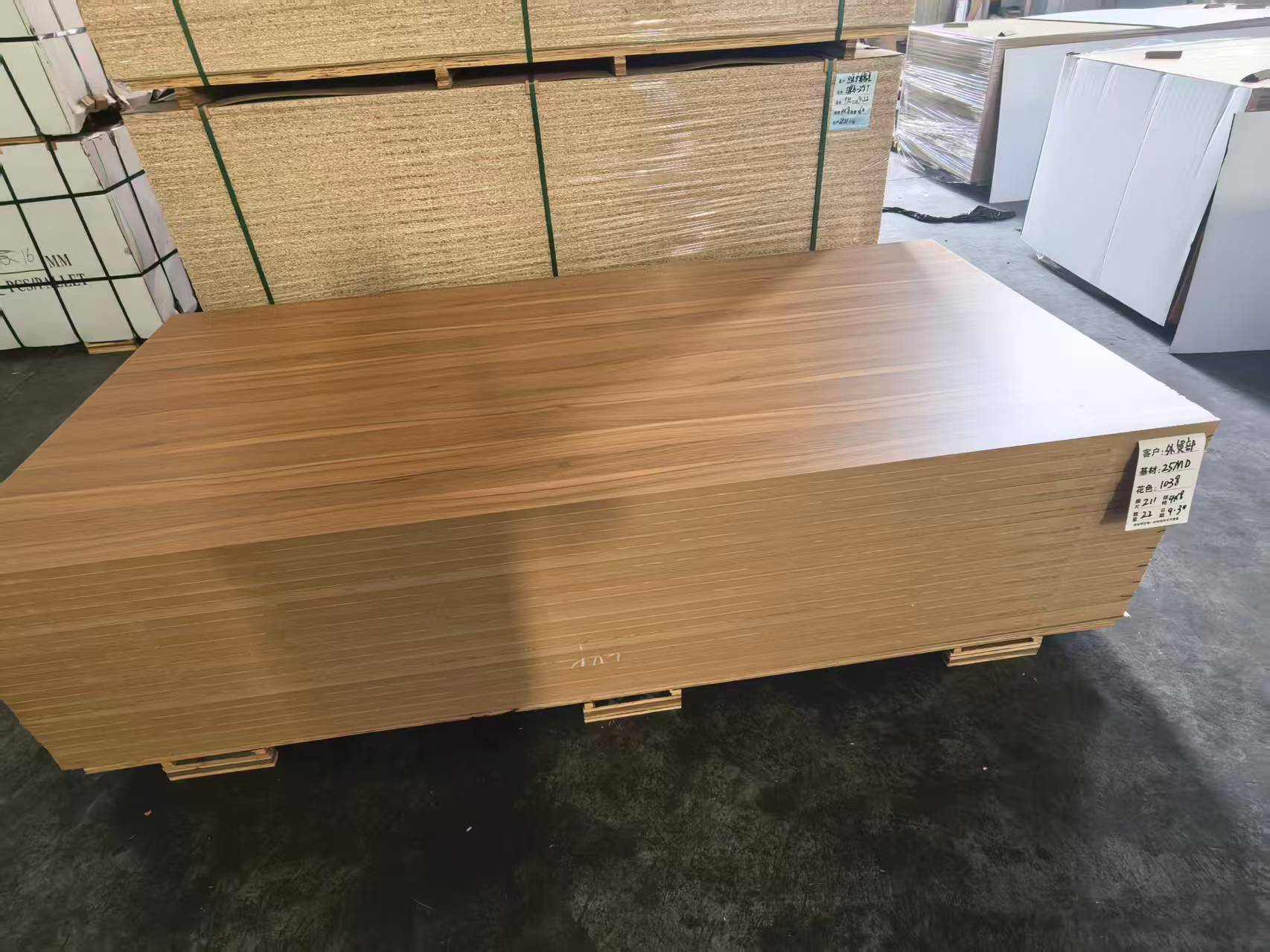
Mühəndislik ağacı seçərkən məhsullar daxili mebellər və dekorativ panel üçün, MDF materialının çox yönlüllüyü və emal ediləbilərliyi ilə müqayisə edilə biləcək az sayda seçim mövcuddur. Orta sıxlıqlı lif taxtası (MDF) müasir mebel istehsalında, kabinetlərdə və memarlıq detallarında ən geniş yayılmış alt qatlar arasında biri olub, bunun əsas səbəbi onun bərabər sıxlığı, hamar səthi və sabit struktur xüsusiyyətləridir; bu da istehsalçılar və dizaynerlərə təbii ağacın həmişə təmin edə bilmədiyi etibarlı bir platforma verir.
MDF materialının daxili tətbiqlər üçün uyğunluğu təsadüfi deyil — bu, lövhənin lif səviyyəsində necə mühəndislik olaraq hazırlanmasının birbaşa nəticəsidir. Ağac lifləri və ya bitki əsaslı liflər parçalanır, istilik və təzyiq altında rezinlər və bağlama maddələri ilə qarışdırılır və sıx, bircins lövhə şəklində formalaşdırılır. Bu istehsal prosesi taxta ilə işləməni çətinləşdirən lif nümunələrinin dəyişkənliyini, düyünləri və ölçüsüz sabitliyi aradan qaldırır; beləliklə, MDF materialı dəqiqlik, bircinslik və səth keyfiyyəti tələb edən layihələr üçün ideal seçimdir.
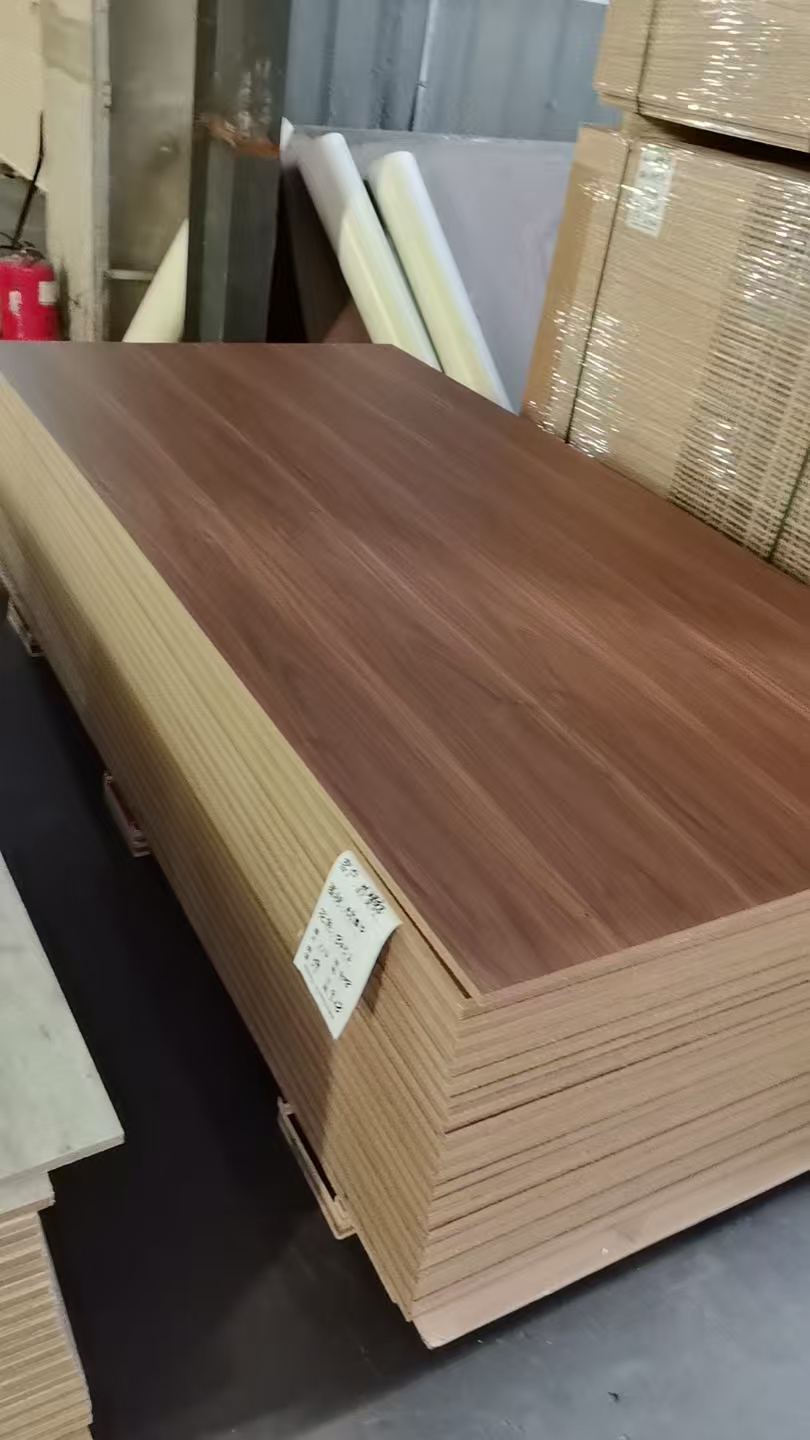
MDF materialının uyğunluğunu müəyyən edən əsas fiziki xassələr
Bircins sıxlıq və struktur bircinsliyi
MDF materialının ən aydın xüsusiyyətlərindən biri — bütün lövhə boyu qeyri-adi bərabər sıxlığıdır. Partikul lövhə və ya hətta faniro kimi digər materiallardan fərqli olaraq, orta sıxlıqlı lif lövhənin daxilində boşluqlar, düyünlər və ya rezin cibləri yoxdur; bu da zəif nöqtələrin yaranmasına səbəb olur. Bu bərabərlik o deməkdir ki, lövhənin hər bir hissəsi kəsilmə, frezələnmə və forması verilmə əməliyyatları zamanı eyni şəkildə, proqnozlaşdırıla bilən şəkildə davranır.
Mebel istehsalçıları üçün bu bərabərlik etibarlı birləşdirmə və emal nəticələrinə çevrilir. MDF materialının kənarı boyu keçirilən frezə başlığı hər dəfə təmiz və dəqiq profil əldə etməyə imkan verir; bu da dekorativ karnizlər, şkaf qapılarının profilləri və lövhə kənarlarının detallandırılması üçün çox vacibdir. Materialın proqnozlaşdırıla bilən xüsusiyyəti israfı və təkrar işlənməni azaldır və beləliklə, istehsal miqyasında iqtisadi cəhətdən cəlbedici olur.
Struktur birləşmə eyni zamanda avadanlıq quraşdırılmasına dəstək olur. Döndərən hissələr, çəkmələr və digər bərkidici elementlər panelin tam səth sahəsinə, bəzən daha az bircins materiallarla yalnız gücləndirilmiş zonalara montaj edilməsi lazım gəldiyi kimi, etibarlı şəkildə quraşdırıla bilər.
Bəzək üçün hazır hamar səth örtüyü
MDF materialının səthi onun ən əhəmiyyətli ticari xüsusiyyətlərindən biridir. Panel incə liflərdən sıxışdırılaraq hamar, müstəvi bir üz əmələ gətirdiyi üçün boyalar, örtük materialları, laminatlar, melamin kağızı və başqa bəzək örtükləri üçün mükəmməl bir əsas təmin edir. Açıq taxta naxışı və ya səth teksturasının olmaması səbəbindən örtüklər bərabər şəkildə yapışır və tətbiq edildikdən sonra mükəmməl görünür.
Bu keyfiyyət rənglənmiş səthlərin şüşə kimi hamarlığı tələb olunan yüksək səviyyəli daxili mebellərdə xüsusilə dəyərli hesab olunur. Bütöv ağacda belə bir bitirici səth əldə etmək üçün əhəmiyyətli dərəcədə zımpara işi, taxta qatları ilə dolgu və qabaqcadan astarlanma addımları tələb olunur. MDF materialı ilə hazırlıq işləri əhəmiyyətli dərəcədə azalır, çünki onun əsas səthi istehsal prosesinin təbiəti nəzərə alınmaqla artıq hamar və möhkəm qapalıdır.
Bəzədici panel tətbiqləri də bu səth keyfiyyətindən eyni dərəcədə faydalanır. Panelər divar örtüyü, tavan nişləri, mebel arxa hissələri və ya vitrin elementləri kimi istifadə olunsun, MDF materialının hamar üz səthi bəzədici örtüklərin düzgün yapışmasını və premium estetik nəticə verilməsini təmin edir.
Niyə MDF Materialı Mebel İstehsalı Kontekstində Üstünlük Təşkil Edir
Emal oluna bilərlilik və İstehsalın Asanlığı
MDF materialı, standart ağac emalı maşınlarına qarşı çox yaxşı reaksiya verdiyi üçün mebel ustahxanalarında geniş yayılmışdır. Onu dairəvi testər ilə təmiz kəsmək, mürəkkəb profillərə frezələmək, dəqiq delmək və CNC avadanlığı ilə formalamaq mümkündür; bu zaman digər ağac əsaslı lövhələrdə müşahidə oluna bilən çatlamalar və parçalanmalar baş verməz. Bu xüsusiyyət onu mətbəx şkaflarının qapıları, garderob lövhələri və dəqiq uyğunlaşdırılmış mebellərin komponentləri üçün xüsusilə uyğun edir.
Xüsusilə CNC frezələmədə MDF materialı istisna olunmayan dəyər göstərir. Lövhənin sıxlığı və bircinsliyi sayəsində mürəkkəb naxışlar, rəlif oymalar və formalı kənarlar yüksək təkrarlanma dəqiqliyi ilə alınır. Otaq bölücülərdə, bəzədici divarlarda və fərdiləşdirilmiş şkaflarda istifadə olunan bəzədici lövhələr tez-tez belə dizaynların əldə edilməsi üçün CNC ilə frezələnmiş MDF materialına əsaslanır; bu dizaynlar bərk ağacdan hazırlananda çox bahalı və ya texniki cəhətdən çətin olardı.
Yapışdırma və birləşdirmənin asanlığı başqa bir emal üstünlüyüdür. MDF materialı bütün səthi boyu yapışqanları yaxşı qəbul edir ki, bu da standart PVA ağac yapışqanı, kontakt silindiri və mebel istehsalında ümumiyyətlə istifadə olunan digər sənaye yapışqanları ilə mürəkkəb mebel formalarının etibarlı montajını təmin edir.
Nəzarət olunan daxili mühitlərdə ölçüsünün sabitliyi
MDF materialına dair yayılmış bir tənqid onun nəmə həssaslığıdır; lakin bu, düzgün kontekstdə başa düşülməlidir. Nəzarət olunan daxili mühitlərdə — yəni mebellər və dekorativ lövhələr üçün tam olaraq təyin olunmuş tətbiq sahəsində — MDF materialı mükəmməl ölçülü sabitlik göstərir. Bu, bərk ağac kimi mövsümi genişlənmə və daralma göstərmir; beləliklə, MDF materialından hazırlanmış quraşdırılmış mebellər istifadənin illəri ərzində öz həndəsi formasını saxlayır.
Bu sabitlik, dəqiq toleransların bitmiş quraşdırmanın keyfiyyətini müəyyən etdiyi mətbəx şkafları, daxil edilmiş garderoblar və divar panel sistemləri üçün çox vacibdir. MDF materialından hazırlanmış garderob qapısı mövsümi olaraq burulmaz və ya çarpılmaz, beləliklə, daxili, iqlim nəzarəti olan mühitdə uzun müddət ərzində şarnirlər və maqnit tutucular düzgün işləməyə davam edir.
İstehsalçılar tərəfindən göstərilən MDF materialı daxili tətbiqlər üçün materiallar, nəm təsirinin düzgün şəkildə idarə edilməsi halında panelin ölçüsünün sabitliyinin həqiqi performans üstünlüyü olduğunu, yəni kompromis deyil, başa düşürlər.
Dizayn imkanlarını genişləndirən səth emalı variantları
Melamin, furnitur və boya örtükləri ilə uyğunluq
MDF materialının qəbul edə biləcəyi dekorativ örtük çeşidləri onun mebellər və panel tətbiqlərində istifadəsi üçün ən güclü arqumentlərdən biridir. Məsələn, melamin kağızla laminatlanmış MDF materialı mühəndislik üsulu ilə hazırlanmış nüvənin struktur üstünlüklərini çap edilmiş və toxunma hissi verən səthlərin vizual çeşidləri ilə birləşdirir. Dizaynerlər ağac naxışları, birmənalı rənglər, daş effektləri və ya soyut naxışlar seçə bilərlər və eyni zamanda əsas MDF materialının emal üstünlüklərini saxlaya bilərlər.
MDF materialının üzərinə tətbiq olunan həqiqi ağac faniqisi, bərk ağacın görünüşünü onun qiymətinin yalnız bir hissəsi və bərk ağac panelə nisbətən daha yaxşı ölçülü sabitlik təmin edərək verir. Bu tətbiq xüsusilə yüksək səviyyəli mebellərdə, rəhbər ofislərin daxili dizaynında və təbii ağac estetikasına qiymət verilən, lakin performansın davamlılığı da eyni dərəcədə vacib olan xüsusi hazırlanmış kabinetlərdə geniş yayılmışdır.
Boyanmış MDF materialı müasir mətbəx dizaynı, yataq otağı mebelləri və satış nümayişi avadanlıqlarında həlledici seçim olaraq qalır. Hamar səth primerlər və yuxarı təbəqələr üçün mükəmməl uyğundur; beləliklə, mebel istehsalçıları müasir dizayn estetikasına uyğun lakkür keyfiyyətli örtüklər əldə edə bilirlər və bu, rəqabətli qiymətlərdə mümkündür.
Kənar Emalı və Profil Yaxşılaşdırılması
MDF materialı lövhələrinin kənarları unikal estetik və texniki nəzərdə tutulma tələb edir. Çünki onun nüvəsi natural ağaca nisbətən daha sıx, lakin kəsilmiş kənardan daha porozdur; buna görə də görünüş və nəmə davamlılıq baxımından düzgün kənar emalı vacibdir. PVC, ABS, həqiqi ağac zolaqları və ya melamin lentlərlə kənar bandlanması sənayedə standart yanaşmadır və MDF materialı bu emalları yaxşı qəbul edir.
MDF materialından hazırlanmış mebel komponentlərinə yönəldilmiş kənar profilləri əhəmiyyətli vizual dəyər əlavə edir. Ogee, çəp kənar (çamfer), qütb burunlu (bullnose) və çuxur (cove) kimi profillər lövhənin kənarına təmiz şəkildə emal edilə bilər və bu da müstəvi lövhəni sofistik bir memarlıq komponentinə çevirməyə imkan verir. Buna görə də MDF materialı qapı profilləri, bəzədici karniz lentləri və mebel çərçivə komponentləri üçün belə populyar seçimdir.
MDF materialında kənar bandlaması və səth laminasiyası birləşdirildikdə, nəticədə daha bahalı alternativlərdən vizual olaraq fərqlənməyən, lakin üstün işlənəbilərlilik və səth bitirilməsinin bərabərliyi təmin edən bir lövhə məhsulu alınır. Bu dəyər təklifi MDF materialının dünya miqyasında daxili mebel və bəzədici lövhə bazarlarının bir çox seqmentində belə üstünlük qazanmasının səbəbidir.
MDF materialının qəbulunu dəstəkləyən ekoloji və iqtisadi amillər
Resurs səmərəliliyi və xammal istifadəsi
MDF materialı, əslində bərk ağac istehsalında tullantı kimi qəbul edilən qalıqlar, kəsilmələr və yenidən emal olunmuş ağac mənbələrindən alınan ağac liflərindən hazırlanır. Bu, MDF materialını əsasən resursdan səmərəli istifadə edən bir məhsul edir. Aşağı keyfiyyətli xammalın yüksək performanslı, bircins lövhə məhsuluna çevrilməsi, məsuliyyətli mənbələrdən təchizatı ön planda tutan bir sənayedə əhəmiyyətli davamlılıq üstünlüyü yaradır.
Sənaye təchizatı baxımından MDF materialı müxtəlif qalınlıqlarda, sıxlıqlarda və səth emalı variantlarında mövcuddur ki, bu da istehsalçıların məhsullarının tələblərinə tam uyğun lövhə konfiqurasiyasını seçməsinə imkan verir. Dekorativ lövhə tətbiqləri üçün daha incə lövhələr, mebellərin gövdəsinin qurulması üçün isə möhkəmlik və vidalara tutma qabiliyyəti təmin edən daha qalın lövhələr uyğundur.
MDF materialının davamlı mövcudluğu və standartlaşdırılmış formatları mebel istehsalçıları üçün satınalma və ehtiyat idarəçiliyini sadələşdirir. Tam ağacdan fərqli olaraq, MDF materialı eni, taxta lifinin istiqaməti və struktur keyfiyyəti baxımından partiyadan partiyaya dəyişən tam ağac deyil, proqnoz edilə bilən, emal üçün hazır vərəqlər şəklində gəlir ki, bu da avtomatlaşdırılmış kəsmə və emal iş axınlarına birbaşa inteqrasiya olunur.
Mebel istehsalında xərcin performansa nisbəti
Ticari baxımdan MDF materialı xərcinə nisbətən исключитель dəyər təmin edir. Bu, mebel istehsalçılarına yüksək bitirilmiş səth keyfiyyəti, mürəkkəb formalı və sabit ölçülü komponentlərin istehsalını tam ağac və ya yüksək keyfiyyətli fanera alternativlərinə nisbətən əhəmiyyətli dərəcədə aşağı material xərcləri ilə həyata keçirməyə imkan verir. Bu xərc effektivliyi istehlakçı mebel bazarlarında rəqabətli qiymətləndirməni dəstəkləyir və müştərilərin gözlədiyi vizual və funksional standartlardan imtina etmədən bunu həyata keçirir.
MDF materialı ilə bağlı azalmış bitirici əmək tələbi də ümumi istehsal xərclərinin azalmasına kömək edir. Səth artıq hamar, düz və bəzədilməyə hazır olduqda, örtük və laminat qoyulması əməliyyatları daha sürətli aparılır və keyfiyyət çatışmazlıqları daha az olur. Böyük miqyaslı istehsal seriyasında bu vaxt qənaətləri əhəmiyyətli dəyərli xərc üstünlüklərinə çevrilir.
Bəzədici panel tətbiqləri üçün MDF materialı, bərk ağacın oyma işləri və ya fərdiləşdirilmiş milli işlər əlaqəsi ilə əlaqədar qadağan edici xərclər olmadan mürəkkəb dizaynların miqyaslı şəkildə istehsal edilməsinə imkan verir. Bu dizayn detallarının demokratlaşdırılması MDF materialını yaşayış, ticarət və mehmanxana sektorlarında müasir daxili dizayn estetikasının mərkəzi təminatçısı halına gətirmişdir.
Tez-tez verilən suallar
MDF materialı mətbəx mebelləri və dolablar üçün uyğunmu?
Bəli, MDF materialı mətbəx mebellərində və dolab qurğularında, xüsusilə dolab qapı ön hissələri, çəkmə ön hissələri və dekorativ panel komponentləri üçün geniş istifadə olunur. Onun hamar səthi rəngləmə və laminat örtüklərini çox yaxşı qəbul edir; bu da gigiyena və təmizlənə bilərlilik vacib olan mətbəx mühitində əhəmiyyətlidir. Nəm təsirinə daha çox məruz qalan mətbəx korpuslarının qurulması üçün uzunmüddətli performansı təmin etmək üçün nəmə davamlı MDF materialı qiymətləndirmələri mövcuddur və tövsiyə olunur.
MDF materialı dekorativ panel tətbiqləri üçün tam ağac ilə müqayisədə necədir?
MDF materialı dekorativ panel tətbiqləri üçün bərk ağacdan bir neçə praktik üstünlüklər təqdim edir. Onun bitişmə çətinlikləri yaradan dənəli fərqliliyi və düyünləri yoxdur, daha dəqiq emal olunur və mövsümi hərəkət olmadan nəzarət olunan daxili mühitlərdə ölçüsünü saxlayır. Bərk ağac üstün rütubət müqaviməti və təbii estetik istilik təmin edə bilər, lakin MDF materialı dizaynerlərə mürəkkəb profillər, hamar səthlər və böyük formatlı bircins panellər yaratmağa imkan verir ki, bu da bərk ağacda çətin və bahalı olardı.
MDF materialının mebellərin istehsalında ümumiyyətlə hansı qalınlıqları istifadə olunur?
MDF materialı müxtəlif tətbiqlər üçün uyğun qalınlıqlarda istehsal olunur. Məişət mebellərinin gövdələri və konstruktiv komponentlər üçün 16 mm və 18 mm lövhələr ən çox yayılmış sənaye standartlarıdır. Dekorativ panel, qapı örtükləri və arxa lövhələr üçün tez-tez 3 mm-dən 9 mm-ə qədər qalınlıqda daha incə lövhələr təyin olunur. Rəflər və çəkmə dibləri üçün orta qalınlıqlı (məsələn, 12 mm) lövhələrdən istifadə olunur. Seçilən konkret qalınlıq tətbiq sahəsinin konstruktiv tələblərini və planlaşdırılan bitirici emal prosesini əks etdirməlidir.
MDF materialı divar paneli və memarlıq dekorativ elementləri üçün istifadə edilə bilərmi?
MDF materialı daxili mekânlarda divar paneli, divar altı örtüyü, tavan nişləri və digər memarlıq bəzək elementləri üçün mükəmməl seçimdir. Onun emal oluna bilənliyi CNC frezələmə avadanlığı ilə detallı profillərin, həndəsi naxışların və rəlif dizaynların təmiz şəkildə hazırlanmasını imkan verir. Doğru şəkildə möhürlənmiş, astarlanmış və bitirilmiş halda MDF materialı divar paneli müasir və klassik daxili dizayn üslublarına uyğun yüksək keyfiyyətli görünüş təmin edir. Bu tətbiqlərdə MDF materialının uzunmüddətli bütövlüyünü qorumaq üçün quraşdırma mühitində nəzarət olunan rütubət səviyyələrinin saxlanılmasının təmin edilməsi vacibdir.
Mündəricat
- MDF materialının uyğunluğunu müəyyən edən əsas fiziki xassələr
- Niyə MDF Materialı Mebel İstehsalı Kontekstində Üstünlük Təşkil Edir
- Dizayn imkanlarını genişləndirən səth emalı variantları
- MDF materialının qəbulunu dəstəkləyən ekoloji və iqtisadi amillər
-
Tez-tez verilən suallar
- MDF materialı mətbəx mebelləri və dolablar üçün uyğunmu?
- MDF materialı dekorativ panel tətbiqləri üçün tam ağac ilə müqayisədə necədir?
- MDF materialının mebellərin istehsalında ümumiyyətlə hansı qalınlıqları istifadə olunur?
- MDF materialı divar paneli və memarlıq dekorativ elementləri üçün istifadə edilə bilərmi?