EN
EN


The Problem with Standard MDF
You know how this goes.
You install a beautiful set of MDF cabinet doors. Clean shaker profile. Smooth painted finish. The customer loves them.
Six months later, your phone rings.
The edges near the sink feel bumpy. The dishwasher's steam has made the bottom rail swell. And that crisp routed line on the door panel? The paint is cracking right along the groove.
Standard MDF is like a sponge. It pulls moisture from the air, from steam, from a damp cloth. And once water finds an unprotected edge, the swelling starts. Paint can't stop it. Regular PVC film helps, but hot water and sharp corners still cause problems.
If you're making kitchen cabinets, bathroom vanities, or any interior product that will face real life, ordinary MDF often isn't enough.
What PETG MDF Actually Does
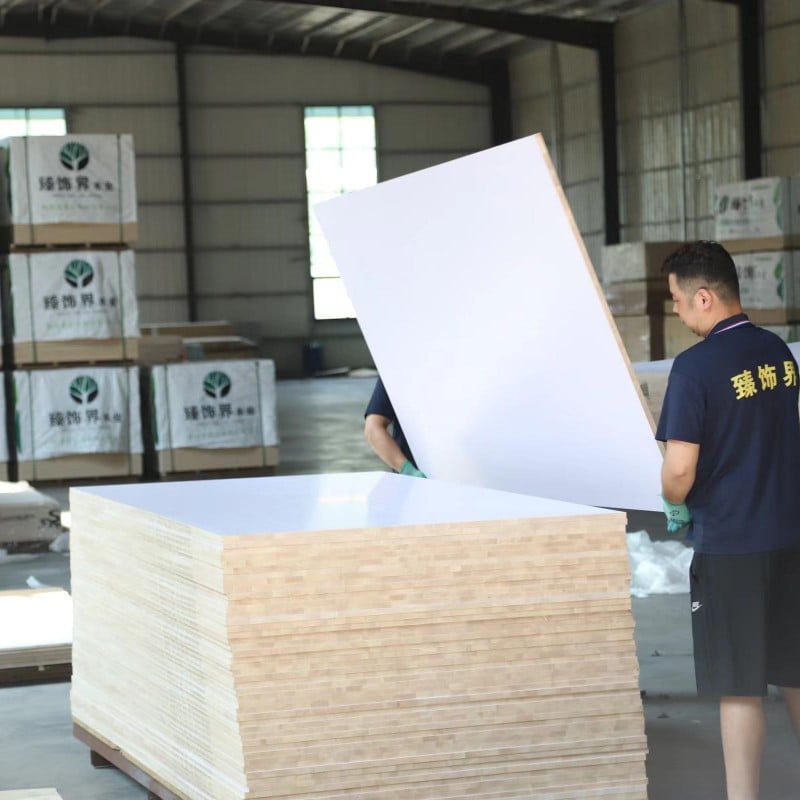
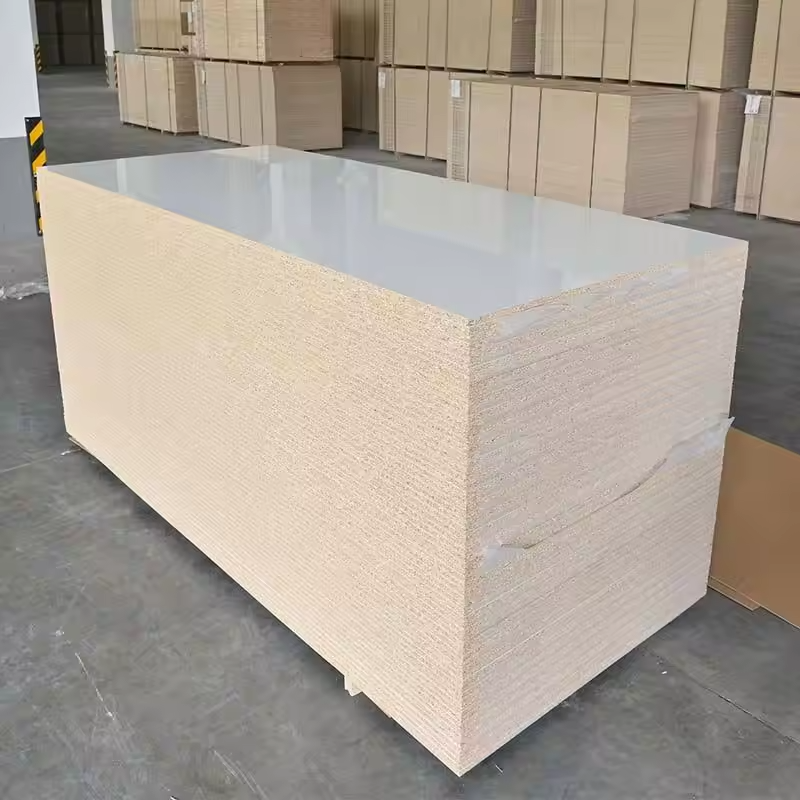
PETG MDF starts with a standard MDF core — but that's where the similarity ends.
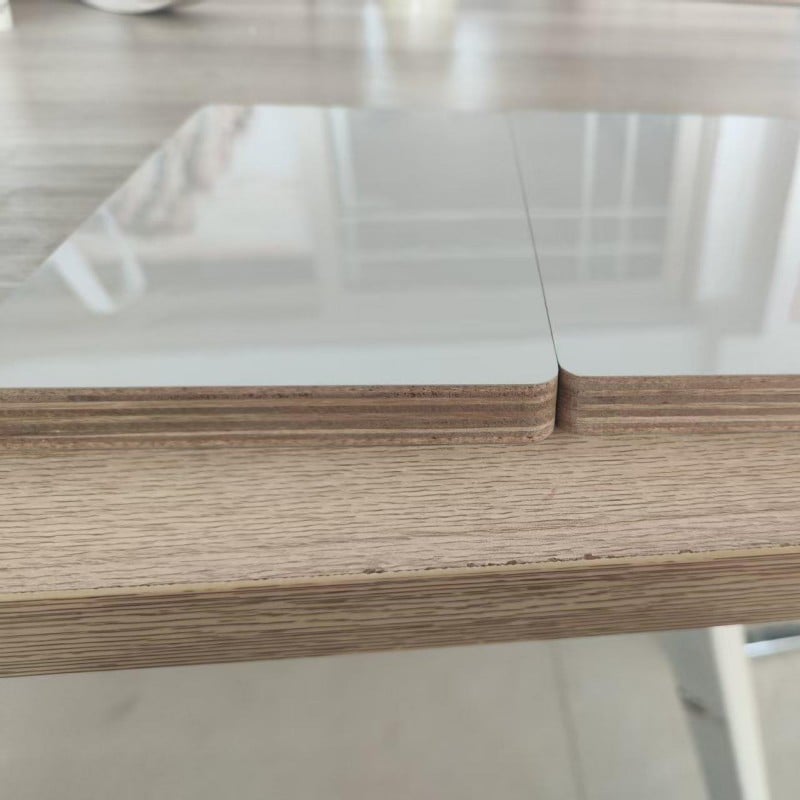
A layer of PETG (polyethylene terephthalate glycol-modified) film is vacuum-thermoformed directly onto the MDF, including all routed edges and profiles. No primer. No separate sealing step. The film becomes a continuous, waterproof skin that covers everything.
What makes it genuinely better than paint or PVC? Let's get specific.
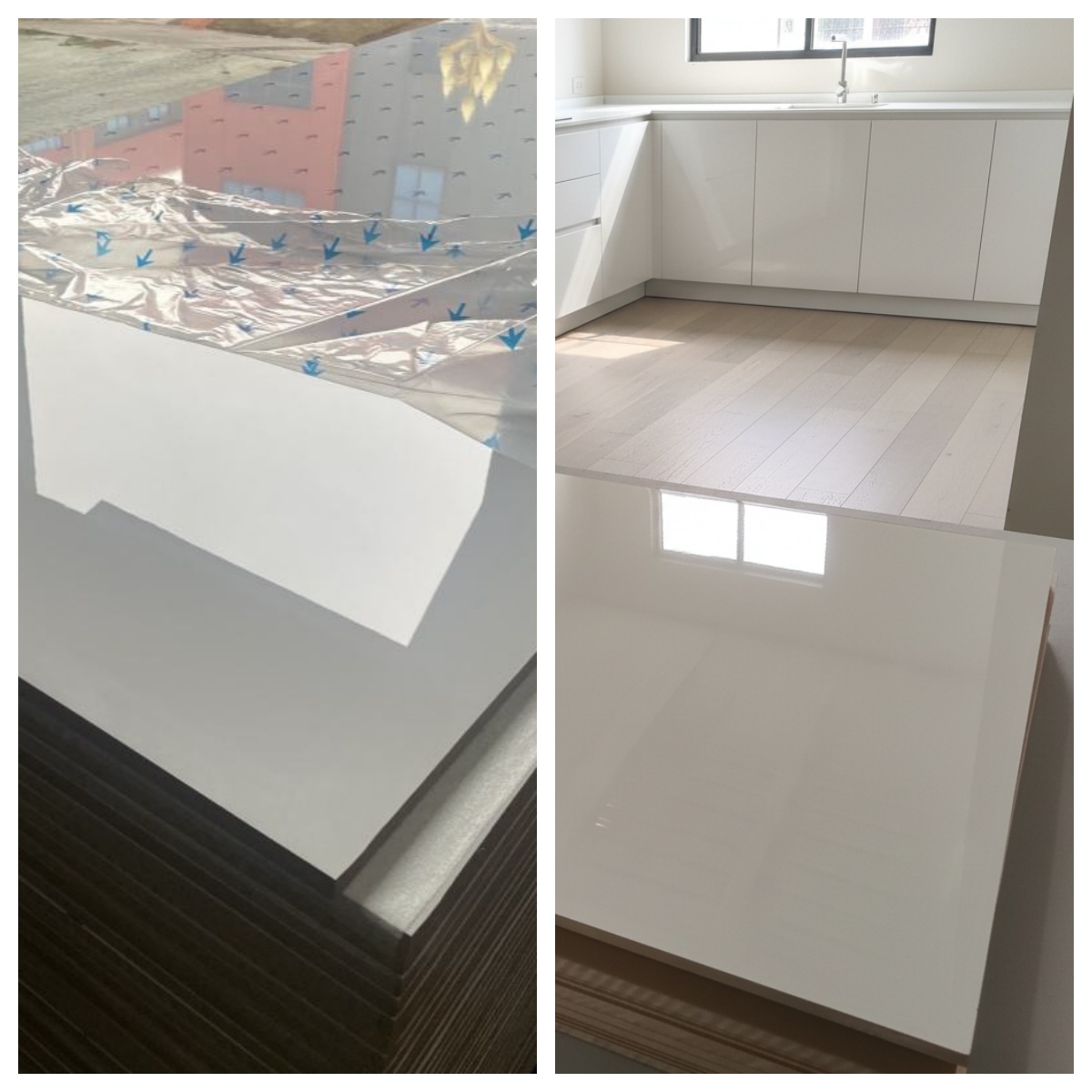
It seals edges completely.
Paint leaves exposed MDF on routed profiles. PVC film can lift at tight inside corners. PETG wraps around every curve and groove. Water has nowhere to go. No swelling. No edge blowout.
It doesn't blister from heat.
Set a hot pan near a PVC-wrapped door? The film can bubble. Pour boiling water near a painted edge? The paint softens. PETG handles 100°C water without any visible change. That's why it works in kitchens and coffee shops.
It stays matte and clean.
Ordinary matte finishes show every fingerprint. PETG can be formulated with anti-fingerprint properties. Touch it. Smudge it. Wipe it. It stays looking fresh. For office partitions and retail displays, that's a game-changer.
It's export-ready.
PVC often contains phthalates — restricted in the EU and increasingly scrutinized in the US. PETG contains none. It also meets stricter VOC standards. If you sell to Europe or North America, PETG MDF removes a whole category of compliance headaches.
Where You Actually Want to Use It
Kitchen cabinets – Steam, grease, daily wiping, the occasional red wine spill. PETG doesn't stain, doesn't swell, doesn't blister.
Bathroom vanities – Humidity is constant. Water splashes are guaranteed. PETG seals the entire surface, including the cutout around the sink.
Coffee shop counters & fronts – High heat, wet cups, constant wiping with sanitizing sprays. PETG handles both the temperature and the chemicals.
Office reception desks – Hundreds of people touch it. Keys scratch it. Hand creams leave residues. PETG resists all of it and wipes clean in seconds.
Retail display shelves – Products slide across the surface daily. Standard finishes show wear in months. PETG still looks new after two years.
A Quick Comparison (No Jargon)
| Painted MDF | PVC MDF | PETG MDF | |
|---|---|---|---|
| Edge sealing | Poor | Moderate | Complete |
| 100°C water resistance | No | Limited | Yes |
| Scratch resistance | Low | Medium | High |
| Chemical resistance (alcohol, acetone) | No | Poor | Yes |
| Anti-fingerprint option | No | Rare | Yes |
| Phthalate-free | Yes | Often no | Yes |
Painted MDF is cheap upfront but risky long-term. PVC MDF is better, but hot water and sharp corners are still weak points. PETG MDF costs a bit more than either — but it solves the problems that actually cause callbacks.
What About Machining and Installation?
You can cut and drill PETG MDF with standard woodworking tools. Use a sharp carbide blade — a dull blade will chip the PETG layer at the cut line.
For edges that show, use PETG edge banding. It matches perfectly and keeps the panel fully sealed.
Drill pilot holes for screws. Countersink slightly. The PETG layer won't crack or spider.
Two Thickness Options
0.35mm PETG film – Good for most cabinets, vanities, and decorative panels. Balances cost and durability.
0.5mm PETG film – Better for high-traffic commercial use. Retail displays, reception desks, coffee shop counters. The thicker film takes more abuse before showing wear.
Is It Worth the Extra Cost?
Let's be honest.
If you're building the cheapest possible product for a landlord who will replace everything in two years, PETG MDF is probably overkill. Painted MDF will get you there cheaper.
But if your customers care about durability — if they're homeowners, business owners, or specifiers who don't want callbacks — PETG MDF makes financial sense.
Calculate it this way:
One service call to fix a swollen cabinet door costs you time, travel, and a replacement door. That one call can wipe out the savings from ten cheap doors.
PETG MDF lowers the probability of that call to near zero.
What About Lead Time and Availability?
PETG MDF is stocked in standard sheet sizes (4'x8', 4'x10') and thicknesses from 3mm to 25mm. Custom sizes available on order.
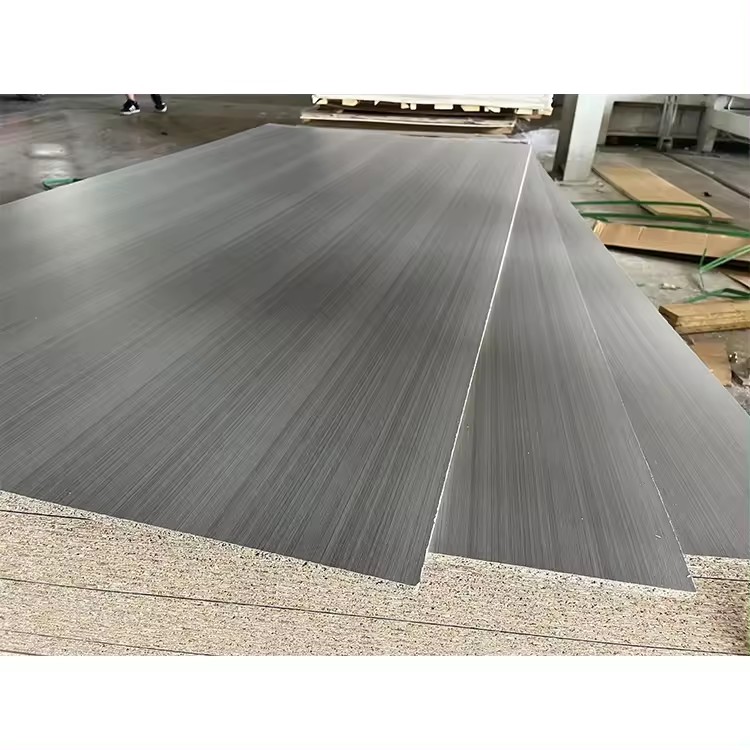
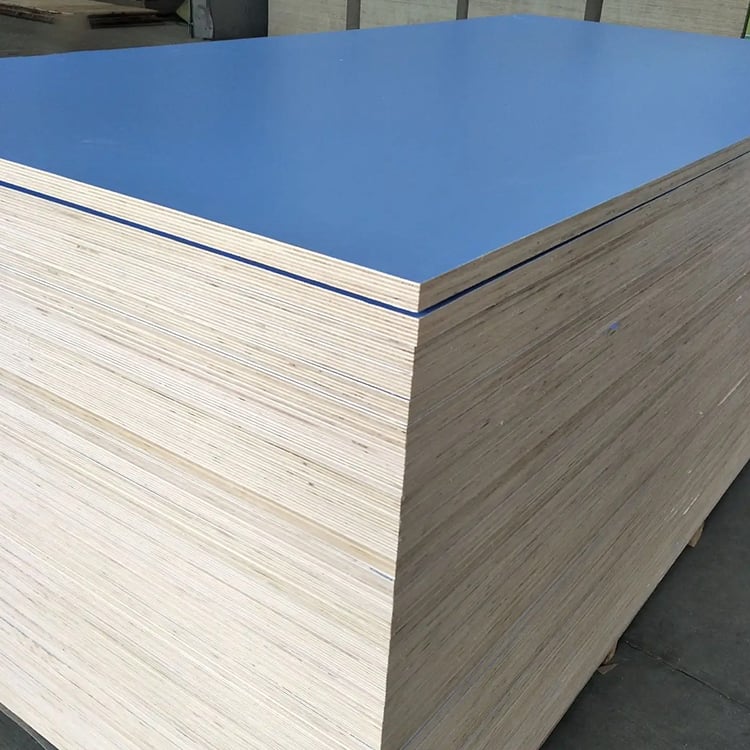
Colors: matte white, matte black, light woodgrains, custom colors on request.
Final Thought
PETG MDF isn't revolutionary. It's evolutionary. It takes the MDF you already know how to machine and adds a surface layer that actually survives real-world conditions.
No edge swelling.
No blistering from hot water.
No orange peel.
No phthalates.
No callbacks.
If those things matter to your business, try a sheet. If they don't, keep using what you're using.
Want to test it against steam, hot water, and a key scratch?
Request a free sample. We'll send one out today. Abuse it. Then decide.
 Hot News