EN
EN


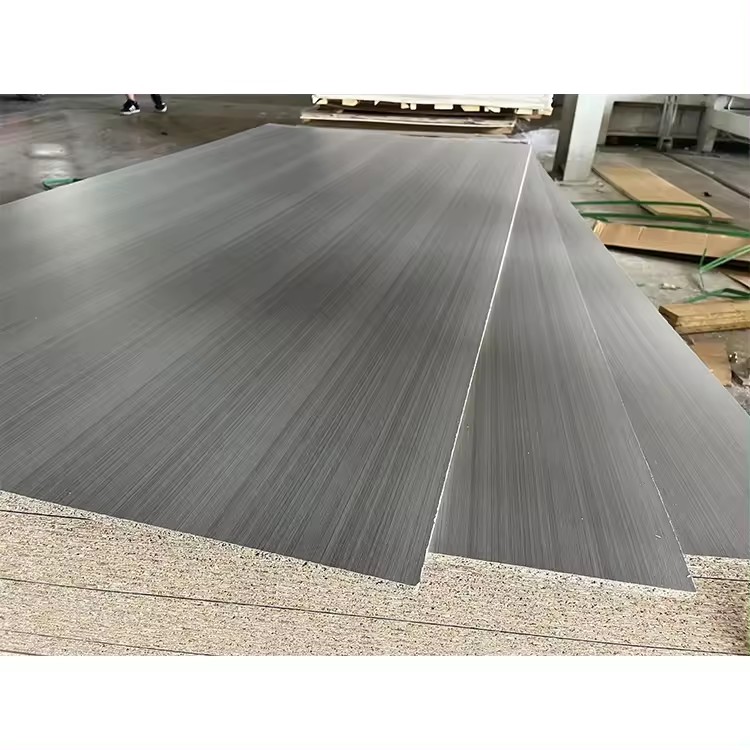
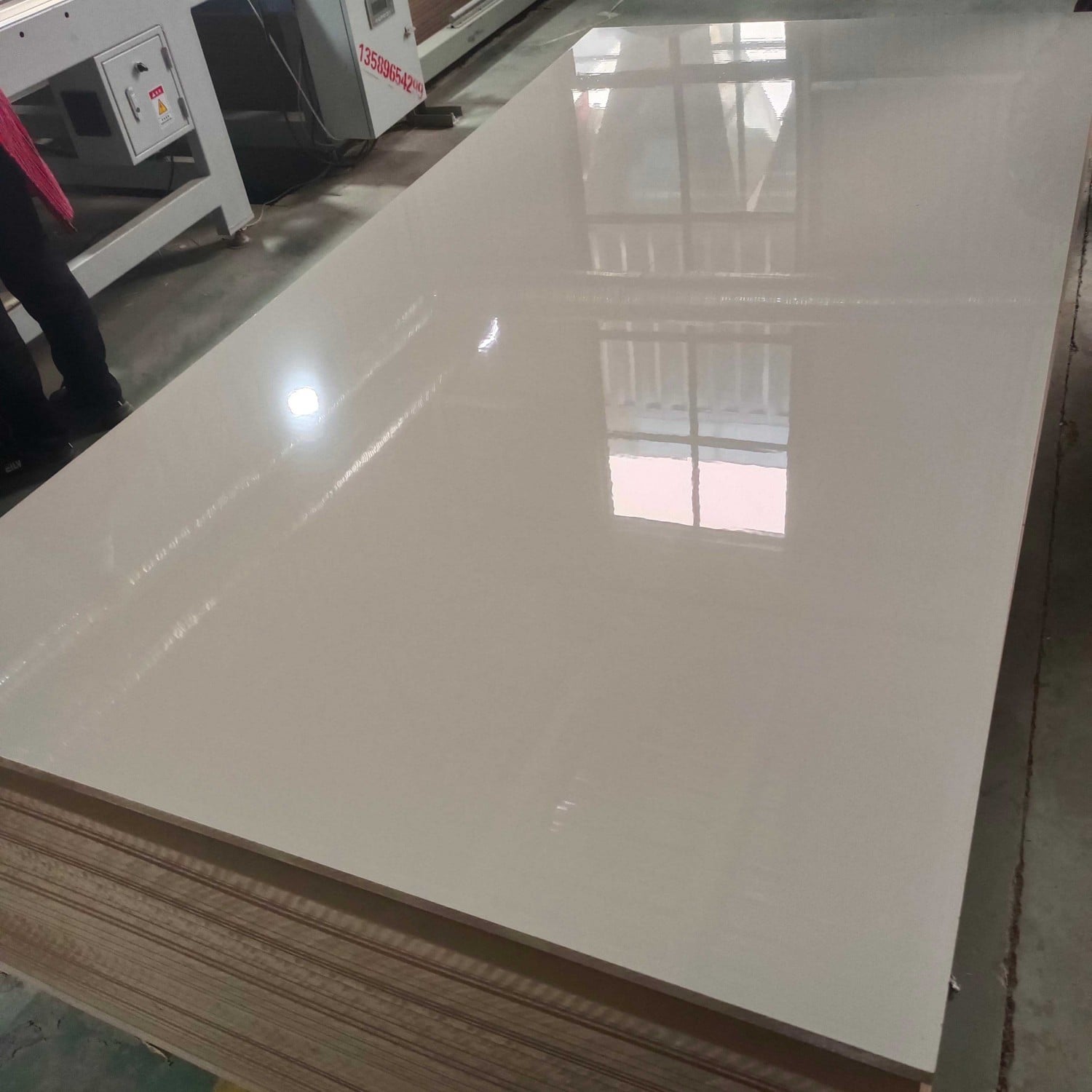
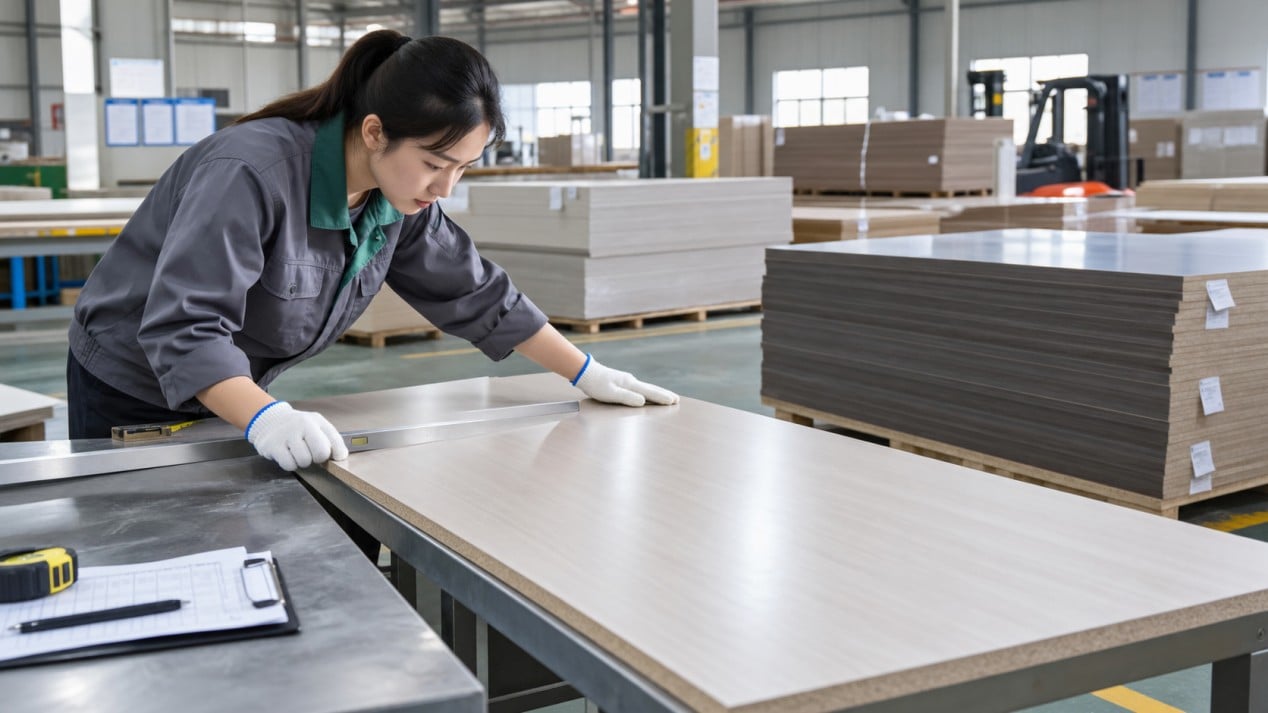 Overseas furniture buyers targeting markets in Southeast-Asia, island regions, and coastal areas often encounter similar post-sales issues—such as swelling of cabinet bodies, peeling edge-banding, or warping of boards—shortly after the furniture is put into use. Importers frequently assume they have purchased completely waterproof boards, yet malfunctions still occur in actual hot-and-humid environments. It is important to clarify that neither melamine boards nor PET boards are 100 % waterproof; their actual moisture-resistance depends on the quality of the substrate, the surface-finishing process, and the edge-banding solution employed.
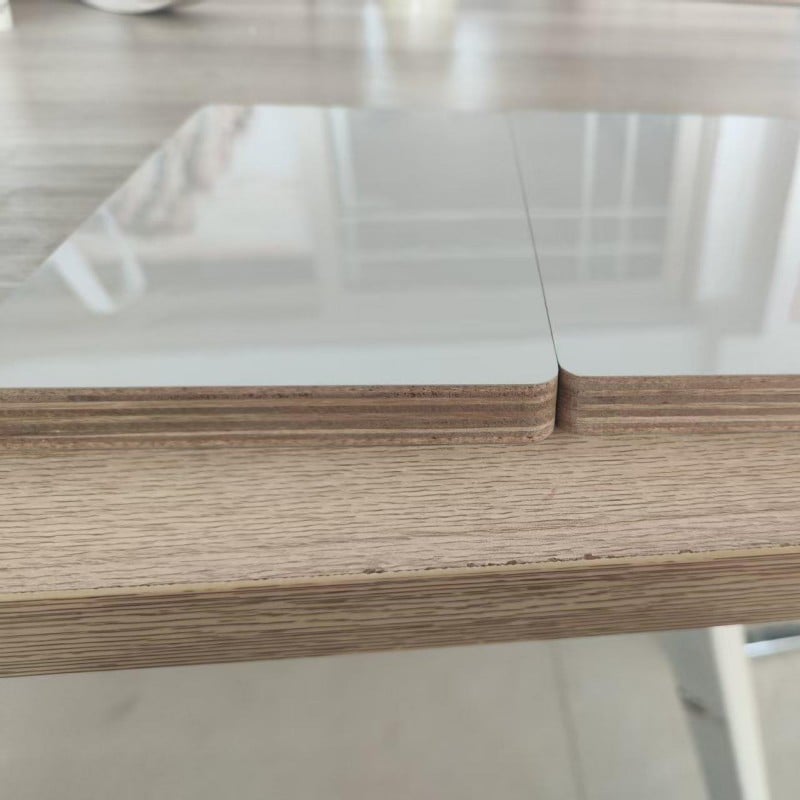
While a melamine resin surface layer provides the board with basic water resistance, the porous wood-based substrate remains the weak point. If moisture penetrates through unprotected or poorly-sealed edges, the particle-board or MDF core absorbs the dampness, leading to edge swelling, surface blistering, and board warping. In contrast, the dense PET film on PET boards creates a continuous moisture barrier, offering superior moisture-resistance compared to standard melamine finishes in high-humidity environments over the long term. Even so, poor edge-banding can still compromise the entire protective system.
The three core factors determining the actual moisture-resistance of export-grade melamine boards and PET boards:
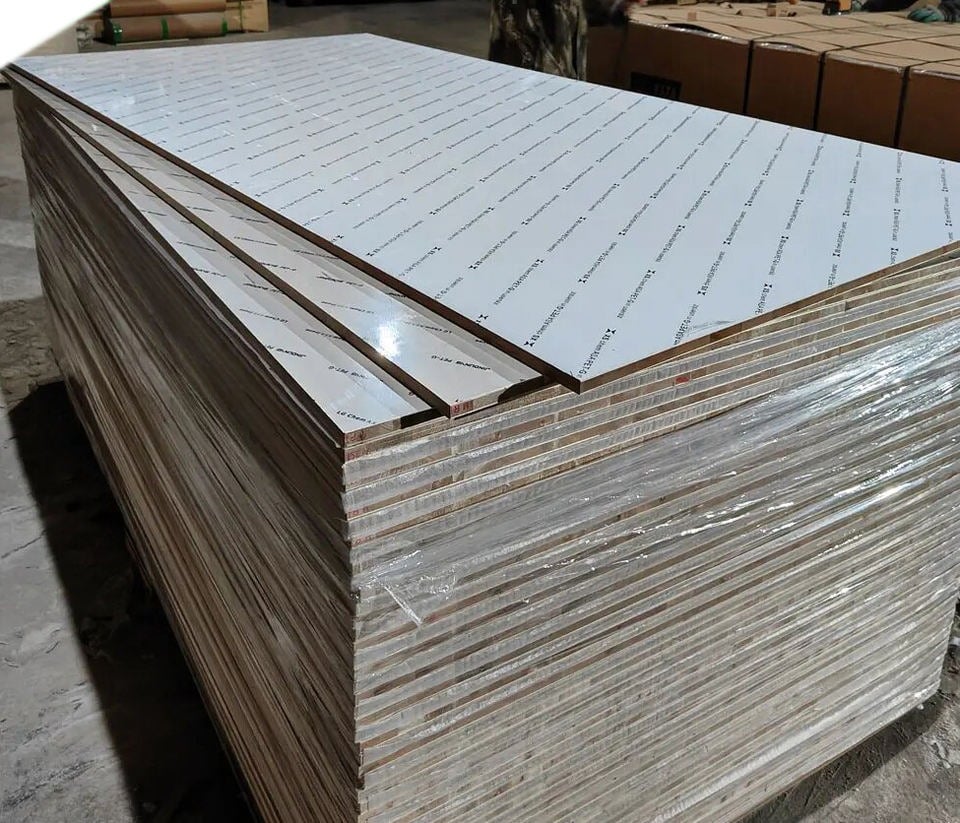
The first consideration is the selection of the substrate material. Substrates with high-density and stable internal-bond strength exhibit lower water-absorption rates. Even when paired with high-quality surface finishes, standard low-density particle-board remains prone to swelling due to moisture absorption in tropical climates. For large-volume orders of bathroom vanities, kitchen cabinets, and commercial furniture destined for Southeast-Asia, the use of low-end substrates is not recommended.
The second factor is the quality of the lamination bond. Uneven pressing or insufficient adhesive application can create microscopic gaps between the decorative film and the substrate. Humid, warm air gradually seeps into these gaps, eventually causing the decorative finish to delaminate after repeated cycles of hot-and-humid conditions.
The third point—and the most critical aspect of actual project execution—is the edge-banding process. As mentioned in our previous article, edge-banding serves as the final line of defense against moisture intrusion. No matter how excellent the moisture-resistance of the melamine board itself may be, substandard edge-banding effectively opens a pathway for moisture to reach the core material. For products destined for tropical export markets, ABS edge-banding is a more reliable choice than standard PVC edge-banding.
Practical recommendations for importers and furniture manufacturers sourcing furniture boards for projects in humid-climate regions:
Moisture-resistance is not determined solely by the surface material; the base material, lamination process, and edge-banding must work in concert to ensure the board's stability in Southeast-Asian climates or coastal projects.
If you are sourcing melamine or PET boards for hot-and-humid export markets, please let us know the target region, intended furniture application, and your manufacturing facility's processing conditions. Zhenshijie can provide tailored product recommendations and supply physical samples for pre-production performance testing.
 Hot News
2026-09-17
2026-09-14
2026-09-11
Shandong Zhenshijie — China's trusted manufacturer of PET & melamine veneer panels for cabinets, kitchens & furniture. MDF, plywood, particleboard & more — custom sizes, textures & finishes.
located north of Xiaowan Line, Tanyi Town, Feixian County, Linyi City, Shandong Province.
Copyright © 2026 Shandong Zhenshijie International Trade CO,. LTD All rights reserved. Privacy Policy