 EN
EN

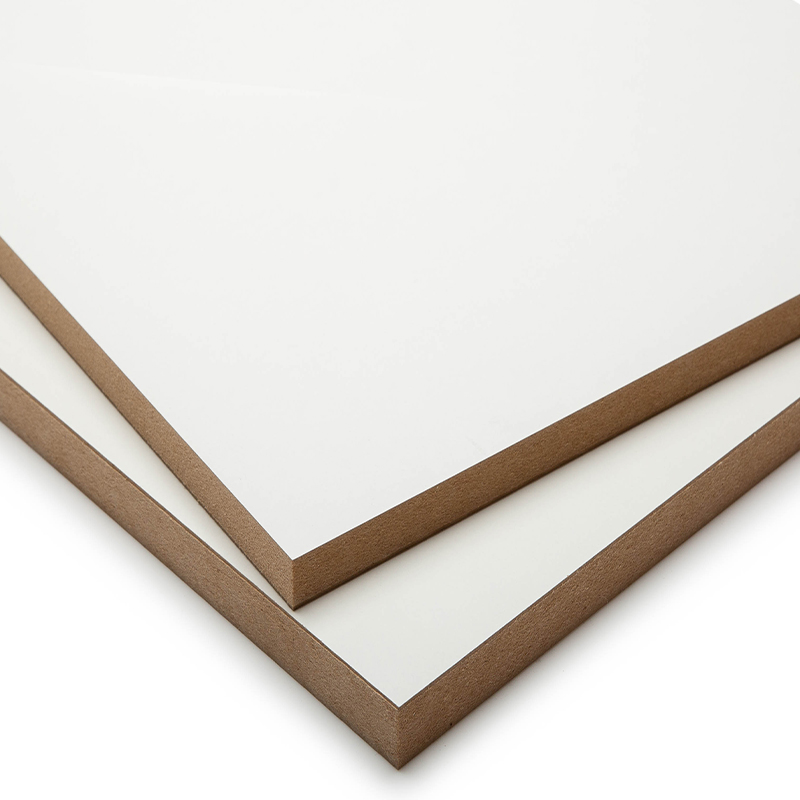
Ժամանակակից սանդղակների արտադրությունը պահանջում է նյութեր, որոնք հավասարակշռում են էստետիկան, մշակման հեշտությունը և ծախսերի արդյունավետությունը՝ չվնասելով ճշգրտությունը կամ մշակելիությունը: Այսօր արտադրողների և դիզայներների համար հասանելի բազմաթիվ ինժեներական փայտե նյութերի շարքում меламինային MDF դարձել է սանդղակների տարբեր կիրառումների համար առանձնահատուկ ընտրություն: Այս նյութը օգտագործվում է խոհանոցի սանդղակներից և վանային սանդղակներից մինչև գրասենյակային պահեստավորման սարքավորումներ և մանրածախ վաճառքի ցուցադրման մեբել, ինչը ապահովում է հաստատուն արդյունք, որը բավարարում է ինչպես մեծ ծավալով արտադրողների, այնպես էլ հատուկ պատվերներով աշխատող մեբելի ստուդիաների սպասելիքները:
Մելամինային MDF-ի հատուկ առավելությունների հասկանալը меламինային MDF սահմանափակված դեկորատիվ պահեստների արտադրության շրջանակներում անհրաժեշտ է ցանկացած անձի համար, ով նյութեր է գնում, սահմանում է ստորաշերտերը կամ նախագծում է ժամանակակից ներքին տարածքների համար մեբել: меламինային MDF այսօրվա դեկորատիվ պահեստների արտադրության արդյունաբերության մեջ ամենահաճախ ընտրվող ստորաշերտերից մեկը:
Մելամինային MDF-ի հիմնական կազմը և ինչու է դա կարևոր դեկորատիվ պահեստների համար
Ինչն է դարձնում MDF-ն դեկորատիվ պահեստների համար իդեալական հիմք
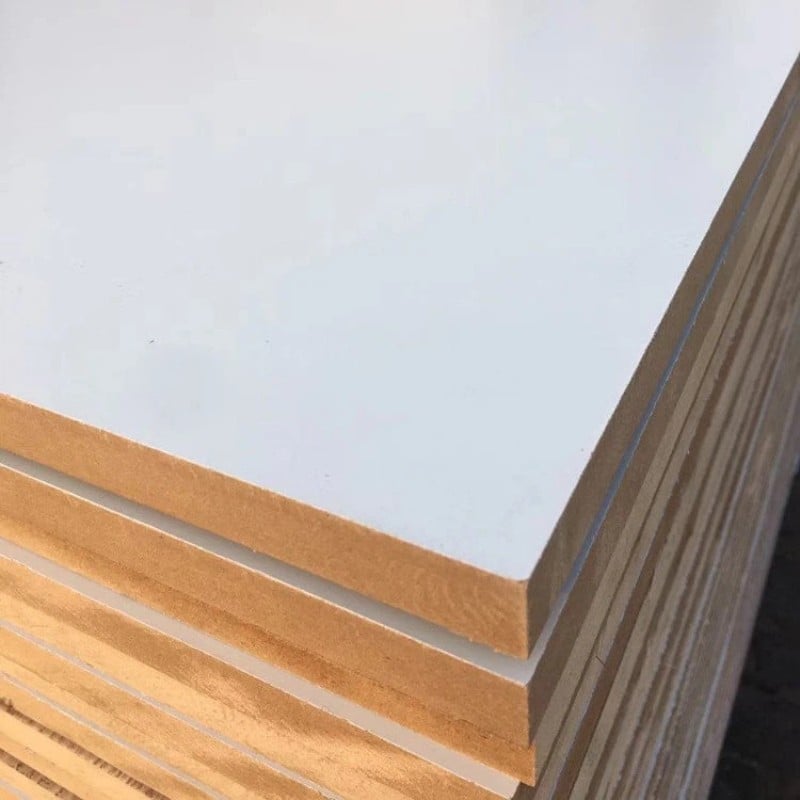
Միջին խտության մածուցիկ տախտակ (MDF), որը գտնվում է մելամինային շերտի տակ, արտադրվում է մանր փայտե մանրաթելերից, որոնք միացվում են միմյանց բարձր ճնշման և ջերմության տակ՝ օգտագործելով սմոլային սոսնձանյութեր: Այս արտադրական մեթոդը ստեղծում է սայլակ, որն ունի հարթ և միատեսակ մակերես, համասեռ խտություն ամբողջ ծավալով և չունի մանրաթելերի ուղղություն՝ բոլոր այդ հատկանիշները կարևոր են դեկորատիվ պահեստների արտադրության համար: Ի տարբերություն պինդ փայտի կամ ֆաների՝ MDF-ն չունի հանգույցներ, դատարկ տեղեր կամ այլ անհամասեռություններ, որոնք կարող են ազդել մեքենայացման կամ վերջնական մշակման որակի վրա:
MDF-ի միատեսակությունը նշանակում է, որ меламինային MDF պանելները կարող են ճշգրիտ կտրվել, մշակվել, պատրաստվել և ձևավորվել: Մեբելի արտադրողները հիմնականում օգտագործում են CNC մշակման և ավտոմատացված կտրման սարքավորումներ, իսկ MDF-ի համասեռ ներքին կառուցվածքը ապահովում է մաքուր եզրեր, նվազագույն թափանցում և ճշգրիտ չափեր բոլոր մեքենայական մշակման գործողությունների ժամանակ: Սա անմիջապես նշանակում է արտադրության ավելի արագ ցիկլեր և ավելի քիչ մերժված մասեր, ինչը մեծ առավելություն է բարձր ծավալով արտադրության մեջ:
Ավելին, MDF-ը բավարար լավ է ընդունում մուտքագրված մակարդակները և ամրացման միջոցները՝ ճիշտ սարքավորումների և տեխնիկայի օգտագործման դեպքում, ինչը այն հարմարեցնում է հարթ փաթեթավորման և հավաքելու համար պատրաստի ձևավորման համար, որոնք տիրում են ժամանակակից մեբելի մանրածախ վաճառքին: Պանելի ընդհանուր համասեռ խտությունը նաև նշանակում է, որ հետգծեր, դարակների սայլակներ և այլ սարքավորումներ կարող են ամրացվել ամբողջ սալի մակերեսի վրա՝ կանխատեսելի պահման ուժով:
Մելամինի շերտի դերը վերջնական մեբելի աշխատանքային ցուցանիշներում
Մելամինի մակերեսային շերտը՝ սովորաբար մելամինային սմուռքով պատված թուղթը, է այն, որը բարձրացնում է այս նյութի հատկությունները սանդղակային ՄԴՖ-ից վանդակների կիրառման համար: Երբ այն ջերմային ճնշման տակ միաձուլվում է ՄԴՖ ստորաշերտի հետ, այս շերտը ստեղծում է կոշտ, ոչ թափանցելի մակերես, որը քիմիապես դիմացկուն է, գծագրման դիմացկուն և բարձր կայունություն ունի: Արդյունքում ստացվում է մի սալիկ, որը արդեն վերջացված վիճակում է հասնում վանդակների գործարան, ինչը մեծ մասամբ վերացնում է ներքին վանդակների համար նախատեսված մակերեսի ներկման, գունավորման կամ արտադրությունից հետո ծածկման անհրաժեշտությունը:
Меламինային MDF պանելները հասանելի են մեծ տարբերակներով՝ գույների, մակերեսների և դեկորատիվ վերջավորումների առումով. սկսած միատեսակ սպիտակ և գրեյ երանգներից մինչև իրական փայտի մակերեսի և քարի էֆեկտով մակերեսներ: Դեկորատիվ տարբերակների այս մեծ շարքը նախագծողներին և սպեցիֆիկացնողներին տալիս է ազատություն ձեռք բերելու գրեթե ցանկացած էսթետիկ ուղղություն՝ չդուրս գալով մեկ նյութի կատեգորիայից: Ժամանակակից մելամինային մակերեսները բավարար բարձր մակարդակի են, որպեսզի օգտագործվեն նույնիսկ caրգավորված բնակարանների բարձրորակ խոհանոցներում և բարձր մակարդակի առևտրային ներքին տարածքներում:
Մելամինային շերտը նաև ապահովում է նշանակալի պաշտպանություն ստորին MDF-ի համար: Քանի որ MDF-ը խոնավի ազդեցության նկատմամբ զգայուն է, ապորուս մելամինային մակերեսը ծառայում է որպես ամենօրյա հեղուկների ազդեցության, մաքրման ապրանքներ և խոնավության տատանումների դեմ պաշտպանության արգելափակիչ խոհանոցներում և վանայատներում: Չնայած մելամինային MDF-ը չպետք է լիովին խորտակվի կամ ենթարկվի կանգնած ջրի ազդեցության, նրա մակերեսային խոնավադիմացումը այն գործնական է դարձնում մեծամասնության դեպքում կարանտային կիրառումների համար իրական բնակարանային և առևտրային պայմաններում:
Մակերեսի վերջնական մշակում և դասապահարանների դիզայնում էսթետիկ ճկունություն
Մեծ արտադրատարողության շարքերում գույնի և նախշի համատեղելիության ձեռքբերում
Դասապահարանների արտադրողների համար ամենաշատ գործողական առավելություններից մեկը меламինային MDF գույնի և նախշի համատեղելիությունն է: Երբ արտադրվում է մեծ խոհանոցի պատվեր կամ ամբողջական առևտրային սարքավորում, յուրաքանչյուր սալիկը պետք է համապատասխանի մյուսներին: Ներկված MDF-ի կամ վեներային ստորաշերտերի դեպքում համատեղելիության հասնելը միմյանց հետ համապատասխանող շարքերի միջև կարող է դժվար լինել: « меламինային MDF »-ի դեպքում դեկորատիվ մակերեսը արտադրվում է արդյունաբերական մասշտաբով՝ խիստ վերահսկվող պայմաններում, ինչը նշանակում է, որ նույն կամ համարժեք շարքերից ստացված սալիկները միշտ կհամապատասխանեն միմյանց գույնով և մակերեսի տեքստուրայով:
Այս համատեղելիությունը նվազեցնում է հավաքման փուլում ծախսերի բերում ունեցող որակի վերահսկման խնդիրները և օգնում է արտադրողներին կատարել մեծ առևտրային պատվերներ՝ հյուրանոցների սենյակներ, բնակելի շենքեր, գրասենյակային շենքեր, որտեղ անհրաժեշտ են հարյուրավոր կամ հազարավոր նույնատիպ սանդուղքավոր մեկուսացված միավորներ: Մելամինային վերջավորման հավաստի նշումը և համատեղելի արդյունքների ստացումը գործնական առավելություն է, որը մասնագիտացված սանդուղքավոր մեկուսացված միավորների արտադրողները բարձր են գնահատում:
Ավելի շատ, меламինային MDF վերացնում է արտադրությունից հետո ներկման հետ կապված չորացման ժամանակը և սպրեյ-խցիկների անհրաժեշտությունը: Սա հեշտացնում է գործարանային աշխատանքային հոսքը և կտրուկ նվազեցնում է առաքման ժամանակը: Արտադրողների համար, որոնք գործում են մրցակցային մրցույթների միջավայրում, որտեղ կարևոր է արագ առաքումը, սա իրական առևտրային առավելություն է, որը ազդում է նախագծի ժամանակացույցի և հաճախորդի բավարարվածության վրա:
Դեկորատիվ շարք, որը համապատասխանում է ժամանակակից ներքին դիզայնի միտումներին
Այսօրվա ներքին դիզայնի միտումները պահանջում են բազմազանություն՝ մատեյ մակերեսներ, շոշափելի տեքստուրաներ, մեղմ շոշափման վերջավորություններ, բարձր փայլուն մակերեսներ և իրական նյութերի ռեալիստական նմանակումներ: Դեկորատիվ գրադարանը, որը հասանելի է меламինային MDF վերջին տարիներին զգալիորեն ընդլայնվել է՝ համապատասխանելու այս պահանջներին: Այժմ արտադրողները կարող են գտնել սալիկներ, որոնք համոզիչ կերպով նմանակում են հին սոճին, մուգ ընկույզենին, արդյունաբերական բետոնը կամ մաքրված լինենը՝ բոլորը համակարգված սալիկների մշակելիությամբ և արժեքային արդյունավետությամբ, այլ ոչ թե բնական նյութերի բարդությամբ:
Տեքստուրային մելամինային մակերեսները նաև ավելացնում են շոշափելի չափանի չափունակություն պահեստավորման սարքերին՝ առանց երկրորդային մշակման կիրառման: Օրինակ՝ մակերեսին վրա բարձրացված փայտի հատվածները իրականացվում են ինչպես տեսողական, այնպես էլ շոշափման միջոցով՝ ավելացնելով վերջնական պահեստավորման սարքերի ընկալվող արժեքը՝ առանց լրացուցիչ ծախսերի կամ աշխատանքի: меламինային MDF մի համակրելի նյութ է միջին շուկայի պահեստավորման սարքերի համար, որոնք ցանկանում են առաջարկել caրգավորված էսթետիկա՝ մրցունակ գներով:
Չափսերի կայունություն և կառուցվածքային կատարում սանդուղքավոր մարմիններում
Ինչպես է MDF-ի կայունությունը օգտագործվում սանդուղքավոր կառուցվածքների շինարարության մեջ
Չափսերի կայունությունը ցանկացած նյութի համար կրիտիկական պահանջ է, որն օգտագործվում է սանդուղքավոր մարմիններում և սալիկավոր հավաքածուներում: Սանդուղքները, որոնք ճկվում, կորանում կամ սեղմվում են տեղադրումից հետո, ծանր խնդիրներ են առաջացնում՝ դռները չեն համապատասխանում միմյանց, դարակները կպչում են, իսկ միացման մասերը բացվում են: Меламինային MDF զգալիորեն լավ չափսերի կայունություն է ցուցադրում, քան պինդ փայտը, քանի որ արտադրության գործընթացը քայքայում է մանրաթելային կառուցվածքը և վերակառուցում է այն միատարր սալիկի, որտեղ բացակայում են բնական փայտին բնորոշ ուղղված մանրաթելային կառուցվածքը և ներքին լարվածությունները:
Գործնական սանդուղքավոր արտադրության տերմիններով սա նշանակում է, որ меламինային MDF շարժասահները, կողային մասերը և հետևամասերը պահպանում են իրենց ձևը ժամանակի ընթացքում՝ երբ պահվում են սովորական ներքին խոնավության սահմաններում: Երկար շարժասահները, որոնք կարող են ճկվել ցածր խտության նյութերի դեպքում, մնում են ընդունելիորեն հարթ՝ ճիշտ նշված MDF գրեյդերի դեպքում: Նախատեսված կիրառման համար համապատասխան հաստության և խտության ընտրությունը կարևոր է, սակայն այդ պարամետրերի սահմաններում меламինային MDF ապահովում է հուսալի կառուցվածքային կատարում:
Պանելի երկու երեսների վրա առկա սեղմված մելամինային մակերեսը նաև օգնում է հավասարակշռել խոնավության փոխանակումը ամբողջ տախտակի վրա, նվազեցնելով տարբերակված փքման ռիսկը, որը կարող է առաջացնել մեկ կողմից վերջացված պանելների թեքվելը: Այն սանդուղքային արտադրողները, որոնք օգտագործում են երկկողմանի меламինային MDF շահում են այս հավասարակշռությունից, ինչը մեկ է պատճառներից, որով երկկողմանի ձևաչափը դարձել է որակյալ սանդուղքային արտադրության ստանդարտ պրակտիկա:
Եզրային շերտավորման համատեղելիություն և միացման հարցեր
Օգտագործման մեկ հաճախ քննարկվող ասպեկտը меламինային MDF սանդուղքների կառուցման մեջ անհրաժեշտ է եզրերի մշակումը։ Քանի որ մելամինային ծածկույթը պատում է միայն սալիկի ճակատային մակերեսը, բաց եզրերը՝ օրինակ՝ սալիկների, դռների և սանդուղքի մարմնի բացվածքների եզրերը, պետք է վերջավորվեն։ Դա իրականացվում է եզրավորման միջոցով, որի ընթացքում մելամինի, PVC-ի, ABS-ի կամ փայտի շերտի համապատասխան շերտը տաքացվող սերտերով ամրացվում է բաց եզրին։
Ժամանակակից ավտոմատացված եզրավորման սարքավորումները այս գործընթացը կատարում են արդյունավետորեն, և меламինային MDF լավ է ընդունում եզրավորումը՝ շնորհիվ իր MDF ստորաշերտի հարթ ու համասեռ մակերեսի։ Արդյունքում ստացվում է ամբողջությամբ փակված, էստետիկորեն համապատասխան սալիկ, որը թաքցնում է բոլոր չմշակված եզրերը։ Սանդուղքների արտադրողները, որոնք ներդրում են շարքային եզրավորման սարքավորումներում, կարող են մշակել меламինային MDF սալիկները արագ, և ամբողջությամբ վերջավորված մասը ստանալ մեկ անընդհատ գործողության ընթացքում։
Միացման աշխատանքները меламինային MDF սանդուղքների միացումը սովորաբար կատարվում է կամ-փականների, կոնֆիրմատ մուրճերի, շտեմարների կամ բիսկվիտների միջոցով, որոնք բոլորն էլ լավ են աշխատում ճիշտ նշված MDF-ով: Երբ ֆուրնիտուրայի մասերը ընտրվում են համապատասխան թաղանթի խտության և հաստության համար, ստացված սանդուղքի մարմինը կառուցվածքային առումով կայուն է և կարող է համեմատվել այլ թաղանթային նյութերից արտադրված այլընտրանքային սանդուղքների կայունության հետ:
Մելամինային MDF-ի արժեքային արդյունավետությունը և արտադրության տնտեսագիտությունը
Նյութի արժեքի առավելությունները մրցակից ենթաշերտերի նկատմամբ
Меламինային MDF ընդհանուր առմամբ ավելի էժան է մետաղական փայտից, երկրորդային ներկմամբ մետաղական MDF-ից, բարձր փայլով լաքապատված MDF-ից կամ դեկորատիվ վենյերով պատված թաղանթային սալիկներից: Ինտեգրված մակերեսի վերջնական մշակումը վերացնում է վերջնական մշակման ավանդական գործընթացներում կարևոր նշանակություն ունեցող աշխատանքի, սպառելի նյութերի և սարքավորումների ծախսերը: Այն արտադրողների համար, ովքեր սանդուղքներ են արտադրում մեծ քանակությամբ, այս մեկ միավորի վրա կատարված ծախսերի նվազեցումը ամբողջ արտադրական շարքի ընթացքում կուտակվում է նշանակալի խնայողությունների ձևով:
Համեմատած ֆաներայի հետ, որը կառուցվածքային գրեյդների համար ունի բարձր գին և կարող է ցուցադրել մակերեսային անհամասեռություններ, որոնք պահանջում են լրացուցիչ վերջնամշակում, меламինային MDF ապահովում է կանխատեսելի գնային քաղաքականություն և պատրաստի օգտագործման համար մակերեսային որակ, որը պարզեցնում է մատակարարման և բյուջետավորման գործընթացները: Մետաղական կամ փայտե սանդուղքների նախագծերում, որտեղ կառուցվածքային բեռնվածությունը փոքր է, իսկ ներքին էստետիկ որակը հիմնական տեխնիկական պահանջն է, меламինային MDF ապահովում է արժեքի և որակի լավ հարաբերակցություն:
Նյութի կորուստների նվազեցումը մեկ այլ ծախսային գործոն է: Քանի որ меламինային MDF նախավերջնամշակված է, մակերեսի հատվածների սխալ կտրվածքները, որոնք բացահայտում են հում եզրերը, վերացվում են եզրապատմամբ՝ առանց թանկարժեք վերամշակման անհրաժեշտության: Ժամանակակից սանդուղքների գործարաններում օգտագործվող սալիկների օպտիմալացման ծրագրային ապահովումը հնարավորություն է տալիս արդյունավետ տեղադրել կտրված մասերը, իսկ меламինային MDF սալիկներից ստացված մնացորդները հաճախ օգտագործելի են փոքր մասերի համար, ինչը նվազեցնում է յուրաքանչյուր նախագծի ընդհանուր նյութային կորուստը:
Աշխատանքային ուժի և արտադրության գործընթացում առաջացող ժամանակային տարբերության նվազեցում
Արտադրությունից հետո կատարվող վերջնական մշակման (շլիֆավորում, գրունտավորում, ներկում, ստվարացում) վերացումը խնայում է զգալի աշխատաժամեր յուրաքանչյուր սառնարանի մեկ միավորի համար: Ավանդական ներկված սառնարանների արտադրության գործընթացում վերջնական մշակումը հաճախ դառնում է արտադրության արագությունը սահմանափակող սեղմված կետը: Անցնելով меламինային MDF -ին՝ արտադրողները կարող են այդ աշխատավարձը վերահավելել հավաքածուի և որակի վերահսկման վրա, ինչը մեծացնում է ընդհանուր գործարանային արտադրությունը՝ առանց լրացուցիչ վերջնական մշակման սարքավորումների մեջ կապիտալ ներդրումների:
Առաքման ժամանակահատվածի կրճատումը նաև մրցակցային առավելություն է սառնարանների արդյունաբերության մեջ: « меламինային MDF »-ի դեպքում սայրերը գործարան են հասնում կտրման համար պատրաստ վիճակում: Կտրման, եզրավորման և պատրաստման հետո բաղադրիչները պատրաստ են հավաքման համար՝ առանց վերջնական մշակման ստվարացման սպասման ժամանակի: Այս օպտիմալացված գործընթացը նվազեցնում է ընդհանուր աշխատանքային ժամանակը և թույլ է տալիս արտադրողներին առաջարկել կարճ առաքման ժամկետներ, ինչը կարևոր առևտրային առավելություն է նախագծային պայմանագրերի համար մրցակցության մեջ:
Փոքր սառնարանների արտադրողների և հատուկ կահավորանքի ստեղծողների համար հասանելիությունը меламինային MDF ստանդարտ թերթի չափսերով՝ շինանյութերի բաշխիչների միջոցով, ինչը նշանակում է, որ նախագծերը կարող են սկսվել անմիջապես՝ առանց բարդ նախնական մշակման: Այս հասանելիությունը և արտադրության արդյունավետությունը միասին դարձնում են меламինային MDF այն շատ ժամանակակից պահարանների արտադրության կատեգորիաների համար գործնական ստանդարտ ընտրություն:
Հաճախակի տրվող հարցեր
Մելամինային MDF-ը հարմար է արդյոք խոհանոցի պահարանների դռների և մարմինների համար:
Այո, մելամինային MDF-ը լայնորեն օգտագործվում է ինչպես խոհանոցի պահարանների մարմինների, այնպես էլ դռների համար: Դռների համար այն հաճախ օգտագործվում է հարթ սալիկների ձևաչափով, որտեղ մելամինային պատվածքի մաքուր և հարթ մակերեսը տալիս է ժամանակակից տեսք: Մելամինային MDF-ի դռների մուրճավորված մասերին կարելի է նաև կիրառել մուրճավորված պրոֆիլներ՝ ստեղծելու շեյքեր կամ խորքային վահանակների ոճ, սակայն եզրերը և մուրճավորված տեղերը պահպանելու մաքուր տեսքի համար անհրաժեշտ է հոգատար եզրավորում կամ ներկման վերջնական մշակում:
Ինչպես է մելամինային MDF-ը վարվում խոնավ միջավայրերում, օրինակ՝ լոգարաններում:
Ստանդարտ մելամինային MDF-ը մակերեսային խոնավության դիմացկունություն է ցուցաբերում իր չթափանցվող մելամինային շերտի շնորհիվ, ինչը այն ընդունելի է դարձնում բաղնիքի պահարանների արտաքին մակերեսների համար սովորական խոնավության պայմաններում: Այնուամենայնիվ, բարձր խոնավության երկարատև ազդեցության ենթակա տարածքների համար անհրաժեշտ է նշել խոնավության դիմացկունություն ցուցաբերող MDF գրեյդներ՝ խոնավության դիմացկուն ռեզինային կպչուն նյութով, որպես մելամինային մակերեսի տակ գտնվող ստորաշերտ՝ ամբողջ սալիկի ընթացքում լրացուցիչ պաշտպանություն ապահովելու համար:
Կարելի՞ է մելամինային MDF-ի մակերեսը ներկել, եթե հետագայում այլ վերջնամշակում է անհրաժեշտ:
Մելամինային MDF-ի մակերեսները կարելի է ներկել, սակայն դրանք պահանջում են հիմնավորված նախնական պատրաստում: Մելամինային շերտը պետք է թեթև աբրազիվային մշակման ենթարկել՝ մեխանիկական կապ ստեղծելու համար, այնուհետև կիրառել կպչունությունը բարձրացնող պրայմեր, իսկ միայն այդ դեպքում կարելի է կիրառել վերին շերտերը: Ուղիղ նախնական պատրաստում չանելու դեպքում ներկի կպչունությունը թույլ կլինի, և վերջնամշակումը կթափվի: Շատ դեպքերում պահարանների արտադրության ընթացքում ավելի գործնական է սկզբում ընտրել ճիշտ մելամինային վերջնամշակումը, քան նախատեսել վերաներկում:
Որ հաստությամբ մելամինապատ ՄԴՖ է օգտագործվում ամենահաճախը սանդուղքների արտադրության մեջ:
Ժամանակակից սանդուղքների արտադրության մեջ սանդուղքների մարմնի կողային մասերի, շելֆերի և հորիզոնական սալիկների համար ամենահաճախը օգտագործվում են 16 մմ և 18 մմ հաստությամբ մելամինապատ ՄԴՖ-ը: 18 մմ-ը համարվում է ստանդարտ հաստություն շատ կառուցվածքային մասերի համար՝ շնորհիվ իր կոշտության և ֆուրնիտուրայի ամրացման հատկությունների: Ավելի բարակ սալիկներ՝ օրինակ՝ 9 մմ կամ 12 մմ, օգտագործվում են հետևի մասերի, դարակների հատակների և թեթև ներքին բաժանարարների համար, որտեղ ամբողջական կառուցվածքային բեռնվածություն չի պահանջվում:
Բովանդակության աղյուսակ
- Մելամինային MDF-ի հիմնական կազմը և ինչու է դա կարևոր դեկորատիվ պահեստների համար
- Մակերեսի վերջնական մշակում և դասապահարանների դիզայնում էսթետիկ ճկունություն
- Չափսերի կայունություն և կառուցվածքային կատարում սանդուղքավոր մարմիններում
- Մելամինային MDF-ի արժեքային արդյունավետությունը և արտադրության տնտեսագիտությունը
-
Հաճախակի տրվող հարցեր
- Մելամինային MDF-ը հարմար է արդյոք խոհանոցի պահարանների դռների և մարմինների համար:
- Ինչպես է մելամինային MDF-ը վարվում խոնավ միջավայրերում, օրինակ՝ լոգարաններում:
- Կարելի՞ է մելամինային MDF-ի մակերեսը ներկել, եթե հետագայում այլ վերջնամշակում է անհրաժեշտ:
- Որ հաստությամբ մելամինապատ ՄԴՖ է օգտագործվում ամենահաճախը սանդուղքների արտադրության մեջ: