 EN
EN

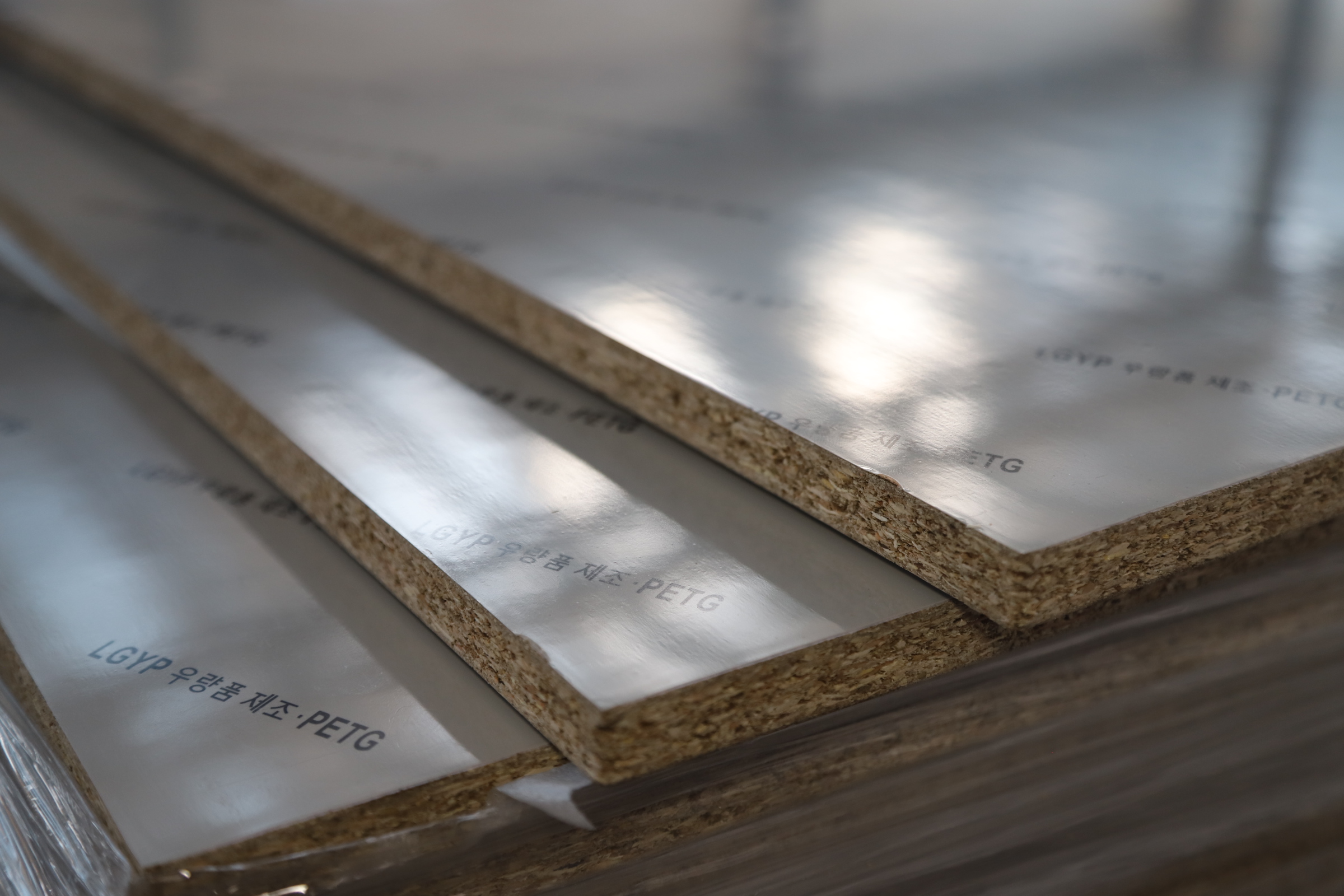
फर्नीचर उद्योग को पर्यावरण-अनुकूल निर्माण प्रथाओं को अपनाने के लिए बढ़ते हुए दबाव का सामना करना पड़ रहा है, क्योंकि उपभोक्ता और विनियामक दोनों ही स्थायी सामग्रियों की मांग कर रहे हैं। पेट बोर्ड एक आकर्षक समाधान के रूप में उभरा है, जो निर्माताओं को टिकाऊ और आकर्षक फर्नीचर बनाने का अवसर प्रदान करता है, जबकि उनका पर्यावरणीय पदचिह्न काफी कम करता है। यह नवाचारी सामग्री पुनर्चक्रित प्लास्टिक घटकों को पारंपरिक लकड़ी-आधारित आधार सामग्रियों के साथ मिलाकर तैयार की जाती है, जिससे यह पारंपरिक सामग्रियों के मुकाबले उत्कृष्ट प्रदर्शन और स्थायित्व दोनों प्रदान करती है।
स्थायी फर्नीचर के लिए पेट बोर्ड का चयन करना केवल सामग्री के चयन से अधिक है—यह परिपत्र अर्थव्यवस्था के सिद्धांतों और जिम्मेदार संसाधन उपयोग के प्रति एक रणनीतिक प्रतिबद्धता को दर्शाता है। पेट बोर्ड के अद्वितीय गुण इसे आधुनिक फर्नीचर अनुप्रयोगों के लिए विशेष रूप से उपयुक्त बनाते हैं, जहाँ टिकाऊपन, नमी प्रतिरोधकता और सौंदर्यात्मक आकर्षण आवश्यक आवश्यकताएँ हैं। पेट बोर्ड के विशिष्ट लाभों को समझना निर्माताओं को इस सामग्री को अपनी स्थायी फर्नीचर लाइनों में शामिल करने के संबंध में सूचित निर्णय लेने में सहायता करता है।
फर्नीचर निर्माण में पेट बोर्ड के पर्यावरणीय लाभ
पुनर्चक्रित सामग्री और अपशिष्ट कमी
पेट बोर्ड में पुनर्चक्रित PET प्लास्टिक की महत्वपूर्ण मात्रा शामिल होती है, जो आमतौर पर उपभोक्ता द्वारा उपयोग किए गए बोतलों और पैकेजिंग सामग्री से प्राप्त की जाती है। यह पुनर्चक्रण प्रक्रिया प्लास्टिक के कचरे को लैंडफिल और महासागरों से हटाकर इसे फर्नीचर उत्पादन के लिए एक मूल्यवान घटक में बदल देती है। पेट बोर्ड के निर्माण में पुनर्चक्रित PET के एकीकरण से कच्चे प्लास्टिक सामग्री की मांग कम हो जाती है, जबकि उस प्लास्टिक कचरे के लिए एक बाजार भी बनता है जो अन्यथा पर्यावरण में सदियों तक बना रह सकता है।
पेट बोर्ड के निर्माण प्रक्रिया में पारंपरिक पार्टिकलबोर्ड या MDF उत्पादन की तुलना में असाधारण संसाधन दक्षता देखी जाती है। पुनर्चक्रित प्लास्टिक सामग्री का उपयोग करके निर्माता ताजी लकड़ी के रेशे पर निर्भरता कम कर सकते हैं, जबकि संरचनात्मक अखंडता और प्रदर्शन विशेषताओं को बनाए रखा जा सकता है। यह दृष्टिकोण पदार्थों को व्यर्थ होने के बजाय उत्पादक उपयोग में बनाए रखकर परिपत्र अर्थव्यवस्था के सिद्धांतों का समर्थन करता है।
कार्बन पदचिह्न में कमी
पेट बोर्ड के उत्पादन से पारंपरिक फर्नीचर सामग्रियों की तुलना में काफी कम कार्बन उत्सर्जन होता है। पेट प्लास्टिक के पुनर्चक्रण प्रक्रिया में नए प्लास्टिक रेजिन के निर्माण की तुलना में कम ऊर्जा की आवश्यकता होती है, जबकि पेट बोर्ड की संयोजित संरचना ऊर्जा-गहन चिपकने वाले पदार्थों और रासायनिक उपचारों की आवश्यकता को कम कर देती है। यह कम ऊर्जा आवश्यकता सीधे तौर पर निर्माण प्रक्रिया के दौरान ग्रीनहाउस गैस उत्सर्जन में कमी के रूप में अनुवादित होती है।
इसके अतिरिक्त, पेट बोर्ड के टिकाऊपन के गुण फर्नीचर के जीवनकाल को लंबा करने में योगदान देते हैं, जिससे प्रतिस्थापन की आवृत्ति और निपटान तथा नए उत्पादन के संबंधित पर्यावरणीय प्रभाव में कमी आती है। इस सामग्री की नमी, कीटों और क्षरण के प्रति प्रतिरोधकता के कारण, पेट बोर्ड से बने फर्नीचर की संरचनात्मक अखंडता और उपस्थिति अन्य विकल्पों की तुलना में लंबे समय तक बनी रहती है, जिससे प्रति वर्ष पर्यावरणीय पदचिह्न को और अधिक कम किया जाता है। सेवा जीवन।
फर्नीचर अनुप्रयोगों के लिए प्रदर्शन लाभ
नमी प्रतिरोध और आयामी स्थिरता
पेट बोर्ड पारंपरिक लकड़ी-आधारित पैनलों की तुलना में उत्कृष्ट नमी प्रतिरोध प्रदर्शित करता है, जिससे यह आर्द्र वातावरण या नमी के संपर्क में आने के लिए प्रवण क्षेत्रों में फर्नीचर अनुप्रयोगों के लिए आदर्श बन जाता है। पेट फिल्म की सतह और आधार सामग्री के भीतर प्लास्टिक की सामग्री नमी प्रवेश के खिलाफ एक अवरोध बनाती है, जिससे पारंपरिक पार्टिकलबोर्ड और एमडीएफ में सामान्यतः होने वाले सूजन, विकृति और अपघटन को रोका जाता है।
यह नमी प्रतिरोध असाधारण आयामी स्थिरता में अनुवादित होता है, जिससे फर्नीचर के टुकड़ों के सटीक आयाम और दरवाज़ों, दराज़ों तथा समायोज्य घटकों के चिकने संचालन को समय के साथ बनाए रखने में सहायता मिलती है। रसोई के अलमारियों, बाथरूम के वैनिटीज़ और कार्यालय के फर्नीचर के लिए, यह स्थिरता फर्नीचर के सेवा जीवन के दौरान उचित फिट और कार्यक्षमता को बनाए रखने के लिए अत्यंत महत्वपूर्ण है।
सतह की टिकाऊपन और सौंदर्य विकल्प
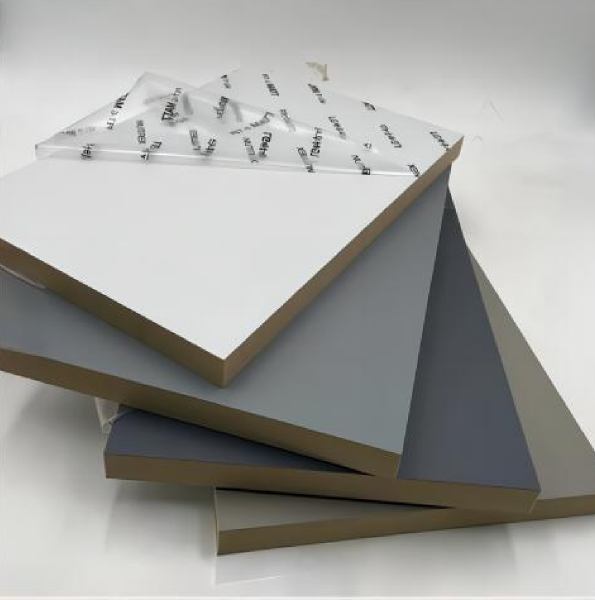
पेट बोर्ड की पीईटी फिल्म सतह खरोंच, धक्कों और रासायनिक संपर्क के प्रति असाधारण टिकाऊपन प्रदान करती है। यह सतह सुरक्षा एक अलग कोटिंग के रूप में नहीं, बल्कि सामग्री का अभिन्न अंग है, जिससे पूरे पैनल की सतह पर सुसंगत सुरक्षा सुनिश्चित होती है। उच्च-चमक और मैट फिनिश विकल्प जो पालतू जानवरों के लिए बोर्ड विविध डिज़ाइन प्राथमिकताओं को समायोजित करते हैं, जबकि उत्कृष्ट प्रदर्शन विशेषताओं को बनाए रखते हैं।
पेट बोर्ड के साथ सौंदर्यशास्त्रीय संभावनाएँ पारंपरिक लकड़ी के दाने के पैटर्न से आगे बढ़कर एकरंग रंगों, अमूर्त डिज़ाइनों और समकालीन बनावटों तक विस्तारित होती हैं, जो आधुनिक फर्नीचर खरीदारों को आकर्षित करती हैं। यह डिज़ाइन लचीलापन निर्माताओं को प्रतिस्पर्धी बाज़ारों में खड़े होने वाले विशिष्ट फर्नीचर टुकड़ों के निर्माण की अनुमति देता है, जबकि यह उन स्थायित्व लाभों को भी प्रदान करता है जिनकी बढ़ती जागरूकता वाले उपभोक्ताओं द्वारा माँग की जा रही है।
फर्नीचर निर्माताओं के लिए आर्थिक विचार
लागत दक्षता और सामग्री उपयोग
पेट बोर्ड निर्माताओं को कम अपशिष्ट और सुधारित सामग्री उपयोग दरों के माध्यम से महत्वपूर्ण लागत लाभ प्रदान करता है। पेट बोर्ड की स्थिर गुणवत्ता और आयामी सटीकता कटिंग अपशिष्ट और पुनर्कार्य (रीवर्क) को कम करती है, जबकि सामग्री की यांत्रिक कार्यक्षमता (मशीनेबिलिटी) मानक लकड़ी कार्य उपकरणों के साथ कुशल प्रसंस्करण की अनुमति देती है। ये संचालन दक्षताएँ फर्नीचर निर्माताओं के लिए उत्पादन लागत में कमी और लाभ मार्जिन में सुधार के रूप में अनुवादित होती हैं।
पेट बोर्ड की टिकाऊपन विशेषताएँ नमी के कारण होने वाले दावों, सतही घिसावट और संरचनात्मक विफलता से संबंधित वारंटी दावों तथा ग्राहक सेवा लागतों को भी कम करती हैं। यह विश्वसनीयता ब्रांड प्रतिष्ठा और ग्राहक वफादारी को मजबूत करती है, जबकि उत्पाद वापसी और मरम्मत से जुड़ी दीर्घकालिक लागतों को कम करती है।
बाजार स्थिति और उपभोक्ता मांग
पर्यावरणीय मुद्दों के प्रति उपभोक्ताओं की जागरूकता टिकाऊ फर्नीचर विकल्पों की मांग को लगातार बढ़ा रही है, जिससे ऐसे निर्माताओं के लिए बाज़ार के अवसर पैदा हो रहे हैं जो पेट बोर्ड जैसी पर्यावरण-अनुकूल सामग्रियों को अपनाते हैं। फर्नीचर को पुनर्चक्रित सामग्री शामिल करने वाला और परिपत्र अर्थव्यवस्था के सिद्धांतों का समर्थन करने वाला बाज़ार में प्रस्तुत करने की क्षमता, पर्यावरण के प्रति सजग खरीदारों को आकर्षित करती है, जो अक्सर टिकाऊ उत्पादों के लिए प्रीमियम मूल्य देने के लिए तैयार होते हैं। उत्पाद .
पेट बोर्ड के प्रदर्शन लाभ भी उन बाज़ारों में प्रीमियम स्थिति के लिए समर्थन प्रदान करते हैं, जहाँ टिकाऊपन और कम रखरखाव की आवश्यकता मूल्यवान विशेषताएँ मानी जाती हैं। विशेष रूप से वाणिज्यिक फर्नीचर के खरीदार पेट बोर्ड फर्नीचर द्वारा प्रदान किए जाने वाले कम प्रतिस्थापन आवृत्ति और न्यूनतम रखरखाव आवश्यकताओं से जुड़ी दीर्घकालिक लागत बचत की सराहना करते हैं।
निर्माण और प्रसंस्करण पर विचार
मशीनिंग और असेंबली विशेषताएँ
पेट बोर्ड मशीनें पारंपरिक पार्टिकलबोर्ड और एमडीएफ के समान काम करती हैं, जिससे फर्नीचर निर्माता मौजूदा उपकरणों और उत्पादन प्रक्रियाओं का उपयोग न्यूनतम संशोधन के साथ कर सकते हैं। यह सामग्री मानक कार्बाइड-टिप्ड सॉ ब्लेड्स के साथ साफ़-सुथरी कटिंग करती है और किनारे के प्रोफाइलिंग तथा सजावटी विवरणों के लिए चिकनी रूटिंग प्रदान करती है। हालाँकि, प्लास्टिक की सामग्री के कारण कटिंग गति और फीड दरों पर ध्यान देने की आवश्यकता होती है ताकि मशीनिंग के दौरान पिघलने या सतह क्षति को रोका जा सके।
पेट बोर्ड फर्नीचर के असेंबली प्रक्रियाओं को सामग्री की आयामी स्थिरता और सुसंगत घनत्व से लाभ प्राप्त होता है। पेट बोर्ड में स्क्रू और फास्टनर्स मजबूती से ठीक बैठते हैं, जबकि सामग्री का विभाजन प्रतिरोध किनारे पर ड्रिलिंग और हार्डवेयर स्थापना की अनुमति देता है, बिना कि पारंपरिक पैनलों के साथ अक्सर आवश्यक पूर्व-ड्रिलिंग की आवश्यकता हो। ये विशेषताएँ उत्पादन प्रक्रियाओं को सरल बनाती हैं और असेंबली के समय को कम करती हैं।
गुणवत्ता नियंत्रण और विनिर्देश प्रबंधन
पेट बोर्ड की निर्माण संगतता फर्नीचर निर्माताओं के लिए गुणवत्ता नियंत्रण प्रक्रियाओं को सरल बनाती है। सामग्री का एकसमान घनत्व और मोटाई सहिष्णुता उत्पादन चक्रों के दौरान भविष्यवाणि योग्य प्रदर्शन सुनिश्चित करती है, जबकि एकीकृत PET फिल्म सतह अलग से लैमिनेटिंग प्रक्रियाओं से जुड़े विचरणों को समाप्त कर देती है। यह संगतता निरीक्षण आवश्यकताओं को कम करती है और सामग्री की कमियों के कारण उत्पादन में देरी को न्यूनतम करती है।
पेट बोर्ड के विनिर्देश प्रबंधन में सामग्री की थर्मल विशेषताओं और प्रसार गुणांकों को समझना शामिल है, जो पारंपरिक लकड़ी-आधारित पैनलों से भिन्न होते हैं। उचित किनारा बैंडिंग तकनीकें और तापीय गति के लिए अनुमति अंतिम फर्नीचर अनुप्रयोगों में इष्टतम प्रदर्शन सुनिश्चित करती हैं, विशेष रूप से बड़े कैबिनेट दरवाजों और तापमान परिवर्तनों के संपर्क में आने वाले पैनलों के लिए।
अनुप्रयोग और डिज़ाइन संभावनाएँ
कैबिनेट और भंडारण समाधान
पेट बोर्ड किचन कैबिनेट जैसे कैबिनेट अनुप्रयोगों में उत्कृष्ट प्रदर्शन करता है, जहाँ नमी प्रतिरोधकता और टिकाऊपन आवश्यक आवश्यकताएँ हैं। किचन कैबिनेट भाप और पकाने के वाष्प के प्रति सामग्री की प्रतिरोधक क्षमता से लाभान्वित होते हैं, जबकि बाथरूम वैनिटीज नमी और पानी के छींटों के संपर्क में आने के बावजूद अपना रूप और कार्यक्षमता बनाए रखती हैं। पेट बोर्ड की चिकनी, गैर-स्पंजी सतह सफाई और रखरखाव को आसान बनाती है, जो खाद्य तैयारी और स्वच्छता-संवेदनशील क्षेत्रों के लिए महत्वपूर्ण विचार हैं।
भंडारण फर्नीचर अनुप्रयोग पेट बोर्ड की शक्ति और आयामी स्थिरता का लाभ उठाते हैं ताकि भार के तहत अपनी संरचना बनाए रखने वाले शेल्फिंग प्रणाली और संगठनात्मक समाधान बनाए जा सकें। सामग्री का झुकाव और विकृति के प्रति प्रतिरोध सुनिश्चित करता है कि शेल्फें लंबे समय तक स्तरित और कार्यात्मक बनी रहें, जबकि सौंदर्यिक विकल्प भंडारण समाधानों को समकालीन आंतरिक डिज़ाइन के साथ सुग्राही रूप से एकीकृत करने की अनुमति देते हैं।
वाणिज्यिक और कार्यालय फर्नीचर
पेट बोर्ड की टिकाऊपन और कम रखरखाव की विशेषताएँ इसे वाणिज्यिक फर्नीचर अनुप्रयोगों के लिए विशेष रूप से उपयुक्त बनाती हैं, जहाँ उच्च उपयोग आवृत्ति और न्यूनतम डाउनटाइम महत्वपूर्ण कारक हैं। ऑफिस की डेस्क, कॉन्फ्रेंस टेबल और मॉड्यूलर वर्कस्टेशन घटक पदार्थ की सतह क्षति के प्रति प्रतिरोधकता और भारी दैनिक उपयोग के बावजूद भी अपनी उपस्थिति बनाए रखने की क्षमता से लाभान्वित होते हैं।
स्वास्थ्य सेवा और शैक्षिक फर्नीचर अनुप्रयोग पेट बोर्ड की गैर-सम्पीड़ित सतह की सराहना करते हैं, जो जीवाणुओं के विकास को रोकती है और डिसइन्फेक्टेंट्स के साथ गहन सफाई को सुविधाजनक बनाती है। पदार्थ की रासायनिक प्रतिरोधकता सुनिश्चित करती है कि नियमित सैनिटाइजेशन प्रक्रियाएँ समय के साथ सतह की गुणवत्ता या उपस्थिति को कम नहीं करती हैं, जो संस्थागत फर्नीचर के लिए महत्वपूर्ण विचार हैं जिन्हें स्वच्छता की शर्तों को बनाए रखना आवश्यक है।
अक्सर पूछे जाने वाले प्रश्न
पारंपरिक एमडीएफ की तुलना में पेट बोर्ड का पर्यावरणीय प्रभाव कैसा है?
पेट बोर्ड में पुनर्चक्रित प्लास्टिक की सामग्री शामिल करने और फॉर्मेलडिहाइड उत्सर्जन को कम करने के कारण, यह पारंपरिक एमडीएफ की तुलना में पर्यावरण पर काफी कम प्रभाव डालता है। पुनर्चक्रित पेट घटक लैंडफिल्स में प्लास्टिक के कचरे को रोकता है, जबकि इसके निर्माण प्रक्रिया में मूल (वर्जिन) सामग्री के उत्पादन की तुलना में कम ऊर्जा की आवश्यकता होती है। इसके अतिरिक्त, पेट बोर्ड की टिकाऊपन फर्नीचर के सेवा जीवन को बढ़ाती है, जिससे समय के साथ प्रतिस्थापन की आवृत्ति और उससे संबंधित पर्यावरणीय लागतों में कमी आती है।
क्या पेट बोर्ड को उसके सेवा जीवन के अंत में पुनर्चक्रित किया जा सकता है?
हाँ, पेट बोर्ड को विशेषीकृत प्रसंस्करण द्वारा पुनर्चक्रित किया जा सकता है, जिसमें लकड़ी के रेशे और प्लास्टिक घटकों को अलग-अलग पुनर्चक्रण धाराओं के लिए अलग किया जाता है। पेट फिल्म की सतह और प्लास्टिक सामग्री को नए प्लास्टिक उत्पादों में पुनः प्रसंस्कृत किया जा सकता है, जबकि लकड़ी के रेशे के घटक का उपयोग बायोमास ईंधन के रूप में किया जा सकता है या उचित परिस्थितियों में कंपोस्ट किया जा सकता है। यह अंत-जीवन पुनर्चक्रण क्षमता परिपत्र अर्थव्यवस्था के सिद्धांतों का समर्थन करती है और अपशिष्ट उत्पादन को न्यूनतम करती है।
फर्नीचर अनुप्रयोगों में पेट बोर्ड के लिए कौन-कौन से मोटाई और आकार विकल्प उपलब्ध हैं?
पेट बोर्ड आमतौर पर 9 मिमी से 18 मिमी की मोटाई में उपलब्ध होता है, जिसके मानक पैनल आयाम अधिकांश फर्नीचर निर्माण आवश्यकताओं को पूरा करते हैं। कैबिनेट के दरवाज़ों और पार्श्व भागों के लिए 12 मिमी और 15 मिमी की मोटाई विशेष रूप से लोकप्रिय हैं, जबकि शेल्फिंग और टेबल टॉप्स के लिए आवश्यक संरचनात्मक मजबूती 18 मिमी की मोटाई प्रदान करती है। विशिष्ट निर्माण आवश्यकताओं को पूरा करने और कटिंग के अपव्यय को कम करने के लिए अक्सर कस्टम आकार भी उपलब्ध होते हैं।
क्या फर्नीचर असेंबली के लिए पेट बोर्ड के साथ विशेष हार्डवेयर या फास्टनर्स की आवश्यकता होती है?
पालतू जानवरों के लिए बोर्ड मानक फर्नीचर हार्डवेयर और फास्टनर्स के साथ प्रभावी ढंग से काम करता है, हालाँकि इसके अधिकतम प्रदर्शन के लिए कुछ विचारों की आवश्यकता होती है। अधिकांश अनुप्रयोगों के लिए स्व-थ्रेडिंग स्क्रू अच्छा प्रदर्शन करते हैं, जबकि कैबिनेट निर्माण के लिए कॉन्फ़र्मैट स्क्रू उत्कृष्ट पकड़ शक्ति प्रदान करते हैं। सामग्री का घनत्व और संरचना पारंपरिक पार्टिकलबोर्ड की तुलना में थोड़ी भिन्न ड्रिलिंग गति की आवश्यकता हो सकती है, लेकिन अधिकांश ऑपरेशनों के लिए मानक कार्बाइड-टिप्ड बिट्स संतोषजनक प्रदर्शन करते हैं।
विषय-सूची
- फर्नीचर निर्माण में पेट बोर्ड के पर्यावरणीय लाभ
- फर्नीचर अनुप्रयोगों के लिए प्रदर्शन लाभ
- फर्नीचर निर्माताओं के लिए आर्थिक विचार
- निर्माण और प्रसंस्करण पर विचार
- अनुप्रयोग और डिज़ाइन संभावनाएँ
-
अक्सर पूछे जाने वाले प्रश्न
- पारंपरिक एमडीएफ की तुलना में पेट बोर्ड का पर्यावरणीय प्रभाव कैसा है?
- क्या पेट बोर्ड को उसके सेवा जीवन के अंत में पुनर्चक्रित किया जा सकता है?
- फर्नीचर अनुप्रयोगों में पेट बोर्ड के लिए कौन-कौन से मोटाई और आकार विकल्प उपलब्ध हैं?
- क्या फर्नीचर असेंबली के लिए पेट बोर्ड के साथ विशेष हार्डवेयर या फास्टनर्स की आवश्यकता होती है?