EN
EN


When sourcing decorative boards for cabinetry, hotel wardrobes or largescale wall cladding projects for import, you may frequently encounter a key dilemma for bulk orders: which material delivers better value — synchronizedtexture melamine boards or natural wood veneers? This is one of the most common questions raised by furniture manufacturers and project clients across the globe.
While both materials occupy important positions in today’s global furniture market, they show substantial differences in surface texture, structural stability, production cost, maintenance requirements and exportoriented applicability. Many importers evaluate materials based merely on visual appearance, ignoring hidden aftersales costs stemming from improper material selection. Zhenshijie Wood Industry has prepared this practical comparison, sorting out all critical influencing factors to help you select suitable boards, improve profit margins and reduce customer complaints.
1. Visuals And Tactile Feel: Standardized Mass Production Versus Unique Natural Grain
Natural wood veneer is manufactured by slicing solid logs such as oak, walnut, ash and teak, then bonding the sliced sheets onto substrate boards. It boasts oneofakind natural grain patterns, natural knots and soft color gradients, making it a perfect fit for highend projects including luxury villa custom furnishings and fivestar hotel lobby decoration. Its major disadvantage lies in inconsistent patterns: grain and color vary among individual sheets. When producing wholehouse cabinetry or largearea wall cladding, workers need extra time to sort and match boards. Color and grain mismatches may easily trigger product returns and result in inventory waste.
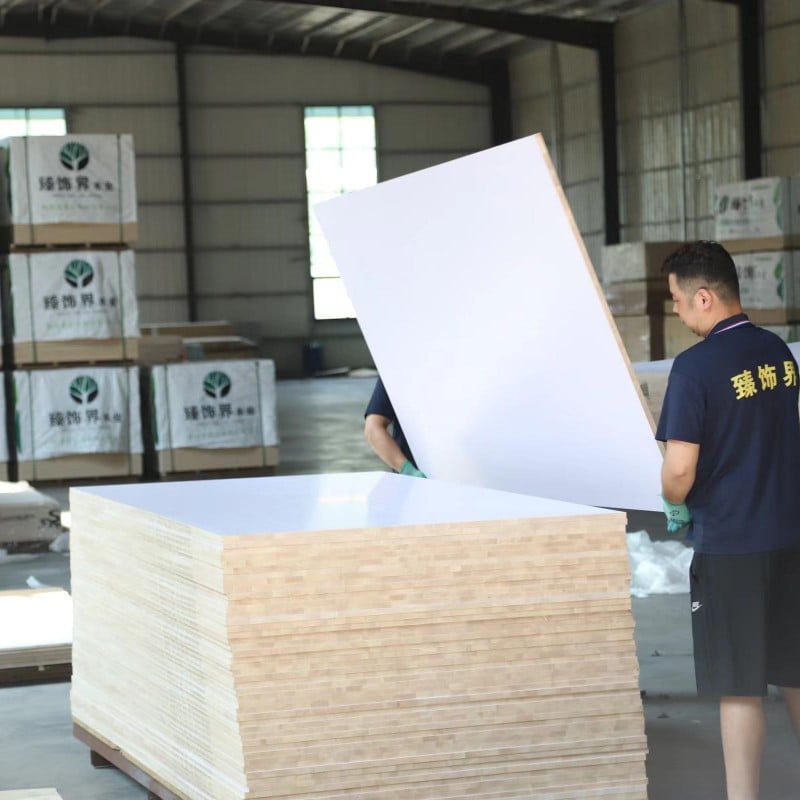
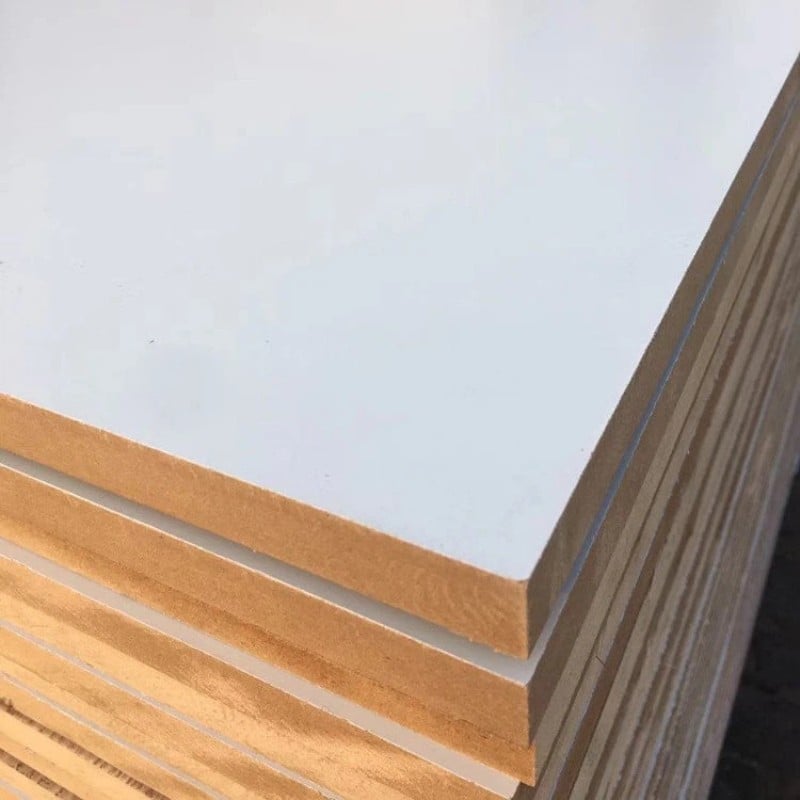
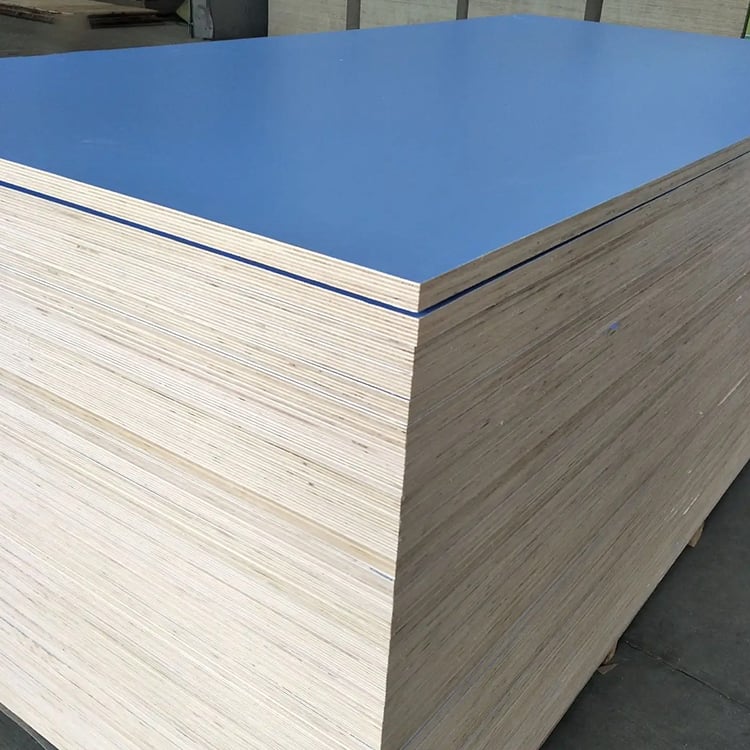
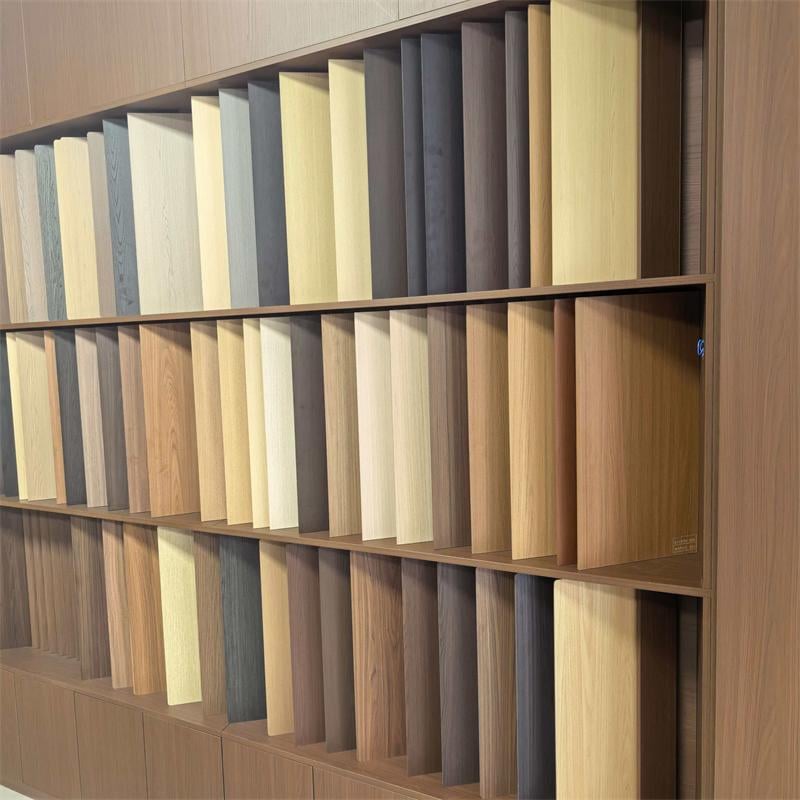
Our upgraded 2026 synchronizedtexture melamine boards adopt onetoone synchronized embossing technology. The printed wood grain is precisely aligned with surface embossments, delivering a handtouch experience highly similar to solid wood. All boards are produced under standardized color calibration, ensuring consistent color and grain matching across different batches. We supply multiple pattern options covering oak, walnut, ash and marble, matching mainstream design styles popular in Europe, the Middle East and Southeast Asia, such as minimalist, lightluxury, Nordic and industrial styles. For highvolume assemblyline manufacturing, synchronizedtexture melamine boards effectively cut down material waste and shorten production leadtime. You may view our full lineup of synchronizedtexture MDF boards via this link.
2. Longterm Stability And Maintenance Requirements
Natural wood veneer is highly susceptible to temperature and humidity changes. In humid coastal zones, veneer edges absorb moisture and may suffer blistering and peeling within only one to two years. By contrast, in hot and arid regions such as the Middle East, direct sunlight will quickly cause cracking and color fading. Endusers have to conduct regular waxing to preserve veneer luster, which brings extra aftersales maintenance workload for furniture suppliers.
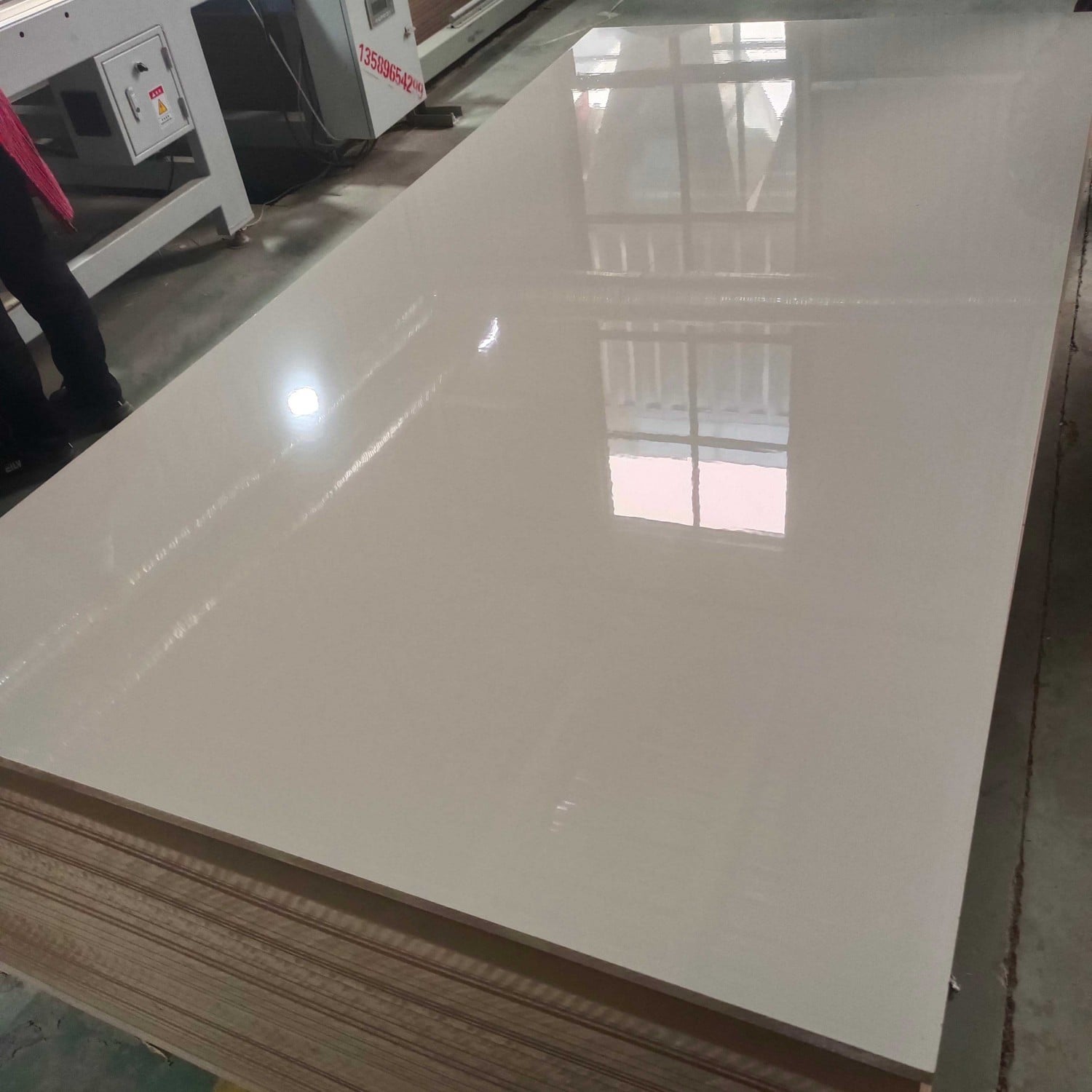
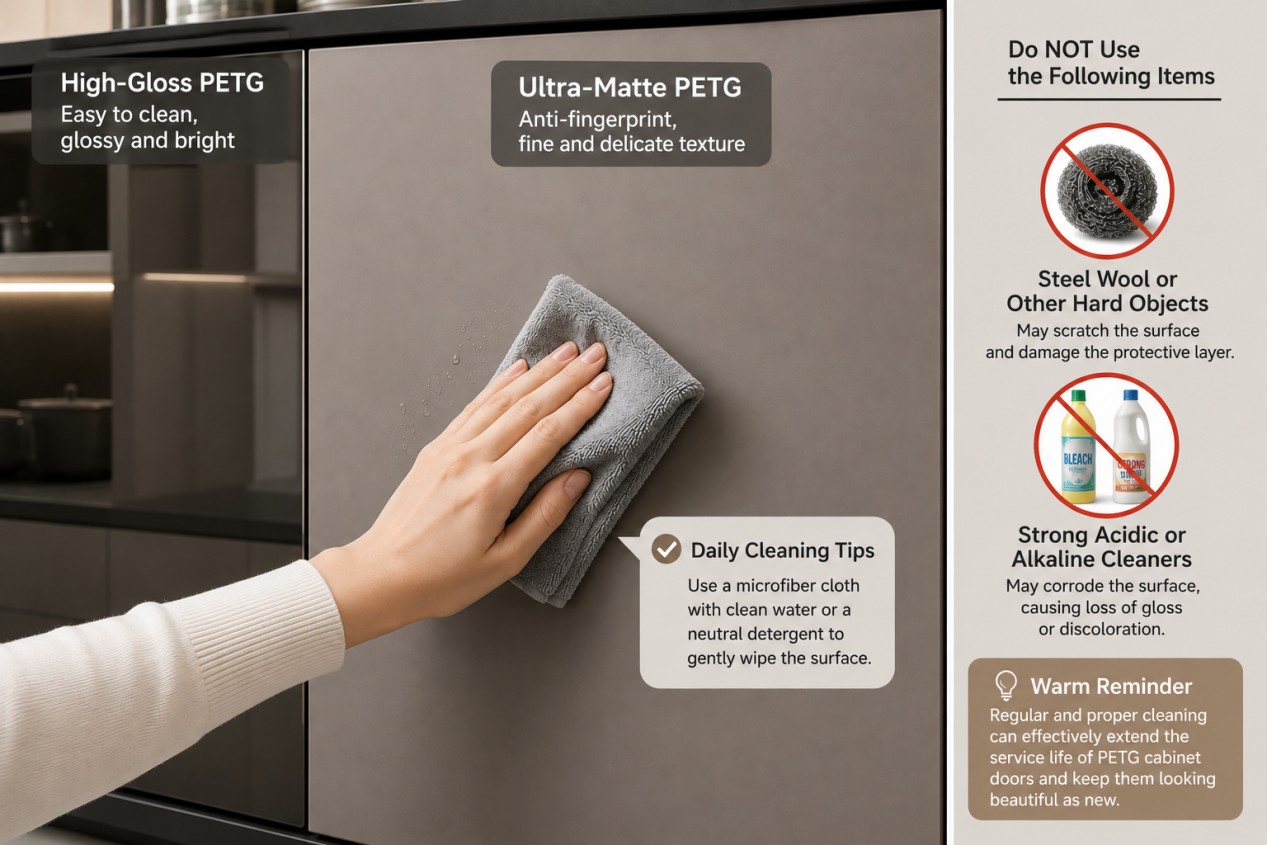
Synchronizedtexture melamine boards, on the other hand, are produced by hotpressing dense, wearresistant melamine resin films onto substrates. Their fully sealed surface features outstanding water resistance, stain resistance and antifading performance. Kitchen grease, coffee spills and dust can be effortlessly wiped off using a slightly damp microfiber cloth; no special maintenance supplies are required. All our substrates adopt E0grade lowformaldehyde adhesives, which greatly lower the risk of edge swelling caused by moisture intake. Whether applied to bathroom vanities in damp environments, highusage kitchen cabinetry or heavilyloaded office storage units, these boards can maintain stable performance for more than ten years.
3. Material Costs, Production Lead Times And Exportrelated Advantages
Natural wood veneer costs 40%‑70% more than synchronizedtexture melamine boards. Apart from higher rawmaterial expenses, wood veneer demands additional processing steps including lacquering, edge banding and antifading treatment. These processes raise labor and production costs by a minimum of 30%. For export orders with tight container shipment schedules, production delays can easily cause missed vessel deadlines and generate extra logistics fees.
Synchronizedtexture melamine boards are factoryfinished products. They can be cut, edgebanded and assembled right after delivery without secondary lacquering. Standardsize boards (1220×2440 mm) are kept in stock, while extended 2800 mm boards can be custommade for diverse cabinet and wallcladding projects. Supported by sufficient rawmaterial stocks, largevolume orders (full 40HQ container loads) can be fulfilled within 7‑10 days. Stable batchtobatch color quality lowers risks during customs inspection and facilitates crossborder clearance for global importers.
4. Suitable Application Scenarios For Two Board Types
Natural Wood Veneer: Ideal for smallbatch, highbudget projects, for instance wholehouse furniture for luxury villas, highend hotel lobby decorations and premium retail display cabinets. It targets clients pursuing genuine naturalwood aesthetics, who can accept higher production and maintenance expenditure.
SynchronizedTexture Melamine Board: Perfect for largescale export and wholesale businesses, covering standard cabinet sets, hotel guestroom wardrobes, office storage, largearea wall cladding and chainstore retail display fixtures. With realistic woodgrain texture, stable quality and competitive factory prices, it fits a wide array of medium and largescale import projects.
Sourcing Tips For Global Importers
If your business focuses on highvolume furniture exports and midrange commercial interior projects, synchronizedtexture melamine boards can bring higher overall profits and fewer aftersales troubles. Zhenshijie Wood Industry provides a complete product portfolio, including synchronizedtexture MDF, particleboard and plywood. All products meet E0/E1 formaldehyde emission standards and satisfy import compliance requirements for EU and North American markets.
 Hot News
2026-10-06
2026-10-02
2026-09-29
Shandong Zhenshijie — China's trusted manufacturer of PET & melamine veneer panels for cabinets, kitchens & furniture. MDF, plywood, particleboard & more — custom sizes, textures & finishes.
located north of Xiaowan Line, Tanyi Town, Feixian County, Linyi City, Shandong Province.
Copyright © 2026 Shandong Zhenshijie International Trade CO,. LTD All rights reserved. Privacy Policy