 EN
EN

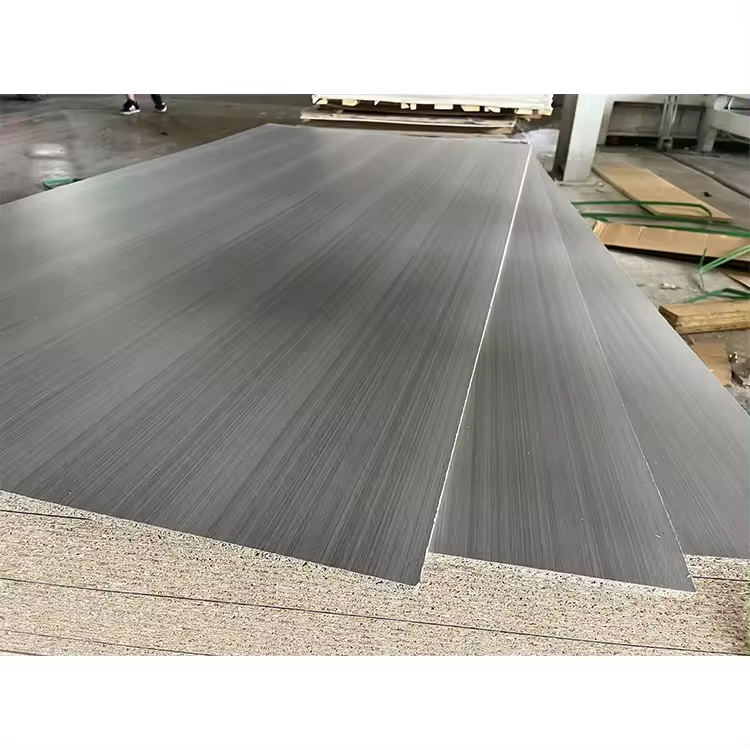
Modulyar mebellərin istehsalı sahəsində sürətli tempdə inkişaf edən bu dünyada material seçimi istehsal komandasının qəbul edə biləcəyi ən mühüm qərarlardan biridir. çiplək hissəcik lövhəsi tam olaraq sənayenin ən vacib tələblərini — ölçülərin dəqiqliyi, xərclərin proqnozlaşdırılması və miqyaslanabilən istehsal imkanlarını ödəməsi səbəbindən əsas material kimi qeydə alınıb. İstehsal xətləri standartlaşdırılmış komponentlər ətrafında dizayn edildikdə, altlıq materialı partiyadan partiyaya bərabər xüsusiyyətlər göstərməlidir və çipli taxta bu tələbi tamamilə ödəyir.
Çipli taxtanın modullu mebellərin iş axınlarına necə inteqrasiya olunduğunu başa düşmək, bir çox istehsalçının təchizat zəncirlərini onun ətrafında standartlaşdırmasının səbəbini izah edir. Bu material bərk ağac və ya fanera ilə müqayisədə sadəcə daha ucuz alternativ deyil — təkrarlanma, sürət və xərc nəzarəti şərtlərinin müzakirəsiz qəbul edildiyi mühitlər üçün xüsusi olaraq hazırlanmış mühəndislik həllidir. Şkafların korpuslarından raf sistemlərinə qədər çipli taxtanın istehsal effektivliyini artırmaqdakı rolu həm ölçülməlidir, həm də strateji cəhətdən əhəmiyyətlidir.
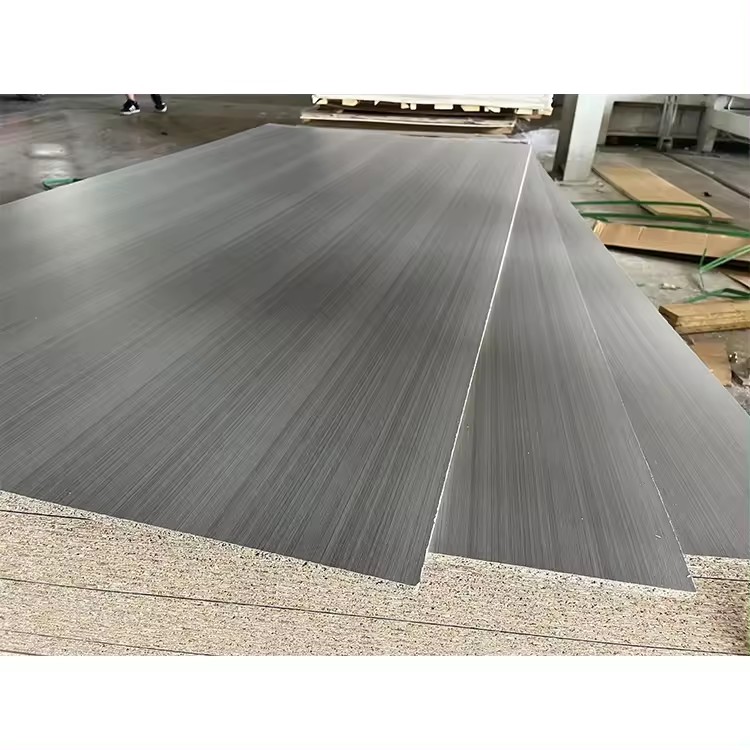
İstehsal Effektivliyini Təmin edən Mühəndislik Xüsusiyyətləri
Böyük istehsal seriyaları üzrə ölçülərin sabitliyi
Çipboard parçalı lövhənin modulyar mebellərin istehsalını sürətləndirməsinin əsas səbəblərindən biri onun daxili ölçülərin sabitliyidir. Taxta kimi, taxta liflərinin dəyişkənliyinə, düyünlərə və nəmliklə əlaqədar bükülməyə meylli olan materiallardan fərqli olaraq, çipboard parçalı lövhə kontrollü şəraitdə istehsal olunur və bu da hər bir lövhə üzrə eyni qalınlıq, sıxlıq və müstəvi səth əldə etməyə imkan verir. Bu proqnozlaşdırıla bilən xüsusiyyət CNC maşınları və avtomatlaşdırılmış kəsici sistemlərin dəqiq toleranslarla tənzimlənməsi zamanı qiymətli bir üstünlükdür.
Modulyar mebellərdə montaj zamanı bir neçə istehsal partiyasından gələn komponentlər tamamilə uyğun olmalıdır. Əgər lövhə qalınlığı belə yarım millimetrdən az dəyişsə, bu, kam-lock birləşdiricilərində, çəkmələrin sürtünmə sistemlərində və oynaqların bərkidilmə mövqelərində uyğunsuzluğa səbəb ola bilər. Çipboard parçalı lövhə, dar istehsal toleransları ilə istehsal olunduğu üçün bu səhvlərin ən böyük mənbəyini praktiki olaraq aradan qaldırır, təkrar emal dərəcəsini azaldır və istehsal xətlərini optimal iş səmərəliliyi ilə saxlayır.
Çiplək taxtasının bircins daxili quruluşu eyni zamanda onun mexaniki xüsusiyyətlərinin — vidalara tutma qüvvəsinin, səth sərtliyinin və kənarların qırılmasına qarşı müqavimətinin — müxtəlif lövhələr və istehsal partiyaları üzrə sabit qalmasını təmin edir. İstehsal mühəndisləri maşın parametrlərini bir dəfə təyin edə və onları materialın təbii dəyişkənliyinə görə daima uyğunlaşdırmaq əvəzinə etibarlı şəkildə tətbiq edə bilərlər.
Bəzədici örtüklərlə səth uyğunluğu
Modullu mebellərin istehsalı demək olar ki, ümumiyyətlə melamin kağız, PVC folyo və ya furnitur ağacı kimi bəzədici səthlərin tətbiqini nəzərdə tutur. Çiplək taxtası bu örtüklərlə etibarlı şəkildə yapışan, çox düz və sıx bir səth təmin edir ki, bu da səth defektləri olmadan yüksək sürətli laminasiya proseslərinə imkan verir. Keyfiyyətli çiplək taxtası lövhəsinin hamar səthi yapışdırıcı istehlakını azaldır və laminasiya zamanı yaxınlaşma dərəcəsini minimuma endirir.
Melamin örtüklü çip şpaltı, xüsusilə, artıq örtülmüş vəziyyətdə istehsalat bazasına çatır ki, bu da istehsalat prosesində tamamilə bitirici mərhələni aradan qaldırır. Bu əvvəlcədən bitirilmiş format mebellərin istehsalçılarına lövhələrin kəsilməsindən dərhal kənar bantlama və delməyə keçid etməyə imkan verir və beləliklə, istehsalat dövrünü əhəmiyyətli dərəcədə qısaltır. Nəticədə etibarlı bir əsas üzərində qurulmuş, daha səmərəli və sürətli bir istehsalat prosesi yaranır.
Çip Şpaltının Modullu Komponentlərin İş Axınını Necə Sadələşdirir
Standart Lövhə Ölçüləri Optimallaşdırılmış Daxil Etme (Nesting) Üçün İmkan Yaradır
Çipboard partikul lövhə standartlaşdırılmış lövhə formatlarında — adətən 1220×2440 mm və ya 1830×2440 mm — istehsal olunur; bu formatlar modulyar mebellər sistemlərinin ölçülü məntiqi ilə xüsusi olaraq uyğunlaşdırılıb. Bu standart formatlar istehsal proqram təminatının material itkiyi minimuma endirən yüksək səmərəli kəsilmə nümunələri yaratmasına imkan verir. Hər bir lövhə eyni əsas lövhə ölçüsünə uyğun gəldiyi zaman, yerləşdirmə alqoritmləri qeyri-müntəzəm mənbələrdən alınan materiallarla əldə edilə bilməyən material istifadəsi səviyyələrinə çata bilir.
Yüksək həcmdə modulyar mebel xətləri istehsal edən istehsalçılar üçün optimallaşdırılmış yerləşdirmədən əldə olunan qənaətlər sürətlə artır. Hər bir lövhədə material itkisinin yalnız üç-dən beş faizə qədər azalması aylıq minlərlə lövhəyə vurulduqda əhəmiyyətli xərclərin azalmasına səbəb olur. Çipboard partikul lövhənin ölçülü standartlaşdırılması bu optimallaşdırmanın birbaşa imkanverici amilidir və bu, satınalma komandalarının onu əsas substrat kimi ardıcıl şəkildə göstərməsinin bir səbəbidir.
Qutuların sığdırılması effektivliyindən artıq, standartlaşdırılmış çipli taxta lövhələrin ölçüləri anbar idarəçiliyini sadələşdirir. Saxlama planları, materialların emal sistemləri və inventar izləməsi bütün bunlar, xammalın proqnozlaşdırıla bilən ölçülərə uyğun olması halında daha asan idarə olunur. Bu lojistik sadəlik emal müddətini azaldır və dəqiq vaxtında istehsal planlaşdırılmasına kömək edir.
CNC və panel emal avadanlıqları ilə sürətli emal ediləbilərlilik
Çipli taxta lövhənin bircins hissəcik strukturu onu müasir CNC frezələmə, delmə və kəsmə avadanlıqları ilə yüksək dərəcədə uyğunlaşdırır. Orta sıxlıqlı lif taxtasından fərqli olaraq, çipli taxta lövhə yüksək sürətli emal zamanı əhəmiyyətli miqdarda toz və istilik yaratmır; həmçinin, taxtanın təbii lif strukturu səbəbindən meydana gələn qırılma riski də mövcud deyil. Belə təmiz emal ediləbilərlilik daha yüksək verilmə sürətlərini və uzun müddətli alət ömrünü təmin edir; bu da ümumi istehsal həcmini artırır.
Avtomatlaşdırılmış istehsal mühitində çipboard (çipli lövhə) materialının sabit sıxlığı, CNC cədvəllərində vakuumla tutma sistemlərinin lövhə səthinin tamamında etibarlı tutuş qüvvəsini saxlamasını təmin edir. Bu, emal zamanı lövhənin hərəkətini azaldır, beləliklə, mövqe dəqiqliyi artır və səhv kəsilmiş komponentlər nəticəsində baş verən itki (qalıq) miqdarı azalır. İşıqsız və ya yarı-avtomatlaşdırılmış istehsal növbələri keçirən modulyar mebellər istehsalçıları üçün bu etibarlılıq əməliyyat baxımından vacibdir.
Kənar bandlama yapışması da çipboard (çipli lövhə) materialının etibarlı performans göstərdiyi bir başqa sahədir. Lövhənin kənar strukturu isti-ərimə yapışdırıcılarını eyni şəkildə qəbul edir və aşağı keyfiyyətli lövhə altlıqlarında baş verə bilən yapışma uğursuzluqları və ya kənarların dağılması hallarına yol vermədən yüksək sürətli kənar bandlama prosesini dəstəkləyir. Bu, keyfiyyət yoxlamaları və ya retuslar üçün tez-tez dayanma tələb etmədən davamlı axın istehsalını təmin edir.
Dəyər effektivliyi və təchizat zənciri üstünlükləri
Proqnozlaşdırıla bilən material xərcləri istehsal büdcələşdirilməsini dəstəkləyir
Çipboard (çipli lövhə) taxtası ağac qırıntılarından, oyma zavodlarının artıqlarından və təkrar emal olunmuş ağac liflərindən istehsal olunur; bu da ona fani və ya bərk ağac taxtasına nisbətən əhəmiyyətli dərəcədə daha aşağı xammal dəyəri verir. Sıx mənfəət marjları ilə fəaliyyət göstərən modullu mebellər istehsalçıları üçün bu xərc üstünlüyü heç də önəmsiz deyil — bu, məhsul çeşidindəki hər bir SKU üçün materiallar siyahısını birbaşa təsir edir. Çipboard (çipli lövhə) taxtasının qiymətlərinin proqnozlaşdırıla bilərliliyi istehsal planlayıcılarına dəqiq xərc hədəfləri müəyyən etməyə və perakendə və toptan satış müştərilərinə qarşı sabit qiymətləndirməni saxlamağa imkan verir.
Çünki çipləşdirilmiş parçalı lövhələr qlobal olaraq bir çox istehsalçı tərəfindən istehsal olunur, buna görə də təchizat zəncirləri ümumiyyətlə möhkəm və rəqabətli olur. Təchizat komandaları materialların qiymətindəki sıçrayışlara və təchizatda pozğunluqlara qarşı həssaslığı azaltmaq üçün artıq dərəcədə tək mənbəyə asılılıq yaratmadan etibarlı təchizat razılaşmaları bağlaya bilərlər. Bu təchizat zəncirinin davamlılığı, material çatışmazlığı səbəbiylə istehsalın dayandırılmasına icazə verə bilməyən böyük miqyaslı modulyar mebellər istehsalçıları üçün xüsusilə dəyərli olur.
İkincil emal tələblərinin azalması
Çipləşdirilmiş parçalı lövhələr öncədən laminasiya edilmiş və ya melamin örtüklü şəkildə alınarsa, ikincil emal tələblərində əhəmiyyətli dərəcədə azalma baş verir. Boyaçılar, laklar və bitirici stansiyalar müvafiq məhsul çeşidləri üçün istehsal xəttindən qismən və ya tamamilə çıxarılabilir. Bu yalnız əmək haqqı xərclərini azaldır, həm də istehsal axınında bottleneqlər yaradan quruma vaxtı gecikmələrini aradan qaldırır.
Tələb olunan dekorativ tələblərə uyğun olaraq artıq sonlandırılmış çipboard (qalınlıq lövhəsi) materialının təmin edilməsi imkanı, səth görünüşü üzrə keyfiyyət nəzarətini istehsalçıdan əvvəlki mərhələyə – yəni material təchizatçısına köçürməyə imkan verir; bu da sonlandırma əməliyyatlarının tamamilə daxili istehsal prosesinə asılı olmasını aradan qaldırır. Keyfiyyət məsuliyyətinin belə bölünməsi istehsalçının keyfiyyət idarəetmə sistemini sadələşdirir və istehsalat personalına montaj dəqiqliyinə diqqət yetirmək üçün, sonlandırma keyfiyyətinə deyil, imkan verir.
Modullu mebellər tətbiqləri üçün konstruktiv uyğunluq
Şkaf və raf sistemlərində yükdaşıma performansı
16 mm, 18 mm və 25 mm standart qalınlıqlarda çipboard (qatı meşə materialı) modulyar mebellərin əsasını təşkil edən raf sistemləri, şkaf korpusları və bölücülər üçün kifayət qədər struktural performans təmin edir. Tətbiq sahəsinə uyğun şəkildə — panel qalınlığının açılış uzunluğuna və gözlənilən yüklərə uyğunlaşdırılması ilə — çipboard partikul lövhə ev şəraitində və yüngül kommersiya mühitində etibarlı uzunmüddətli performans göstərir.
Çipboard partikul lövhə ətrafında modulyar sistemlər hazırlayan mebel mühəndisləri yaxşı tanınan deformasiya və yük verilənləri ilə işləyə bilirlər; bu da komponent ölçülərini etibarlı şəkildə müəyyənləşdirməyə imkan verir. Bu mühəndislik əminliyi məhsul inkişafı dövrünü sürətləndirir, çünki dizaynerlər hər yeni konfiqurasiya üçün genişmiqyaslı struktural sınaqlar keçirməyə ehtiyac duymurlar — materialın performans sərhədləri yaxşı başa düşülüb və geniş miqyasda sənədləşdirilib.
Modulyar birləşmə avadanlığı ilə uyğunluq
Müasir modulyar mebellər, dəqiq delinmiş dəliklərə daxil edilməli olan kam-qıfllı birləşdiricilər, silindr qozlar, raf çubuqları və s. kimi armaturdan geniş istifadə edir. Çipli taxta (ÇTT) materialı son istifadəçilər və peşəkar montajçılar tərəfindən etibarlı montajı təmin edən, vidaların çıxma müqaviməti və kam-qıfllı birləşdiricilərin tutma qüvvəsi baxımından sabit xüsusiyyətlər göstərir. Standart qalınlıqlarda materialın sıxlıq profili, Avropada geniş yayılmış armatur sistemlərinin daxil etmə momenti və çıxma spesifikasiyalarına yaxşı uyğun gəlir.
Bu uyğunluq təsadüfi deyil — armatur istehsalçıları məhsullar öz məhsullarını əsas olaraq çipli taxta (ÇTT) ilə işləmək üçün hazırlamışlar; bu o deməkdir ki, hər iki sistem birgə inkişaf etmişlər. Modulyar mebel istehsalçıları üçün bu birgə inkişaf, armaturun texniki xüsusiyyətləri və lövhələrdə deliklərin yerləşdirilməsi nümunələrinin çevrilmə hesablamaları və ya xüsusi alətlər tələb etmədən birbaşa tətbiq edilə biləcəyi anlamına gəlir; nəticədə istehsalın hazırlanması müddəti daha da qısalır.
Tez-tez verilən suallar
Modul mebellərin istehsalında ən çox istifadə olunan çipli lövhənin qalınlığı nə qədərdir?
Modul mebellərin istehsalında ən çox istifadə olunan çipli lövhənin qalınlığı şkafların yan divarları, arxa divarları və daxili bölümləri üçün 16 mm-dir; yüklənməsi daha çox olan raf və üfüqi səthlər üçün isə tez-tez 18 mm və ya 25 mm qalınlığı təyin edilir. Doğru qalınlıq, açılım uzunluğundan, gözlənilən yükündən və armatur tələblərindən asılıdır və əksər mebel mühəndisləri çipli lövhə tətbiqləri üçün mövcud struktur qaydalarına əsaslanaraq qalınlıqları seçirlər.
Çipli lövhə modul mebellərdə nəmli mühitlər üçün uyğundurmu?
Birbaşa nəmə məruz qalan sahələr üçün, məsələn, banyo mebelləri və ya mətbəx suyunu axıdan hissələrinin altlıqları üçün standart çipboard (çip taxtası) tövsiyə olunmur. Bununla belə, çipboard (çip taxtası) materialının nəmə davamlı qiymətləri — adətən yaşıl rəngli ürəyi ilə tanınan — nəmli mühitdə şişməyə və struktur zədələnməsinə qarşı müqavimət göstərmək üçün xüsusi olaraq hazırlanmışdır. Modulyar mətbəx və banyo mebelləri üçün uyğun nəmə davamlı çipboard (çip taxtası) qiymətinin təyini uzunmüddətli performans üçün vacibdir.
Çipboard (çip taxtası) modulyar mebellərin istehsal səmərəliliyi üzrə MDF ilə müqayisə edildikdə necədir?
Çiplək parçalı lövhə ümumiyyətlə struktur modulyar mebellərin komponentləri üçün MDF-ə nisbətən daha yaxşı balanslı qiymət, çəki və emal ediləbilərlilik təklif edir. MDF kənarların hamarlığını yaxşılaşdırır və kəsici ilə işlənən profillər üçün üstünlük təşkil edir, lakin o, birim sahəyə düşən çəkisi daha çoxdur və daha bahadır. Düzgünlük, vidaların tutulma qüvvəsi və qiymət effektivliyi əsas meyarlar olduğu korpus komponentləri üçün çiplək parçalı lövhə adətən yüksək həcmdə modulyar mebel istehsalı mühitində üstünlük verilən bazadır.
Çiplək parçalı lövhə təkrarlı montaj və demontaj tələb edən düzbucaqlı qutu şəklində (flat-pack) mebellərdə istifadə edilə bilərmi?
Çiplək parçalı lövhə, əksər istehlakçı modulyar mebellərində olduğu kimi, yalnız bir dəfə montaj üçün nəzərdə tutulmuş müstəvi paket mebellərə yaxşı uyğundur. Tez-tez sökülmə və yenidən montaj tələb edən tətbiqlər üçün çiplək parçalı lövhənin vidaları tutma qabiliyyəti bir neçə dövr ərzində zəifləyə bilər; buna görə də qovşaq bütövlüyünü qorumaq üçün daha böyük toxunma səthi və ya vida ilə quraşdırılan qoşma hissələri olan armatur tövsiyə olunur. Məhsul dizaynerləri çiplək parçalı lövhəni seçərkən və uyğun armatur sistemlərini müəyyən edərkən nəzərdə tutulan montaj dövrlərinin sayını nəzərə almalıdır.
Mündəricat
- İstehsal Effektivliyini Təmin edən Mühəndislik Xüsusiyyətləri
- Çip Şpaltının Modullu Komponentlərin İş Axınını Necə Sadələşdirir
- Dəyər effektivliyi və təchizat zənciri üstünlükləri
- Modullu mebellər tətbiqləri üçün konstruktiv uyğunluq
-
Tez-tez verilən suallar
- Modul mebellərin istehsalında ən çox istifadə olunan çipli lövhənin qalınlığı nə qədərdir?
- Çipli lövhə modul mebellərdə nəmli mühitlər üçün uyğundurmu?
- Çipboard (çip taxtası) modulyar mebellərin istehsal səmərəliliyi üzrə MDF ilə müqayisə edildikdə necədir?
- Çiplək parçalı lövhə təkrarlı montaj və demontaj tələb edən düzbucaqlı qutu şəklində (flat-pack) mebellərdə istifadə edilə bilərmi?