 EN
EN

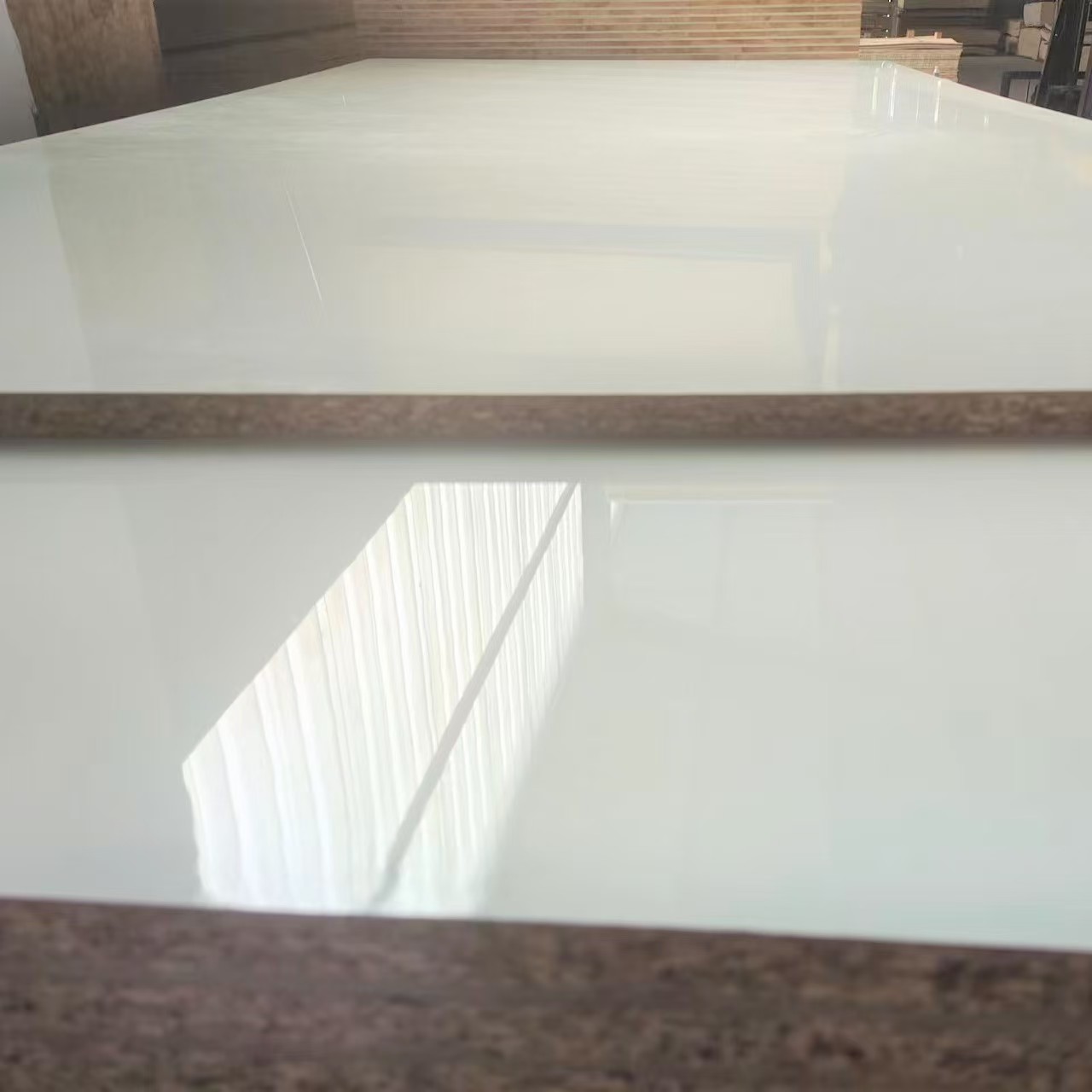
في قطاع ديكورات interiors، تشهد خيارات المواد تحوّلًا سريعًا مع تركيز المصممين والمقاولين وأصحاب المنازل بشكل متزايد على الاستدامة والمتانة والتنوع الجمالي. ومن بين المواد التي تكتسب زخمًا كبيرًا في هذا المجال، يبرز لوح الـPET كخيار جذّاب يتماشى مع المسؤولية البيئية ومتطلبات التصميم الحديث. وإن ازدياد شعبيته ليس مجرد صيحة تسويقية عابرة، بل هو انعكاسٌ حقيقيٌّ لتلاقي الأداء العملي الممتاز، والتصنيع الصديق للبيئة، وتوقعات المستهلكين المتغيرة التي تعيد تشكيل طريقة تصوُّر المساحات الداخلية وبنائها.
يتطلب فهم سبب تحوُّل لوح الـPET إلى مادة مفضَّلة في مشاريع الديكور الداخلي الصديقة للبيئة إلقاء نظرة أقرب على ما تقدِّمه هذه المادة بالفعل— ولماذا تكتسب تلك الخصائص أهميةً بالغةً لدى المحترفين والعملاء الذين يحددون استخدامها. فمنذ خزائن المطابخ السكنية ولوحات المطابخ وحتى التشطيبات التجارية وأنظمة الأثاث الوحدية، يظهر لوح الـPET في تطبيقاتٍ تتطلَّب الجمع بين الجاذبية البصرية والسمعة البيئية القوية والأداء طويل الأمد كشرطٍ لا يمكن التنازل عنه. وتستعرض هذه المقالة الأسباب الجوهرية وراء انتشار استخدامه المتزايد، وما يجعله مناسباً بشكلٍ فريدٍ للتصميم الداخلي المستدام.
المبرِّر البيئي لاستخدام لوح الـPET في الديكور الداخلي
انبعاثات الفورمالديهايد المنخفضة وجودة الهواء الداخلي
واحدة من أبرز الأسباب البيئية التي تدفع إلى اختيار لوح الـPET في ديكورات interiors هي مساهمته في تحسين جودة الهواء الداخلي. فغالبًا ما تعتمد الألواح التقليدية المصنوعة من الخشب على مواد لاصقة وتشطيبات سطحية تطلق الفورمالديهايد والمكونات العضوية المتطايرة الأخرى تدريجيًّا مع مرور الوقت. أما لوح الـPET فيستخدم غشاءً من البولي إيثيلين تيريفثاليت يتم تطبيقه عبر عملية منخفضة الانبعاثات، مما يقلل بشكل كبير من انبعاث الغازات الضارة التي تُضعف جودة البيئة الداخلية.
هذا الأمر يكتسب أهمية بالغة في المساحات السكنية والتجارية على حد سواء، لا سيما في البيئات المغلقة مثل المطابخ وغرف النوم والمكاتب، حيث يعرّض التواجد الطويل للإنسان للمواد السامة العالقة في الهواء مخاطر حقيقية على الصحة. وتزداد متطلبات المعايير التنظيمية حول العالم صرامةً فيما يتعلق بالانبعاثات الداخلية، وتتمتّع ألواح البولي إيثيلين تيريفثاليت (PET) بموقعٍ ممتازٍ لتلبية تلك المعايير أو حتى تجاوزها. وغالبًا ما يجد المصمّمون العاملون على المشاريع الحاصلة على شهادات الاستدامة أن تحديد استخدام ألواح PET يبسّط عملية الامتثال للمعايير التي تُركّز على صحة المستخدمين.
وبعيدًا عن مجرد تلبية أدنى المتطلبات التنظيمية، فإن اختيار ألواح PET يعكس التزامًا استباقيًّا بصحة ورفاهية المستخدمين — وهي قيمة تلقى صدى قويًّا لدى العملاء والمستخدمين النهائيين المعنيين بالبيئة اليوم. ومع استمرار ازدياد الوعي بمتلازمة المباني المريضة وقضايا جودة الهواء، تصبح هذه الميزة المميزة للمادة نقطة بيع حقيقية في مشاريع الديكور الداخلي الصديقة للبيئة.
قابلية إعادة التدوير وتقليل هدر المواد
تُستمد المادة السطحية للوحة الـPET من تيريفثالات البولي إيثيلين، وهي بوليمر يُعترف بها على نطاق واسع باعتبارها واحدةً من أكثر أنواع البلاستيك قابليةً لإعادة التدوير المستخدمة اليوم. ويتفق هذا الخصوص مباشرةً مع مبادئ الاقتصاد الدائري التي تشكّل بشكل متزايد قرارات الشراء في قطاعَي البناء والديكور الداخلي. وعندما يصل المشروع إلى نهاية عمره الافتراضي أو يخضع لإعادة تأهيل، يمكن معالجة مكونات لوحة الـPET عبر سلاسل إعادة التدوير المُنشأة بدلاً من إرسالها مباشرةً إلى المكبات.
الركيزة الموجودة تحت فيلم البولي إيثيلين تيريفثاليت (PET) هي عادة خشب هندسي—غالبًا ما يكون خشب رقائقي أو لوح ألياف متوسطة الكثافة (MDF)—ويمكن أن يُستخلص هذا الخشب نفسه من غابات تُدار بشكل مستدام ومرخصة. وبهذا التجميع، فإن لوحة البولي إيثيلين تيريفثاليت (PET) تعالج عدة أبعاد للمسؤولية البيئية في آنٍ واحد: الاستخلاص المستدام للمواد الأساسية وإمكانية إعادة تدوير الطبقة السطحية. وللمشاريع التي تسعى إلى الحصول على شهادات بيئية أو التي تهدف إلى تقليص بصمتها المادية الإجمالية، فإن هذه الميزة المزدوجة تُعد جذّابة للغاية.
كما حقّق مصنعو لوحات البولي إيثيلين تيريفثاليت (PET) تقدّمًا في تقليل الهدر أثناء عملية التصنيع نفسها، من خلال تحسين عمليات القطع والتصفيح لتقليل القطع الزائدة والنفايات الناتجة عن التصنيع. وهذه المكاسب في الكفاءة تعني أن القصة البيئية لألواح البولي إيثيلين تيريفثاليت (PET) تمتد من استخلاص المواد الأولية وحتى التخلّص منها في نهاية عمرها الافتراضي، مما يجعلها خيارًا شاملًا فعليًّا لديكورات الداخل الصديقة للبيئة.
تنوّع جمالي يدعم أهداف التصميم المستدام
تشطيبات لامعة ومتلألئة للديكورات الداخلية العصرية
لطالما حملت المواد المستدامة عبئًا سمعيًّا تاريخيًّا يتمثَّل في مظهرها الوظيفي أو المقيِّد جماليًّا — وهي فرضية تتحدى لوحة الـ PET جذريًّا. وتتوفر لوحة الـ PET بكلٍّ من التشطيبات اللامعة والمتلألئة، وتوفِّر الجودة البصرية الرفيعة التي يطلبها مصممو الديكور الداخلي المعاصرون دون الحاجة إلى طلاء إضافي أو تلميع أو معالجات كيميائية نهائية، والتي كانت ستُسبِّب بدورها مخاوف بيئية خاصة بها.
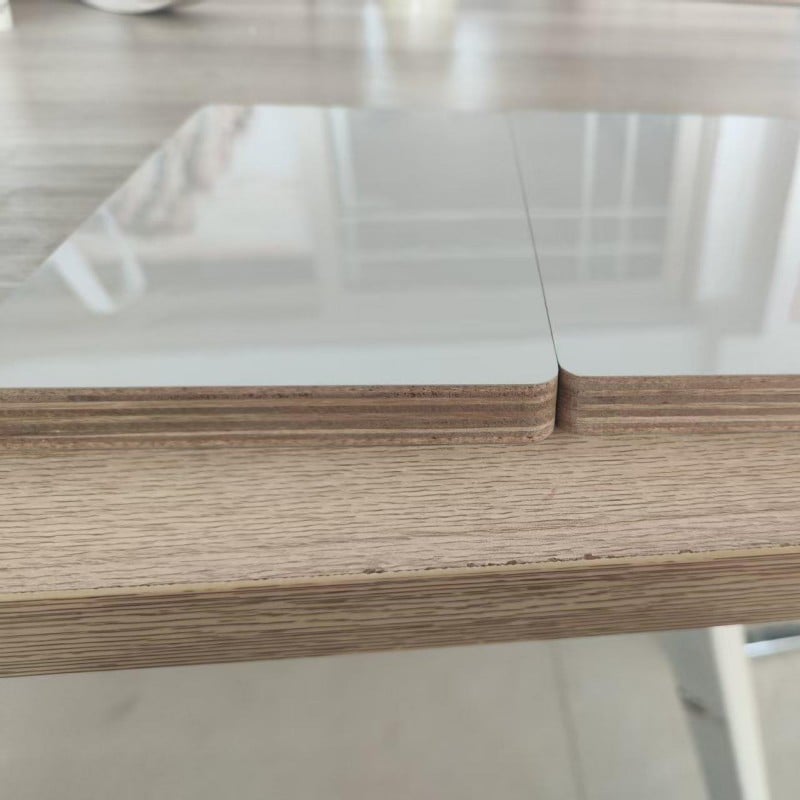
تُنشئ أسطح ألواح البولي إيثيلين تيريفثاليت (PET) عالية اللمعان تشكيلاً أنيقًا وعكسيًا، وهي مفضلة بشكل خاص في خزائن المطابخ الحديثة وأثاث الحمامات، حيث يخلق التفاعل بين الضوء والسطح مظهرًا فاخرًا. أما التشطيبات غير اللامعة، من ناحية أخرى، فتوفر مظهرًا راقًٍا منخفض الانعكاس أصبح سائدًا في أنماط الديكور الداخلي ذات الطابع البسيط والمستوحاة من النمط الإسكندنافي. وبما أن كلا نوعي التشطيب يتم تحقيقهما عبر فيلم البولي إيثيلين تيريفثاليت (PET) نفسه — وليس عبر طلاءات أو ورنيشات مطبَّقة — فهذا يعني أنه لا حاجة لأي عمليات كيميائية إضافية، ما يحافظ على النظافة البيئية للمنتج.
هذا المرونة الجمالية تعني أن تحديد لوحة الـPET لا يتطلب من المصممين التنازل عن النتائج البصرية لتحقيق أهداف الاستدامة. ويمكن للمشاريع أن تحقق نتائج فاخرة ومُنفَّذة بمستوى احترافي، مع الحفاظ في الوقت نفسه على سجلٍ بيئي قوي يُقدَّم للعملاء وهيئات الاعتماد. ويُثبت هذا المادة أن كونها صديقة للبيئة لا يتعارض بالضرورة مع كونها جذّابة بصريًّا في ديكورات الداخل.
اتساق اللون ومتانة السطح مع مرور الزمن
مشاريع تزيين المناطق الداخلية هي استثمارات طويلة الأجل، ويؤثر متانة المواد السطحية مباشرةً على مدى استدامة أداء هذه الاستثمارات على مرّ السنين. وتتميّز ألواح الـPET بمقاومة استثنائية للخدوش والرطوبة وتصبّغ الأشعة فوق البنفسجية والتآكل الناتج عن الاستخدام اليومي — وهي صفاتٌ تمدّد العمر الافتراضي للأثاث وخزائن المطبخ والألواح الجدارية إلى ما هو أبعد بكثيرٍ مما يمكن أن تحققه العديد من المواد البديلة. وبذلك فإن السطح الأكثر دواماً يعني استبدالاً أقل تكراراً، ما يُترجم مباشرةً إلى خفضٍ في استهلاك الموارد وإنتاج النفايات طوال عمر التثبيت الداخلي.
يُقدَّر اتساق لون لوحة الـPET بشكل خاص في بيئات الديكور الداخلي الاحترافية. وبما أن اللون والنمط مدمجان داخل طبقة فيلم الـPET بدلًا من تطبيقهما كطبقة سطحية، فإن السطح يحتفظ بمظهره حتى تحت الإجهادات الميكانيكية الناتجة عن الاستخدام اليومي. فعلى سبيل المثال، تتعرَّض أبواب خزائن المطبخ للتعامل المستمر والتنظيف والتعرُّض للحرارة والرطوبة — وهي ظروفٌ تؤدّي عادةً مع البدائل المطلية أو المغلفة باللاكيه إلى باهت اللون أو تقشُّر الطلاء أو تغيُّر اللون مع مرور الزمن.
من منظور الاستدامة، تكتسب هذه المتانة أهميةً بالغة. فدورات استبدال التشطيبات الداخلية تُشكِّل مصدرًا كبيرًا لنفايات البناء واستهلاك الموارد. وباختيار لوحة الـPET، يتخذ محددو المواصفات للمشاريع قرارًا يُحقِّق عوائد بيئية على مدى عقود، وليس فقط في الفترة الفورية التالية للتثبيت. وبهذا المعنى، تُعَدُّ المتانة نفسها سمةً صديقةً للبيئة.
المزايا العملية للأداء التي تحفِّز التبني
سهولة التشكيل والتركيب
وبالإضافة إلى مزاياها البيئية، اكتسب لوح البولي إيثيلين تيريفثاليت (PET) اعتمادًا واسع النطاق في مشاريع الديكور الداخلي لأنه سهل الاستخدام فعليًّا. ويمكن قصُّه وتنميطه وحفره وتزيين حوافه باستخدام معدات النجارة القياسية، دون الحاجة إلى آلات متخصصة أو مهارات فنية إضافية. وهذه السهولة العملية تجعله خيارًا جذّابًا لمُصنِّعي المكونات ومُركِّبيها الذين يحتاجون إلى الحفاظ على سير العمل بكفاءة دون تحمل تكاليف التغييرات في العمليات أو الاستثمارات في أدوات جديدة.
السوق لوحات الحيوانات الأليفة ويتوفر هذا اللوح بمقاسات صفائح قياسية، عادةً ما تكون 1220 × 2440 مم، وهو متوافر بمجموعة من السماكات تتراوح بين ٩ مم و١٨ مم، مما يوفِّر المرونة الأبعادية المطلوبة لمختلف التطبيقات الداخلية. سواء أُستُخدم في هيكل خزائن المطبخ ذات الارتفاع الكامل، أو أبواب الخزائن، أو تغليف الجدران، أو أنظمة التقسيم الزخرفية، فإن هذه المادة تتكيف بفعالية مع المهمة المطلوبة دون الحاجة إلى إنتاج مخصص أو تخصيص مفرط للمواد.
كما أن إنهاء حواف لوحة البولي إيثيلين تيريفثاليت (PET) بسيطٌ للغاية، مع توفر شرائط تغليف الحواف المتوافقة لإنشاء ألواح مُنفَّذة بشكل احترافي وبسلاسة تامة. ويكتسب هذا الأمر أهميةً بالغةً في تطبيقات التزيين الداخلي عالية الوضوح، حيث يسهم جودة تفاصيل الحواف مساهمةً فاعلةً في القيمة المدرَكة والمهارة الحرفية للتركيب النهائي. ويساعد سهولة تحقيق حواف نظيفة ومتناسقة دون الحاجة إلى عمليات متخصصةٍ إضافيةٍ في دعم اعتماد هذه المادة على نطاق واسعٍ في مختلف سياقات الديكور الداخلي.
المقاومة ضد الرطوبة والمواد الكيميائية للبيئات الصعبة
تتطلب مشاريع الديكور الداخلي بشكلٍ متزايدٍ موادًا قادرةً على الأداء الموثوق به في الظروف البيئية الصعبة — مثل المطابخ والحمامات والأماكن التجارية الخاصة بالأغذية الخدمة المساحات المكتبية، والمرافق التعليمية، والبيئات الصحية تُشكِّل جميعها تحدياتٍ يصعب على الألواح الخشبية القياسية تلبية متطلباتها. ويواجه لوح الـPET هذه التحديات مباشرةً بفضل مقاومته الجوهرية للرطوبة والمرونة الكيميائية لسطحه المصنوع من تيريفثالات البولي إيثيلين، ما يجعله مناسبًا للمساحات التي تتعرَّض بانتظام للماء ومواد التنظيف والتقلبات في مستويات الرطوبة.
وبالنسبة للبيئات المطبخية على وجه التحديد، فإن مقاومة لوح الـPET للدهون والأحماض الغذائية ومنظفات المنازل الشائعة المنتجات تعني أن الأسطح تحتفظ بمظهرها وسلامتها الهيكلية في ظل الظروف التي تؤدي إلى تدهور المواد البديلة بسرعة. وهذه الميزة الأداءية ليست مجرد راحةٍ فحسب، بل تدعم حُجَّة الاستدامة بشكل مباشرٍ من خلال إطالة عمر التركيب التشغيلي وتأجيل استهلاك الموارد المرتبط باستبداله أو تجديده.
للمشاريع التجارية لديكورات interiors في قطاعات مثل الضيافة والتجزئة والرعاية الصحية، فإن مقاومة لوحة الـPET للمواد الكيميائية تدعم متطلبات النظافة والمتانة التشغيلية على حد سواء. ويستفيد فرق إدارة المرافق من الأسطح التي يمكنها تحمل بروتوكولات التنظيف الصارمة دون أن تتدهور، مما يقلل من تكاليف الصيانة ويمدّد فترات التجديد المجدولة. وتدعم هذه الفوائد التشغيلية العملية قيمة لوحة الـPET الشاملة في البيئات الداخلية الصديقة للبيئة والخاضعة لمتطلبات تجارية صعبة.
العوامل السوقية والصناعية الدافعة وراء الارتفاع الحاد في الطلب على لوحات الـPET
ازدياد الطلب من العملاء على شهادات المباني الخضراء
أدى التوجه نحو شهادات البناء الأخضر مثل LEED وBREEAM وWELL إلى إنشاء حوافز سوقية منظمة لتحديد مواد التشطيب الداخلية الصديقة للبيئة. ويُلبي لوح البولي إيثيلين تيريفثاليت (PET) عدة معايير ضمن هذه الأنظمة التقييمية—مُساهِمًا في ائتمانات جودة الهواء الداخلي بفضل انبعاثاته المنخفضة، ومُمكّنًا في الوقت نفسه الحصول على ائتمانات المواد عبر استخدام ركائز معتمدة في التوريد، كما يوفّر مزايا تتعلق بالمتانة تتماشى مع معايير الأداء خلال دورة الحياة. ومع استهداف مشاريع تجارية وسكنية متزايدة الحصول على شهادات خضراء رسمية، فإن تحديد لوح PET لم يعد مجرد خيار أخلاقي فحسب، بل أصبح خيارًا استراتيجيًّا مفيدًا.
يُبلِغ مصممو الديكور الداخلي ومقاولو التشطيب بشكلٍ متزايد عن أنَّ عملاءهم يحضرون إلى المحادثات الأولية الخاصة بالمشاريع مع تحديد الحصول على شهادة الاستدامة الخضراء كهدفٍ معلنٍ، بدلًا من كونها طموحًا اختياريًّا. ويترتب على هذا التحوُّل ضرورة اتخاذ قراراتٍ تتعلَّق بالمواد مع أخذ متطلبات الشهادات في الاعتبار منذ المراحل التصميمية الأولى. ويندمج لوح البولي إيثيلين تيريفثاليت (PET) بسلاسةٍ في هذه العملية، لأنَّ خصائصه البيئية موثَّقةٌ ومتسقةٌ ومتوافقةٌ مع المعايير المحددة التي يقيِّمها مُقدِّمو الشهادات الخضراء.
كما أنَّ ديناميكية السوق المُتحفِّزة بالشهادات تخلق تأثيرًا تراكميًّا: فكلَّما زاد عدد المشاريع التي حددت استخدام لوح PET وحقَّقت الشهادة الخضراء باستخدامه، زاد سجلُّ هذا اللوح في المشاريع الحاصلة على تصنيف أخضر، ما يعزِّز بدوره ثقة الجهات المُحدِّدة للمواد التي تنظر في استخدامه لأول مرة. وهذه الدورة الإيجابية تُسرِّع من اعتماد لوح PET على نطاق واسع، وبطرقٍ تتجاوز القرارات المتعلقة بكل مشروعٍ على حدة.
التوافق مع قيم الاستدامة لدى المستهلكين
المستهلكون النهائيون — أي أصحاب المنازل، والمستأجرين، والسكان الذين يعيشون ويعملون في المساحات الداخلية المُزينة — أصبحوا أكثر صراحةً بشأن قيمهم البيئية وتوقعاتهم. وتُظهر الأبحاث باستمرار أن المواد الداخلية المستدامة تُعدّ إشارة إيجابية عند الشراء بالنسبة لشريحة متزايدة من مشتري المساكن والمستأجرين التجاريين. وباستطاعة المطورين وشركات الديكور الداخلي التي تحدد استخدام لوح الـPET أن تنقل إلى هذه الفئات قصة بيئية ملموسةٌ وموثوقة، بدلًا من الاعتماد على ادعاءات غامضة مثل «صديقة للبيئة».
يهم الجاذبية البصرية للوحة الـPET في هذا السياق الموجَّه إلى المستهلك أيضًا. فالخيارات المستدامة التي تُقدِّم مظهرًا جماليًّا منقوصًا قد تشكِّل تحديًّا كبيرًا في تسويقها للمشترين المهتمِّين بالتصميم. وتزيل لوحة الـPET هذه العقبة من خلال تقديم تشطيبٍ فاخرٍ عصريٍّ من النوع الذي يبحث عنه المشترون بنشاط، مع تحقيق الخصائص البيئية التي تتماشى مع قيمهم. وهذه المزاوجة بين الجاذبية والمسؤولية تشكِّل عرضًا تسويقيًّا قويًّا يدركه محترفو الديكور الداخلي ويستفيدون منه بفعالية.
وباستمرار اشتداد الضغوط الاجتماعية والتنظيمية المفروضة على قطاعَي البناء والديكور الداخلي، فإن التوافق بين خصائص لوحة الـPET والقيم السائدة المتعلقة بالاستدامة يجعل منها مادةً تتمتَّع بزخم سوقيٍّ قويٍّ على المدى الطويل. فهي لا تستجيب فقط للطلب الحالي، بل إنها مُرتَّبة هيكليًّا بما يتماشى مع الاتجاه الذي يسير فيه القطاع، ما يبشر باستمرار اعتمادها وتوسُّع نطاق استخدامها.
الأسئلة الشائعة
ما الذي يجعل لوح الـPET مختلفًا عن اللوح المغطى بالميلامين القياسي في ديكورات interiors؟
يستخدم لوح الـPET سطحًا من فيلم البولي إيثيلين تيريفثاليت بدلًا من ورق راتنج الميلامين المستخدم في الألواح المغطاة بالميلامين القياسية. ويمنح هذا اللوحَ خصائص متفوقة من حيث المرونة، ومقاومة أفضل للتأثيرات الميكانيكية، وانبعاثات أقل بكثير من الفورمالديهايد. كما أن سطح الـPET أكثر مقاومةً للرطوبة والخدوش، ما يجعله خيارًا أكثر متانةً وأمانًا بيئيًّا لتطبيقات ديكورات interiors مثل خزائن المطبخ، وخزائن الملابس، وتغليف الجدران.
هل يُعد لوح الـPET مناسبًا للاستخدام في مشاريع ديكورات interiors السكنية والتجارية على حدٍّ سواء؟
نعم، تُعد ألواح الـPET مناسبة جدًّا لكلٍّ من سياقات الديكور الداخلي السكني والتجاري. وفي البيئات السكنية، تُستخدم عادةً في خزائن المطبخ وأثاث غرف النوم ووحدات الحمامات. أما في البيئات التجارية، فتظهر في تركيبات المكاتب والداخلية المتاجر والمساحات الفندقية ومرافق الرعاية الصحية، حيث تكتسب النظافة والمتانة والاتساق الجمالي أهميةً بالغة. وبفضل توافرها بعدة سماكات وأسطح مختلفة، يمكن تكييفها لتناسب المتطلبات الخاصة بكل نوع من أنواع المشاريع.
كيف يساهم لوح الـPET في تحقيق شهادة المباني الخضراء؟
تساهم لوحات البولي إيثيلين تيريفثاليت (PET) في الحصول على شهادات المباني الخضراء عبر عدة مسارات. فانبعاثاتها المنخفضة من الفورمالديهايد تدعم ائتمانات جودة الهواء الداخلي ضمن أنظمة التقييم مثل نظام LEED ونظام BREEAM. كما أن مادة سطحها القابلة لإعادة التدوير، بالإضافة إلى إمكانية توريد الركيزة المعتمدة، تسهم في ائتمانات المواد. وبفضل متانتها، فإنها تقلل من الآثار الناجمة عن الاستبدال خلال دورة حياتها، وهي ميزة ذات صلة باعتمادات الأداء البيئي الطويل الأمد. وينبغي لمُحدِّدي المواصفات مراجعة المعايير المحددة لنظام الشهادة المستهدف لديهم لتحديد الاعتمادات التي يمكن أن تدعمها لوحات PET بشكلٍ مباشرٍ أكثر.
ما السماكة الأكثر شيوعًا التي تُحدد عادةً للوحات البولي إيثيلين تيريفثاليت (PET) المستخدمة في تزيين داخل المطابخ والخزائن؟
لتطبيقات المطبخ والخزائن في الديكور الداخلي، يُستخدم لوح البولي إيثيلين تيريفثاليت (PET) بسماكة ١٨ مم بشكل شائع جدًّا في المكونات الإنشائية للو panels مثل هيكل الخزانة، والرفوف، ولوح الأبواب، حيث تُعد الصلابة وقدرة التحمُّل عاملين مهمين. أما الأنواع الأقل سماكةً، مثل لوح البولي إيثيلين تيريفثاليت (PET) بسماكة ٩ مم، فتُستخدم في ألواح التغليف الخلفية، ووحدات إدخال الأبواب خفيفة الوزن، والتطبيقات التي يكون فيها تقليل الوزن الكلي أولوية. ويجب أن تعكس اختيار السماكة كلاً من المتطلبات الإنشائية للتطبيق والهدف التصميمي المرئي لمشروع الديكور الداخلي.
فهرس المحتويات
- المبرِّر البيئي لاستخدام لوح الـPET في الديكور الداخلي
- تنوّع جمالي يدعم أهداف التصميم المستدام
- المزايا العملية للأداء التي تحفِّز التبني
- العوامل السوقية والصناعية الدافعة وراء الارتفاع الحاد في الطلب على لوحات الـPET
-
الأسئلة الشائعة
- ما الذي يجعل لوح الـPET مختلفًا عن اللوح المغطى بالميلامين القياسي في ديكورات interiors؟
- هل يُعد لوح الـPET مناسبًا للاستخدام في مشاريع ديكورات interiors السكنية والتجارية على حدٍّ سواء؟
- كيف يساهم لوح الـPET في تحقيق شهادة المباني الخضراء؟
- ما السماكة الأكثر شيوعًا التي تُحدد عادةً للوحات البولي إيثيلين تيريفثاليت (PET) المستخدمة في تزيين داخل المطابخ والخزائن؟