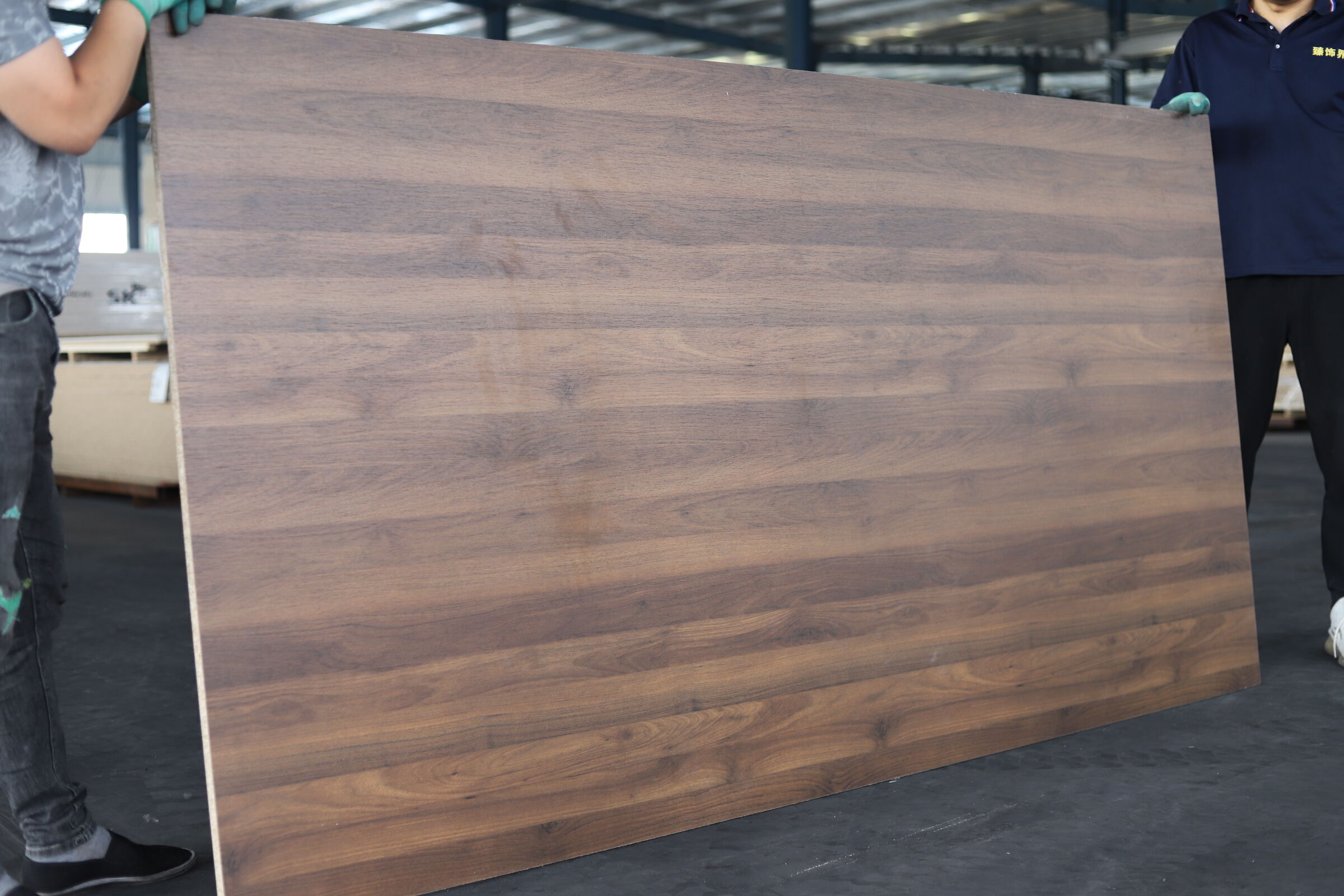
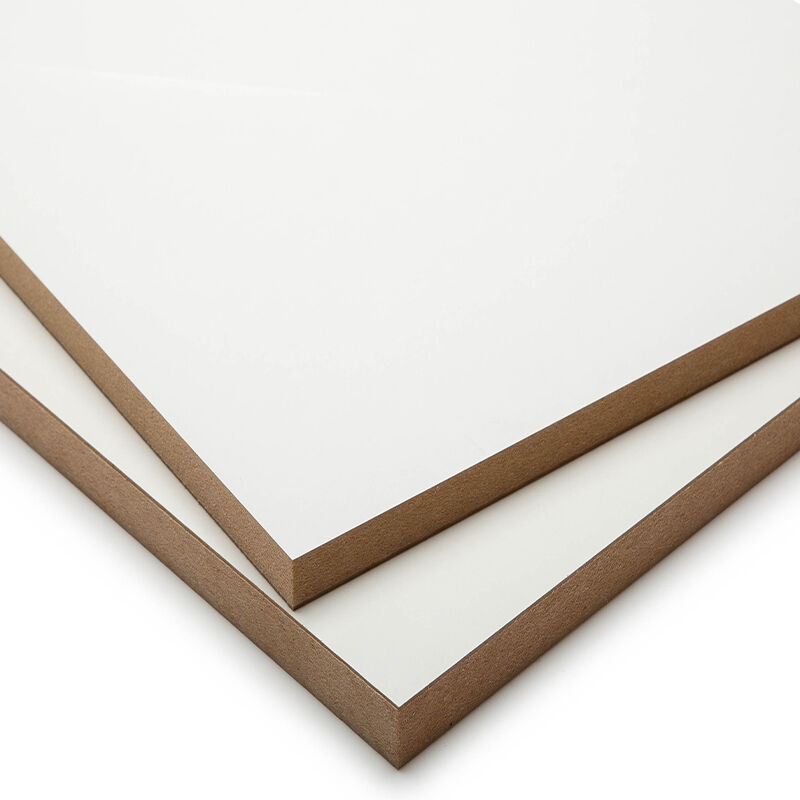
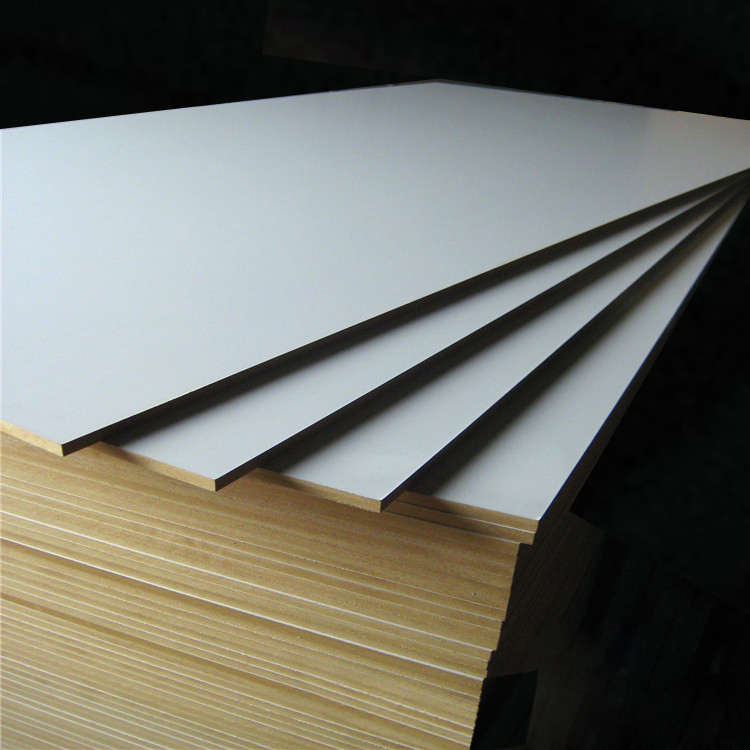
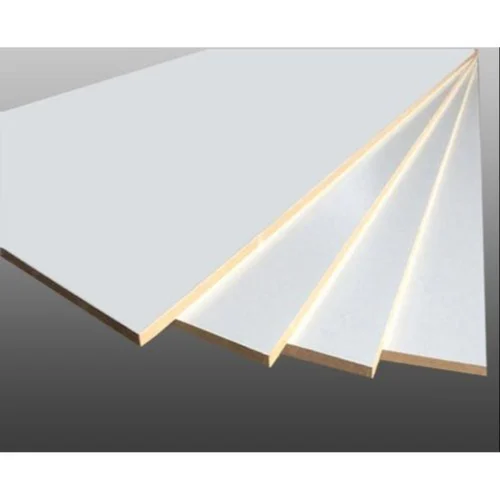
High Density MDF Material: Premium Engineered Wood Solutions for Superior Performance

Get a Free Quote

Our representative will contact you soon.
Email
Mobile/WhatsApp
Name
Company Name
Message
0/1000

high density mdf material

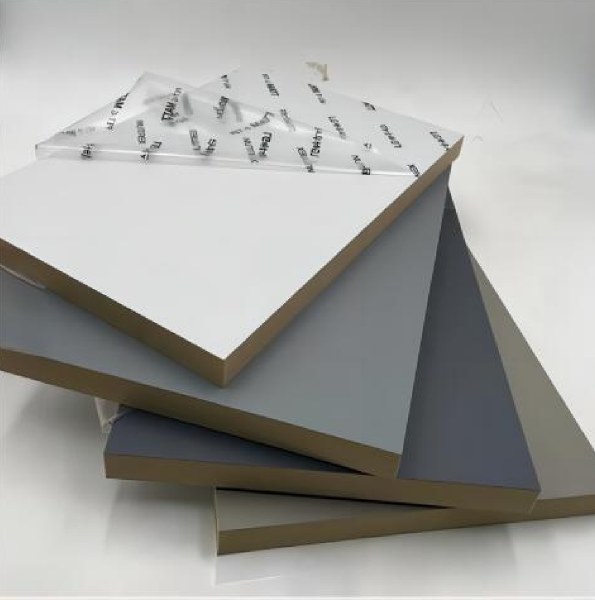
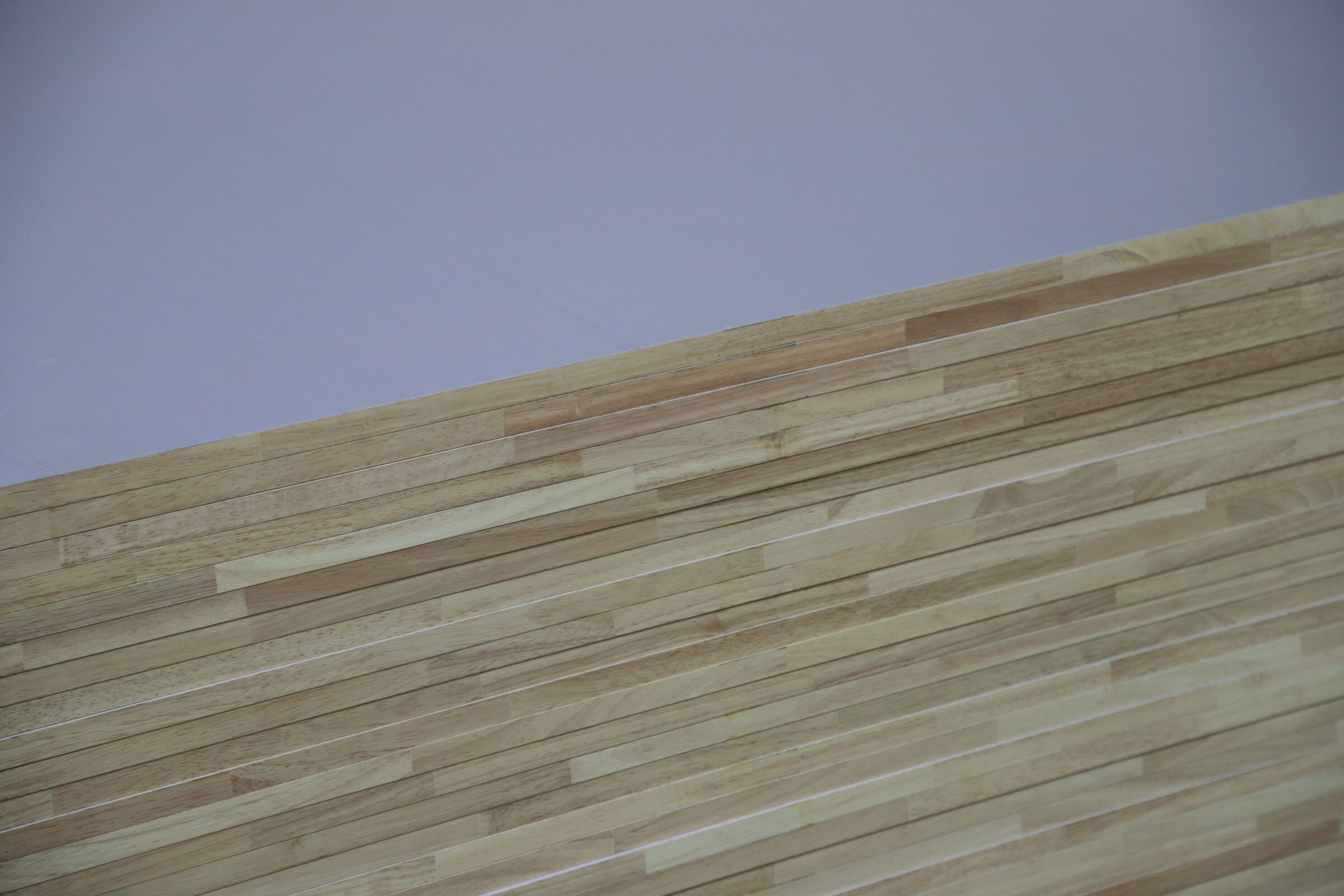
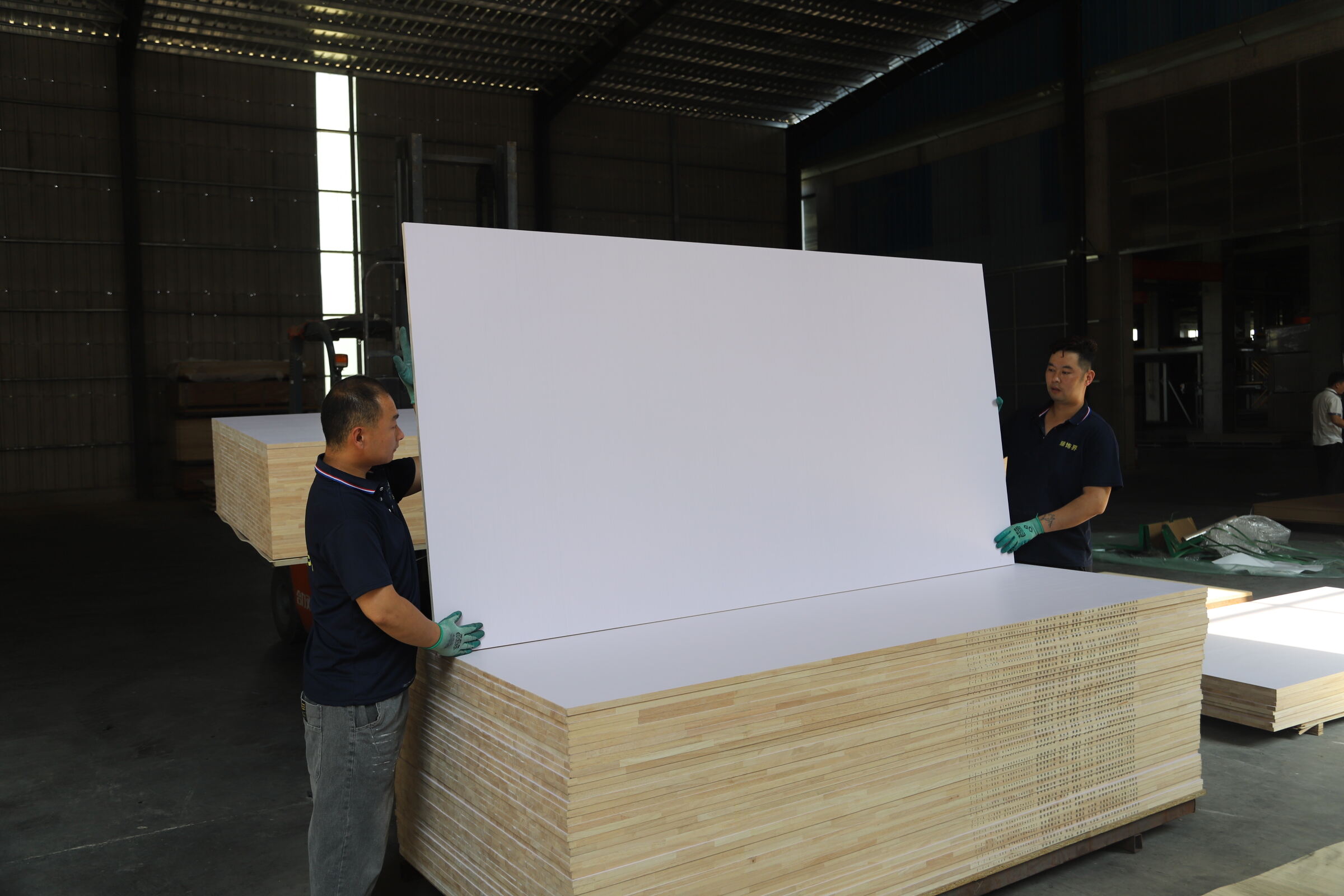
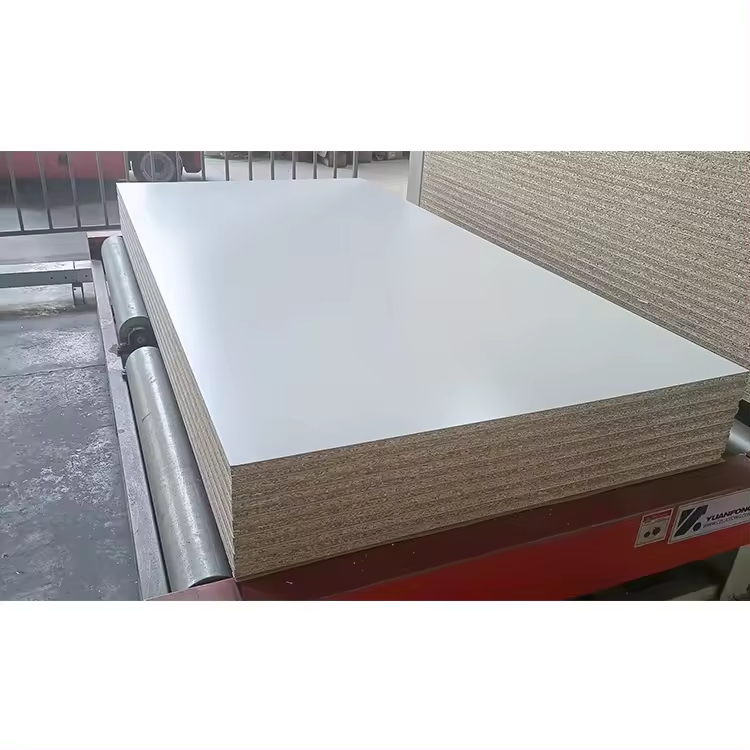
High density mdf material stands as a revolutionary engineered wood product that has transformed modern construction and furniture manufacturing industries. This composite material is created through an advanced manufacturing process that combines wood fibers with synthetic resins under extreme heat and pressure, resulting in a product with exceptional density and structural integrity. The high density mdf material typically features a density ranging from 720 to 900 kg/m³, making it significantly denser than standard MDF variants. The manufacturing process involves breaking down hardwood and softwood residuals into fine fibers, which are then mixed with wax and resin binders. These components undergo hot pressing at temperatures exceeding 200°C under pressures of 40-45 bar, creating a homogeneous panel with consistent properties throughout. The technological features of high density mdf material include superior dimensional stability, excellent screw holding capability, and outstanding machining characteristics. The material exhibits minimal expansion and contraction when exposed to moisture changes, making it ideal for applications requiring precise tolerances. Its fine, uniform grain structure allows for smooth cutting, drilling, and routing operations without splintering or tear-out. The high density mdf material also demonstrates exceptional surface quality, accepting various finishes including paints, veneers, and laminates with remarkable adhesion properties. Applications for this versatile material span across multiple industries, from architectural millwork and cabinetry to speaker enclosures and automotive components. In furniture manufacturing, high density mdf material serves as an excellent substrate for kitchen cabinets, built-in wardrobes, and high-end furniture pieces where durability and finish quality are paramount. The construction industry utilizes this material for interior trim, moldings, and decorative elements that require intricate detailing and long-term performance.

New Product Recommendations

High density mdf material offers numerous practical benefits that make it an superior choice for both professional manufacturers and DIY enthusiasts. The material delivers exceptional dimensional stability, meaning it resists warping, twisting, and shrinking even under varying temperature and humidity conditions. This stability ensures that finished projects maintain their original shape and dimensions over time, reducing maintenance costs and warranty issues. The smooth, consistent surface of high density mdf material eliminates the need for extensive preparation work before finishing, saving both time and money in production processes. Unlike natural wood, this engineered material contains no knots, grain variations, or defects, providing a perfectly uniform surface that accepts paints, stains, and veneers evenly. The machining properties of high density mdf material surpass those of many traditional materials, allowing for precise cuts, clean edges, and intricate profiles without chipping or splintering. This characteristic enables manufacturers to create complex designs and detailed work that would be difficult or impossible with natural wood. The material demonstrates excellent screw retention properties, holding fasteners securely without splitting or cracking. This feature proves invaluable in applications requiring multiple assembly and disassembly cycles. High density mdf material also exhibits superior acoustic properties, making it an ideal choice for speaker cabinets, sound barriers, and recording studio applications where sound quality matters. The dense structure effectively dampens vibrations and reduces unwanted resonance. From an environmental perspective, high density mdf material utilizes wood waste and fast-growing timber species, making it a sustainable alternative to solid hardwoods. This eco-friendly characteristic appeals to environmentally conscious consumers and meets green building standards. The material provides consistent availability and pricing compared to natural wood, which can fluctuate based on seasonal factors and market conditions. Cost-effectiveness represents another significant advantage, as high density mdf material typically costs less than comparable solid wood products while delivering superior performance in many applications. The material requires minimal waste during manufacturing and installation, contributing to overall project efficiency. Additionally, high density mdf material offers excellent fire resistance properties when treated with appropriate additives, enhancing safety in commercial and residential applications.

Latest News

How Durable Is Particleboard For Interior Applications?

03

Mar

How Durable Is Particleboard For Interior Applications?

When selecting materials for interior applications, understanding the durability characteristics of particleboard becomes essential for making informed decisions. This engineered wood product has gained significant popularity in residential and comme...
View More
Is Particleboard Suitable For Commercial Fit-Out Works?

13

Mar

Is Particleboard Suitable For Commercial Fit-Out Works?

Commercial fit-out projects demand materials that balance cost-effectiveness, durability, and aesthetic appeal. Particleboard has emerged as a versatile solution for various commercial applications, offering contractors and designers a reliable engin...
View More
What Is Chipboard Particle Board Used For Today?

18

Mar

What Is Chipboard Particle Board Used For Today?

The versatility and cost-effectiveness of chipboard particle board have made it an essential material in modern construction, furniture manufacturing, and interior design applications. This engineered wood product, created from wood chips, sawmill sh...
View More
Why Choose Chipboard Particle Board For Cabinets?

23

Mar

Why Choose Chipboard Particle Board For Cabinets?

Modern kitchen and furniture design increasingly relies on engineered wood products that deliver exceptional performance, durability, and cost-effectiveness. Among these materials, chipboard particle board has emerged as a leading choice for cabinet ...
View More

Get a Free Quote

Our representative will contact you soon.
Email
Mobile/WhatsApp
Name
Company Name
Message
0/1000

high density mdf material

Exceptional Surface Quality and Finishing Versatility

Exceptional Surface Quality and Finishing Versatility

The surface excellence of high density mdf material represents one of its most compelling features, offering manufacturers and craftspeople an unparalleled foundation for achieving professional-grade finishes. The manufacturing process creates an incredibly smooth, dense surface that eliminates the common problems associated with natural wood, such as grain raise, surface porosity variations, and fiber tear-out during machining operations. This uniform surface density ensures that paints, stains, and clear coats apply evenly without blotching or inconsistent absorption patterns. The fine fiber structure of high density mdf material creates microscopic interlocking that provides exceptional adhesion for various finishing materials, resulting in durable, long-lasting surface treatments that resist peeling, flaking, and wear. Professional furniture manufacturers particularly value this characteristic because it allows them to achieve mirror-like painted finishes that rival those found on high-end lacquered products. The material readily accepts both water-based and solvent-based finishing systems, providing flexibility in production processes and environmental compliance options. Veneer application becomes remarkably successful with high density mdf material due to its stable, flat surface that prevents telegraph-through of substrate imperfections. The consistent density prevents differential adhesive absorption that can cause veneer buckling or delamination issues common with other substrate materials. For decorative laminate applications, the smooth surface eliminates the need for additional leveling compounds or extensive sanding, reducing labor costs and production time. The material also demonstrates excellent performance with direct printing technologies, allowing for custom graphics and patterns to be applied directly to the surface. Edge finishing capabilities surpass those of particle board and standard MDF, as the high density creates clean, sharp edges that can be shaped, profiled, and finished to match the face surface seamlessly. This edge quality proves essential for visible edges in furniture and architectural millwork applications.
Superior Structural Integrity and Engineering Performance

Superior Structural Integrity and Engineering Performance

High density mdf material delivers outstanding structural performance that exceeds many traditional building materials in critical engineering applications. The advanced manufacturing process creates a homogeneous structure with consistent mechanical properties throughout the entire panel thickness, eliminating weak spots and performance variations that plague natural wood products. The material exhibits exceptional bending strength and modulus of elasticity values that make it suitable for load-bearing applications in furniture and construction projects. This structural reliability stems from the uniform fiber distribution and optimized resin content that creates strong inter-fiber bonds throughout the material matrix. The high density mdf material demonstrates remarkable resistance to impact damage, making it ideal for high-traffic applications such as commercial cabinetry, retail fixtures, and institutional furniture. The dense structure absorbs and distributes impact forces effectively, preventing localized damage that might compromise structural integrity. Screw holding power represents another critical engineering advantage, with the material providing superior fastener retention compared to particle board and many solid wood species. The dense fiber matrix grips screws tightly while distributing withdrawal forces across a larger area, reducing the likelihood of fastener failure or pullout. This characteristic proves essential in applications requiring repeated assembly and disassembly or those subject to dynamic loading conditions. The material maintains dimensional stability across a wide range of environmental conditions, with minimal expansion and contraction compared to solid wood. This stability prevents joint separation, door and drawer binding, and other problems associated with dimensional movement in wooden structures. High density mdf material also exhibits excellent fatigue resistance, maintaining its structural properties under repeated loading cycles that might cause failure in other materials. The engineered nature of the material allows for consistent quality control and predictable performance characteristics, enabling engineers and designers to specify exact properties with confidence. This reliability reduces safety factors and allows for more efficient structural designs.
Environmental Sustainability and Economic Value

Environmental Sustainability and Economic Value

High density mdf material represents a significant advancement in sustainable manufacturing practices, transforming wood waste and fast-growing timber species into high-performance building materials that reduce environmental impact while delivering exceptional economic value. The production process utilizes wood residuals from sawmill operations, including chips, shavings, and sawdust that would otherwise be discarded or burned, effectively recycling these materials into valuable products. This waste utilization reduces landfill burden and eliminates the need to harvest additional timber for many applications, contributing to forest conservation efforts. The material incorporates fast-growing hardwood and softwood species that can be sustainably harvested without depleting old-growth forests or endangered tree populations. Modern manufacturing facilities employ closed-loop systems that minimize waste generation and maximize resource efficiency, with production scraps being recycled back into the manufacturing process. The formaldehyde emissions from high density mdf material have been significantly reduced through advanced resin technologies, with many products now meeting or exceeding strict environmental standards such as CARB Phase 2 and EPA regulations. The economic advantages of high density mdf material extend beyond initial cost savings to include reduced installation time, lower maintenance requirements, and extended service life compared to many alternative materials. The consistent pricing and availability shield customers from the market volatility associated with solid wood products, enabling more predictable project budgeting and cost control. The material eliminates the waste typically associated with solid wood defects, knots, and grain variations, resulting in higher yield rates and reduced material costs per finished project. Transportation costs are optimized due to the material's consistent dimensions and efficient packaging capabilities, reducing shipping expenses compared to solid lumber products. The long service life of high density mdf material products reduces replacement frequency and lifecycle costs, providing excellent return on investment for both commercial and residential applications. Manufacturing efficiency gains from the material's excellent machining properties translate to reduced labor costs and faster production cycles, benefits that are often passed along to end customers through competitive pricing.

Get a Free Quote

Our representative will contact you soon.
Email
Mobile/WhatsApp
Name
Company Name
Message
0/1000