 EN
EN

Moderne møbelfremstilling krever i økende grad materialer som kombinerer holdbarhet, estetikk og miljøansvar. PET-plater har dukket opp som en revolusjonerende løsning som tilfredsstiller disse kravene, samtidig som de tilbyr bedre ytelsesegenskaper enn tradisjonelle trebaserte produkter . Dette innovative materialet representerer en betydelig fremskritt innen bærekraftig bygging og møbelfremstilling, og gir produsenter og forbrukere et miljøvennlig alternativ uten kompromisser når det gjelder kvalitet eller funksjonalitet.
Forstå sammensetningen av PET-platematerialet
Kjernematerialstruktur
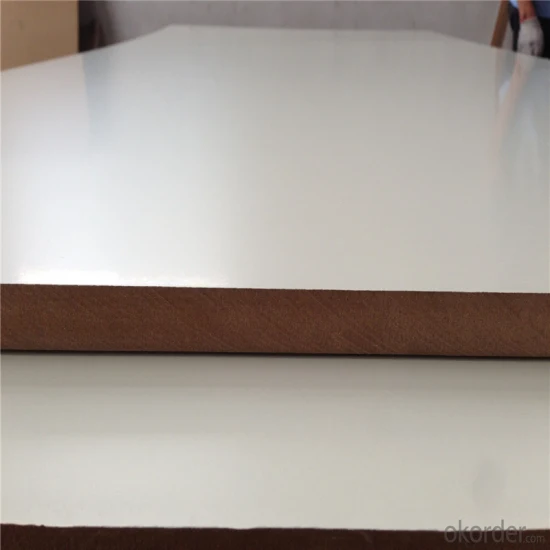
Kjærtreplate består av en treplate- eller MDF-kjerne (medium-density fiberboard) som fungerer som underlaget. Dette konstruerte trebaserte underlag gir strukturell integritet og dimensjonell stabilitet, som er avgjørende for møbelformål. Kjernematerialet gjennomgår en nøyaktig bearbeiding for å sikre jevn tetthet og optimale limsegenskaper, og skaper dermed et pålitelig grunnlag for etterfølgende lagprosesser.
Kjernen av treplate bruker gjenvunnet trefiber og savverksavfall, og omformer det som ellers ville vært avfall til verdifulle byggekomponenter. Denne fremgangsmåten maksimerer ressursutnyttelsen samtidig som den opprettholder styrken og bearbeidbarheten som kreves i profesjonell møbelfremstilling. Den konstruerte naturen til kjernen tillater nøyaktig kontroll over materialegenskaper og ytelsesspesifikasjoner.
PET-filmoverflatebehandling
Det karakteristiske ved pet-plater er den overflatebelegget av polyetylentereftalat (PET), som skaper et beskyttende og dekorativt ytterlag. Denne termoplastiske polymerfilmen gir eksepsjonell holdbarhet, skrapsikkerhet og fuktbestandighet som overgår tradisjonelle trefinner eller laminatoverflater. Prosesen for å påføre PET-filmen innebär varmepressing ved kontrollerte temperaturer for å sikre riktig hefting og jevn overflate.
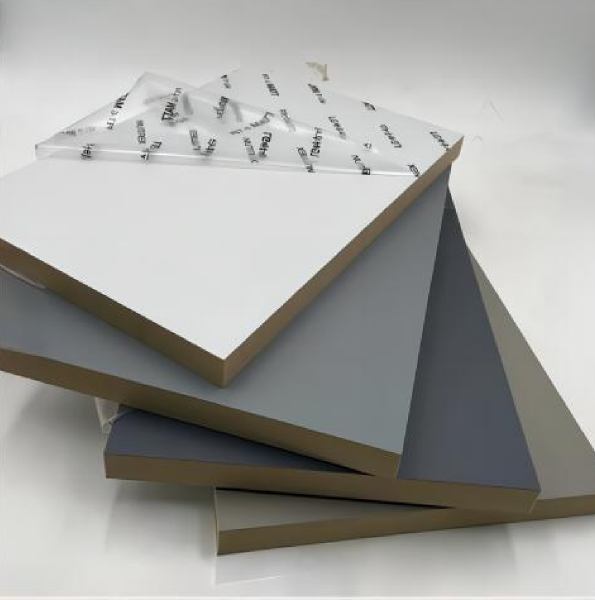
Tilgjengelig både i høyglans- og matfinish, kan PET-filmen imitere ulike tresorters fiberstruktur, enfargete overflater og samtida mønstre. Denne mangfoldigheten gjør at designere og produsenter kan oppnå ønskede estetiske resultater uten å kompromittere materialets ytelse. Filmtykkelsen ligger vanligvis mellom 0,2 mm og 0,5 mm, noe som gir en optimal balanse mellom beskyttelse og fleksibilitet under bearbeidingsprosesser.
Miljøfordelene med produksjon av pet-plater
Integrasjon av resirkulert materiale
Produksjon av pet-plater inkluderer betydelige mengder resirkulerte materialer gjennom hele fremstillingsprosessen. Kjernen av partikkelplate bruker treavfall fra forbrukere, vedrestprodukter fra sagbruker og jordbruksrester som ellers ville bidratt til opphopning på fyllplasser. Denne tilnærmingen avleder avfallsstrømmer fra deponier samtidig som den skaper verdifullt produkter til kommersielle anvendelser.
PET-filmen består også av materialer som er hentet fra resirkuleringsprogrammer som omformer brukte plastflasker og -emballasjer til overflater med høy ytelse. Denne lukkede sløyfen reduserer avhengigheten av produksjon av ny plast uten å kompromittere kvalitetskravene for pet-plate anvendelser. Integreringen av resirkulert innhold reduserer betydelig karbonfotavtrykket knyttet til materialeproduksjon og transport.
Reduserte kjemiske utslipp
Tradisjonelle trebaserte paneler bruker ofte lim som inneholder formaldehyd, noe som kan bidra til bekymringer knyttet til inneluftkvaliteten. Produksjonsprosessene for PET-plater bruker bindingsegenskaper med lav utslipp eller uten formaldehyd, som minimerer frigivelsen av flyktige organiske forbindelser (VOC) gjennom hele produktets levetid. Denne forbedringen er til nytte både for arbeidstakere i produksjonen og for sluttbrukere som kommer i kontakt med ferdige møbelprodukter.
PET-filmen på overflaten skaper en ekstra barriere som ytterligere reduserer potensielle kjemiske utslipp fra underlagmaterialet. Denne inneslutningseffekten gir langvarig beskyttelse mot fuktinntrengning og kjemisk nedbrytning, noe som utvider produktets levetid samtidig som det opprettholder sunne innemiljøer. Regelmessige tester sikrer overholdelse av internasjonale utslippsstandarder og miljøreguleringer.
Ytelsesegenskaper og anvendelser
Holdbarhet og levetid
PET-plate demonstrerer en utmerket motstand mot slitasje, skraper og støtdamage sammenlignet med tradisjonelle trefinner eller laminatflater. PET-filmen overflaten beholder sitt utseende og sine beskyttende egenskaper under normale bruksforhold, noe som reduserer behovet for nybehandling eller utskifting med tiden. Denne holdbarheten fører til lavere livssykluskostnader og redusert miljøpåvirkning gjennom en forlenget produktlevetid.
Testprotokoller vurderer ytelsen til PET-plate under ulike stressforhold, inkludert temperatursvingninger, fuktighetsendringer og mekanisk belastning. Resultatene viser konsekvent bedre stabilitet og minimal dimensjonsendring sammenlignet med massivt tre. Den teknisk utviklede konstruksjonen eliminerer naturlige trefeil som knuter, kornuregelmessigheter og sesongbetonte bevegelser som kan svekke strukturell integritet.
Fleksible designapplikasjoner
Egnethet for pet-plater strekker seg over mange møbel- og innredningsanvendelser, inkludert kjøkkenlåser, garderober, kontormøbler og butikkskylter. Materialets jevne tykkelse og overflatekvalitet gjør det mulig med nøyaktige maskinbearbeidingsoperasjoner for kompleks sammenføyning og montering av beslag. CNC-frasing, kantlaminering og boremålinger utføres problemfritt uten revninger eller splinterdannelse, som ofte forekommer ved naturlig treprodukter.
Interiørarkitekter setter pris på pet-platers evne til å oppnå moderne estetikk samtidig som den oppfyller kravene til ytelse i kommersielle og boligprosjekter. Det omfattende utvalget av overflatestrukturer og farger gir kreativ frihet uten å ofre funksjonalitet. Standardplatestørrelser dekker de fleste møbelbyggekravene, mens tilpassede dimensjoner er tilgjengelige for spesialiserte anvendelser.
Produksjonsprosess og kvalitetskontroll
Produksjonsteknologi
Produksjon av kortholdere for kjæledyr bruker avansert pressteknologi som sikrer konsekvent liming mellom underlag og overflatelag. Nøyaktig temperatur- og trykkstyring under lamineringen skaper permanent liming samtidig som delaminering eller overflatefeil unngås. Kvalitetskontrollsystemer overvåker produksjonsparametrene gjennom hele hver enkelt produksjonsrunde for å sikre overholdelse av spesifikasjonene.
Den integrerte produksjonsmetoden muliggjør effektiv materialflyt fra råmateriellforberedelse til ferdig pakking av produktet. Automatiserte håndteringssystemer minimerer manuell inngrep samtidig som konsekvente kvalitetskrav opprettholdes. Miljøkontrollsystemer regulerer temperatur, luftfuktighet og luftsirkulasjon for å optimere herdingbetingelsene og unngå feil som kan påvirke produktets ytelse.
Kvalitetsikringstesting
Komplekse testprotokoller vurderer alle aspekter av katt- og hundebrettets ytelse, inkludert overflatehardhet, limstyrke, fuktbestandighet og dimensjonell stabilitet. Akselererte aldrende tester simulerer langvarige utsatthetsforhold for å bekrefte holdbarhetskrav og identifisere potensielle sviktmodi. Regelmessig prøvetaking gjennom hele produksjonsløpet sikrer konsekvent kvalitet i leveransene til kunder og distributører.
Sertifiseringsprogrammer fra tredjepart bekrefter at katt- og hundebrett oppfyller internasjonale standarder for møbelmaterialer og inneluftkvalitet. Disse sertifikatene gir garanti til prosjekterende og sluttbrukere angående produktets sikkerhet og miljøytelse. Initiativer for kontinuerlig forbedring integrerer kundeinnspill og bransjeutviklinger for å forbedre produktkarakteristika og produksjonseffektivitet.
Økonomiske og praktiske fortrinn
Kostnadseffektiv produksjon
Pet-brett tilbyr betydelige kostnadsfordeler sammenlignet med massivt tre eller high-end finérprodukter, samtidig som det gir tilsvarende estetiske og ytelsesmessige resultater. Den standardiserte fremstillingsprosessen eliminerer variabiliteten og avfallet som er forbundet med bearbeiding av naturlig tre, noe som fører til forutsigbare materialkostnader og tilgjengelighet. Volumproduksjonsmuligheter gjør det mulig å tilby konkurransedyktige priser for storskalige møbelfremstillingsdrift.
Materialets bearbeidlingsvennlighet reduserer fremstillingsiden og slitasjen på verktøy sammenlignet med hardtrealternativer, noe som senker de totale produksjonskostnadene. Standardtrevirksomhetsutstyr kan behandle pet-brett uten behov for spesialverktøy eller modifikasjoner. Denne kompatibiliteten forenkler innføringen i eksisterende møbelfremstillingsanlegg, samtidig som produksjonseffektivitet og kvalitetsstandarder opprettholdes.
Fordeler i forsyningskjeden
Tilgjengeligheten av pet-plater forblir konstant gjennom hele året, uavhengig av sesongbetonte begrensninger for trefelling eller svingninger i tilgangen på naturlig trevirke. Standardiserte paneldimensjoner og spesifikasjoner forenkler lagerstyring og produksjonsplanlegging for møbelfabrikanter. Materiallets stabilitet under lagring og transport reduserer skader ved håndtering og tilknyttede utskiftningkostnader.
Internasjonal frakt av pet-plater viser seg å være mer effektiv enn frakt av massivt treprodukter på grunn av konstant fuktinnhold og lavere vektt-til-styrke-forhold. Denne effektiviteten fører til lavere transportkostnader og reduserte karbonutslipp knyttet til global distribusjon. Emballasjebehovet forblir minimalt på grunn av materiallets inneboende holdbarhet og motstandsevne mot skader under håndtering.
Ofte stilte spørsmål
Er pet-plater trygge å bruke innendørs og på overflater som kommer i kontakt med mat?
Kjæledyrplate oppfyller strenge sikkerhetsstandarder for innendørs bruk og holder lave utslippsnivåer som støtter sunne leveomgivelser. Overflaten av PET-film danner en ikke-porøs barriere som motstår bakterievekst og gjør det enkelt å rengjøre med vanlige husholdsprodukter. Selv om kjæledyrplate er fremragende for kabinettutvendige flater og møbelapplikasjoner, bør overflater for matberedning bruke materialer som spesifikt er sertifisert for direkte kontakt med mat for å sikre fullstendig sikkerhetskonformitet.
Hvordan sammenlignes kjæledyrplate med tradisjonelle melamin- eller laminatoverflater?
PET-plater tilbyr bedre skrapetålig og slagfast egenskaper enn standard melaminlamina, samtidig som de beholder en lignende estetisk mangfoldighet. PET-filmen på overflaten viser bedre langvarig fargestabilitet og redusert følsomhet for varmeskade fra vanlige husholdningsapparater. Fremstillingsprosessen for PET-plater innebär vanligtvis høyere trykk og temperatur, noe som skapar sterke bindingar mellom overflate- og underlagslag, og resulterer i forbedret motstand mot avblistering.
Kva vedlikehaldskrav har PET-plater for å sikre langvarig ytelse?
PET-plater krever minimal vedlikehold utover vanlig rengjøring med milde vaskemiddelløsninger og myke kluter. Den ikke-porøse overflaten motstår flekkdannelse og fuktabsorpsjon, som kan skade tradisjonelle treoverflater med tiden. Unngå bruk av slibende rengjøringsmidler og overdreven varmeeksponering for å bevare utseendet og beskyttende egenskaper til PET-filmen gjennom hele produktets lange levetid. servicelivet.
Kan pet-plater gjenbrukes ved utløpet av levetiden deres
Komponentene i pet-plater kan skilles fra hverandre og behandles gjennom passende gjenbrukskanaler når riktige demonteringsprosedyrer følges. PET-filmlaget går inn i plastgjenbruksstrømmene, mens partikkelplaten (kjerne) kan behandles gjennom systemer for gjenbruk av treavfall. Denne muligheten for gjenbruk ved utløpet av levetiden støtter prinsippene om en sirkulær økonomi og reduserer opphopingen av avfall på søppelfyllinger som følge av kassering av møbler.