 EN
EN

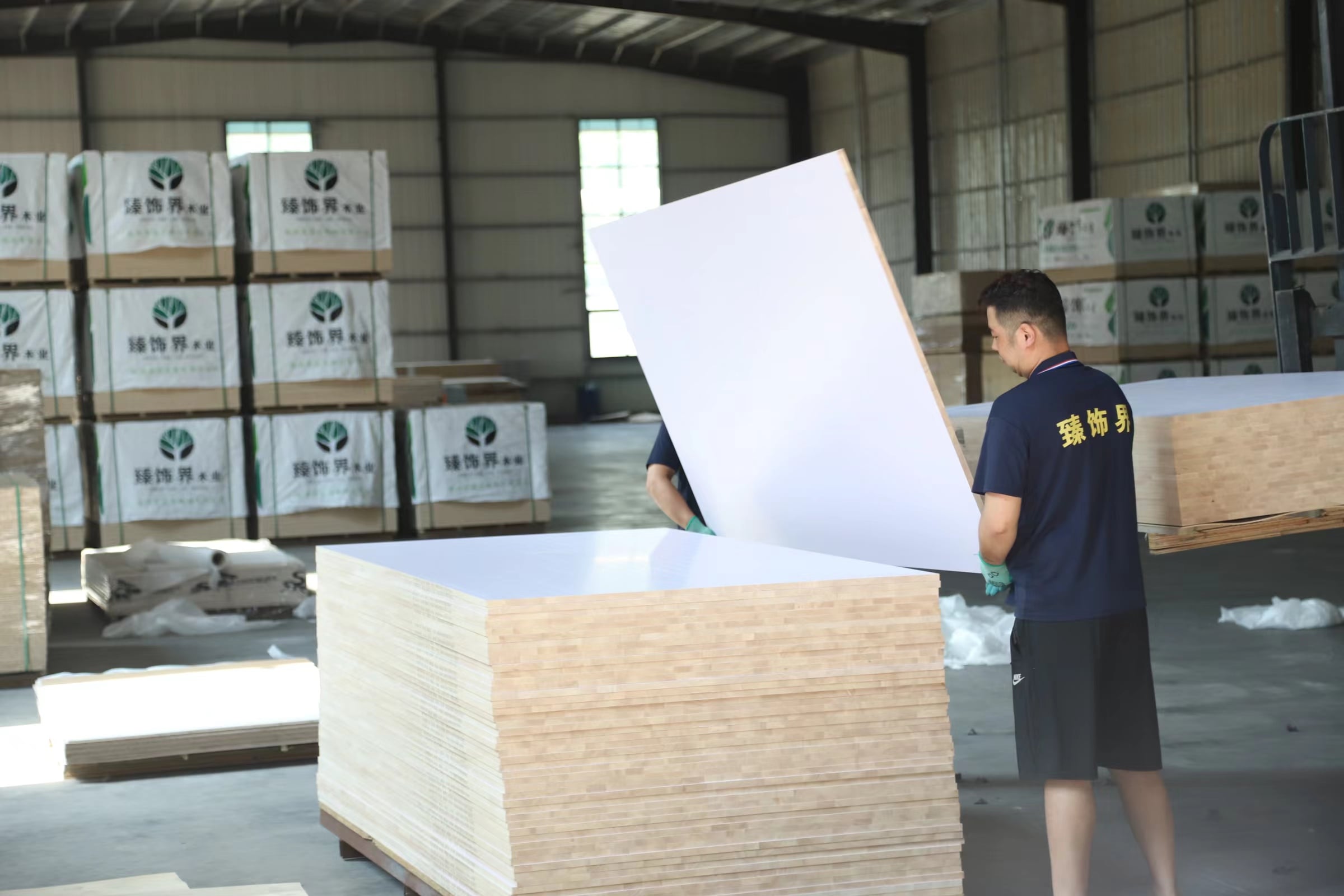
Modern meubelontwerp vereist materialen die functionaliteit, duurzaamheid en kosteneffectiviteit in evenwicht brengen, terwijl ze tegelijkertijd esthetische aantrekkelijkheid bieden. Spaanplaat is uitgegroeid tot een hoeksteenmateriaal in de hedendaagse meubelproductie en biedt unieke voordelen die perfect aansluiten bij de huidige ontwerpfilosofieën en consumentenverwachtingen. De geëngineerde samenstelling zorgt voor consistente prestatiekenmerken die traditioneel massief hout simpelweg niet kan evenaren wat betreft voorspelbaarheid en uniformiteit.
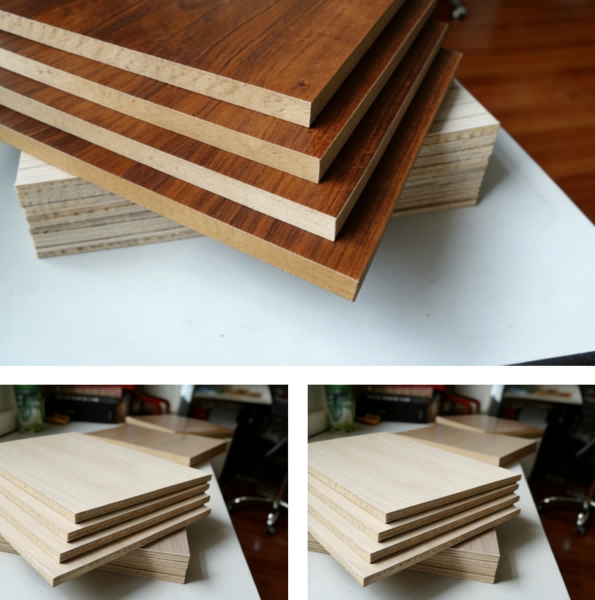
De evolutie van spaanplaattechnologie heeft deze omgevormd van een eenvoudige houtvervanging tot een geavanceerd technisch materiaal dat voldoet aan de strenge eisen van moderne meubelontwerpers. Deze transformatie lost cruciale ontwerpuitdagingen op, zoals dimensionale stabiliteit, veelzijdigheid van het oppervlak en productie-efficiëntie, die de hedendaagse meubelproductie aandrijven. Begrijpen waarom spaanplaat uitblinkt in moderne toepassingen onthult de strategische denkwijze achter materiaalkeuze op de concurrerende hedendaagse meubelmarkt.
Technische uitmuntendheid drijft ontwerpflexibiliteit
Dimensionale stabiliteit maakt precisie-ontwerp mogelijk
Spanplaat biedt een uitzonderlijke dimensionale stabiliteit die de natuurlijke houtsoorten overtreft op het gebied van voorspelbare prestaties onder wisselende omgevingsomstandigheden. Deze stabiliteit is te danken aan de geëngineerde samenstelling, waarbij houtdeeltjes worden gebonden met synthetische harsen onder gecontroleerde druk en temperatuur. Het resulterende materiaal vertoont minimale uitzetting en krimp vergeleken met massief hout, waardoor ontwerpers meubels kunnen maken met nauwkeurige toleranties en consistente afstanden tussen componenten.
Moderne meubelontwerpen omvatten vaak scherpe lijnen en exacte pasvormvereisten die materialen vereisen met betrouwbaar dimensioneel gedrag. Spanplaat biedt deze betrouwbaarheid, omdat het productieproces de natuurlijke variaties in de vezelrichting, zoals die voorkomen bij massief hout, elimineert. Deze eigenschap stelt ontwerpers in staat om exacte afmetingen met vertrouwen op te geven, wetende dat het eindproduct zijn bedoelde verhoudingen gedurende de gehele levensduur behoudt. servicehet leven.
De dimensionele consistentie van spaanplaat wordt bijzonder waardevol in modulaire meubelsystemen, waarbij meerdere onderdelen precies op elkaar moeten passen. Hedendaagse ontwerptrends naar aanpasbare en herconfigureerbare meubels zijn sterk afhankelijk van dit voorspelbare gedrag om een juiste montage en langdurige structurele integriteit te garanderen in uiteenlopende installatieomgevingen.
Oppervlakteveelzijdigheid ondersteunt creatieve expressie
Het gladde, eenvormige oppervlak van spaanplaat vormt een ideale basis voor de diverse afwerktechnieken die moderne meubelontwerpen vereisen. In tegenstelling tot massief hout met zijn inherente nerfpatronen en dichtheidsverschillen biedt spaanplaat een consistente ondergrond die fineer, laminaten en gelakte afwerkingen uitstekend aanneemt, met superieure hechting en een uniforme uitstraling. Deze oppervlakkwaliteit stelt ontwerpers in staat om nauwkeurige esthetische effecten te bereiken zonder te hoeven worstelen met materiaalonzekerheden.
Contemporary meubilair kenmerkt zich vaak door gedurfde kleuren, patronen en texturen die een betrouwbare substraatprestatie vereisen. Particleboard uitstekend geschikt voor het ondersteunen van deze ontwerpelementen, omdat zijn geëngineerde samenstelling problemen met oppervlaktetelegrafie elimineert, waarbij onregelmatigheden van het substraat zichtbaar worden door aangebrachte afwerkingen. Deze mogelijkheid breidt de creatieve vrijheid uit voor meubelontwerpers die geavanceerde oppervlaktebehandelingen willen toepassen.
De mogelijkheid om spaanplaatoppervlakken tot op exacte specificaties te bewerken, versterkt verder zijn geschiktheid voor moderne ontwerptoepassingen. Ontwerpers kunnen precieze oppervlaktetexturen, randprofielen en afmetingstoleranties specificeren die hun esthetische visie ondersteunen, terwijl tegelijkertijd de productie-efficiëntie en kostenbeheersing behouden blijven.
Productie-efficiëntie stimuleert ontwerpinnovatie
Verwerkingskenmerken versnellen de productie
Spanplaat vertoont superieure bewerkingskenmerken die perfect aansluiten bij de eisen van moderne meubelproductie. De homogene samenstelling maakt schoon zagen, boren en vormen mogelijk, zonder de vezeluitscheuring en splintering die vaak optreden bij massief hout. Deze bewerkbaarheid stelt fabrikanten in staat om complexe ontwerpdetails efficiënt uit te voeren, terwijl ze hoge productiesnelheden en consistente kwaliteitsnormen handhaven.
Moderne CNC-productiesystemen profiteren in het bijzonder van het voorspelbare snijgedrag van spanplaat. De constante dichtheid van het materiaal over de volledige dikte zorgt voor uniforme gereedschapsslijtage en nauwkeurige afmetingen tijdens de gehele productierun. Deze betrouwbaarheid vermindert de insteltijd, minimaliseert afval en stelt fabrikanten in staat om complexere ontwerpkenmerken aan te bieden zonder de productiekosten aanzienlijk te verhogen.
De uitstekende houdkracht van bevestigingsmiddelen in spaanplaat ondersteunt moderne montage-technieken, waaronder camvergrendelingen, Confirmat-schroeven en andere mechanische bevestigingssystemen. Deze verbindingsmethoden maken platte verpakkingen voor meubels mogelijk, wat de verzendkosten verlaagt zonder in te boeten op structurele integriteit — een cruciale factor in hedendaagse strategieën voor de distributie van meubels.
Kostenefficiëntie maakt ontwerp toegankelijk
De economische voordelen van spaanplaat ondersteunen direct de moderne ontwerpfilosofie die nadruk legt op toegankelijkheid en democratisch ontwerp. Door houtafvalmaterialen en geavanceerde productieprocessen te gebruiken, levert spaanplaat een consistente prestatie tegen aanzienlijk lagere materiaalkosten dan massief hout. Deze kostenefficiëntie stelt ontwerpers in staat om budgetten toe te wijzen aan innovatieve functies, hoogwaardige beslagonderdelen en verbeterde afwerktechnieken.
Het hedendaagse meubelontwerp richt zich in toenemende mate op het leveren van esthetisch hoogwaardige en functionele producten tegen toegankelijke prijzen. Spaanplaat vormt een strategische materiaalkeuze die geavanceerde ontwerpelementen beschikbaar maakt voor bredere marktsegmenten, zonder in te boeten op structurele prestaties of visuele aantrekkelijkheid. Deze democratisering van goed ontwerp sluit aan bij de moderne consumentenverwachtingen op het gebied van waarde en toegankelijkheid.
De voorspelbare prijsvorming en beschikbaarheid van spaanplaat ondersteunen ook lean-manufacturingprincipes door de complexiteit van de voorraad te verminderen en onzekerheid in de toeleveringsketen te verkleinen. Ontwerpers kunnen productlijnen ontwikkelen met vertrouwen in de beschikbaarheid van het materiaal en de stabiliteit van de kosten, wat efficiëntere productontwikkelingscycli en betere marktresponsiviteit mogelijk maakt.
Afstemming op duurzaamheid met moderne waarden
Hulpbronnenefficiëntie ondersteunt milieudoelstellingen
Modern meubelontwerp integreert steeds vaker duurzaamheidsoverwegingen als kernontwerpcriteria, in plaats van als optionele functies. Spaanplaat gaat rechtstreeks in op deze milieuzorgen door houtafval te gebruiken dat anders zou moeten worden afgevoerd. Het productieproces transformeert bijproducten van houtzagerijen, houtsnippers en bosverdunningen in hoogwaardige bouwmaterialen, waardoor waarde wordt gecreëerd uit eerder afgewezen grondstoffen.
Het efficiënte gebruik van grondstoffen bij de productie van spaanplaat sluit aan bij hedendaagse ontwerpprincipes die nadruk leggen op het behoud van hulpbronnen en concepten van de circulaire economie. Elke kubieke voet spaanplaat bevat doorgaans meer houtvezel dan een equivalente hoeveelheid massief hout producten omdat het productieproces afval elimineert en de vezelbenutting maximaliseert. Deze efficiëntie spreekt milieubewuste consumenten aan en ondersteunt bedrijfsinitiatieven op het gebied van duurzaamheid.
Geavanceerde spaanplaatproductie maakt nu gebruik van gerecycled houtgehalte en formaldehydevrije verlijmsystemen, waardoor de milieuprestaties verder worden verbeterd. Deze innovaties stellen meubelontwerpers in staat om materialen te specificeren die voldoen aan strenge milieunormen, terwijl ze tegelijkertijd de prestatiekenmerken bieden die nodig zijn voor moderne toepassingen.
Overwegingen bij het einde van de levensduur ondersteunen circulair ontwerp
De samenstelling van moderne spaanplaat ondersteunt opkomende principes van circulair ontwerp door materiaalherstel en recycling mogelijk te maken aan het einde van de levensduur van een product. In tegenstelling tot composietmaterialen met complexe chemische samenstellingen kan spaanplaat worden verwerkt voor vezelherstel of energieopwekking uit biomassa, wat verantwoorde afvalverwijderingsopties biedt die aansluiten bij hedendaagse milieuwinsten.
Meubelontwerpers nemen steeds vaker eind-of-life-scenario's mee tijdens het ontwerpproces, en spaanplaat biedt hierin voordelen dankzij zijn biologisch afbreekbare houtvezelinhoud en gevestigde recyclingroutes. Deze overweging wordt met name belangrijk naarmate regelgeving rond uitgebreide producentenverantwoordelijkheid zich uitbreidt en consumenten meer duurzaam beheer van de productlevenscyclus eisen.
De mogelijkheid om meubels die zijn vervaardigd met spaanplaatcomponenten te demonteren, vergemakkelijkt het scheiden en terugwinnen van materialen, wat bijdraagt aan het bereiken van doelstellingen op het gebied van afvalreductie. Moderne mechanische bevestigingssystemen die worden gebruikt met spaanplaat maken een niet-destructieve demontage mogelijk, waardoor de materiaalwaarde behouden blijft voor latere gebruikscycli.
Prestatiekenmerken voldoen aan moderne eisen
Structurele prestaties voldoen aan hedendaagse normen
Het hedendaagse meubelontwerp vereist materialen die betrouwbare structurele prestaties leveren onder diverse belastingsomstandigheden en milieubelastingen. Spaanplaat voldoet aan deze eisen dankzij zijn geëngineerde samenstelling, die voorspelbare sterktekenmerken en draagvermogen biedt. Het productieproces zorgt voor isotrope eigenschappen waardoor spanningen gelijkmatig worden verdeeld, waardoor de zwakke korrichtingen die in massief hout voorkomen, worden geëlimineerd.
Moderne testnormen voor meubelprestaties erkennen de unieke kenmerken van geëngineerde houtproducten zoals spaanplaat en hebben passende beoordelingsmethoden ontwikkeld. Deze normen bevestigen dat goed ontworpen meubelonderdelen van spaanplaat kunnen voldoen aan de prestatievereisten voor woon- en commerciële toepassingen, of zelfs deze overschrijden, terwijl ze hun duurzaamheid op lange termijn behouden.
Het constante vochtgehalte en het dichtheidsprofiel van spaanplaat dragen bij aan een voorspelbaar structureel gedrag in de tijd. In tegenstelling tot massief hout, dat scheuren, verdraaiingen of andere dimensionele instabiliteiten kan ontwikkelen, behoudt spaanplaat zijn structurele integriteit onder normale gebruiksomstandigheden, wat aansluit bij de betrouwbaarheidsverwachtingen van moderne consumenten.
Akoestische eigenschappen verbeteren de gebruikerservaring
Moderne woon- en werkomgevingen leggen steeds meer nadruk op akoestisch comfort, en spaanplaat draagt positief bij aan deze eisen dankzij zijn geluidsdempende eigenschappen. De dichte, homogene structuur van spaanplaat absorbeert trillingen effectief en vermindert geluidstransmissie ten opzichte van vele alternatieve materialen, wat leidt tot stillere meubelgebruik en minder omgevingsgeluid.
De akoestische voordelen van spaanplaat worden bijzonder waardevol in toepassingen voor kantoormeubilair, waar het openen en sluiten van laden, het dichtdoen van deuren en andere functionele geluiden de productiviteit op de werkvloer kunnen beïnvloeden. De inherente dempende eigenschappen van het materiaal verminderen harde sluitgeluiden en minimaliseren de overdracht van trillingen naar aangrenzende oppervlakken, waardoor een aangenamer gebruikerservaring ontstaat.
Contemporaine meubelontwerpen met schuifmechanismen, verstelbare onderdelen en andere bewegende delen profiteren van de trillingsdempende eigenschappen van spaanplaatconstructies. Deze kenmerken ondersteunen een soepelere bediening en verminderen slijtage aan mechanische onderdelen, wat de levensduur van het product verlengt en de prestatiekwaliteit behoudt.
Veelgestelde vragen
Hoe vergelijkt spaanplaat zich met massief hout wat betreft de duurzaamheid van modern meubilair?
Spanplaat biedt een superieure dimensionele stabiliteit en consistente prestaties in vergelijking met massief hout, waardoor het duurzamer is voor toepassingen die nauwkeurige toleranties en minimale beweging vereisen. Hoewel massief hout in sommige toepassingen een hogere slagvastheid kan hebben, biedt spanplaat betere langdurige dimensionele stabiliteit en weerstand tegen omgevingsvariaties die kunnen leiden tot verdraaiing, scheuren of andere structurele problemen in meubels van massief hout.
Kan spanplaat voldoen aan de hardwarevereisten van hedendaagse meubelontwerpen?
Moderne spaanplaatformuleringen bieden uitstekende houdkracht voor moderne meubelbeslag, waaronder Europese scharnieren, ladegeleiders en mechanische bevestigingsmiddelen. De consistente dichtheid en samenstelling van het materiaal maken een betrouwbare montage van beslag mogelijk bij correcte toepassingstechnieken, terwijl speciaal ontworpen bevestigingsmiddelen voor spaanplaattoepassingen sterke, duurzame verbindingen garanderen die voldoen aan de prestatievereisten van hedendaagse meubelontwerpen.
Welke oppervlakteafwerkingsopties werken het beste met spaanplaat voor een moderne esthetiek?
Spaanplaat accepteert vrijwel elke oppervlaktebehandeling, waaronder houtfineer, decoratieve laminaten, geverfde afwerkingen en gestructureerde coatings. Het gladde, uniforme oppervlak elimineert 'telegraphing'-problemen en zorgt voor uitstekende hechting van aangebrachte afwerkingen. Moderne melamine- en thermisch gefuseerde laminaatoppervlakken bieden bijzondere voordelen voor hedendaagse ontwerpen die duurzame, onderhoudsarme oppervlakken vereisen met een consistente uitstraling en prestatie.
Hoe draagt spaanplaat bij aan duurzaam modern meubelontwerp?
Spaanplaat ondersteunt direct duurzaamheidsdoelstellingen door houtafval en productiebijproducten te gebruiken die anders zouden moeten worden afgevoerd. Het efficiënte gebruik van grondstoffen, gecombineerd met steeds geavanceerdere formaldehydevrije verlijmingstechnologieën en recyclebare inhoudsopties, stelt meubelontwerpers in staat om milieuvriendelijke materialen te specificeren zonder in te boeten op prestaties of esthetische kwaliteit in hun moderne ontwerpen.
Inhoudsopgave
- Technische uitmuntendheid drijft ontwerpflexibiliteit
- Productie-efficiëntie stimuleert ontwerpinnovatie
- Afstemming op duurzaamheid met moderne waarden
- Prestatiekenmerken voldoen aan moderne eisen
-
Veelgestelde vragen
- Hoe vergelijkt spaanplaat zich met massief hout wat betreft de duurzaamheid van modern meubilair?
- Kan spanplaat voldoen aan de hardwarevereisten van hedendaagse meubelontwerpen?
- Welke oppervlakteafwerkingsopties werken het beste met spaanplaat voor een moderne esthetiek?
- Hoe draagt spaanplaat bij aan duurzaam modern meubelontwerp?