 EN
EN

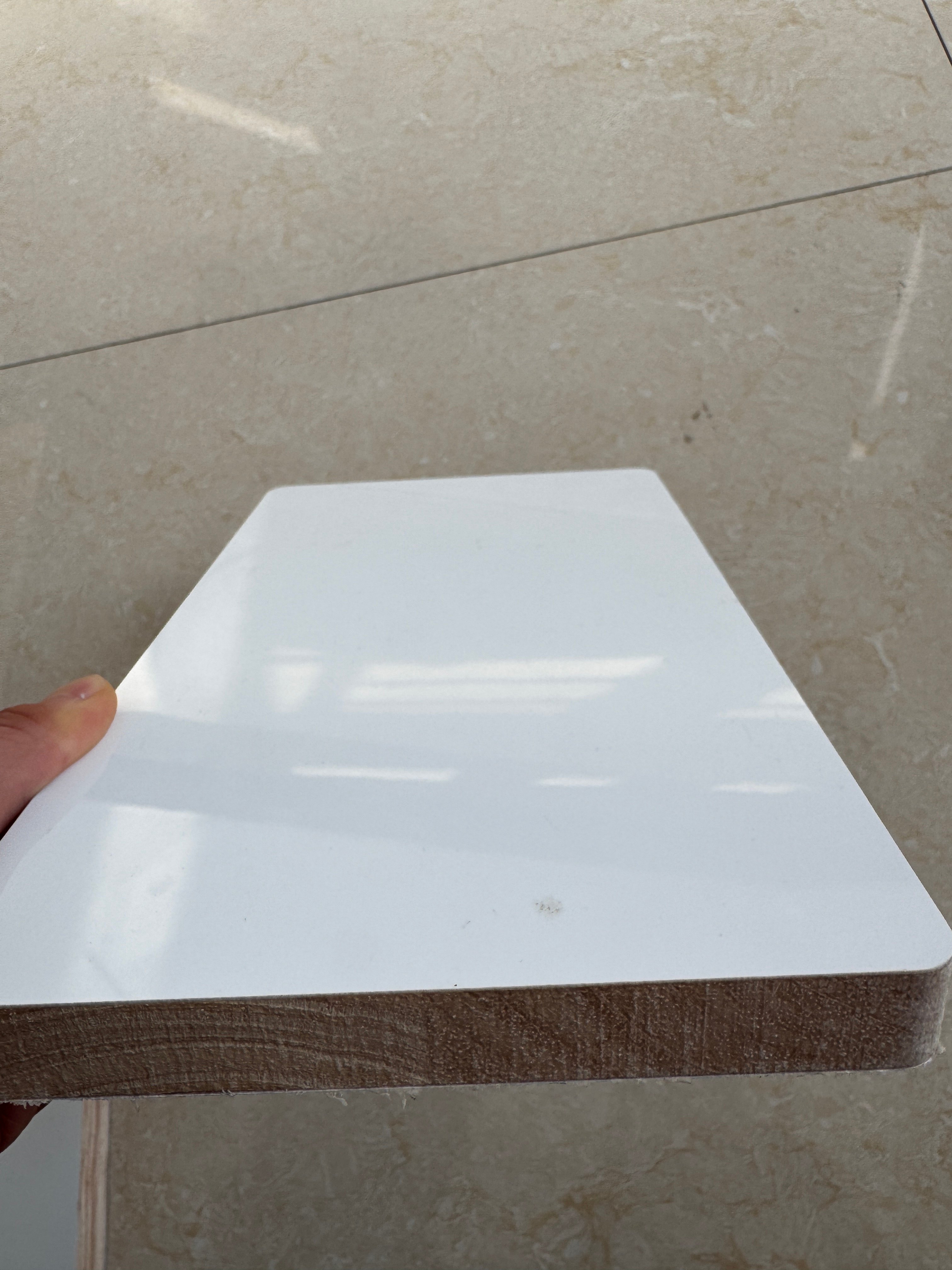
Industri manufaktur furnitur telah mengalami transformasi signifikan dalam beberapa tahun terakhir, yang didorong oleh permintaan terhadap bahan-bahan yang menggabungkan daya tarik visual, ketahanan struktural, dan efisiensi manufaktur. MDF Pet telah muncul sebagai salah satu solusi substrat paling berdampak dalam evolusi ini, khususnya dalam produksi kabinet dapur dan lemari pakaian. Bahan ini menggabungkan dasar serat papan berkepadatan sedang (MDF) yang stabil dan halus dengan laminasi film polietilen tereftalat (PET) yang memberikan kinerja permukaan luar biasa di lingkungan domestik dengan tingkat pemakaian tinggi.
Memahami bagaimana PET MDF benar-benar diterapkan dalam manufaktur dapur dan lemari modern memerlukan pandangan yang melampaui deskripsi permukaan saja. Mulai dari persiapan panel dan perlakuan tepi hingga logika perakitan dan estetika akhir, PET MDF memengaruhi setiap tahap proses produksi. Produsen, desainer interior, serta spesialis pengadaan yang memahami mekanisme penerapan PET MDF lebih siap untuk mengambil keputusan berdasarkan pertimbangan matang mengenai bahan baku, alur kerja, dan kualitas produk akhir.
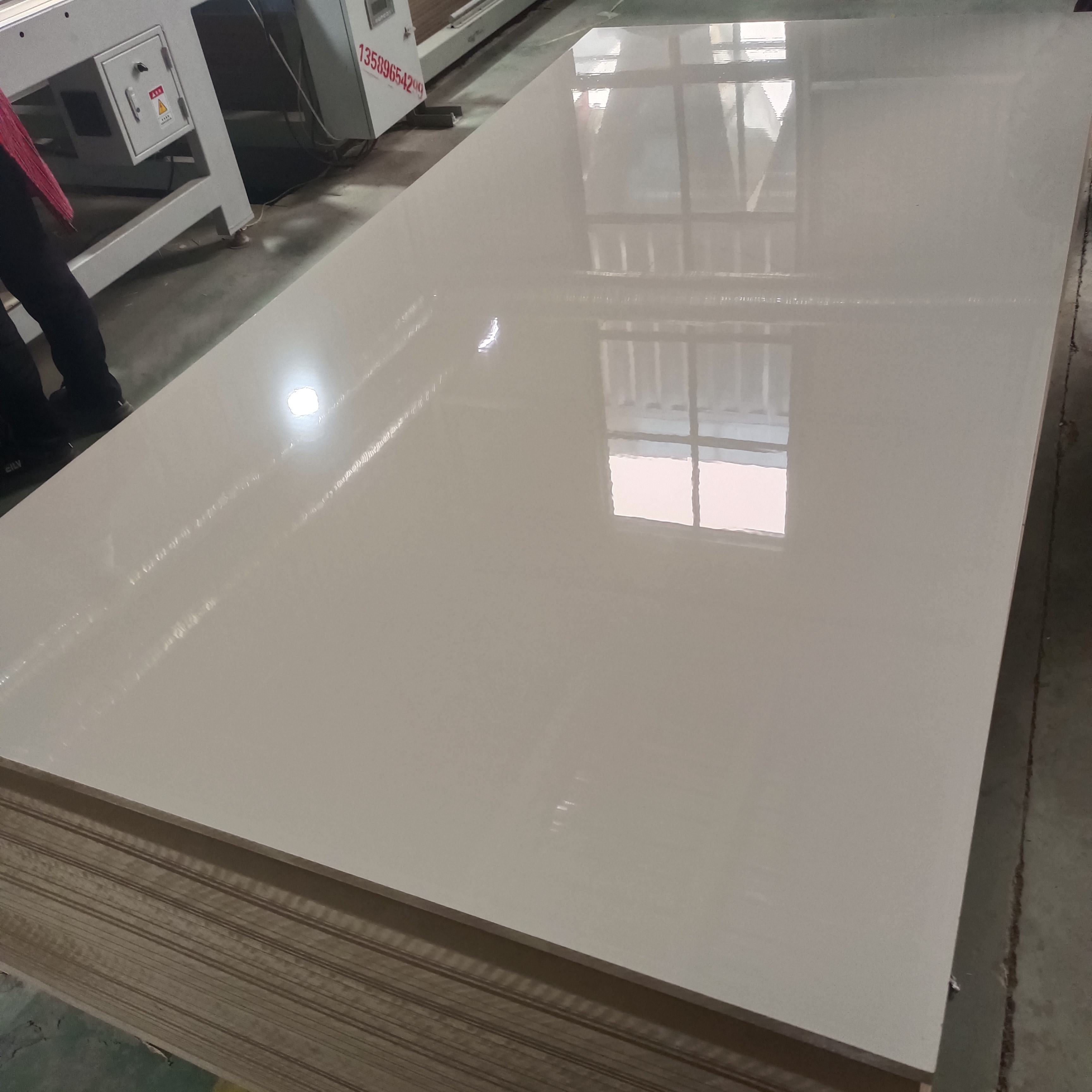
Apa Itu PET MDF dan Mengapa Hal Ini Penting dalam Produksi Perabot
Komposisi di Balik PET MDF
PET MDF adalah bahan komposit yang dihasilkan dengan menempelkan lapisan tipis film polietilen tereftalat (PET) ke permukaan substrat papan fiberboard kepadatan sedang (MDF). Inti MDF memberikan kepadatan yang konsisten dan seragam, sehingga menghilangkan ketidakteraturan urat kayu padat yang umum terjadi. Keseragaman ini sangat penting dalam manufaktur furnitur modern, di mana pemotongan, pengukiran, dan pengeboran presisi harus menghasilkan hasil yang dapat diulang secara konsisten dalam volume produksi tinggi.
Film PET yang diaplikasikan pada permukaan biasanya memiliki ketebalan antara 0,15 mm hingga 0,30 mm dan dilaminasi di bawah pengaturan suhu serta tekanan yang terkendali guna membentuk ikatan permanen. Film ini dapat diproduksi dalam berbagai macam finishing, termasuk high-gloss, matte, motif kayu, corak batu, dan warna solid. Hasilnya adalah panel PET MDF yang menawarkan keandalan struktural sekaligus estetika permukaan yang kaya, tanpa memerlukan langkah finishing tambahan seperti pengecatan atau pelapisan vernis.
Berbeda dengan MDF berlapis melamin konvensional yang menggunakan lapisan kertas yang diresapi resin, MDF berlapis PET menggunakan film polimer yang secara inheren lebih fleksibel, lebih tahan benturan, dan lebih tahan terhadap kelembapan. Sifat-sifat ini secara langsung relevan untuk aplikasi dapur dan lemari pakaian, di mana permukaan mengalami kontak harian, siklus pembersihan, serta fluktuasi suhu.
Mengapa Produsen Furnitur Memilih MDF Berlapis PET
Peralihan menuju MDF berlapis PET dalam produksi kabinet dan lemari pakaian bukanlah hal yang sembarangan. Produsen memilih bahan ini karena mampu mengatasi beberapa tantangan persisten yang tidak dapat diselesaikan secara bersamaan oleh bahan papan konvensional. Paparan kelembapan di dapur menyebabkan delaminasi permukaan pada bahan berkualitas rendah, sedangkan benturan akibat penggunaan harian menimbulkan keretakan tepi pada laminasi rapuh. MDF berlapis PET mampu mengatasi kedua tantangan tersebut secara lebih efektif berkat ketangguhan inheren dari lapisan film PET.
Efisiensi produksi merupakan faktor pendorong utama lainnya. Karena PET MDF tiba dari pemasok dengan permukaan yang sudah sepenuhnya selesai, produsen menghilangkan kebutuhan langkah perlakuan permukaan tambahan di dalam pabrik. Hal ini mengurangi baik waktu produksi maupun biaya tenaga kerja, sekaligus menghilangkan risiko cacat permukaan yang muncul selama proses penyelesaian sekunder. Bagi produsen kabinet berkapasitas tinggi, penyederhanaan proses ini memberikan dampak terukur terhadap kapasitas output dan biaya per unit.
Selain itu, PET MDF mendukung beragam pilihan estetika tanpa memerlukan bahan substrat yang berbeda. Satu platform material saja dapat menampung puluhan pilihan warna dan finishing hanya dengan mengubah spesifikasi film PET. Fleksibilitas ini memungkinkan produsen melayani berbagai segmen pasar—mulai dari kabinet dapur berkilap premium hingga sistem lemari berpenyelesaian matte—tanpa harus menyimpan persediaan bahan terpisah untuk setiap lini gaya.
Cara Penggunaan PET MDF dalam Produksi Kabinet Dapur
Pemotongan Panel dan Pemrosesan CNC
Dalam produksi kabinet dapur, PET MDF biasanya diproses menggunakan gergaji panel CNC atau gergaji balok yang memotong papan berformat besar menjadi ukuran komponen yang diperlukan. Panel PET MDF standar berukuran 1220×2440 mm dengan pilihan ketebalan umumnya berkisar antara 9 mm hingga 18 mm, memberikan fleksibilitas kepada produsen untuk menentukan berat struktural yang sesuai bagi berbagai komponen kabinet. Panel pintu, panel samping, rak, dan papan belakang masing-masing dapat memerlukan profil ketebalan yang berbeda.
Pemotongan CNC adalah langkah pemrosesan kritis lainnya di mana PET MDF menunjukkan nilai unggulannya. Karena inti MDF bersifat homogen dan bebas rongga, proses pemotongan menghasilkan tepi serta profil yang bersih dan presisi. Alur hasil pemotongan untuk engsel, rel laci, dan sisipan sambungan memiliki akurasi dimensi tinggi—faktor penting guna mempertahankan toleransi ketat dalam perakitan kabinet dapur. Permukaan film PET tahan terhadap proses pemotongan tanpa mengalami delaminasi di bagian tepi, asalkan kecepatan putaran alat dan laju umpan yang sesuai diterapkan.
Operasi pengeboran untuk pemasangan perlengkapan—termasuk pengeboran cangkir engsel tersembunyi dan pengeboran lubang pasak rak—juga memperoleh manfaat dari kerapatan seragam PET MDF. Material ini mampu menahan pengencang secara andal tanpa mengalami retak atau hancur seperti yang kerap terjadi pada papan serat berkerapatan lebih rendah, sehingga berkontribusi terhadap integritas struktural jangka panjang kabinet dapur yang telah dirakit.
Aplikasi Pembalut Tepi pada Panel PET MDF
Salah satu langkah paling penting secara teknis dalam penerapan PET MDF pada produksi kabinet dapur adalah pelapisan tepi (edge banding). Setelah pemotongan panel, tepi MDF mentah harus disegel dan diselesaikan agar sesuai dengan permukaan film PET. Mesin pelapis tepi otomatis menerapkan pita tepi PVC, ABS, atau PET yang cocok ke tepi yang telah dipotong menggunakan perekat hot-melt. Hasilnya adalah batas yang kontinu dan tahan lama, yang mencegah masuknya kelembapan ke inti MDF serta menciptakan tampilan akhir pada semua permukaan yang terlihat.
Untuk aplikasi kabinet dapur kelas atas, pelapisan tepi berbasis laser semakin banyak digunakan bersama panel PET MDF. Proses ini mengaktifkan lapisan fungsional di dalam pita tepi menggunakan sinar laser alih-alih perekat konvensional, sehingga menghasilkan sambungan yang nyaris tak terlihat antara permukaan muka dan tepi. Tidak adanya garis lem yang terlihat meningkatkan persepsi kualitas kabinet jadi dan selaras dengan estetika premium yang menjadi alasan utama pemilihan PET MDF.
Memilih bahan pelapis tepi (edge banding) yang kompatibel sangat penting saat bekerja dengan PET MDF. Pita pelapis tepi harus sesuai dengan tingkat kilap, warna, dan tekstur permukaan film PET agar konsistensi visual terjaga di seluruh permukaan kabinet.
Penerapan PET MDF dalam Produksi Sistem Lemari Pakaian
Komponen Struktural dan Ukuran Panel untuk Lemari Pakaian
Pembuatan lemari pakaian melibatkan serangkaian tuntutan struktural dan estetika yang berbeda dibandingkan dengan lemari dapur. Lemari pakaian umumnya memiliki dimensi panel yang lebih besar, membentang dari lantai hingga langit-langit, serta mampu menampung sistem organisasi interior yang luas, termasuk rel gantung, laci, rak, dan aksesori. PET MDF mendukung kebutuhan tersebut karena tersedia dalam ukuran panel format besar standar yang dibutuhkan produksi lemari pakaian, dan kerapatan konsistennya memberikan kinerja daya dukung yang diperlukan untuk panel rak dan dasar laci.
Dalam sistem lemari pakaian, PET MDF umumnya digunakan untuk panel rangka (carcass), permukaan pintu, rak interior, serta komponen kotak laci. Permukaan film PET yang halus dan tidak berpori membuat permukaan interior lemari pakaian mudah dirawat serta tahan terhadap penempelan debu—keunggulan praktis dalam aplikasi penyimpanan kamar tidur, di mana kebersihan dan kehigienisan menjadi pertimbangan penting bagi pengguna akhir.
Pemilihan ketebalan untuk komponen lemari mengikuti logika struktural. Panel sisi rangka utama dan panel lantai umumnya ditentukan dengan ketebalan 18 mm guna memastikan kekakuan dan kapasitas beban yang memadai. Rak interior dapat menggunakan MDF PET berketebalan 16 mm atau 18 mm, tergantung pada panjang bentang dan beban yang diharapkan. Komponen yang lebih ringan, seperti sisi laci dan panel belakang, dapat ditentukan berketebalan 9 mm atau 12 mm, sehingga mengurangi biaya material tanpa mengorbankan fungsionalitas.
Produksi Panel Pintu Lemari Menggunakan MDF PET
Panel pintu lemari merupakan salah satu aplikasi paling menonjol untuk MDF PET dalam manufaktur furnitur. Karena pintu lemari merupakan elemen visual yang sangat mencolok di interior kamar tidur, kualitas estetika bahan permukaan menjadi faktor utama dalam keputusan pembelian. MDF PET memberikan permukaan yang konsisten dan bebas cacat—persyaratan utama dalam produksi panel pintu berkualitas tinggi—dengan lapisan film PET yang memberikan ketahanan terhadap goresan serta hasil akhir yang stabil tanpa memudar atau menguning seiring waktu.
Panel pintu PET MDF berkilap tinggi sangat populer dalam furnitur kamar tidur kontemporer karena menghasilkan permukaan akhir yang bersih dan reflektif, sehingga secara visual memperluas ruang. Pilihan PET MDF dengan permukaan matte dan bermotif kayu menarik bagi pembeli yang lebih menyukai estetika alami atau lebih tenang. Dalam kedua kasus , permukaan film PET dapat dirawat dengan pembersih rumah tangga biasa produk tanpa risiko kerusakan permukaan, yang merupakan nilai jual kuat bagi konsumen akhir.
Sistem pintu lemari geser khususnya mendapatkan manfaat dari PET MDF karena stabilitas dimensi material ini memastikan bahwa pintu tidak melengkung atau memutar seiring waktu. Pintu yang melengkung mengganggu keselarasan perangkat keras geser, menyebabkan masalah operasional yang memicu keluhan purna-jual layanan bagi produsen dan pengecer. Stabilitas PET MDF dalam kondisi kelembapan dan suhu yang bervariasi secara signifikan meminimalkan risiko ini.
Pertimbangan Pemrosesan dan Praktik Terbaik untuk PET MDF
Peralatan, Laju Umpan, dan Perlindungan Permukaan Selama Pemrosesan
Mencapai hasil kualitas yang konsisten saat memproses PET MDF memerlukan perhatian khusus terhadap pemilihan perkakas dan parameter mesin. Mata gergaji dan mata frais berlapis karbida direkomendasikan karena mampu mempertahankan ketajaman tepi potongnya sepanjang proses produksi yang panjang. Perkakas tumpul meningkatkan risiko keretakan permukaan pada lapisan film PET, yang mengakibatkan produk cacat dan biaya perbaikan ulang. Menggunakan laju umpan yang sesuai—tidak terlalu cepat maupun terlalu lambat—memastikan potongan yang bersih serta meminimalkan penumpukan panas yang dapat memengaruhi ikatan film PET ke substrat MDF.
Perlindungan permukaan selama penanganan dan pengolahan merupakan pertimbangan penting lainnya. Panel PET MDF biasanya dikirimkan dengan lapisan film pelindung yang harus tetap dipertahankan hingga panel sepenuhnya diproses dan siap untuk perakitan atau pengiriman. Lapisan pelindung ini mencegah goresan dan kontaminasi selama operasi routing CNC, pengeboran, serta pemasangan tepi (edge banding). Melepas film tersebut secara prematur akan mengekspos permukaan PET terhadap kemungkinan kerusakan akibat kontak alat, sisa perekat, dan abrasi akibat penanganan.
Kondisi penyimpanan juga memengaruhi kinerja PET MDF di lingkungan produksi. Panel harus disimpan dalam posisi datar di rak yang rata, di lingkungan bersuhu terkendali dan kelembapan rendah. Penyimpanan yang tidak tepat—khususnya penumpukan vertikal di permukaan tidak rata—dapat menyebabkan lengkung (bow) atau puntiran (twist) pada panel sebelum pengolahan, yang berakibat pada ketidakakuratan dimensi sepanjang seluruh rangkaian proses produksi.
Metode Perakitan dan Kompatibilitas Perangkat Keras
PET MDF sepenuhnya kompatibel dengan perangkat keras standar dan metode pertukangan yang digunakan dalam produksi furnitur modern berbentuk flat-pack dan furnitur terpasang. Sambungan dowel, konektor kunci cam, serta sekrup confirmat semuanya berfungsi andal pada panel PET MDF ketika posisi lubang dan dimensinya ditentukan secara tepat. Kepadatan inti MDF yang konsisten memastikan kekuatan tarik keluar pengencang memenuhi persyaratan struktural untuk aplikasi kabinet dapur dan lemari pakaian.
Perekatan menggunakan lem juga diterapkan bersamaan dengan pengencang mekanis untuk aplikasi tertentu, seperti pemasangan panel belakang dan strip fitur dekoratif. Lem kayu PVA standar menempel secara efektif pada permukaan film PET setelah dilakukan penggosokan ringan guna meningkatkan daya rekat, atau pada inti MDF di permukaan tepi dan belakang. Untuk sambungan struktural di mana daya rekat jangka panjang sangat krusial, lem poliuretan dua komponen menawarkan kekuatan ikat yang unggul serta ketahanan terhadap tekanan akibat kelembapan.
Perangkat keras engsel dan rel yang ditentukan untuk kabinet dapur dan lemari pakaian dipasang langsung ke komponen PET MDF menggunakan templat pengeboran standar. Konsistensi dimensi PET MDF memastikan bahwa lubang pemasangan perangkat keras selaras secara akurat di antar lots, yang merupakan syarat penting untuk mempertahankan standar kualitas yang dituntut oleh merek furnitur dan pembeli ritel.
Kualitas, Keberlanjutan, dan Posisi Pasar Produk PET MDF
Sertifikasi Kualitas dan Standar Emisi Formaldehida
Jaminan kualitas merupakan dimensi kritis dalam pengadaan PET MDF bagi produsen furnitur yang menjual ke pasar-pasar berskala regulasi ketat. Substrat MDF yang digunakan dalam produksi PET MDF harus mematuhi standar emisi formaldehida—seperti E0, E1, atau CARB P2—guna memenuhi persyaratan kesehatan dan keselamatan di pasar ekspor utama, termasuk Eropa, Amerika Utara, dan Australia. Produsen wajib memverifikasi sertifikasi emisi saat mengadakan PET MDF, khususnya untuk aplikasi kabinet dapur di mana panel digunakan dalam ruang tertutup dengan keterbatasan ventilasi.
Lapisan film PET itu sendiri merupakan bahan termoplastik yang dapat didaur ulang, dan penggunaannya dalam manufaktur furnitur selaras dengan tujuan keberlanjutan yang lebih luas di industri furnitur. Berbeda dengan perlakuan permukaan yang melibatkan lak berbasis pelarut atau resin melamin yang mengandung formaldehida, proses laminasi film PET tidak menggunakan pelarut dan menghasilkan emisi senyawa organik volatil (VOC) yang sangat minimal selama produksi. Hal ini menjadikan MDF berlapis PET pilihan yang lebih selaras secara lingkungan bagi produsen yang berkomitmen pada keberlanjutan.
Penentuan Posisi Pasar dan Keselarasan terhadap Permintaan Konsumen
Meningkatnya preferensi konsumen terhadap perabot dapur dan lemari pakaian yang mudah dibersihkan, tahan lama, serta menarik secara visual telah menciptakan daya tarik pasar yang kuat terhadap produk berbasis PET MDF. Pembeli kabinet dapur—baik untuk keperluan residensial maupun kontrak—secara konsisten mengutamakan permukaan yang tahan noda, goresan, dan kerusakan akibat kelembapan. PET MDF memenuhi ketiga kriteria tersebut, sehingga memungkinkan produsen memposisikan kabinet berbasis PET MDF pada kisaran harga menengah hingga premium dengan alasan fungsional yang meyakinkan.
Pembeli sistem lemari pakaian semakin menuntut opsi kustomisasi, termasuk pilihan warna, tekstur, dan finishing yang luas. Ragam dekoratif yang luas dapat dicapai dengan PET MDF—mulai dari putih doff polos hingga anthracite ultra-gloss dan desain serat kayu yang realistis—mendukung tren personalisasi yang mendorong keputusan pembelian dalam kategori perabot kamar tidur. Produsen yang menawarkan perpustakaan finishing PET MDF yang komprehensif memberikan ruang estetika yang berarti kepada klien ritel dan desainer interior mereka tanpa menambah kompleksitas dalam rantai pasok.
Seiring terus berkonsolidasinya industri perabot di sekitar bahan-bahan yang memberikan efisiensi manufaktur sekaligus kinerja bagi pengguna akhir, PET MDF berada dalam posisi yang kuat untuk memperluas pangsa pasarnya di segmen substrat dapur dan lemari pakaian. Kombinasi kemudahan prosesabilitas, keragaman estetika, ketahanan permukaan, serta kredensial keberlanjutannya memenuhi kebutuhan multidimensi pembeli perabot modern di setiap tingkatan rantai nilai.
Tanya Jawab
Ketebalan PET MDF berapa milimeter yang paling umum digunakan untuk pintu kabinet dapur?
Untuk pintu kabinet dapur, PET MDF tebal 18 mm merupakan ketebalan yang paling banyak ditentukan karena memberikan kekakuan dan berat yang diperlukan agar beroperasi dengan lancar menggunakan perangkat engsel tersembunyi standar. Beberapa produsen juga menggunakan tebal 16 mm untuk aplikasi pintu kabinet yang lebih ringan, khususnya bila pengurangan berat menjadi prioritas utama. Pemilihan ketebalan harus selalu disesuaikan dengan spesifikasi engsel dan lebar pintu guna memastikan keselarasan yang tepat serta kinerja operasional jangka panjang.
Apakah PET MDF dapat digunakan juga untuk rak interior lemari pakaian maupun permukaan pintu?
Ya, PET MDF cocok untuk kedua aplikasi: permukaan pintu lemari pakaian dan rak interior. Untuk rak, produsen biasanya menentukan panel berketebalan 16 mm atau 18 mm, tergantung pada bentang dan beban yang diharapkan. Permukaan film PET yang halus pada rak interior memberikan permukaan penyimpanan yang higienis dan mudah dibersihkan, serta tahan terhadap noda dari pewarna pakaian dan kosmetik, sehingga menjadi pilihan praktis untuk interior lemari pakaian kamar tidur maupun panel pintu yang sangat terlihat.
Bagaimana perbandingan ketahanan terhadap kelembapan PET MDF dan MDF melamin untuk aplikasi dapur?
PET MDF umumnya menawarkan ketahanan terhadap kelembapan yang lebih unggul dibandingkan MDF berlapis melamin standar di lingkungan dapur. Lapisan polimer PET membentuk penghalang yang lebih efektif terhadap penetrasi air dibandingkan lapisan kertas melamin, yang dapat mengembang, menggelembung, atau terkelupas saat terpapar kelembapan dalam waktu lama. Hal ini menjadikan PET MDF pilihan yang lebih tepat untuk aplikasi kabinet dapur, di mana permukaannya secara rutin terpapar uap, air pembersih, dan kondensasi akibat aktivitas memasak.
Apakah PET MDF kompatibel dengan perangkat keras furnitur standar yang digunakan dalam produksi kabinet dapur dan lemari pakaian?
PET MDF sepenuhnya kompatibel dengan sistem perangkat keras standar yang digunakan dalam manufaktur dapur dan lemari modern, termasuk engsel tersembunyi, rel laci, konektor kunci cam, sambungan pasak kayu, serta sistem pin rak. Kerapatan inti MDF yang konsisten memberikan retensi pengencang yang andal dan presisi penempatan lubang. Produsen harus mengikuti diameter dan kedalaman pengeboran yang direkomendasikan untuk setiap jenis perangkat keras guna memastikan kekuatan tarik optimal serta integritas sambungan jangka panjang pada furnitur yang telah dirakit.
Daftar Isi
- Apa Itu PET MDF dan Mengapa Hal Ini Penting dalam Produksi Perabot
- Cara Penggunaan PET MDF dalam Produksi Kabinet Dapur
- Penerapan PET MDF dalam Produksi Sistem Lemari Pakaian
- Pertimbangan Pemrosesan dan Praktik Terbaik untuk PET MDF
- Kualitas, Keberlanjutan, dan Posisi Pasar Produk PET MDF
-
Tanya Jawab
- Ketebalan PET MDF berapa milimeter yang paling umum digunakan untuk pintu kabinet dapur?
- Apakah PET MDF dapat digunakan juga untuk rak interior lemari pakaian maupun permukaan pintu?
- Bagaimana perbandingan ketahanan terhadap kelembapan PET MDF dan MDF melamin untuk aplikasi dapur?
- Apakah PET MDF kompatibel dengan perangkat keras furnitur standar yang digunakan dalam produksi kabinet dapur dan lemari pakaian?