 EN
EN

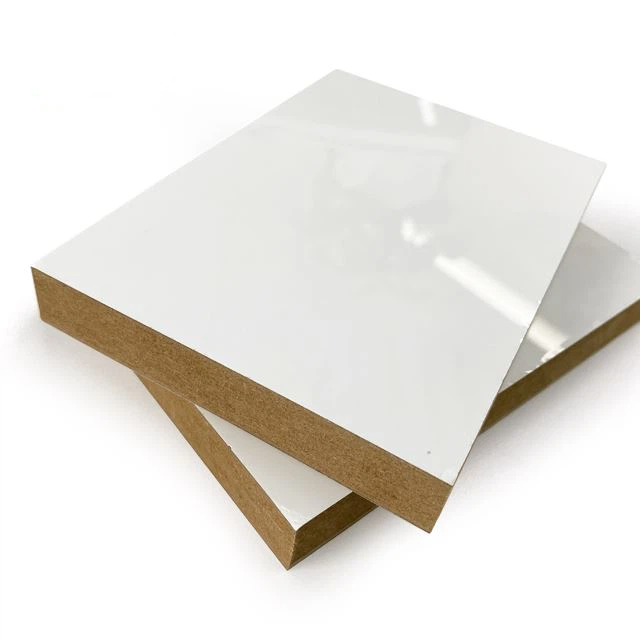
Աշխարհի մեբելի և ներքին դիզայնի արդյունաբերությունը մեծ փոփոխության է ենթարկվում. հաստատուն զարգացումը վերածվել է ոչ թե միայն մի միտումի, այլ՝ հիմնարար պահանջի: Դիզայներները, արտադրողները և մատակարարման թիմերը ակտիվորեն որոնում են նյութեր, որոնք միաժամանակ ապահովում են ինչպես էսթետիկ գրավչություն, այնպես էլ շրջակա միջավայրի նկատմամբ պատասխանատվություն: Ավանդական ՄԴՖ դարձել է այս պահանջին ամենահամոզիչ պատասխաններից մեկը՝ միավորելով միջին խտության մածուցիկ մասնիկների սալիկների (MDF) կառուցվածքային հուսալիությունը պոլիէթիլեն տերեֆտալատի (PET) թաղանթի մակերեսի հետ, որը ապահովում է մեծ ճկունություն, ցածր քիմիական արտանետումներ և մաքուր արտադրության պատմություն՝ համեմատած շատ ավանդական այլընտրանքների հետ:
Ểuրաբեր ինչպես Ավանդական ՄԴՖ կայունության աջակցման համար անհրաժեշտ է դիտարկել ինչպես նյութը ինքն իրեն, այնպես էլ նրա ծառայության տակ գտնվող ընդհանուր դիզայնի էկոհամակարգը: Սկսած բնակելի տարածքներում ֆորմալդեհիդի ազդեցության նվազեցումից մինչև շրջանային դիզայնի մոտեցումների իրականացումը, Ավանդական ՄԴՖ ոչ միայն մակերեսի բարելավում է, այլև նյութային փիլիսոփայություն, որը համատեղելի է ժամանակակից կայուն շենքերի ստանդարտների, էկոլոգիապես գիտակցված սպառողների արժեքների և միջազգային ներքին դիզայնի նախագծերի զարգացող պահանջների հետ: Այս հոդվածը քննարկում է մեխանիզմները, կիրառությունները և դիզայնի տրամաբանությունը, որոնք դարձնում են Ավանդական ՄԴՖ կայուն մեբելի և ներքին դիզայնի իմաստալից ներդրում:
PET MDF-ի հասկանալը որպես նյութային համակարգ
Ի՞նչն է այն, որը PET MDF-ն տարբերում է սովորական սալիկավոր նյութերից
Ավանդական ՄԴՖ մի կոմպոզիտային սալիկավոր արտադրանք է, որտեղ պոլիէթիլեն տերեֆտալատի թաղանթը լամինացված կամ միացված է միջին խտության մանրաթելային սալիկի (MDF) հիմքին: Այս համադրությունը ստեղծում է մակերես, որը հարթ է, չի թափանցվում և դիմացկուն է խոնավի, գծագրման և բծավորման նկատմամբ: Ի տարբերություն ավանդական մելամինապատ սալիկների, որոնք կպչուն նյութի համար օգտագործում են ֆորմալդեհիդի վրա հիմնված ռեզիններ, շատ Ավանդական ՄԴՖ ապրանքներ արտադրվում են նվազեցված կամ մոտ զրոյական ֆորմալդեհիդային կպչուն նյութերով, ինչը դրանք ավելի առողջ ընտրություն է դարձնում փակ ներքին տարածքների համար:
ՊԵՏ թաղանթը ինքնին մի թերմոպլաստիկ պոլիմեր է, որն ընդհանուր առմամբ օգտագործվում է սննդային փաթեթավորման մեջ, ինչը վկայում է նրա քիմիական կայունության և համեմատաբար անվտանգ բնույթի մասին: Երբ այն կիրառվում է MDF-ի վրա, այս թաղանթը ստեղծում է մակերեսի վերջնական մշակում, որը չի պահանջում լրացուցիչ ներկում, լաքապատում կամ լուծանյութով ծածկում՝ նվազեցնելով արտադրական շղթայում քիմիական միջոցների վրա հիմնված մշակման ընդհանուր քանակը: Մակերեսի մշակման գործընթացի պարզեցումը դրա հիմնական պատճառներից մեկն է Ավանդական ՄԴՖ ավելի ու ավելի է նախընտրվում արտադրողների կողմից, որոնք նպատակ ունեն կրճատել ցնդող օրգանական միացությունների (VOC) արտանետումները արտադրական ցիկլի ընթացքում։
Կառուցվածքային տեսանկյունից MDF ստորին շերտը ապահովում է չափային կայունություն և համասեռ խտություն, ինչը թույլ է տալիս ճշգրիտ մեքենայացում, եզրային մշակում և համասեռ սալիկների աշխատանքային ցուցանիշներ։ PET ֆիլմի միաժամանակյա կիրառումը չի վնասում այս մեխանիկական հատկությունները՝ ընդհակառակը, ֆիլմը ավելացնում է մակերեսի կարծրության շերտ, որն երկարացնում է արտադրանքի գործառնական ծառայության ժամկետը։ Երկարատև մեբելը նշանակում է ավելի քիչ փոխարինման ցիկլեր, ինչը ուղղակիորեն աջակցում է ռեսուրսների պահպանման նպատակներին։
Ֆիլմի հաստության և վերջնամշակման տարբերակների դերը դիզայնի բազմակի կիրառման հնարավորության մեջ
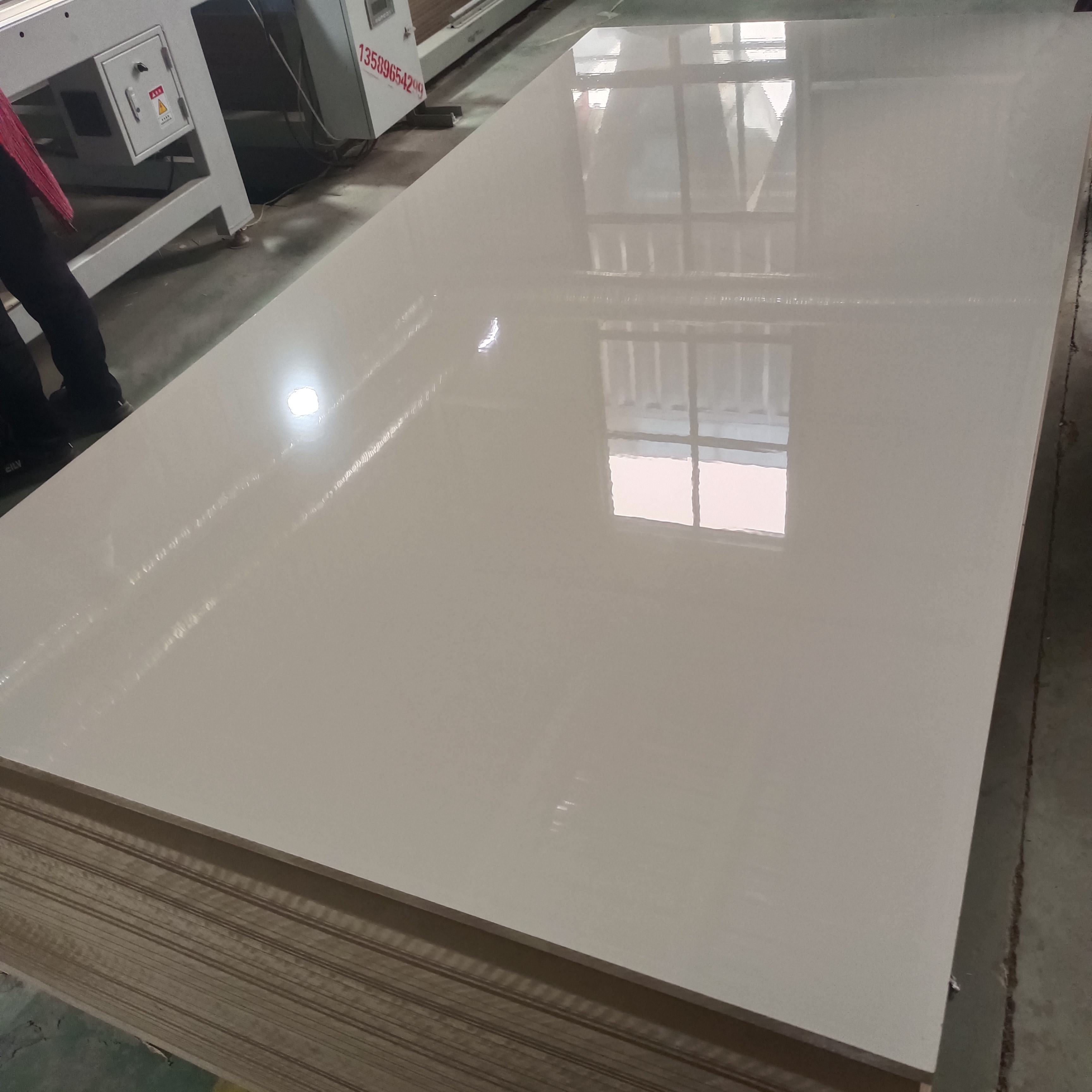
Ավանդական ՄԴՖ հասանելի է մակերեսի մեծ տարա variety վերջնամշակման տարբերակներով, այդ թվում՝ բարձր փայլուն, մատե և տեքստուրային տարբերակներով։ Ֆիլմի հաստությունը սովորաբար տատանվում է 0.2 մմ-ից վերև, ինչը ազդում է մակերեսի հպման որակի և մաշվելու դիմացկունության վրա։ Բարձր փայլուն Ավանդական ՄԴՖ պանելները լայնորեն օգտագործվում են ժամանակակից խոհանոցային պահեստավորման սարքերում, պահեստավորման պահարանների ճակատային մասերում և մանրածախ վաճառքի ցուցադրման մեբելում, որտեղ արտացոլիչ մակերեսը ստեղծում է caրեւոր տեսողական էֆեկտ՝ առանց հետադասավորման փայլեցման անհրաժեշտության:
Մատնատիպ Վերջավորություն Ավանդական ՄԴՖ հատկապես մեծ տարածում է ստացել բնակարանային և հյուրանոցային ներքին հարդարանքներում, որտեղ դիզայներները ձգտում են ավելի մեղմ, ավելի նուրբ էստետիկայի: Ոչ արտացոլիչ մակերեսը նվազեցնում է մատնահետքերի տեսանելիությունը և լավ է ինտեգրվում բնական նյութերի հետ, ինչպես օրինակ՝ փայտի վենիր, քարի մակերեսներ և մաքրված մետաղական ակցենտներ: Այս բազմակի կիրառելիությունը նշանակում է, որ Ավանդական ՄԴՖ կարող է օգտագործվել դիզայնի շատ լայն շրջանակում՝ առանց արտադրական գործընթացի փոփոխության, ինչը նվազեցնում է նյութերի ավելցուկային թափոնները՝ ավելի բարձր սպեցիֆիկացիայի կամ սխալ ապրանքների ընտրության պատճառով:
Պանելների չափսերը ստանդարտ Ավանդական ՄԴՖ արտադրության մեջ սովորաբար տեղավորվում են կահույքի ընդհանուր մոդուլների չափերը, եւ հաստության տարբերակները '9mm-ից մինչեւ 18mm-ը, թույլ են տալիս դիզայներներին եւ կահույքի արտադրողներին ընտրել ամենաարդյունավետ տարբերակը յուրաքանչյուր կիրառման համար: Դռների մակերեսների համար օգտագործվող ավելի նուրբ վահանակները նվազեցնում են մեկ միավորի ընդհանուր վահանակի սպառումը, մինչդեռ ավելի հաստ տարբերակները ծառայում են կառուցվածքային դերերին: Այս տեսականի կազմաձեւերը աջակցում են նյութերի օգտագործման ավելի նուրբ, ավելի դիտավորյալ մոտեցմանը:
Ինչպես է PET-ը նպաստում ավելի առողջ միջավայրին
Նվազ արտանետումների հատկություններ եւ ներքին օդի որակ
Կայունության ամենահամարձակ ներդրումներից մեկը Ավանդական ՄԴՖ ներքին օդի որակի վրա ունեցած ազդեցությունը: Հաճախակի փայտե վահանակները, որոնք կապված են արծաթի ֆորմալդեհիդե խարպերով, հայտնի աղբյուր են ներքին ֆորմալդեհիդի արտանետումների համար, որը Առողջապահության համաշխարհային կազմակերպությունը դասակարգում է որպես քաղցկեղ առաջացնող բարձր մակարդակով շփ Արտադրությունը Ավանդական ՄԴՖ սովորաբար օգտագործում է ցածր ֆորմալդեհիդային կամ ֆորմալդեհիդազուրկ միացման համակարգեր ստորաշերտի համար, իսկ PET թաղանթի մակերեսը ծառայում է որպես արտաքին արտազատման սահմանափակման արգելափակիչ՝ լրացուցիչ սահմանափակելով միջուկային նյութից արտազատվող միացությունները:
Նախագծերի համար, որոնք ձգտում են ստանալ ստանդարտների համաձայն սերտիֆիկացիա, ինչպես օրինակ՝ CARB Phase 2, E0 կամ F☆☆☆☆, Ավանդական ՄԴՖ կարող է լինել համապատասխան ստորաշերտի ընտրություն՝ երբ այն մատակարարվում է համապատասխանող արտադրողների կողմից: Փակված PET մակերեսը նշանակում է, որ ՄԴՖ ստորաշերտից մնացած մնացորդային արտազատումները սենյակի օդի մակարդակում նկատելիորեն նվազում են: Այս հատկությունը դարձնում է Ավանդական ՄԴՖ հատկապես արդիական բժշկական հաստատությունների, մանկավարժական կենտրոնների, կրթական միջավայրերի և այլ վայրերի համար, որտեղ օդում լուծված քիմիական նյութերի նկատմամբ մարդկանց վտանգավորությունը հիմնական մտահոգություն է:
Ներկման կամ լաքապատման վերջնական փուլերի բացակայությունը նաև վերացնում է սովորական մебելի արտադրության ընթացքում հաճախ հանդիպող օրգանական թռչուն միացությունների (VOC) ազդեցության մեկ այլ կատեգորիա: Սպրեյով կիրառվող վերջնական մշակումները սովորաբար պարունակում են լուծիչներ, որոնք պահանջում են օդափոխման համակարգեր, անձնական պաշտպանության միջոցներ և հիմնավորված թափոնների կառավարում: Ներկված վերջնական մշակումների փոխարեն նախակիրառված PET ֆիլմի օգտագործմամբ արտադրողները կարող են նվազեցնել լուծիչների սպառումը և պարզեցնել իրենց շրջակա միջավայրի պահպանման պարտավորությունները՝ այդ առավելությունը տարածվելով մատակարարման շղթայով և վերջնական օգտագործողի մոտ հասնելով որպես ավելի մաքուր արտադրանք:
Դիմացկունությունը որպես կայունության մեխանիզմ
Կառուցված միջավայրում կայունությունը չի սահմանափակվում մեկնարկային նյութերի մատակարարմամբ՝ այն նույնչափ կարևոր է նաև այն առումով, թե որքան երկար են ապրանքները մնում գործառնական և էսթետիկ առումներով համապատասխան օգտագործման: Ավանդական ՄԴՖ մակերևույթները ցուցաբերում են ուժեղ դիմացկունություն խոավի, հարվածների և ՈՒԼ-ճառագայթների պատճառով գույնի վատացման նախատեսված ժամկետից շուտ վերացման նկատմամբ, ինչը երկարացնում է մեբլի մասերի և ներքին սարքավորումների օգտագործման ժամկետը: 15–20 տարի շարունակ պահպանող սեղանատուփ կամ դարակավոր սարք իր արտաքին տեսքը և կառուցվածքային ամրությունը զգալիորեն ավելի լավ ռեսուրսային արդյունք է տալիս, քան համապատասխան ապրանքը, որը պետք է փոխարինվի 5–7 տարի անց:
PET ֆիլմի մակերևույթի գծագրվածության դիմացկունությունը հատկապես կարևոր է բարձր այցելությամբ առևտրային ներքին տարածքներում՝ գրասենյակներում, հյուրանոցներում և մանրածախ վաճառքի միջավայրերում: Այս պայմաններում մակերևույթները պետք է դիմանան ամենօրյա շփման, մաքրման ցիկլերի և հազվադեպ հարվածների՝ առանց վաղաժամկետ մաշվելու նշանների ցուցադրելու: « Ավանդական ՄԴՖ »-ի տևականության պրոֆիլը նվազեցնում է վերանորոգման նախագծերի հաճախականությունը, ինչը, իր հերթին, նվազեցնում է նոր նյութերի պահանջը, արտադրության էներգային ծախսերը և մաշված մեբլի վերացման հետևանքով առաջացող թափոնները:
Խոնավության դիմացկունությունը մեկ այլ տևականության գործոն է, որն ունի ուղղակի ներգործություն կայունության վրա: խոհանոցներում և վանայարաններում խոնավության ներթափանցումը կարող է առաջացնել սովորական սայլակների փքում, շերտազատում և սունկի աճ: Ավանդական ՄԴՖ կողային մակերեսները ճիշտ կնքված սայլակները դիմացկուն են այս ձախողման ռեժիմներին և պահպանում են իրենց կառուցվածքային կատարումը խոնավ պայմաններում: Սա նշանակում է, որ տան ամենախոնավակայան տարածքներում ավելի քիչ են առաջանում վաղաժամկետ ձախողումները, ինչը նվազեցնում է ռեակտիվ փոխարինման ցիկլերի շրջակա միջավայրի վրա ունեցած ազդեցությունը:
Համատեղելիությունը կայուն դիզայնի ստանդարտների և սերտիֆիկացման ուղիների հետ
Կանաչ շենքերի համակարգերը և նյութերի համապատասխանությունը
Ժամանակակից կանաչ շենքերի սերտիֆիկացման համակարգեր, ինչպիսիք են LEED-ը, BREEAM-ը և WELL Building Standard-ը, գնահատում են նյութերը՝ հիմնվելով դրանց ներդրման վրա բնակիչների առողջության, ռեսուրսների օգտագործման արդյունավետության և շրջակա միջավայրի վրա ունեցած ազդեցության վրա: Ավանդական ՄԴՖ կարող է դրական ներդրում ունենալ այս հիմնավորումների շրջանակներում բազմաթիվ վարկային կատեգորիաներում, մասնավորապես՝ ցածր արտանետող նյութերի, նյութերի թափանցիկության և փայտային արտադրանքների պատասխանատու մատակարարման կապակցությամբ։
ՄԴՖ ստորաշերտը Ավանդական ՄԴՖ սալիկներում կարող է մատակարարվել FSC-կամ PEFC-սերտիֆիկացված անտառներից՝ ապահովելով փայտե մանրաթելի հավաքագրման մասին փաստաթղթեր, որոնք հաստատում են այն, որ այն իրականացվել է պատասխանատու կառավարման պրակտիկայի շրջանակներում։ Ցածր արտանետող սանրաձև համակարգերի և PET մակերեսային արգելափակիչի հետ միասին սա ստեղծում է նյութ, որը կարող է նպաստել նախագծի կանաչ նյութերի վարկային միավորների ստացմանը՝ միաժամանակ ապահովելով այն գործնական շահագործման հատկությունները, որոնք առևտրային ներքին տարածքների համար անհրաժեշտ են։
Մեծ մասշտաբի առևտրային վերակառուցումների կամ բնակելի շինարարական նախագծերի վրա աշխատող մատակարարման թիմերի համար, որոնք ունեն կանաչ սերտիֆիկացման նպատակներ՝ Ավանդական ՄԴՖ փաստաթղթավորված մատակարարման շղթաներից ստացված նյութերի փաստաթղթավորման գործընթացը պարզեցվում է: Շրջակա միջավայրի վրա ազդեցության մասին արտադրանքի հայտարարությունները (EPD), VOC արտանետումների փորձարկման զեկույցները և երրորդ կողմի արտանետումների վերաբերյալ սերտիֆիկատները ավելի ու ավելի հասանելի են դառնում միջազգային որակի ստանդարտներին համապատասխան արտադրություն իրականացնող արտադրողների կողմից, ինչը սպեցիֆիկացիայի մասնագետներին տրամադրում է անհրաժեշտ ապացույցները սերտիֆիկացման հայտերի ներկայացման համար:
Պոլիէթիլենտերեֆտալատի (PET) ՄԴՖ-ի օգտագործման շրջանային տնտեսության համար նախատեսված հաշվառումներ
Շրջանային տնտեսության համակարգը պահանջում է, որ նյութերը մշակվեն՝ հաշվի առնելով դրանց կյանքի վերջի փուլը՝ այն թույլատրելով վերամշակել, կենսաբանորեն քայքայել կամ անվտանգ վերականգնել: Ավանդական ՄԴՖ այս համակարգում զբաղեցնում է հետաքրքիր դիրք: Պոլիէթիլենտերեֆտալատի (PET) թաղանթը ինքնին տեխնիկապես վերամշակելի է որպես թերմոպլաստիկ նյութ, և պլաստմասսաների վերամշակման ոլորտում աճող են ՊԵՏ-ի հոսքերի մշակման համար նախատեսված ենթակառուցվածքները: Սակայն սալիկի բաղադրամասերի բարդ բնույթը՝ փայտի մածուցիկ մանրաթելերին միացված պլաստիկ թաղանթը՝ այժմ դժվարացնում է ստանդարտ վերամշակման կենտրոններում մեխանիկական առանձնացումը:
Առաջընթացի ուղղությամբ գործող արտադրողները հետազոտում են ապամոնտաժման համար նախատեսված դիզայնի և ջերմային վերականգնման գործընթացների ռազմավարություններ, որոնք ավելի արդյունավետ են կազմակերպված փայտ-պլաստիկ սալիկների հետ աշխատելու համար: Մինչ այդ, « Ավանդական ՄԴՖ »-ի տևողության առավելությունը՝ դրա երկարացված ծառայություն կյանքը, մնում է նրա ամենակարևոր ներդրումը շրջանային տնտեսության մեջ: Երկար ժամանակ ծառայող արտադրանքները դանդաղեցնում են նյութերի շրջանառությունը սպառման ցիկլում, ինչը շրջանային մտածելակերպի հիմնարար սկզբունք է, նույնիսկ մինչև պաշտոնական վերամշակման ենթակառուցվածքների ձևավորումը:
Որոշ ներքին դիզայնի պրակտիկաներ նաև ընդունում են մոդուլային մեբելի համակարգեր, որոնք օգտագործում են Ավանդական ՄԴՖ բաղադրիչներ փոխանակելի կոնֆիգուրացիաներով: Երբ տարածքը վերակազմավորվում է, առանձին սալիկները կարող են հանվել, վերամշակվել կամ վերահատկացվել նոր կիրառումների՝ այլ կերպ չվերացվելով: Այս մոդուլային մոտեցումը մեկ այլ անգամ երկարաձգում է նյութի օգտագործման ժամանակահատվածը բազմաթիվ դիզայնի կյանքերի ընթացքում և երկարաժամկետ հեռանկարում նվազեցնում է նոր սալիկների ընդհանուր պահանջը:
PET MDF-ը ժամանակակից ներքին դիզայնի էստետիկայում
Մաքուր և ժամանակակից վերջնամշակման պահանջների բավարարում
Ժամանակակից ներքին դիզայնը ավելի շատ է նախընտրում մաքուր գծեր, նվազագույն տեսանելի աղմուկ և մակերեսներ, որոնք պահպանում են իրենց գեղեցկությունը տարիներ շարունակ օգտագործման ընթացքում: Ավանդական ՄԴՖ հատկապես լավ է հարմարվում այս դիզայնի ուղղություններին, քանի որ գործարանում կիրառված ֆիլմը ստեղծում է համասեռ, առանց բացակայությունների մակերես, որը դժվար է և ռեսուրսների մեծ ծախս է պահանջում ստանալ տեղում ներկման կամ վերջնական մշակման միջոցով: Մեծ սալիկների վրա գույնի և մակերեսի համասեռությունը թույլ է տալիս դիզայներներին ստեղծել անընդհատ, պատկերասրահի որակի ներքին միջավայր:
Գունային պալիտրան, որը հասանելի է Ավանդական ՄԴՖ շատ ընդարձակվել է, քանի որ նյութը շուկայում հասունացել է: Հիմնական սպիտակ և չեզոք գույներից դուրս սալիկները այժմ հասանելի են խորը երանգներով, տաք երկրային գույներով և հարմարեցված գունային տարբերակներով, որոնք աջակցում են ժամանակակից ներքին դիզայնի ամբողջ սպեկտրին: Այս գունային շարքը՝ միացված բարձր փայլուն և մատե վերջնական մշակման ընտրության հետ, նշանակում է, որ Ավանդական ՄԴՖ կարող է ծառայել որպես caրեւոր հայտարարության մակերես և որպես նուրբ ֆոնային նյութ նույն դիզայնային նախագծում:
Հյուրանոցային նախագծերի, բրենդավորված մանրածախ միջավայրերի և caրգավորված բնակելի շենքերի վրա աշխատող ներքին ճարտարապետները հայտնաբերել են, որ Ավանդական ՄԴՖ այն ապահովում է վերջնական մշակման համասեռության այնպիսի մակարդակ, որը աջակցում է ուժեղ վիզուալ բրենդինգին և դիզայնի համատեղելիությանը: Երբ հյուրանոցային ցանցը մեկ և նույն պանելը նշանակում է հարյուրավոր սենյակներում, կամ մանրածախ բրենդը պահանջում է նույն լուսավորման սարքերի վերջնական մշակումը բազմաթիվ վայրերում, ապա Ավանդական ՄԴՖ արտադրության հավաստված հուսալիությունը դառնում է ոչ միայն գործնական դիզայնային ակտիվ, այլև շրջակա միջավայրի պահպանման ակտիվ:
Համատեղելիություն բիոֆիլիկ և բնական նյութերի համադասավորումների հետ
Բիոֆիլիկ դիզայնը՝ որը ներառում է բնական տարրեր, մակերեսներ և բնության աշխարհի վերաբերմունքներ՝ դարձել է ժամանակակից ներքին դիզայնի մեջ գերակշռող ազդեցություններից մեկը: Ավանդական ՄԴՖ բիոֆիլիկ ներքին տարածքներում խաղում է աջակցող դեր՝ ապահովելով մաքուր, մշակված պանելների մակերեսներ, որոնք արդյունավետորեն հակադրվում են բնական փայտի, քարի, տեքստիլի և բույսերի տարրերին: Պանելների հարթ, վերամշակված որակը Ավանդական ՄԴՖ ստեղծում է կազմավորման հավասարակշռություն, երբ տեղադրվում է համեմատաբար ավելի հաստ և օրգանական նյութերի կողքին:
Մատնատիպ Վերջավորություն Ավանդական ՄԴՖ տաք չեզոք երանգներով հատկապես արդյունավետ է բիոֆիլիկ համատեքստերում՝ ապահովելով հանգիստ ֆոն, որը թույլ է տալիս բնական նյութերին ակնհայտ լինել առանց տեսողական մրցակցության: Այս կիրառման ձևը նվազեցնում է տարածքում անհրաժեշտ ռեսուրսների ծախսվող բնական նյութերի ընդհանուր քանակը՝ փոքր քանակությամբ իսկական քար կամ փայտ կարող է ավելի մեծ ազդեցություն ունենալ, երբ զուգավորվում է ճիշտ ընտրված Ավանդական ՄԴՖ մակերեսների հետ, որոնք լրացնում են, այլ ոչ թե գերազանցում են կազմավորումը:
Խոնավության դիմացկունությունը և մաքրման հեշտությունը Ավանդական ՄԴՖ նաև այն համատեղելի է ներքին կանաչ պատերի, բույսերով պատված բաժանարարների և այլ բիոֆիլիկ տարրերի հետ, որտեղ առկա են ջուրը և խոնավությունը: Այս միջավայրերում սալիկը երկար ժամանակ անցկացնելով հավաստի կատարում է, աջակցելով կենդանի դիզայնի տարրերի երկարաժամկետ պահպանմանը՝ առանց շրջապատող մեբելի կամ պահեստավորման արկղերի վատացման:
Հաճախակի տրվող հարցեր
PET MDF-ն համարվում է էկոլոգիապես մաքուր նյութ մեբելի համար:
Ավանդական ՄԴՖ առաջարկում է մի շարք էկոլոգիապես մաքուր հատկություններ՝ համեմատած սովորական սայթակային նյութերի հետ, այդ թվում՝ ցածր ֆորմալդեհիդի արտանետում, ներկի կամ լաքի վերջնամշակման բացակայություն և երկարաձգված տևականություն, որը նվազեցնում է փոխարինման հաճախականությունը: Երբ MDF ստորաշերտը ստացվում է սերտիֆիկացված անտառներից և արտադրվում է ցածր արտանետումների ստանդարտների պահպանմամբ, Ավանդական ՄԴՖ կարող է նպաստել կանաչ շենքերի սերտիֆիկացմանը և առողջավարական ներքին միջավայրի ստեղծմանը: Նրա ընդհանուր էկոլոգիական պրոֆիլը նպաստավոր է համեմատած շատ ավանդական այլընտրանքների հետ, թեև բաղադրյալ սայթակների վերամշակման ենթակառուցվածքը շարունակում է զարգանալ:
Կարո՞ղ է PET MDF-ը օգտագործվել խոհանոցներում և լողարաններում, որտեղ խոնավություն կա:
Այո, Ավանդական ՄԴՖ լավ է հարմարվում խոհանոցների և լողարանների միջավայրին: PET ֆիլմի մակերեսը չի թափանցվում, դիմացկուն է խոնավությանը և հեշտ է մաքրել, ինչը այն հարմար է դարձնում ամանապահ մեբելի, զուգարանային սարքավորումների և պահեստավորման մեբելի համար խոնավ միջավայրերում: Կտրված եզրերի խոնավությունից պաշտպանելու համար կարևոր է ճիշտ եզրապատումը, սակայն ճիշտ տեղադրվելու դեպքում Ավանդական ՄԴՖ հուսալիորեն աշխատում է այս ծանր պայմաններում և դիմացող է չմշակված տախտակների վրա ազդող փքմանը և շերտազատմանը:
Ինչպե՞ս է PET MDF-ը համեմատվում ներկված MDF-ի հետ կայունության տեսանկյունից:
Ավանդական ՄԴՖ ընդհանուր առմամբ՝ PET MDF-ը ավելի ուժեղ կայունության պրոֆիլ է ցուցադրում, քան ներկված MDF-ը, քանի որ գործարանում կիրառվող PET ֆիլմը վերացնում է լուծիչների վրա հիմնված սփրեյ-ներկման անհրաժեշտությունը, որը արտադրության միջավայր և վերջնական արտադրանք է ներմուծում օրգանական թթվածնային միացություններ (VOCs): Ներկված MDF-ի մակերեսները կարող են նաև ժամանակի ընթացքում վերաներկման կարիք ունենալ, մինչդեռ PET ֆիլմի մակերեսը ավելի մշակված է և պահպանում է իր տեսքը նվազագույն խնամքի դեպքում: Քիմիական մշակման փուլերի նվազեցումը և ավելի երկար ծառայության ժամկետը երկուսն էլ նպաստում են ավելի նպատակահարմար շրջակա միջավայրի արդյունքի:
Ո՞ր հաստության PET MDF է առաջարկվում սանդուղքների դռների և մեբելի մակերեսների համար:
Համապատասխան հաստությունը Ավանդական ՄԴՖ կախված է կոնկրետ կիրառման տեսակից: Ստանդարտ պահեստարանի դռների և մեբլի մակերեսների համար 18 մմ-ը ամենատարածված ընտրությունն է, որը ապահովում է բավարար կայունություն և որակյալ զգացողություն: Ավելի թեթև կիրառումների համար, օրինակ՝ հետին մակերեսների, ներքին շարժասահանակների կամ դեկորատիվ պատերազման համար, 9 մմ-ը կարող է համապատասխան լինել և ընդհանուր առմամբ ավելի քիչ նյութ է օգտագործում: Կառուցվածքային պահանջները բավարարող նվազագույն հաստության ընտրությունը ինքնին մի հաստատուն զարգացման գործնական մեթոդ է, քանի որ նվազեցնում է մեկ մեբլի արտադրության համար անհրաժեշտ հումքի ընդհանուր ծախսը:
Բովանդակության աղյուսակ
- PET MDF-ի հասկանալը որպես նյութային համակարգ
- Ինչպես է PET-ը նպաստում ավելի առողջ միջավայրին
- Համատեղելիությունը կայուն դիզայնի ստանդարտների և սերտիֆիկացման ուղիների հետ
- PET MDF-ը ժամանակակից ներքին դիզայնի էստետիկայում
-
Հաճախակի տրվող հարցեր
- PET MDF-ն համարվում է էկոլոգիապես մաքուր նյութ մեբելի համար:
- Կարո՞ղ է PET MDF-ը օգտագործվել խոհանոցներում և լողարաններում, որտեղ խոնավություն կա:
- Ինչպե՞ս է PET MDF-ը համեմատվում ներկված MDF-ի հետ կայունության տեսանկյունից:
- Ո՞ր հաստության PET MDF է առաջարկվում սանդուղքների դռների և մեբելի մակերեսների համար: