 EN
EN

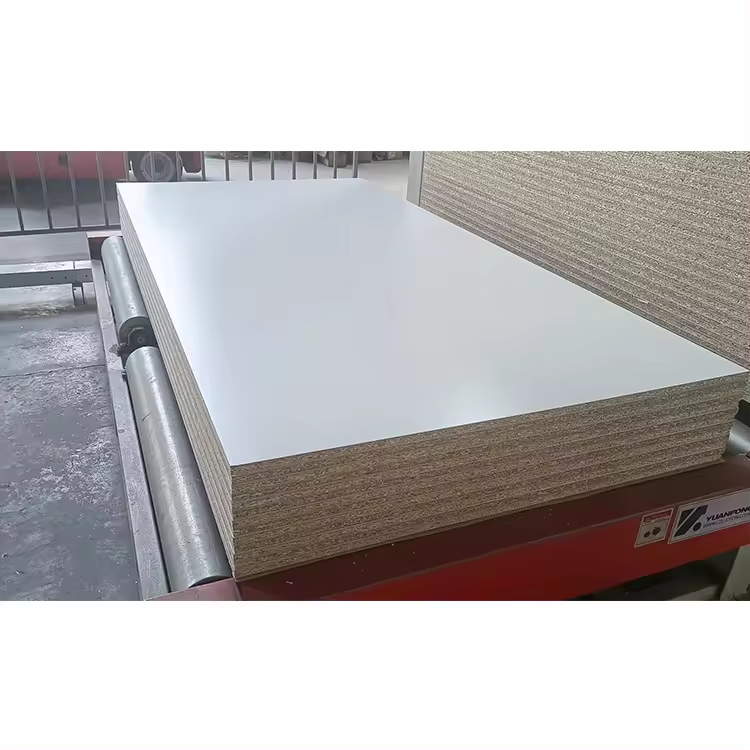
In der wettbewerbsintensiven Welt der Möbelherstellung beeinflusst die Materialauswahl unmittelbar Rentabilität, Produktionsgeschwindigkeit und Produktlanglebigkeit. Unter den zahlreichen heute verfügbaren Spanplattensorten melamin-Spanplatte hat sich als dominierende Wahl für Fabriken herausgestellt, die im Großmaßstab produzieren. Die Kombination aus struktureller Gleichmäßigkeit, Oberflächenqualität und Kosteneffizienz macht sie besonders gut für die Anforderungen der Massenfertigung geeignet. Zu verstehen, warum Möbelhersteller dieses Material konsequent wählen, offenbart viel über die ökonomischen und ingenieurtechnischen Prinzipien, die moderne Schrank- und Möbelproduktion antreiben.
Der Reiz von melamin-Spanplatte ist kein Zufall. Sie spiegelt jahrzehntelange Weiterentwicklung der Spanplattentechnologie wider und ist eine direkte Reaktion auf den Druck, dem Hersteller ausgesetzt sind, mehr zu produzieren produkte mit konstanter Qualität und geringerem Materialverschnitt. Von Küchenmöbeln über Büromöbel bis hin zu Einrichtungselementen im Einzelhandel bildet dieses Material die Grundlage für einen enormen Sektor der globalen Möbelindustrie. Dieser Artikel untersucht die zentralen Gründe, warum Massenfertigungsumgebungen weiterhin melamin-Spanplatte gegenüber nahezu jedem anderen Substratmaterial bevorzugen.
Die strukturellen und fertigungstechnischen Vorteile von Melamin-Spanplatten
Maßgenauigkeit, wie sie Fertigungslinien erfordern
Eine der kritischsten Anforderungen in der Massenfertigung ist die Vorhersagbarkeit der Abmessungen. Melamin-Spanplatte wird durch einen hochkontrollierten industriellen Prozess hergestellt, bei dem Holzpartikel unter Hitze und Druck miteinander verbunden werden, wodurch Platten mit einheitlicher Dicke und Dichte entstehen. Diese Gleichmäßigkeit bedeutet, dass automatisierte Schneidemaschinen, CNC-Fräsmaschinen und Kantenanleimmaschinen einmal kalibriert werden können und dann auf Tausende von Platten angewendet werden können, ohne ständig neu justiert zu werden. In einer Produktionsumgebung, in der Millimeter-Genauigkeit die Montagequalität beeinflusst, ist diese Stabilität von unschätzbarem Wert.
Massivholz hingegen weist natürliche Schwankungen in Faserrichtung, Feuchtigkeitsgehalt und innerer Spannung auf, was die automatisierte Verarbeitung erschwert und die Ausschussraten erhöht. Melamin-Spanplatte eliminiert diese Variablen, indem es Rohholzfasern in eine homogene, technisch hergestellte Platte umwandelt. Das Ergebnis ist ein Material, das sich von dem ersten Schnitt bis zur endgültigen Montage vorhersehbar verhält – genau das, was Hochleistungs-Fertigungslinien benötigen, um Qualität und Geschwindigkeit der Produktion aufrechtzuerhalten.
Standardplattengrößen für melamin-Spanplatte , wie das weit verbreitete Format von 1220 × 2440 mm bei gängigen Dicken wie 16 mm, sind so konzipiert, dass Abfall durch Zuschnitt minimiert und die Materialausbeute bei Standard-Möbelkomponentenanordnungen maximiert wird. Diese durchdachte Dimensionierung ermöglicht es Herstellern, Schnittmuster effizienter zu planen und dadurch sowohl die Rohstoffkosten als auch die Nachhaltigkeitskennzahlen zu verbessern.
Oberflächendauerhaftigkeit in die Platte integriert
Die Melaminschicht, die auf der Oberfläche von melamin-Spanplatte aufgebracht ist, ist nicht lediglich eine dekorative Beschichtung – sie ist vielmehr eine thermisch verpresste Harzschicht, die integraler Bestandteil der Plattenstruktur wird. Diese Oberfläche widersteht Kratzern, Feuchtigkeitsaufnahme, Hitze sowie vielen gängigen Haushaltschemikalien. Für Möbelhersteller bedeutet dies, dass der sonst übliche Endbearbeitungsschritt – etwa Lackieren, Lackieren oder Laminieren – bereits in der Platte selbst abgeschlossen ist; dadurch entfallen ganze Fertigungsstufen samt zugehörigem Arbeitsaufwand, Zeit- und Chemikalienkosten.
In einem Fertigungsumfeld hat die Reduzierung von Prozessschritten einen kumulativen Effekt auf die Effizienz. Jede aus der Produktionslinie eliminierte Stufe verringert die Handhabungszeit, Trockenzeit, Prüfpunkte für die Qualitätskontrolle sowie das Risiko der Einführung von Fehlern. Melamin-Spanplatte kommt werkseitig fertig zum Schneiden und Zusammenbauen an, wobei bereits die dekorative und schützende Oberfläche aufgebracht ist. Diese sofort-einsatzfähige Eigenschaft ist einer der zentralen Gründe, warum Hersteller, die auf dieses Material umgestiegen sind, nur selten zu Alternativen zurückkehren, die zusätzliche Oberflächenbearbeitungsschritte erfordern.
Kosteneffizienz über den gesamten Produktionszyklus hinweg
Rohstoffkosten bei großer Stückzahl
Die Kostenvorteile von melamin-Spanplatte werden zunehmend bedeutender, je höher die Produktionsmenge steigt. Da es aus Holzspänen und -partikeln – häufig aus Sägewerk-Reststoffen und forstwirtschaftlicher Durchforstung – und nicht aus hochwertigem Massivholz hergestellt wird, sind die Rohstoffkosten deutlich niedriger als bei Massivholz oder sogar bei Sperrholzalternativen. Lieferanten können große Mengen zu vorhersehbaren Preisen produzieren, wodurch Möbelhersteller die Materialkosten festlegen und die Produktionswirtschaftlichkeit mit Zuverlässigkeit planen können.
Für Hersteller, die monatlich Tausende von Schrankmodulen produzieren, summieren sich selbst geringfügige Kostenvorteile pro Platte am Ende eines Geschäftsquartals zu erheblichen Einsparungen. Melamin-Spanplatte bietet diesen Kostenvorteil, ohne dass Hersteller Einbußen bei der optischen Qualität oder der Oberflächenleistung in Kauf nehmen müssten – was es kommerziell für ein breites Spektrum an Möbelpreisniveaus rentabel macht, von preisgünstigen Handelsmarken bis hin zu mittelklassigen Markensammlungen.
Die standardisierten Plattenformate und Dickeoptionen für melamin-Spanplatte vereinfacht zudem die Beschaffungslogistik. Einkaufsteams können die Lagerbestände vorhersehbarer verwalten, Lieferanten können Aufträge mit kürzeren Lieferzeiten erfüllen, und die Anforderungen an die Lagerkapazität bleiben überschaubar. Diese Vereinfachung der Beschaffung führt unmittelbar zu Gemeinkosteneinsparungen, die sich im Laufe der Zeit bei Großbetrieben kumulativ auswirken.
Reduzierung der Arbeits- und Verarbeitungskosten
Neben den Materialkosten selbst melamin-Spanplatte senkt die Arbeitskosten entlang des gesamten Produktionsprozesses. Da die Platten bereits mit fertigen Oberflächen angeliefert werden, müssen die Mitarbeiter keine Komponenten mehr schleifen, grundieren, lackieren oder furnieren. Montagearbeiter arbeiten mit sofort einsatzbereiten Teilen, wodurch der Schulungsaufwand verkürzt und die erforderliche Qualifikation für bestimmte Produktionsstufen gesenkt wird. Dadurch können Hersteller ihren Personalbedarf flexibler an die Auftragsvolumina anpassen, ohne Einbußen bei der Ausbringungsqualität in Kauf nehmen zu müssen.
Kantenanleimprozesse für melamin-Spanplatte sind gut etabliert und kompatibel mit hochgeschwindigkeitsautomatisierten Maschinen. Die vorhersehbare Dichte und die Oberflächeneigenschaften des Materials gewährleisten eine zuverlässige und konsistente Kantenapplikation und reduzieren dadurch weiter den Bedarf an manueller Nacharbeit. Wenn die Produktionsqualität von Platte zu Platte konstant ist, verringern sich auch die Kosten für die Inspektion und Aussortierung nach der Produktion erheblich – ein weiterer finanzieller Vorteil bei der großflächigen Verwendung dieses Materials.
Ästhetische Vielseitigkeit zur Unterstützung diverser Produktlinien
Eine breite Palette an Dekoroptionen innerhalb einer einzigen Materialplattform
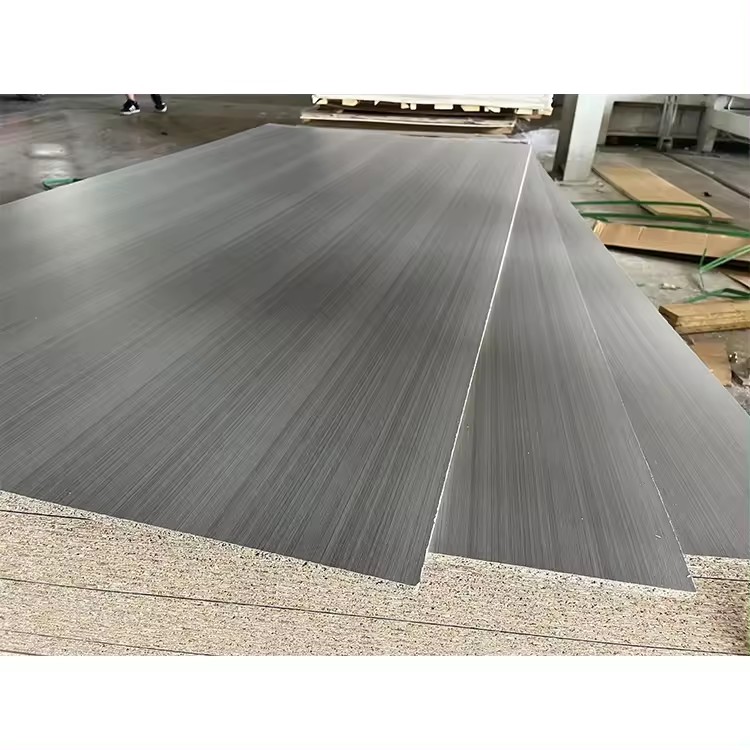
Moderne Möbelhändler müssen vielfältige visuelle Ästhetiken anbieten, um wechselnden Verbraucherpräferenzen gerecht zu werden, und melamin-Spanplatte bietet diese Vielfalt durch eine breite Auswahl an Oberflächenmustern und -farben. Hersteller können Holzmaserungsdesigns von hellem Eichen bis zu dunklem Walnuss, einfarbige Varianten von Weiß bis Anthrazit sowie strukturierte Oberflächen, die Stein oder Stoff simulieren, beziehen. Alle diese ästhetischen Optionen sind auf demselben Substratmaterial verfügbar, was bedeutet, dass Produktionsprozesse, Werkzeuge und Maschinen unabhängig von der gewählten Dekorvariante identisch bleiben.
Diese ästhetische Flexibilität stellt einen strategischen Vorteil für Möbelunternehmen dar, die gleichzeitig mehrere Produktlinien managen. Auf einer einzigen Fertigungsfläche können sowohl preisgünstige weiße Küchenmöbel als auch hochwertig wirkende Regalsysteme in dunklem Walnuss-Design mit derselben Ausrüstung und denselben Arbeitsabläufen hergestellt werden – lediglich durch den Wechsel zwischen melamin-Spanplatte dekorvarianten. Die operative Komplexität steigt nicht proportional zur Breite des Produktportfolios an, was ein erheblicher Vorteil für Hersteller ist, die mehrere Marktsegmente ansprechen möchten.
Konsistenz bei großen Produktionsläufen
Die Farb- und Musterkonsistenz über eine große Charge von Möbelkomponenten ist für die Qualitätskontrolle unerlässlich, insbesondere bei Einrichtungsgegenständen im Einzelhandel, bei denen mehrere Exemplare desselben Produkts identisch aussehen müssen. Melamin-Spanplatte dies wird erreicht, weil das Oberflächenmuster während eines kontrollierten industriellen Verfahrens aufgebracht wird, das eine präzise Farbanpassung über verschiedene Produktionsläufe hinweg gewährleistet. Im Gegensatz zu Holzfurnier, bei dem natürliche Maserungsunterschiede sichtbare Abweichungen zwischen den Einzelteilen verursachen, können Melamin-Oberflächen mit hoher Wiedergabetreue über Tausende von Platten hinweg reproduziert werden.
Diese Reproduzierbarkeit ist für Möbelhersteller, die Kettenhändler beliefern, von enormer Bedeutung, da diese häufig verlangen, dass Ersatzteile, die sechs Monate später bestellt werden, perfekt mit der ursprünglichen Charge übereinstimmen. Melamin-Spanplatte lieferanten können in der Regel eine Farbkonsistenz innerhalb einer Charge garantieren, die natürliche Holzwerkstoffe schlicht nicht erreichen können, wodurch Hersteller bei der Abwicklung großer Aufträge oder beim Management von Kundendienst-Ersatzprogrammen Sicherheit gewinnen.
Nachhaltigkeits- und Konformitätsaspekte
Verantwortungsvoller Umgang mit Holzressourcen
Melamin-Spanplatte trägt zu einer verantwortungsvolleren Nutzung von Holzressourcen bei, indem Holzpartikel verwendet werden, die andernfalls als industrieller Abfall betrachtet würden. Sägewerkabschnitte, Rückstände aus der Holzverarbeitung und Holz mit kleinem Durchmesser aus Forstwirtschaftsmaßnahmen werden zu Rohstoffen statt zu Abfallströmen. Diese effiziente Nutzung verfügbarer Holzfasern bedeutet, dass weniger hochwertiges Holz geerntet werden muss, um dieselbe Menge an Möbelkomponenten herzustellen, verglichen mit massivem Holz oder furnierbasierten Plattenalternativen.
Für Möbelhersteller, die unter Anforderungen an Nachhaltigkeitsberichte operieren oder Umweltzertifizierungen anstreben, unterstützt die Verwendung von melamin-Spanplatte aus zertifizierten nachhaltigen Lieferketten ihre Compliance-Position. Die Fähigkeit des Materials, den gesamten Holzverbrauch pro Einheit Möbelproduktion zu senken, stellt einen messbaren Umweltvorteil dar, der mit den unternehmensweiten Nachhaltigkeitszielen im Fertigungssektor übereinstimmt.
Erfüllung der Innenraumluftqualitätsstandards
Moderne melamin-Spanplatte die Produkte sind so formuliert, dass sie immer strengeren Formaldehydemissionsstandards entsprechen. Rechtliche Rahmenbedingungen in wichtigen Möbelmärkten verlangen, dass Plattenwerkstoffe für Inneneinrichtungsmöbel niedrige Emissionsklassifizierungen wie die E1- oder E0-Standards erfüllen. Verantwortungsbewusste Lieferanten haben ihre Kleb- und Bindesysteme neu formuliert, um diese Zertifizierungen zu erreichen, ohne dabei die mechanischen und oberflächenspezifischen Leistungseigenschaften einzubüßen, auf die Hersteller angewiesen sind.
Für Massenproduktionsanlagen vereinfacht die Zusammenarbeit mit konformen melamin-Spanplatte den Marktzugang in mehreren Regionen. Produkte, die aus zertifizierten, emissionsarmen Platten hergestellt werden, können in regulierte Märkte verkauft werden, ohne dass auf Ebene des Endprodukts zusätzliche Prüfungen oder Dokumentationen erforderlich sind; dies verkürzt die Zeit bis zur Markteinführung und senkt die Compliance-Kosten. Diese regulatorische Vereinfachung ist insbesondere für Hersteller von großem Wert, die in mehrere Länder mit unterschiedlichen Standards exportieren.
FAQ
Was macht Melaminspanplatte für die Massenproduktion geeigneter als Massivholz?
Melamin-Spanplatte bietet eine gleichmäßige Dimensionierung, eine vorhersagbare Dichte und vorgefertigte Oberflächen, die massives Holz in großem Maßstab nicht erreichen kann. Massives Holz erfordert umfangreichere Bearbeitungs-, Trocknungs- und Oberflächenveredelungsschritte und weist aufgrund seiner natürlichen Variabilität Unregelmäßigkeiten auf, die eine automatisierte Produktion erschweren. Für Fabriken, die große Mengen herstellen, reduzieren die Konsistenz und die sofort einsatzbereite Beschaffenheit von melamin-Spanplatte deutlich die Produktionszeit, Abfallmenge und Verarbeitungskomplexität.
Ist die Melamin-Oberfläche auf Spanplatten für den alltäglichen Möbeleinsatz ausreichend robust?
Ja. Die Melaminharz-Oberfläche auf melamin-Spanplatte wird während der Herstellung thermisch mit dem Trägermaterial verbunden und bildet so eine harte, kratzfeste und feuchtigkeitsbeständige Oberfläche. Sie bewährt sich gut in typischen Möbelanwendungen wie Küchenschränken, Büroschreibtischen, Kleiderschrank-Innenräumen und Einzelhandelsregalen. Obwohl sie bei längerer Wasserexposition an offenen Kanten nicht vollständig wasserdicht ist, bieten korrekt kantengebänderte melamin-Spanplatte -Komponenten eine zuverlässige Haltbarkeit für den normalen Einsatz von Inneneinrichtung.
Kann Melamin-Spanplatte sowohl für tragende Komponenten als auch für sichtbare Oberflächen verwendet werden?
Melamin-Spanplatte wird weit verbreitet sowohl für tragende Platten als auch für dekorative, sichtbare Oberflächen in der Möbelproduktion eingesetzt. Bei Standardstärken wie 16 mm oder 18 mm bietet sie eine ausreichende Tragfähigkeit für Regale, Schrankkorpusse, Schubkästen und Trennwände. Ihre gleichmäßige innere Struktur gewährleistet eine vorhersehbare Schraubfestigkeit über die gesamte Platte hinweg, was für die Montagezuverlässigkeit sowohl bei Flat-Pack- als auch bei vormontierten Möbeln von Bedeutung ist.
Wie unterstützt Melamin-Spanplatte die Produktlinienvielfalt, ohne die Produktion zu komplizieren?
Weil alle melamin-Spanplatte varianten – unabhängig von Oberflächenfarbe oder -muster – dieselben Substrat-Eigenschaften aufweisen, bleiben Maschineneinstellungen und Verarbeitungsparameter beim Wechsel zwischen verschiedenen Dekorvarianten konstant. Ein Hersteller kann weiße Küchenschränke und Schlafzimmermöbel mit Eichenoptik auf derselben Produktionslinie mit minimalem Rüstzeit-Aufwand fertigen. Dadurch wird melamin-Spanplatte eine betrieblich flexible Materialplattform, die einen breiten Produktkatalog unterstützt, ohne die Produktionskomplexität zu erhöhen.
Inhaltsverzeichnis
- Die strukturellen und fertigungstechnischen Vorteile von Melamin-Spanplatten
- Kosteneffizienz über den gesamten Produktionszyklus hinweg
- Ästhetische Vielseitigkeit zur Unterstützung diverser Produktlinien
- Nachhaltigkeits- und Konformitätsaspekte
-
FAQ
- Was macht Melaminspanplatte für die Massenproduktion geeigneter als Massivholz?
- Ist die Melamin-Oberfläche auf Spanplatten für den alltäglichen Möbeleinsatz ausreichend robust?
- Kann Melamin-Spanplatte sowohl für tragende Komponenten als auch für sichtbare Oberflächen verwendet werden?
- Wie unterstützt Melamin-Spanplatte die Produktlinienvielfalt, ohne die Produktion zu komplizieren?